

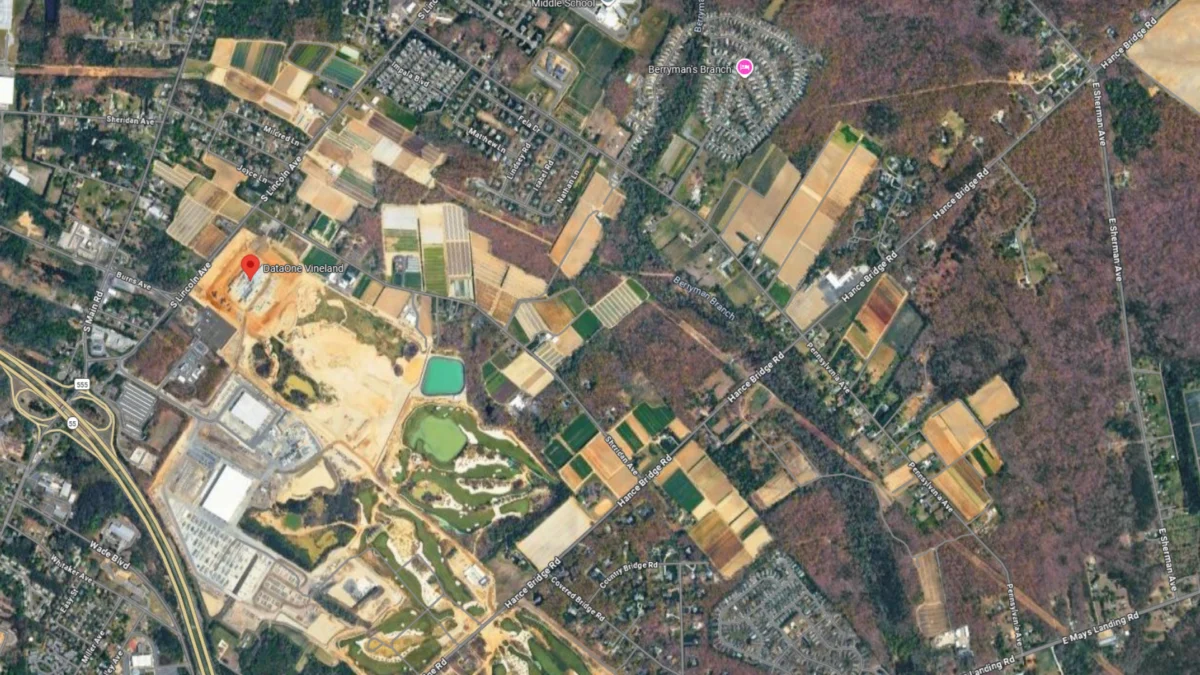
The race to dominate the artificial intelligence landscape has triggered an unprecedented expansion of data center infrastructure across the United States. While tech giants like Microsoft, Google, and Amazon promise a future of innovation, the physical reality of this expansion is increasingly colliding with the needs of local communities. In Vineland, New Jersey, a stark example of this friction has emerged: the DataOne data center, a facility that has become a flashpoint for environmental concerns, regulatory oversight failures, and a profound breakdown in corporate transparency.
Since construction began in 2025, the DataOne facility has faced intense scrutiny from local residents and environmental advocacy groups. According to findings released by the environmental organization Stand.earth, the facility has allegedly been operating multiple unpermitted gas turbines, discharging significant air pollution into the atmosphere near two local schools. The allegations extend beyond air quality, encompassing the unauthorized installation of a massive 1.5-million-gallon liquefied natural gas (LNG) storage tank and persistent, disruptive noise pollution that has plagued residents within a half-mile radius of the site.
This situation has ignited a debate over whether the massive capital investments driving the AI revolution are being prioritized over the health, safety, and rights of the communities that host them.
A Chronology of Controversy: How the Situation Escalated
The saga of the DataOne facility is marked by a timeline of obscured intentions and retroactive disclosures.
The Stealth Commencement (Early 2025)
Construction on the Vineland site began in early 2025 under the banner of development. At the time, the true nature and scale of the project remained opaque to the general public. Local community members were left to speculate about the facility’s purpose, as the site was shielded from significant public discourse.
The Microsoft Connection (October 2025)
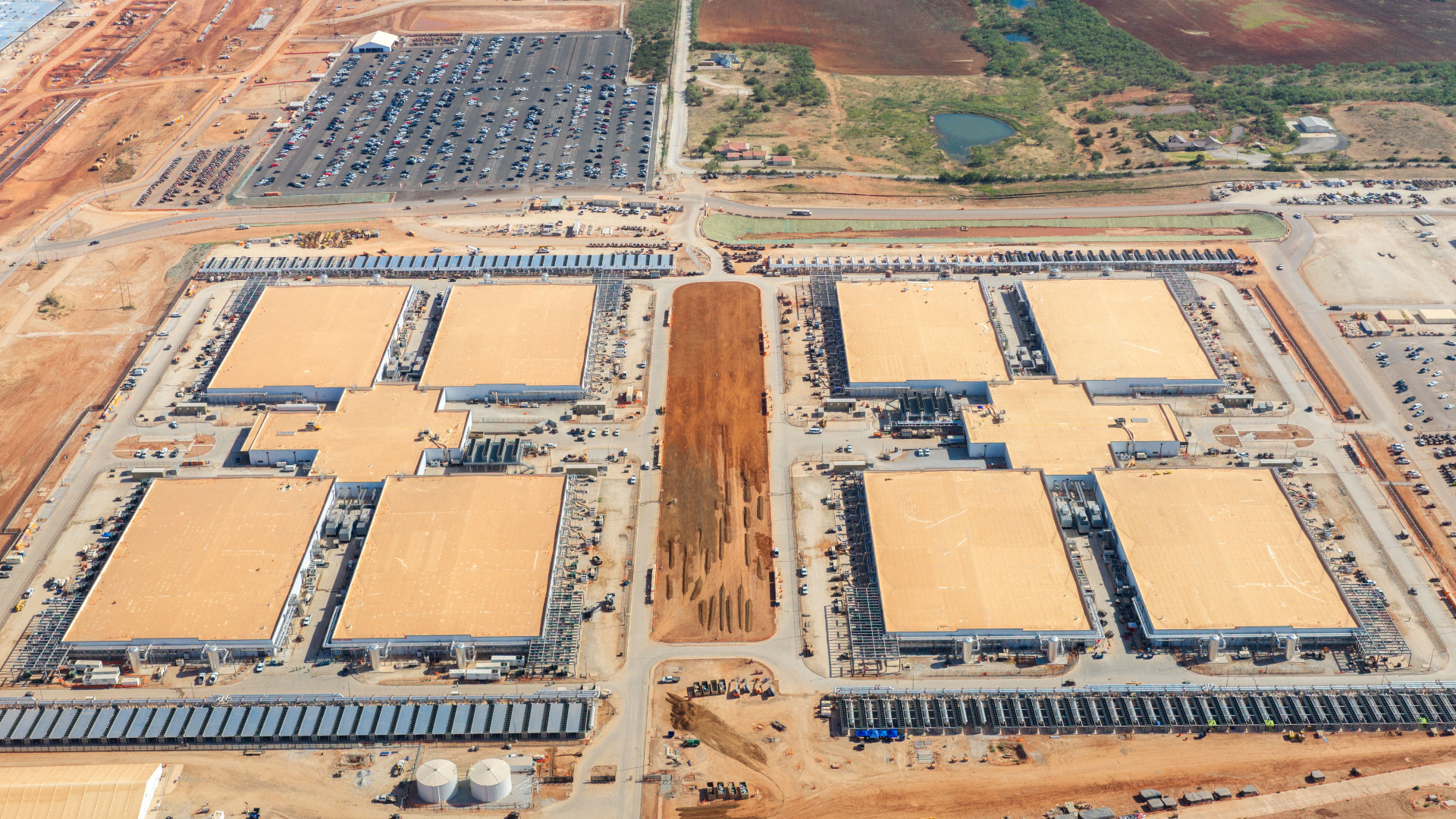
The project’s profile shifted dramatically in October 2025, when it was revealed that Nebius had entered into a multi-year, high-stakes agreement to supply dedicated computing capacity to Microsoft. This deal, part of a broader $19.4 billion investment effort by the tech giant to secure over 100,000 Nvidia GB300 GPUs, effectively turned a local infrastructure project into a vital node for global AI development. It was only after this public revelation that residents began to connect the dots between the massive construction site in their backyard and the global AI arms race.
The Regulatory Awakening (January 2026)
As residents began scrutinizing government records and questioning the city’s approval processes, the pressure on local officials mounted. This culminated in a town hall meeting in January 2026—a meeting that arrived months after heavy construction had already fundamentally altered the local landscape. DataOne CEO Charles-Antoine Beyney admitted during the proceedings that the company had failed to engage with the community in a timely manner, acknowledging that the dialogue should have been initiated long before the first shovel hit the ground.
Environmental and Structural Allegations: Beyond the Noise
The grievances filed by the community are multifaceted, touching on environmental, structural, and public health concerns.
Air Pollution and Unpermitted Generators
Perhaps the most alarming claim involves the use of 62 gas-fired turbines to power the facility. Investigations have confirmed that at least 45 of these turbines are often active simultaneously. These units, which were allegedly deployed without the necessary environmental permits, create a constant, low-frequency hum that residents report as a source of severe sleep deprivation and mental stress. More critically, the exhaust from these generators raises significant concerns about particulate matter and nitrogen oxide emissions, especially given the site’s proximity to educational institutions.
This operational strategy mirrors recent controversies involving xAI in Memphis, Tennessee, where the company deployed 69 unpermitted natural gas turbines. While that project is currently being transitioned toward a more permanent 1.2-GW power plant, the "temporary" nature of such installations has become a recurring theme in the industry, raising questions about whether tech firms are intentionally bypassing environmental reviews to meet aggressive, short-term AI deployment deadlines.
Stormwater and Aquifer Concerns
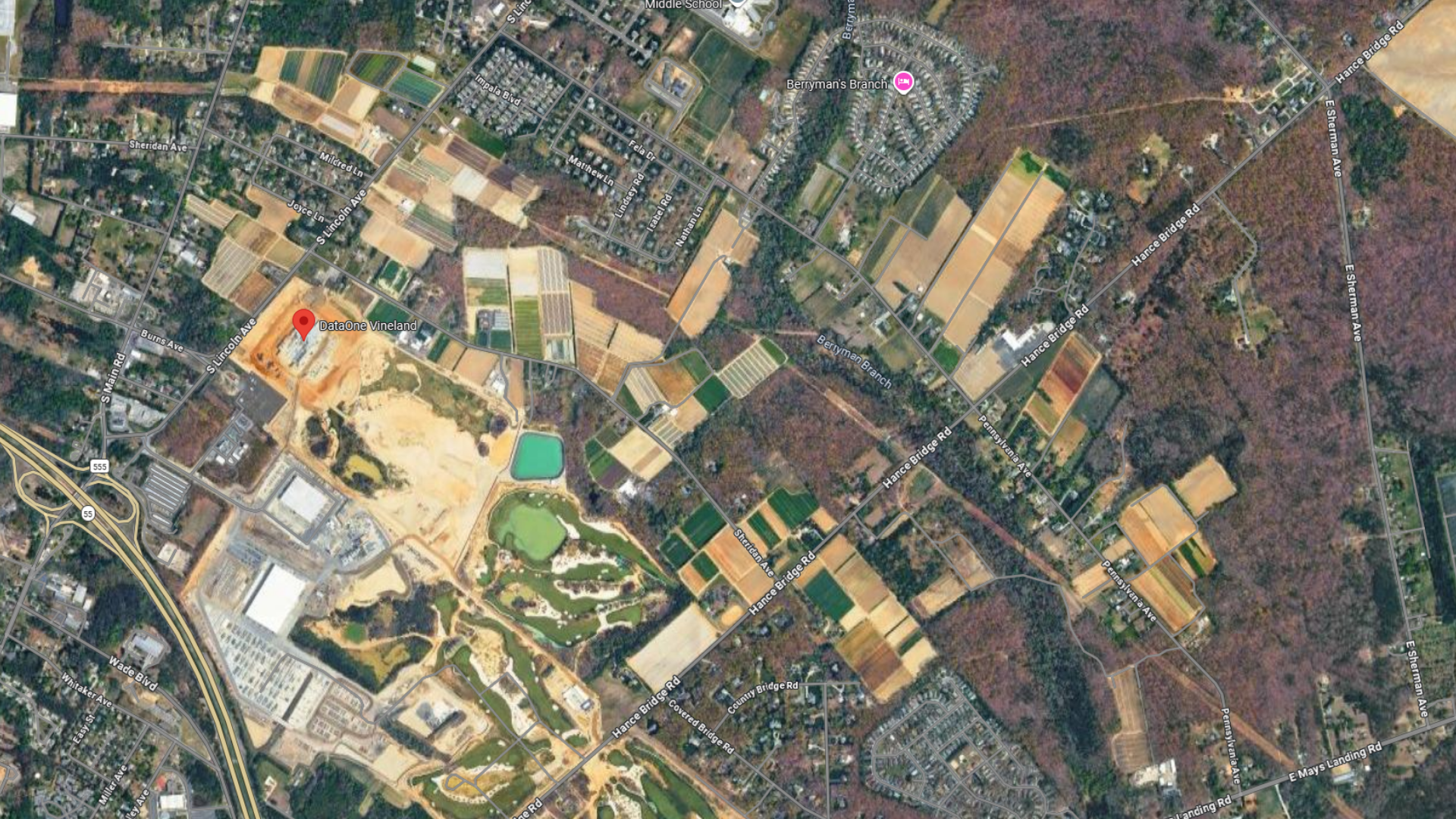
The physical footprint of the 55-acre DataOne site has also sparked concern among civil engineers and local environmentalists. A third-party engineering review of the site’s stormwater management systems suggests they do not comply with New Jersey state regulations. The report warns that without substantial remediation, the site risks both on-site and off-site flooding.
Furthermore, the data center’s water usage has been called into question. The project reportedly underestimated annual groundwater recharge by at least 20 million gallons. If left unchecked, this deficit could threaten the local aquifer, potentially lowering the water table and degrading the quality of water available to nearby homes and businesses.
The "Good Neighbor" Dilemma: Corporate Accountability
At the heart of the protest is a fundamental question of responsibility. While DataOne and its partner Nebius are the primary operators of the facility, the ultimate beneficiary of the computing power is Microsoft.
Nathan Taft, a senior campaigner at Stand.earth, has been vocal about the implications of this arrangement. "The incident should shatter the illusion that Microsoft is a ‘good neighbor’ or in any way more responsible than the other Big Tech companies," Taft stated. He argues that by contracting with providers like Nebius, Microsoft creates a layer of abstraction that allows it to benefit from the infrastructure while distancing itself from the operational failures of the contractors.
Taft likens the situation to a contractor causing damage to a neighbor’s property; even if the contractor is the one operating the machinery, the client who commissioned the work bears a moral, if not structural, responsibility to ensure the project is conducted ethically.
Contradicting Official Promises
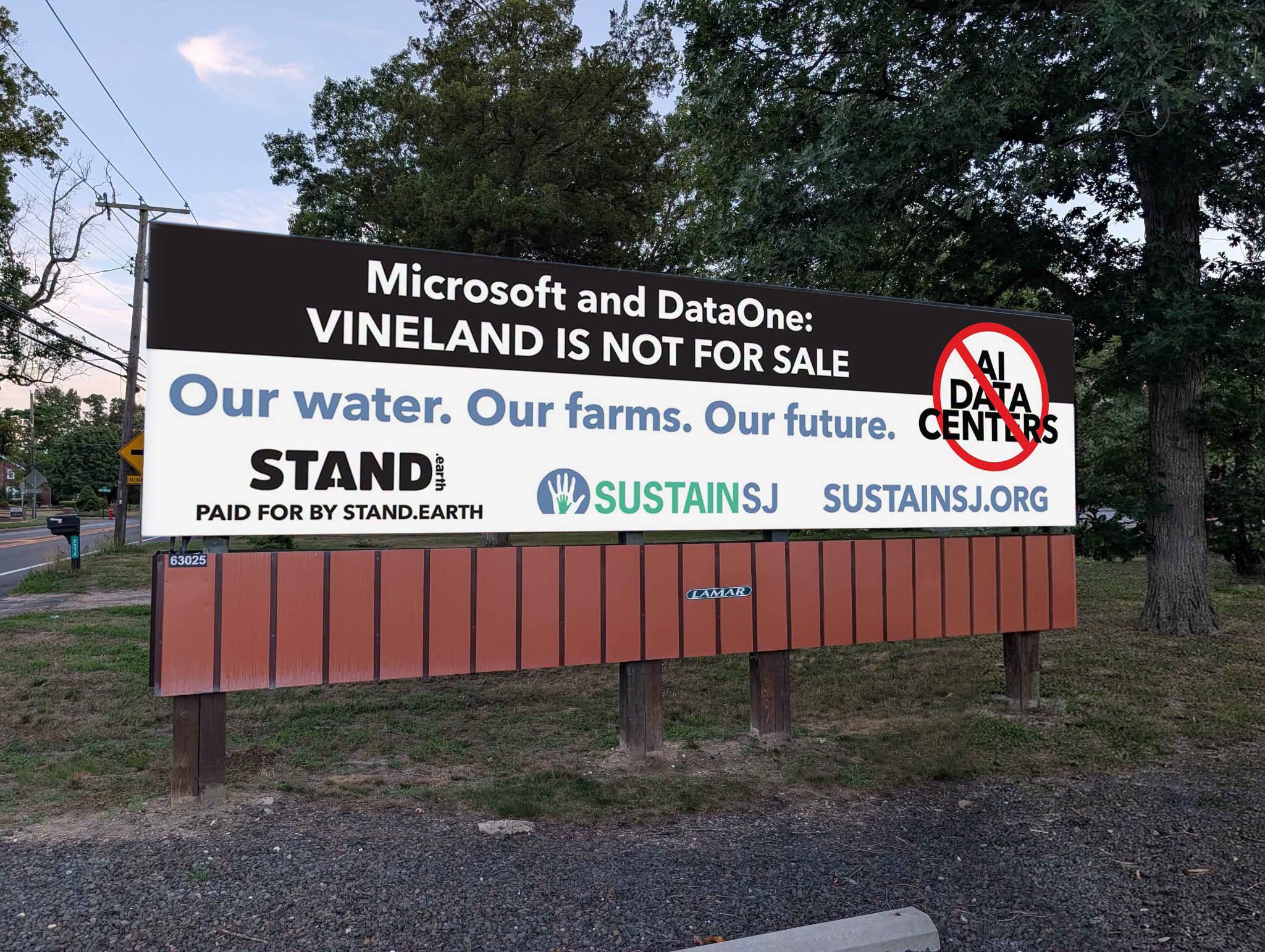
The situation in Vineland stands in stark contrast to the commitments Microsoft made in January 2026, when it pledged to overhaul its approach to AI data center development. The company’s "community-first" framework promised that it would act as a responsible neighbor, cover energy cost increases, and implement advanced water-replenishment programs.
By allowing the DataOne facility to continue its current operations, critics argue that Microsoft is failing to adhere to its own self-imposed standards. Matt Williams, chairperson of the Sustain South Jersey group, summarized the sentiment of the residents: "The developers have been ‘act first, pay the fine, and ask for forgiveness later.’"
Implications for the Tech Industry
The conflict in Vineland is not an isolated incident; it is a preview of the challenges that will face the tech industry as it attempts to scale up AI infrastructure across the United States.
- Regulatory Scrutiny: Local governments are becoming increasingly wary of the "move fast and break things" philosophy when applied to physical infrastructure. We are likely to see stricter permitting requirements and longer lead times for data center projects.
- Reputational Risk: For companies like Microsoft, the reputational cost of "dirty" AI is rising. As environmental, social, and governance (ESG) reporting becomes more stringent, incidents of unpermitted pollution can lead to significant investor pressure.
- The Infrastructure Bottleneck: The reliance on temporary, high-pollution power solutions (like mobile gas turbines) to support data centers is proving to be a public relations and operational liability. Tech firms will likely be forced to pivot toward cleaner, long-term grid integration or on-site renewable energy systems, even if those options increase initial capital expenditures.
Conclusion: A Turning Point for Data Centers
The DataOne facility in Vineland serves as a litmus test for the future of Big Tech’s relationship with local communities. The residents of Vineland are not necessarily anti-technology; they are, however, anti-neglect. The demand for AI power is clear, but the social license to operate—the unspoken agreement between a company and the community it inhabits—is becoming harder to maintain.
As the industry moves forward, it faces a clear choice: continue the "act first, apologize later" cycle, which invites legal, regulatory, and public relations catastrophe, or adopt a model of transparent, sustainable development that respects the limits of the local environment. For the people of Vineland, the current status quo is unsustainable, and their fight for accountability is likely to echo across other regions where the digital and physical worlds continue to collide.











