

By Emedo Ashibeze | Published May 24, 2026
Anime thrillers represent a pinnacle of the medium, blending the visceral intensity of high-stakes action with the cerebral depth of masterfully crafted storytelling. While the medium is often associated with grand shonen battles or slice-of-life charm, it is within the thriller genre that animation truly flexes its creative muscles. By pairing innovative visual techniques with narratives that prioritize suspense, paranoia, and psychological erosion, these films offer a comprehensive cinematic experience that rivals live-action suspense classics.
From the dream-bending landscapes of Satoshi Kon to the high-octane racing pits of the galaxy, the following ten titles represent the essential pillars of the anime thriller genre.
1. The Psychology of Suspense: A Chronological Exploration
To understand the evolution of the anime thriller, one must look at how the genre has shifted from the neon-soaked cyberpunk existentialism of the 90s to the modern, hyper-polished cinematic events of the mid-2020s.

The Satoshi Kon Era (1997–2006)
The late 90s and early 2000s were defined by the late Satoshi Kon, a visionary whose work fundamentally altered how audiences perceive the boundaries between truth and fiction. His directorial debut, Perfect Blue (1997), remains the gold standard for psychological thrillers. By tracking an idol-turned-actress’s descent into madness, Kon used the medium to mirror the fragmentation of the human psyche. This was followed by Paprika (2006), a film that pushed the envelope of surrealism by literalizing the unconscious mind.
The Rise of High-Concept Action (2010–2020)
As the industry evolved, so did the ambition of its production houses. Studio Madhouse’s Redline (2009) stands as a testament to the power of hand-drawn animation, utilizing over 100,000 frames to create a sense of speed and peril that CGI rarely captures. Simultaneously, films like Jin-Roh: The Wolf Brigade (1999) utilized the alternate-history thriller format to explore political betrayal and the loss of individual identity within oppressive systems.
The Modern Blockbuster Era (2020–Present)
Today, anime thrillers have transitioned into massive theatrical events. The success of Jujutsu Kaisen 0 and the Demon Slayer film series highlights a shift toward high-budget, high-stakes narratives that serve as direct extensions of serialized television, bringing the cinematic thrill of the "arc finale" to the global stage.
2. The 10 Essential Anime Thrillers
10. Paprika (2006)
Satoshi Kon’s swan song, Paprika, is a masterpiece of dream-logic. The invention of the "DC Mini" allows therapists to enter the dreams of their patients, but when these devices are weaponized, the distinction between reality and fantasy dissolves. It is a visual feast that demands the viewer’s full attention, frequently compared to Christopher Nolan’s Inception for its complex narrative structure.
9. Jujutsu Kaisen 0 (2021)
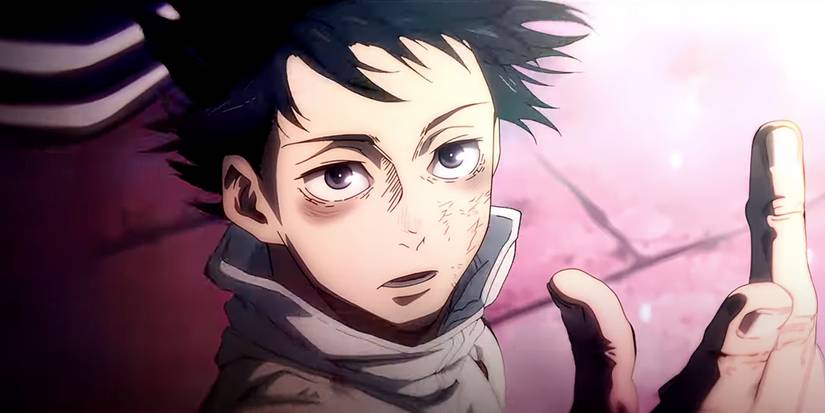
Serving as a tragic, high-stakes prequel to the mainline series, this film chronicles the story of Yuta Okkotsu. Haunted by the vengeful spirit of his childhood friend, Yuta’s journey from a terrified outcast to a powerful sorcerer is the backbone of this film. The conflict against the antagonist Suguru Geto provides a masterclass in choreographed, high-tension action sequences.
8. Redline (2009)
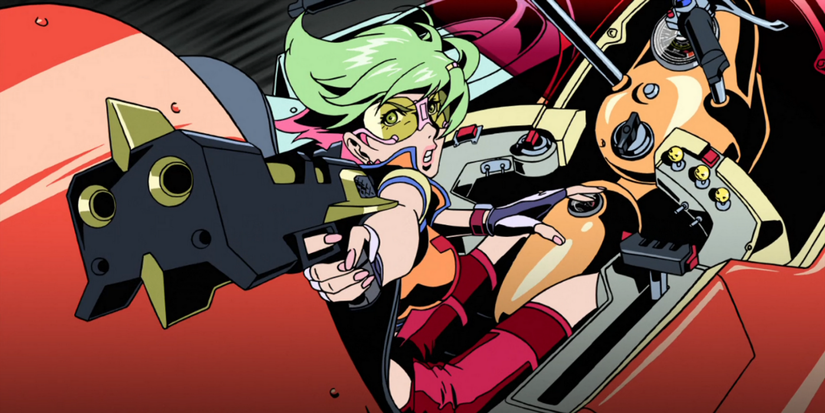
Madhouse famously spent seven years producing this film, pushing the studio to the brink of bankruptcy. The result is a visceral, high-speed thriller that feels like a fever dream. The race itself—the "Redline"—is a suicide run against a militarized planet, where the animation quality serves to heighten the adrenaline of every turn.
7. Jin-Roh: The Wolf Brigade (1999)
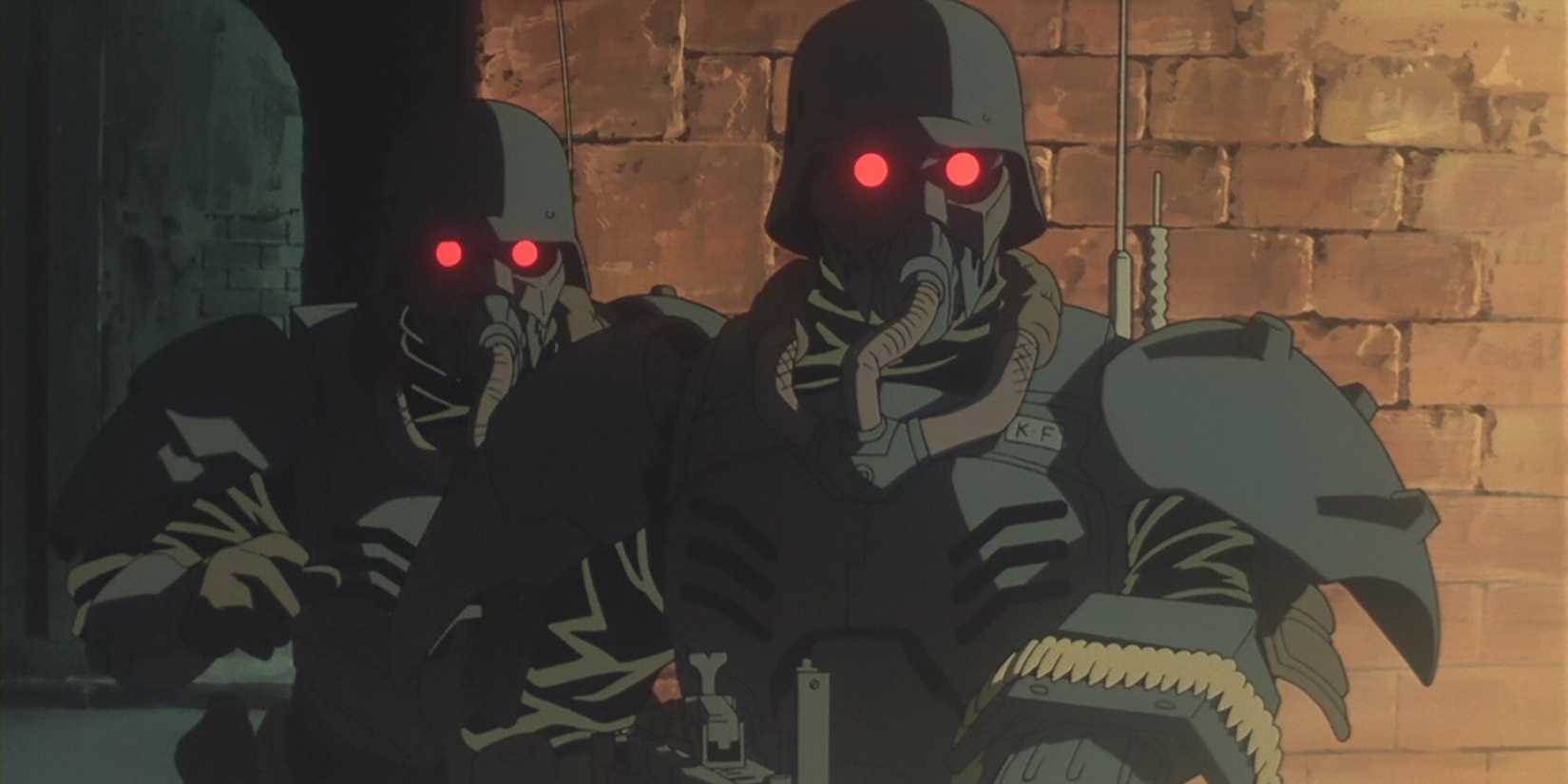
Set in a haunting, alternate-history post-WWII Japan, this film is a somber exploration of duty and trauma. The Kerberos special forces, clad in iconic, intimidating "Protect Gear," provide a cold, mechanical aesthetic that contrasts perfectly with the emotional, slow-burn psychological thriller unfolding within the ranks of the police.
6. The Garden of Sinners (2007–2013)
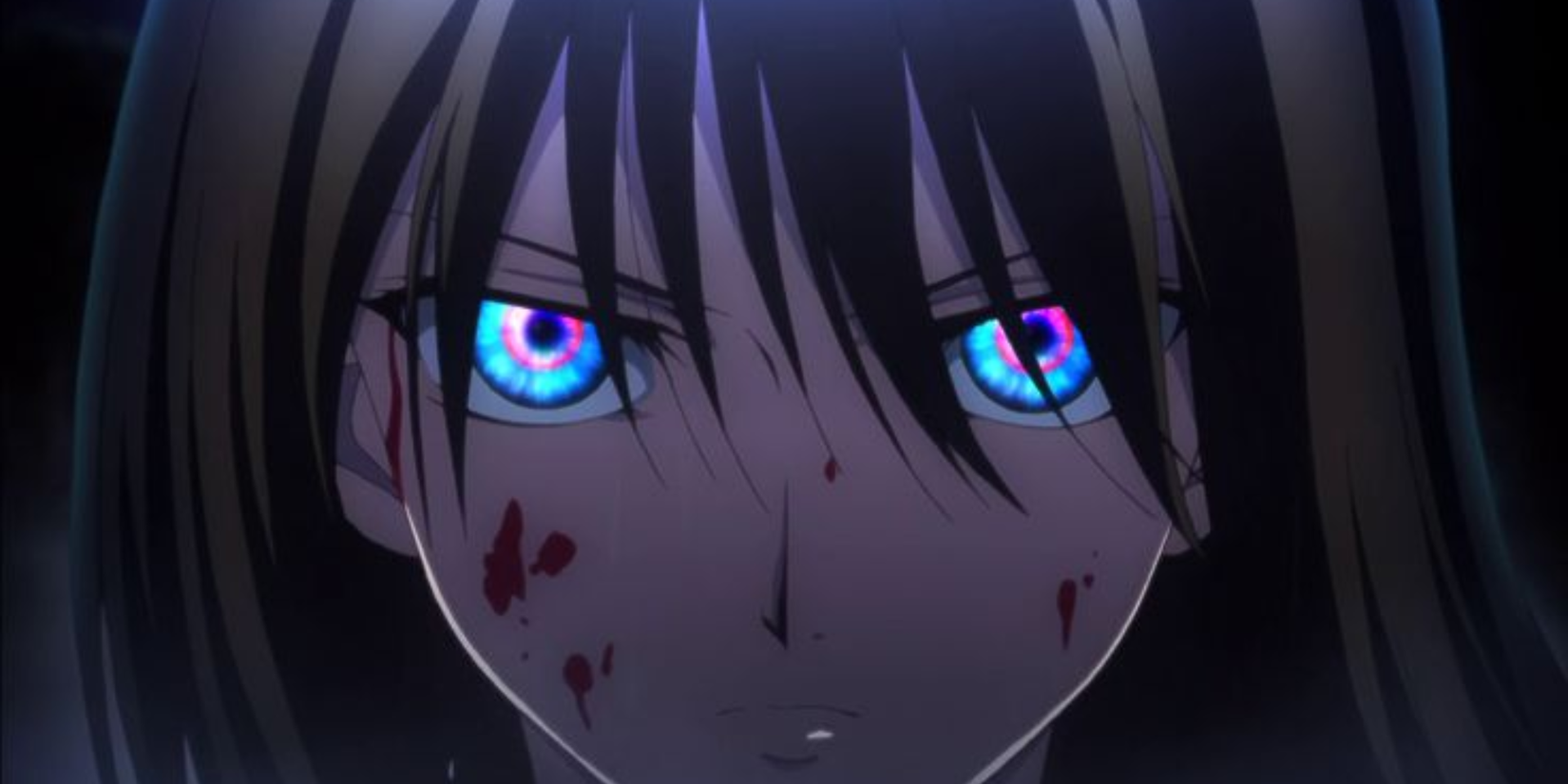
Produced by Ufotable, this seven-part achronological series follows Shiki Ryougi, a woman with the "Mystic Eyes of Death Perception." The series is a philosophical deep dive into the nature of existence, death, and paranormal investigation. It remains one of the most intellectually stimulating thriller series ever produced.
5. Puella Magi Madoka Magica: Rebellion (2013)
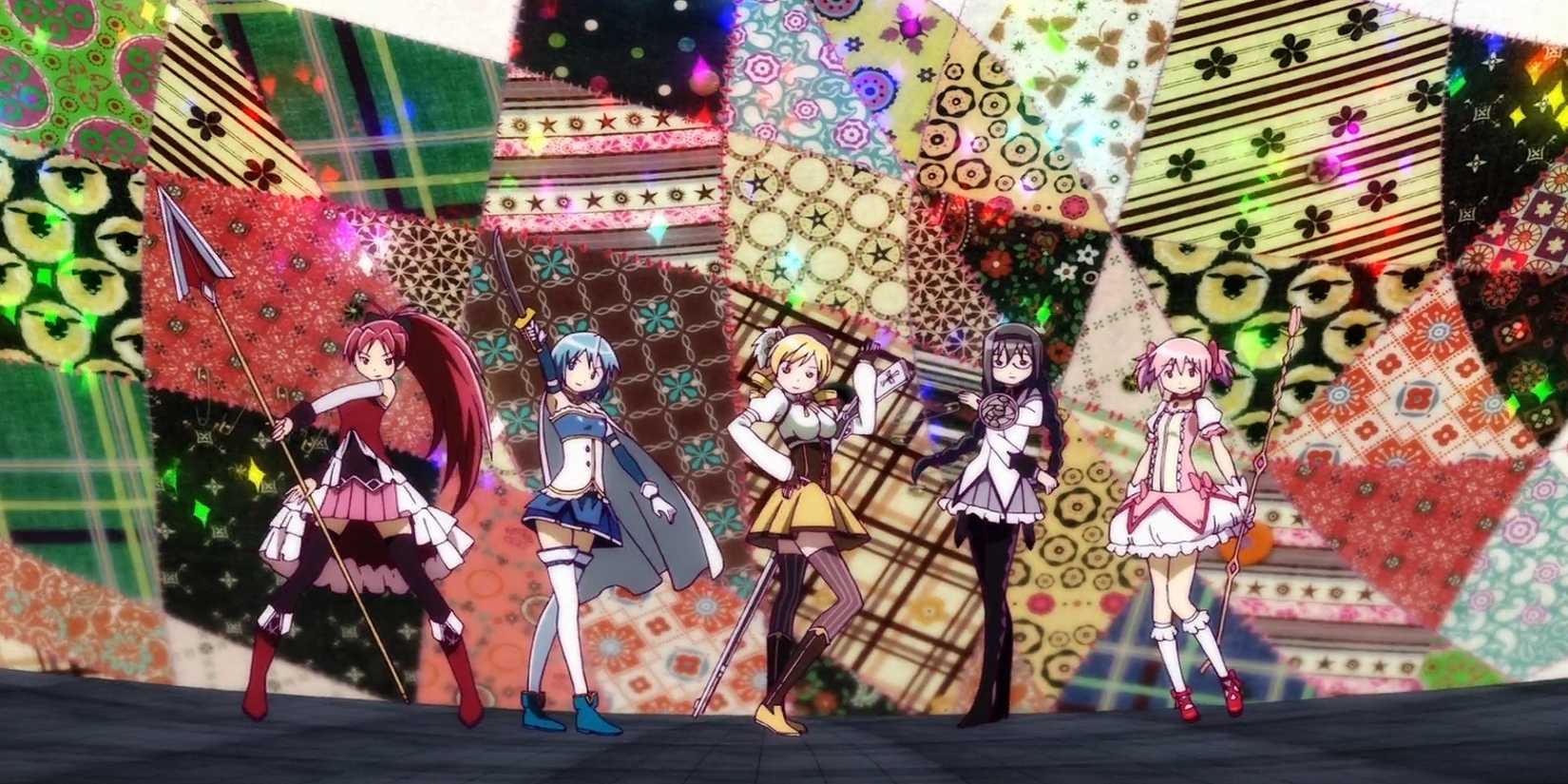
While the title may sound whimsical, Rebellion is a dark psychological descent. By trapping the characters in a "Witch’s labyrinth," the film forces the audience to question reality alongside the protagonist, Homura. Its twist-filled plot and shift in the "laws of the universe" make it a mandatory watch for fans of mind-bending thrillers.
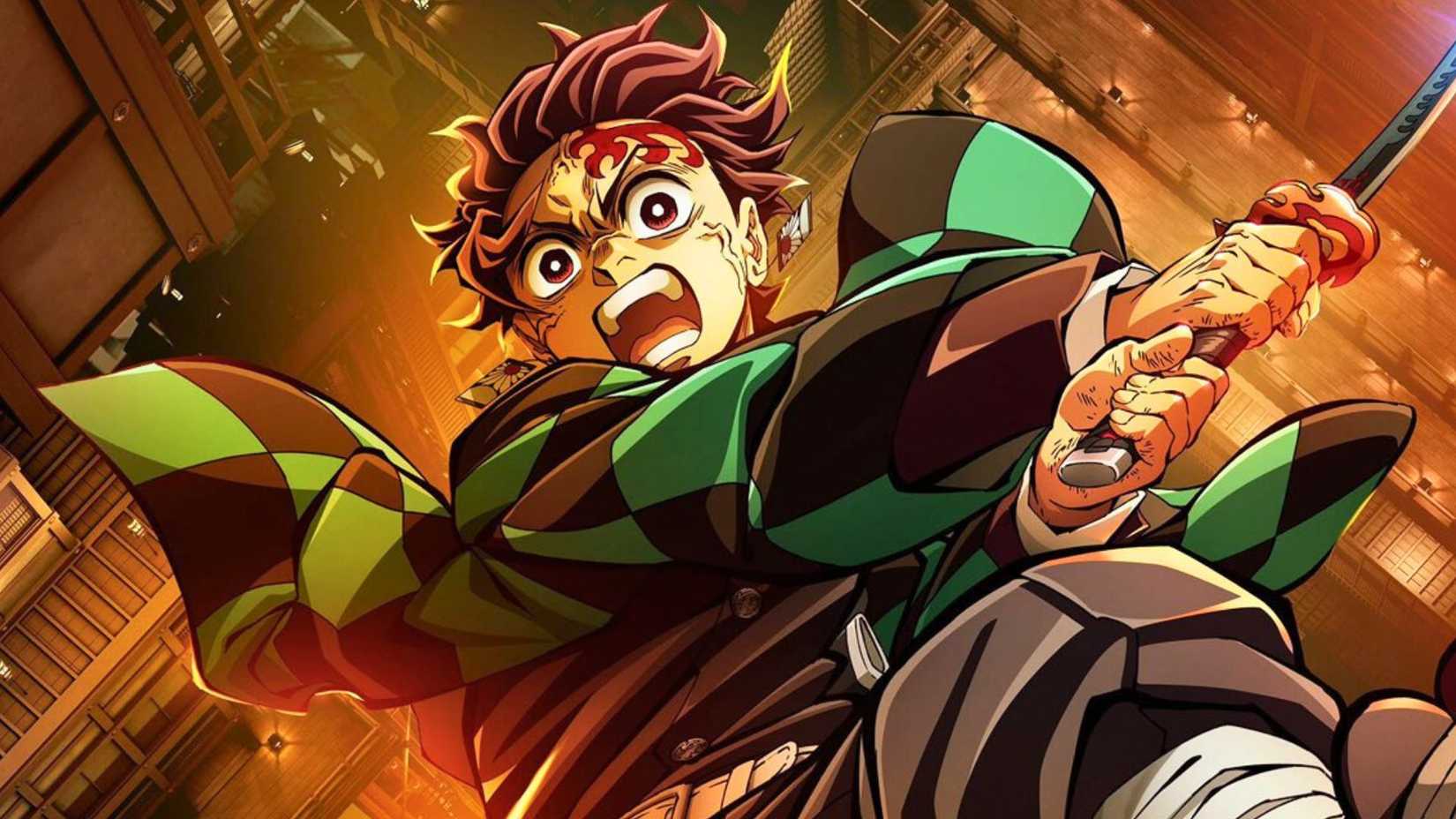
4. Demon Slayer: Infinity Castle (2025/2026)
The latest entry in the franchise, Infinity Castle, is a monumental feat of pacing. Following the destruction of the Ubuyashiki estate, the Demon Slayers are trapped in an ever-shifting fortress. The film is characterized by brutal, relentless combat and significant character growth, pushing the heroes to their absolute limits as they face the final confrontation.
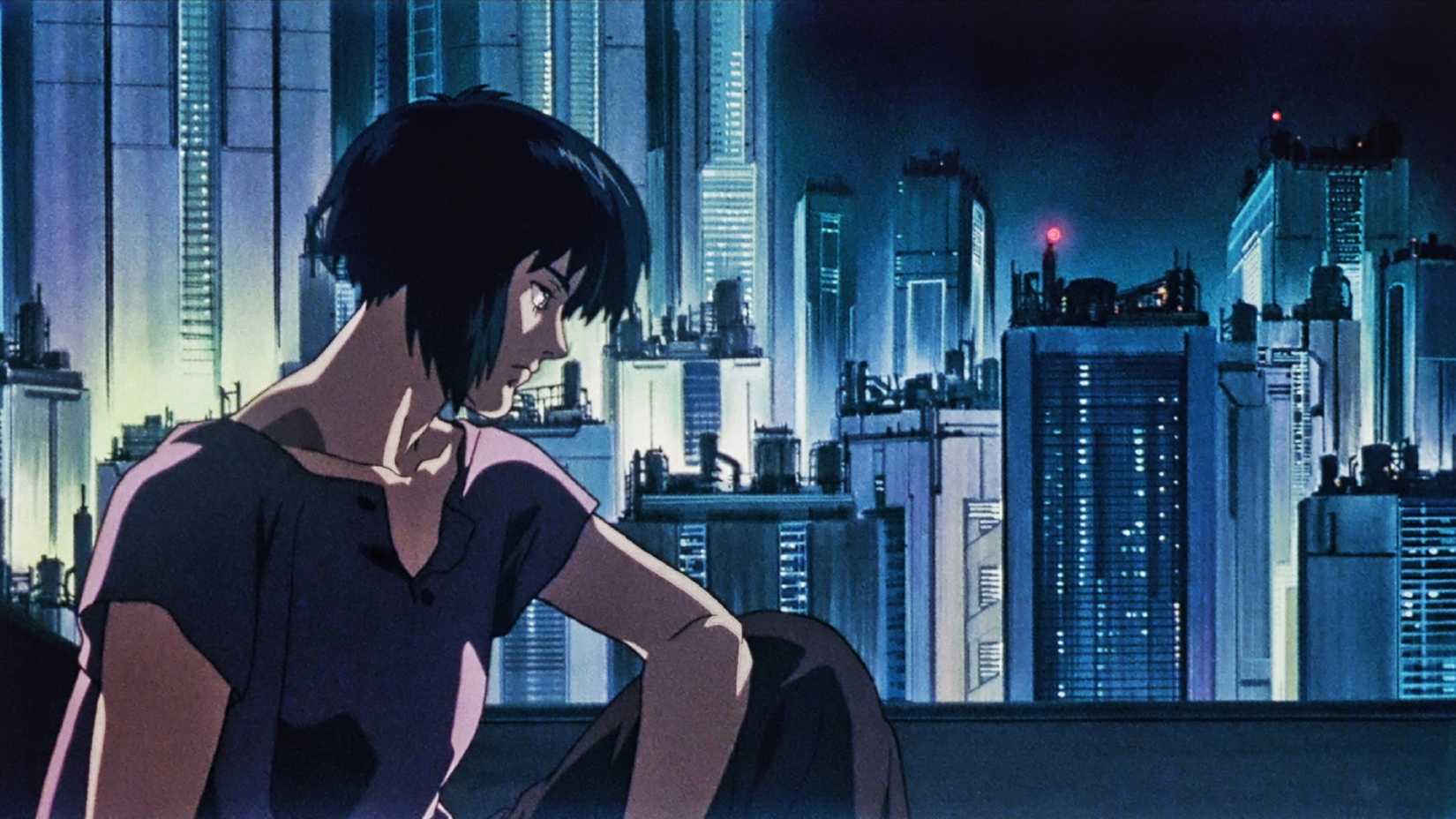
3. Ghost in the Shell (1995)
Mamoru Oshii’s 1995 classic is the bedrock of the cyberpunk genre. By questioning what it means to have a "ghost" (a soul) in a world of robotic prosthetics, the film explores themes that have only become more relevant with the rise of modern AI. Its influence on global cinema, including The Matrix, cannot be overstated.
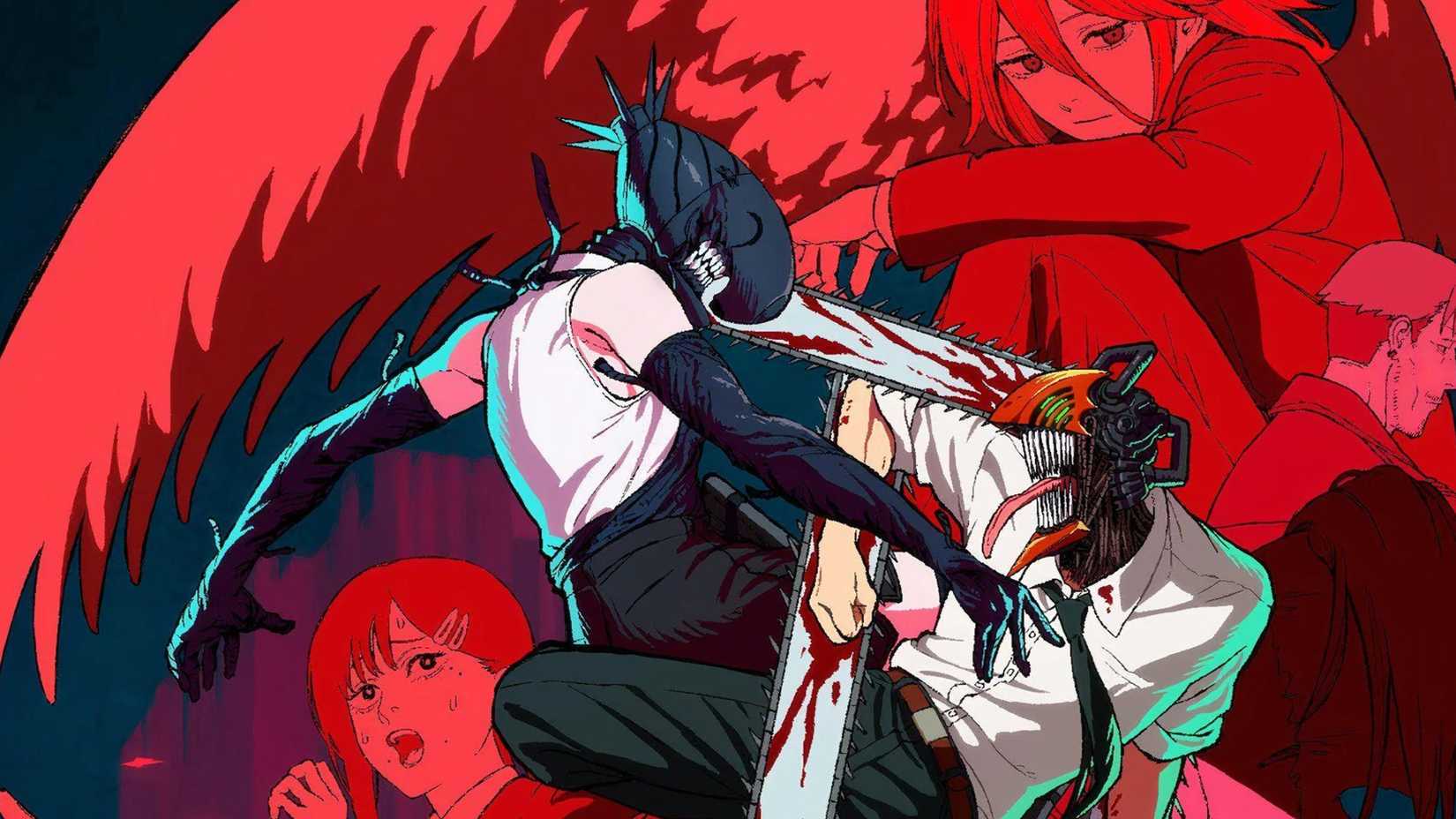
2. Chainsaw Man – The Movie: Reze Arc
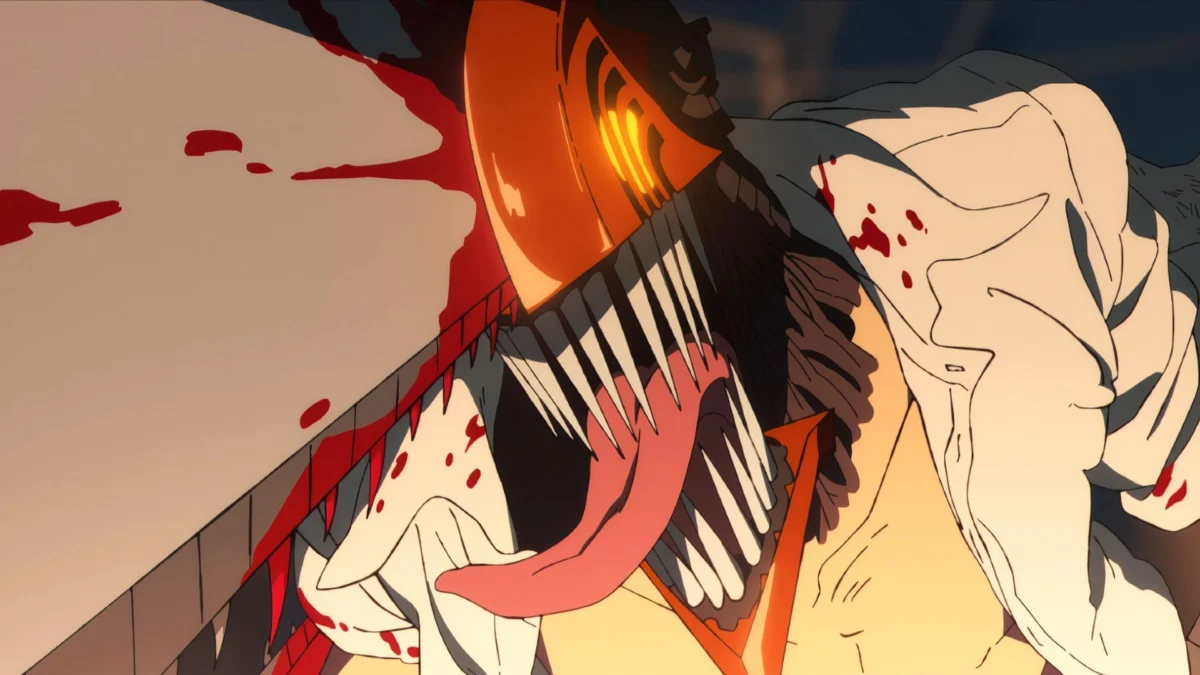
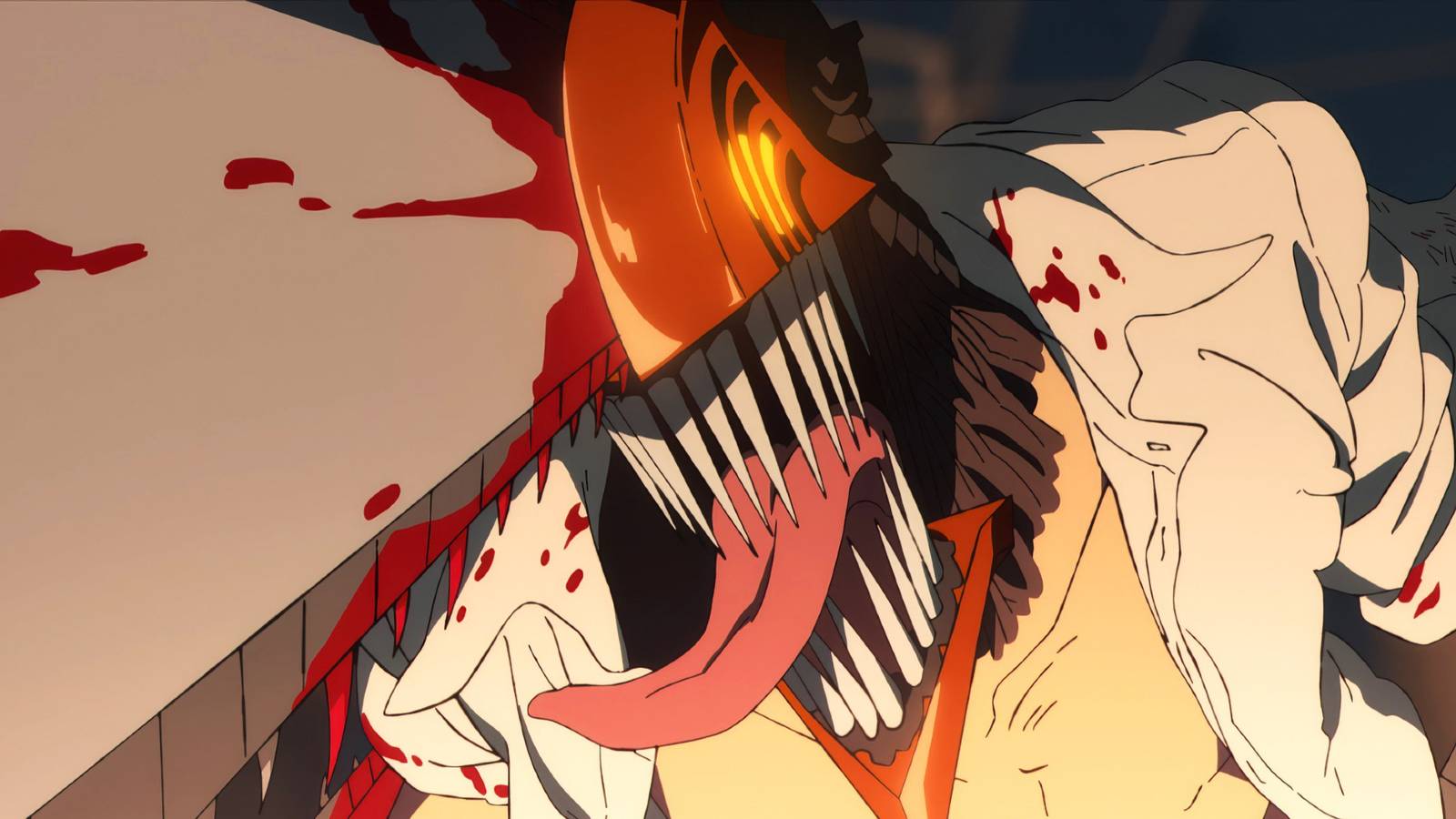
This film adaptation takes the already high-intensity Chainsaw Man series and elevates it into a tragic romance-thriller. The introduction of Reze—the Bomb Hybrid—and her subsequent clash with Denji provides some of the most spectacular, destructive, and emotionally painful sequences in modern anime history.
1. Perfect Blue (1997)
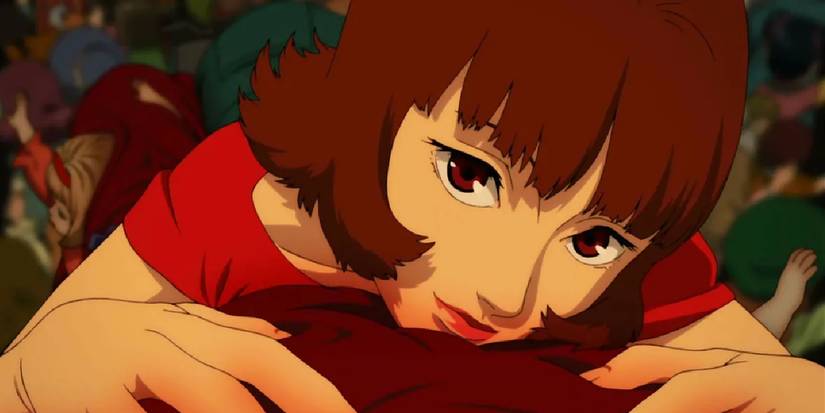
Occupying the top spot is Satoshi Kon’s directorial debut. Perfect Blue is a harrowing look at fame, stalking, and the fragmentation of identity. Its hallucinatory editing style makes the viewer feel just as lost and paranoid as its protagonist, Mima. Even decades later, its commentary on the intersection of media and mental health remains chillingly prescient.
3. Supporting Data and Industry Context
The production of these films often involves years of intensive labor. For instance, Redline’s seven-year development cycle is a rarity in an industry increasingly focused on rapid-fire, seasonal production.
Furthermore, the shift in how these films are distributed—moving from niche festival circuits to global theatrical releases—indicates a major shift in audience appetite. According to industry reports from 2025 and 2026, anime films consistently outperform local genre competitors in global box offices, specifically in the thriller and action categories. This trend is driven by the visual fidelity provided by high-end studios like Ufotable and Madhouse, which have set a new standard for what animated action can achieve.
4. Official Responses and Critical Reception
Critics have long lauded these titles for their ability to transcend the "cartoon" label. In recent years, major animation festivals have begun creating dedicated categories for "Genre-Defining Thrillers," acknowledging that films like Paprika and Perfect Blue occupy a space closer to Alfred Hitchcock than to Saturday morning animation.
Studio representatives have noted that the success of the Demon Slayer and Chainsaw Man projects has emboldened investors to greenlight more experimental projects. As one industry insider remarked, "The audience is no longer satisfied with simple narratives; they want the existential dread of Ghost in the Shell paired with the visual spectacle of modern digital compositing."
5. Implications for the Future of the Medium
The success of these thrillers implies a promising, albeit demanding, future for animators. As the bar for "visual excitement" rises, the industry faces the challenge of maintaining sustainable working conditions while meeting the astronomical expectations of fans.
The movement toward high-stakes, multi-part film adaptations—like the Infinity Castle trilogy—suggests that the future of anime lies in the "eventization" of story arcs. By focusing on shorter, higher-intensity projects, studios can focus their resources on creating a more immersive experience.
Ultimately, the anime thriller is a genre that thrives on the tension between the beautiful and the terrifying. Whether it is the cold, metallic streets of Ghost in the Shell or the vibrant, nightmarish dreamscapes of Paprika, these films remind us that animation is not merely a medium for escapism—it is a mirror held up to our own deepest anxieties and most exhilarating dreams. As we look toward the future, one thing is certain: the line between reality and the screen will only continue to blur.











No comments yet. Be the first to join the conversation!