

In the history of film criticism, few figures loomed as large as Roger Ebert. As the Pulitzer Prize-winning critic for the Chicago Sun-Times and a cultural institution via his television partnerships with Gene Siskel and Richard Roeper, Ebert’s "thumbs up/thumbs down" binary became the gold standard for cinematic appraisal. Yet, for all his influence, Ebert was fundamentally a human being who approached movies with a moral and emotional barometer. When faced with Tom Six’s 2009 body-horror nightmare, The Human Centipede (First Sequence), that barometer didn’t just flicker—it flatlined.
Ebert’s refusal to assign a star rating to The Human Centipede remains one of the most unique moments in the annals of modern criticism. It marked a rare instance where a film was deemed so fundamentally removed from the traditional metrics of "good" or "bad" that it existed in a moral vacuum where the usual criteria of pacing, acting, and cinematography felt irrelevant.
The Anatomy of an Abomination: Main Facts
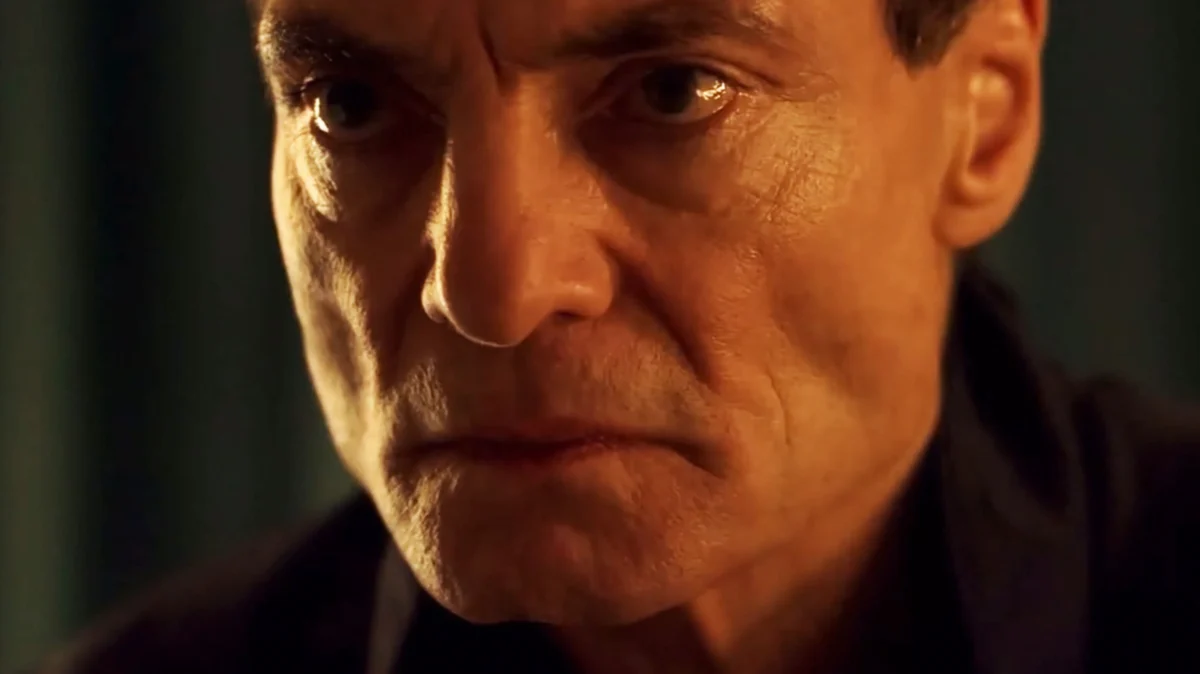
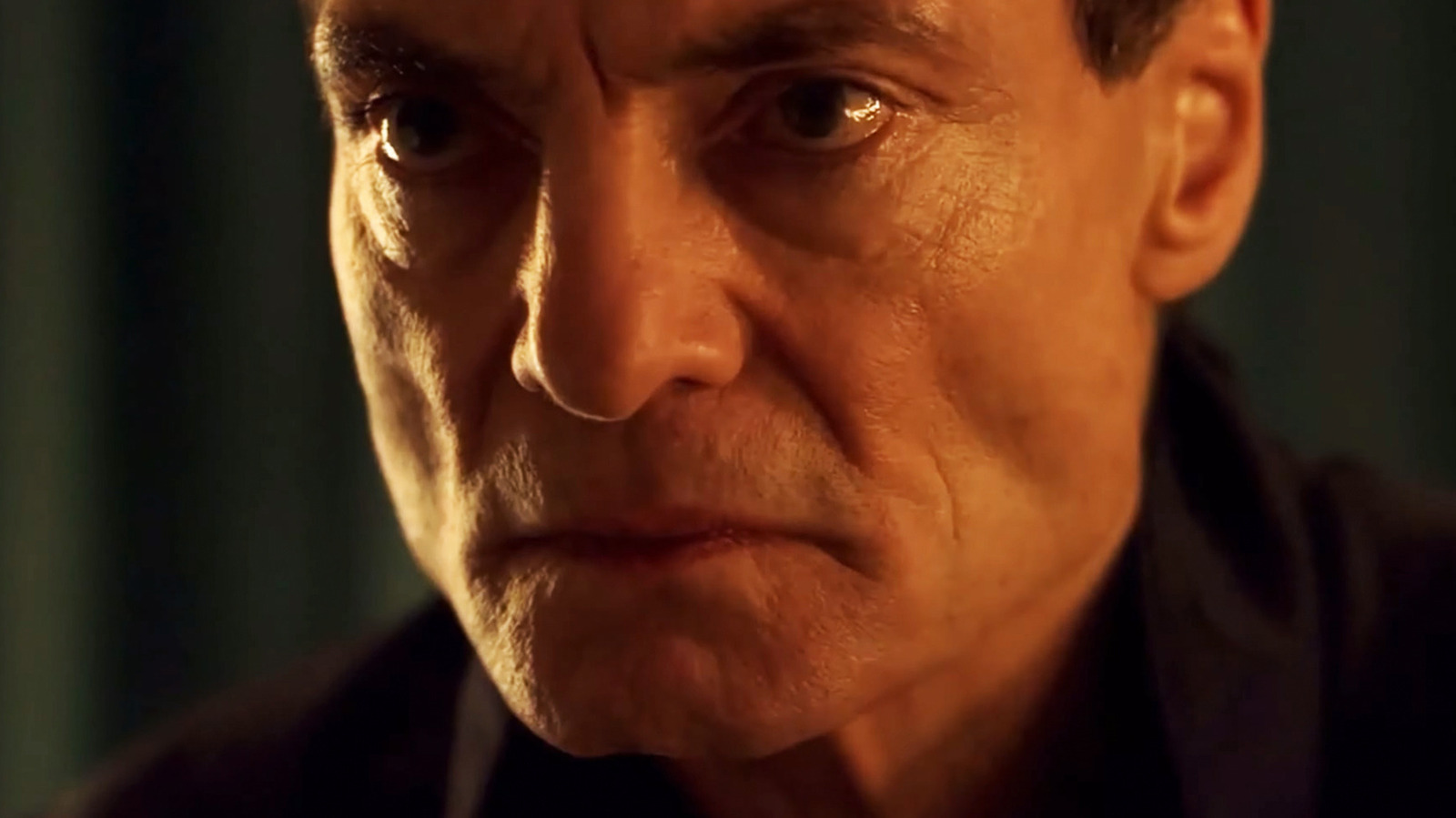
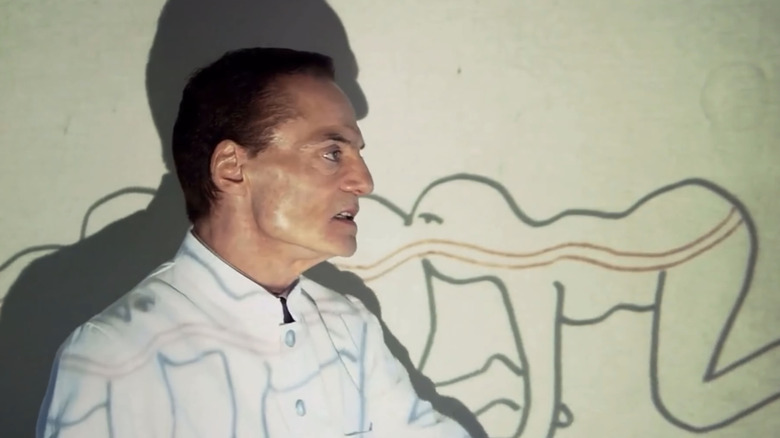
The Human Centipede (First Sequence) introduced audiences to the grotesque vision of Dutch director Tom Six. The plot is simple, clinical, and deeply disturbing: Dr. Josef Heiter (played by Dieter Laser), a retired surgeon, kidnaps three tourists with the intention of creating a "human centipede" by surgically attaching their digestive systems together.
The film is not merely a "slasher" movie in the traditional sense; it is a clinical exercise in body horror. It relies on a sterile, white-tiled aesthetic that emphasizes the cold, scientific cruelty of the antagonist. When Roger Ebert sat down to review the film, he did not treat it as a standard piece of entertainment. He treated it as a sociological event. His opening line was blunt: "No horror film I’ve seen inflicts more terrible things on its victims than The Human Centipede."
Ebert concluded his review with a declaration that stunned his readership: "I am required to award stars to movies I review. This time, I refuse to do it. The star rating system is unsuited to this film. Is the movie good? Is it bad? Does it matter? It is what it is and occupies a world where the stars don’t shine."
A History of Non-Ratings: The Precedents
While the Human Centipede incident is the most famous example of an "unrated" review, it was not the first time Ebert sidestepped his own grading system. Throughout his decades-long career, he navigated a complex relationship with the four-star scale.
In 2012, shortly before his death, Ebert famously remarked, "I curse the Satanic force that dreamed up the four-star scale." Despite his disdain for the constraints of the system, he was tethered to it by his publishers and the expectations of his audience. However, there were exceptions to the rule:
- Conflicts of Interest: Ebert famously declined to rate Beyond the Valley of the Dolls (1970) because he had written the screenplay himself. It was a matter of professional integrity; one cannot objectively judge a work they helped architect.
- The "Object" Status: When reviewing John Waters’ Pink Flamingos (1972) in a 1997 retrospective, Ebert argued that the film should not be viewed as a traditional narrative, but rather as an "object" or a "fact." While he eventually assigned it a "thumbs down" on his website, his written analysis treated it as a piece of performance art designed specifically to offend.
- The Ambiguous Vault: Other films, such as the adult features Deep Throat and Behind the Green Door, appear without star ratings in the digital archives of his work. Whether these were original omissions or digital artifacts of the transition from print to web remains a subject of debate among film historians.
The Horror of the "Unrateable"
What made The Human Centipede different from Pink Flamingos or other exploitation films in Ebert’s eyes? The answer lies in the nature of the horror. While Pink Flamingos was a transgressive, satirical, and darkly comedic assault on good taste, The Human Centipede was presented with a chilling, straight-faced sincerity.
The film operates on a level of "abject bleakness." Ebert noted that the film’s third-act escape attempt was so "piteous" that it transcended the typical thrills of horror and veered into pure, unadulterated tragedy. By removing the star rating, Ebert was making a statement: he was refusing to validate the film’s existence by placing it on the same scale as a Pixar movie or a Scorsese drama. By placing it in a "world where the stars don’t shine," he was effectively excommunicating the film from the canon of traditional cinema.
Implications: The Legacy of the Review
Ebert’s reaction to The Human Centipede highlights the tension between art, exploitation, and the critic’s responsibility. Even while condemning the film’s content, Ebert acknowledged Tom Six’s technical proficiency. He noted that "within Six, there stirs the soul of a dark artist."
This nuance is crucial. It differentiates Ebert from a moral crusader; he was a critic who recognized intent. He understood that the movie was not a "bad" movie in the technical sense—it was well-lit, well-acted by Dieter Laser, and effectively directed. It was "good" at being what it set out to be. The issue was that what it set out to be was so fundamentally repulsive that the critic could not in good conscience grant it a "star"—a symbol of recommendation or merit.
This review sparked a massive debate regarding the ethics of horror. If a movie is technically well-made but morally repugnant, how should it be evaluated? Ebert’s answer was to step outside the system entirely. He forced the audience to confront the reality that some films are not made for "viewing," but for "enduring."
The Franchise and the Future
Following the success of the first film, director Tom Six leaned into the notoriety. The sequel, The Human Centipede 2 (Full Sequence), was significantly more graphic, shot in black-and-white, and meta-textual, featuring a protagonist who is obsessed with the first film. The sequel was so extreme that it faced bans and severe censorship in the United Kingdom.
Ebert, having passed away in 2013, never reviewed the second or third entries in the franchise. One can only imagine his reaction to the third installment, The Human Centipede 3 (Final Sequence), which shifted into the realm of self-parody and political satire. Given that his primary objection to the first film was its sheer, uncompromising bleakness, it is likely he would have found the later entries even more confounding, albeit for different reasons.
Conclusion: The Critic as a Moral Compass
Roger Ebert’s decision to leave The Human Centipede unrated serves as a reminder that criticism is not just about technical breakdown; it is an engagement between the work and the viewer’s conscience. While he was responsible for helping shape the modern binary of "Rotten" versus "Fresh"—a system he ironically grew to loathe—his refusal to rate The Human Centipede proves that he remained a critic who valued the subjective human experience over the data-driven systems of the digital age.
In an era where every piece of media is quantified, ranked, and aggregated, Ebert’s "unrateable" status for The Human Centipede stands as a final, defiant act of intellectual independence. It remains a testament to the idea that some artistic expressions exist outside the conventional bounds of appreciation, serving as dark mirrors that reflect the limits of human endurance and the complexities of the cinematic form.











No comments yet. Be the first to join the conversation!