By Editorial Staff
The development of Star Wars Eclipse, one of the most anticipated titles in the gaming industry, has once again been thrust into the spotlight—not for a gameplay reveal or a cinematic trailer, but for a mounting internal crisis at Quantic Dream. Following a week of localized strike actions and vocal dissent from staff, the Paris-based developer has issued a formal statement, asserting that the project remains on track and fully resourced. However, the disconnect between management’s official stance and the lived reality of its workforce suggests a deepening fracture within the studio.
The Core Conflict: Management vs. Workforce
The current tension centers on the closure of Spellcasters Chronicles, a smaller project within Quantic Dream that was recently shuttered. The decision to terminate the project led to a wave of layoffs, triggering an immediate backlash from the studio’s remaining staff.
Developers who participated in last week’s organized strike action argue that the studio’s management is prioritizing bottom-line efficiency over the health and viability of its flagship project. According to the striking employees, the closure of Spellcasters Chronicles was an opportunity to bolster the development team for Star Wars Eclipse. Instead, they claim, management opted to lay off staff rather than reallocate them, leaving the Star Wars title severely under-manned.
The core of the dispute is simple: The workers claim the project is critically under-resourced and facing a potential risk of cancellation or catastrophic delay, while the studio leadership insists that the project’s roadmap is unaffected by recent restructuring.
Chronology of a Troubled Development
To understand the gravity of the current situation, one must look back at the project’s inception and the hurdles it has faced since its public unveiling.
2021: The Grand Announcement
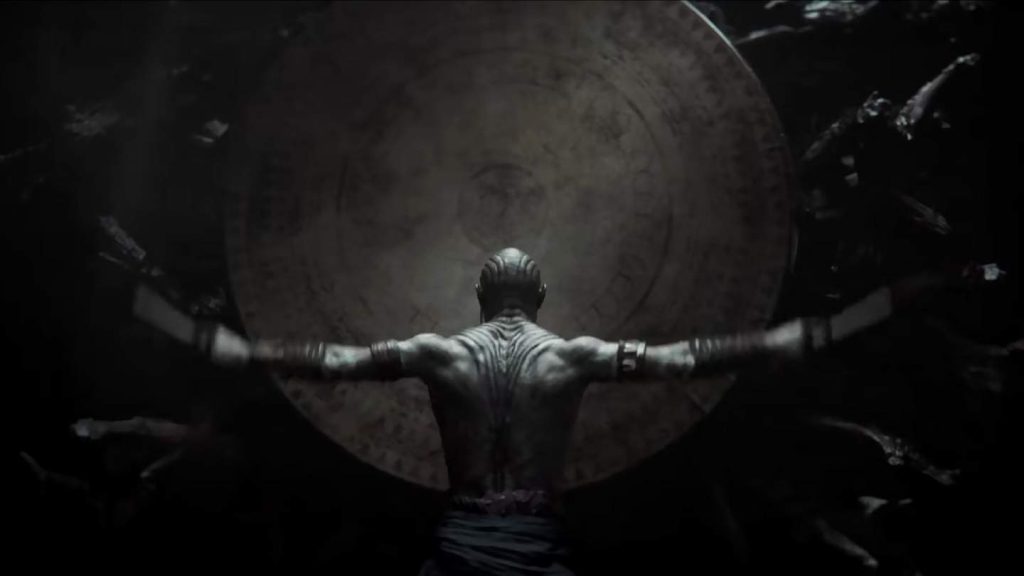
Star Wars Eclipse was officially revealed during The Game Awards in December 2021. The announcement trailer promised a high-fidelity, narrative-driven experience set in the High Republic era of the Star Wars universe. For fans of the franchise, it was a massive moment; for Quantic Dream, it was a pivot toward the most lucrative intellectual property in pop culture.
2022–2023: Reports of Technical Struggles
Shortly after the announcement, rumors began to circulate regarding the studio’s technical capability. Reports emerged suggesting that Quantic Dream’s proprietary game engine, historically designed for intimate, character-driven dramas like Detroit: Become Human, was struggling to handle the scale, scope, and multiplayer ambitions required for an open-world-style Star Wars game.
2024: Internal Restructuring
As the industry faced a broader downturn, Quantic Dream began to pivot its internal resources. While the company publicly maintained a "business as usual" outlook, the reality behind closed doors saw the cancellation of several smaller initiatives, including Spellcasters Chronicles.
2025: The Breaking Point
The frustration finally boiled over last week. With developers openly voicing concerns that the project was being neglected, the strike action marked the first time that internal dissent at Quantic Dream became a public matter of record. The staff’s primary argument is that the project has grown too large for the current team to manage, and that the loss of institutional knowledge from the Spellcasters team is a blow the studio cannot afford.
Official Responses and Corporate Messaging
In an effort to stabilize public perception, Quantic Dream issued a statement to industry outlet IGN. The communication was measured, clinical, and designed to project absolute confidence.
"The decision to close Spellcasters Chronicles was a result of challenging market conditions," a company spokesperson stated. "However, Star Wars Eclipse remains entirely unaffected. The project has the full commitment of its team and all the necessary resources to complete its mission."
The studio declined to comment on the specific grievances regarding under-staffing, instead focusing its message on the support provided to employees affected by the restructuring. This "no comment" approach, while standard in corporate crisis management, has done little to assuage the fears of observers and the workers themselves. The company’s insistence that the game is "on track" serves as a direct rebuttal to the employees who claim they are struggling to maintain the development pipeline.
Implications for ‘Star Wars Eclipse’ and the Industry
The implications of this standoff extend far beyond a single title. If Star Wars Eclipse is indeed suffering from a lack of resources, its eventual release—if it happens—could be marred by performance issues, a thin narrative, or a development cycle that has stretched well beyond the industry standard.
The Five-Year Void
It has been roughly five years since the game was first teased. In the fast-moving world of AAA gaming, a five-year gap without a public demonstration is an eternity. For many, the lack of a gameplay showcase is the loudest indicator that the project is in "development hell." While some might argue that developers are being cautious to avoid the pitfalls of early reveals, others—including analysts—view the radio silence as a sign of deep-seated organizational dysfunction.
The "Crunch" and Resource Allocation
The struggle at Quantic Dream reflects a larger trend in the gaming industry: the tension between creative ambition and fiscal austerity. As budgets for AAA games balloon to hundreds of millions of dollars, publishers are becoming increasingly risk-averse. When a project hits a snag, the instinct is often to trim staff or pivot, even if that compromises the quality of the end product.
For Star Wars Eclipse, this means the project is being caught in the crossfire of a studio trying to balance the massive expectations of the Star Wars license with the cold, hard realities of a tightening market.
Analyzing the Stakeholders
The Fans
For the Star Wars community, the uncertainty is frustrating. Fans have been promised a revolutionary experience that moves beyond the established Skywalker saga. Every news cycle that centers on labor disputes rather than game features dampens excitement and creates a narrative of failure before the game even launches.
The Workforce
The developers are the most vulnerable stakeholders. By taking strike action, they are risking their professional reputations and job security to sound the alarm. Their persistence suggests that they are not merely disgruntled, but genuinely worried that the project will collapse under the weight of its own mismanagement.
The Studio Leadership
Quantic Dream’s management faces a precarious path. They must protect the reputation of the studio to ensure that future investors and partners (specifically Disney/Lucasfilm) maintain confidence in their ability to deliver. However, by ignoring the pleas of their workforce, they risk a "brain drain" where the most talented developers leave for more stable studios, further handicapping the project.
Conclusion: A Future in Doubt
As we look toward the potential release window of Star Wars Eclipse, the path forward remains murky. Quantic Dream has firmly planted its flag, declaring that all is well. But history has shown that when the workforce and the executive suite tell two vastly different stories about the health of a project, the truth is usually found in the middle—and it is rarely positive.
If the studio truly has the "necessary resources," they have yet to prove it to their own employees, let alone the public. Until a tangible, high-quality demonstration of gameplay is provided, the whispers of cancellation will persist. For now, Star Wars Eclipse remains a ghost in the machine—a high-concept vision struggling to manifest in a reality defined by labor disputes, corporate retrenchment, and the relentless pressure of the gaming industry.
The world of Star Wars is built on the triumph of the underdog against the machinery of the empire. It is a cruel irony that the developers creating the next chapter of this saga find themselves in a similar struggle against the machinery of their own studio. Whether they can overcome these hurdles to deliver the game fans deserve remains the most important question in the gaming landscape today.