


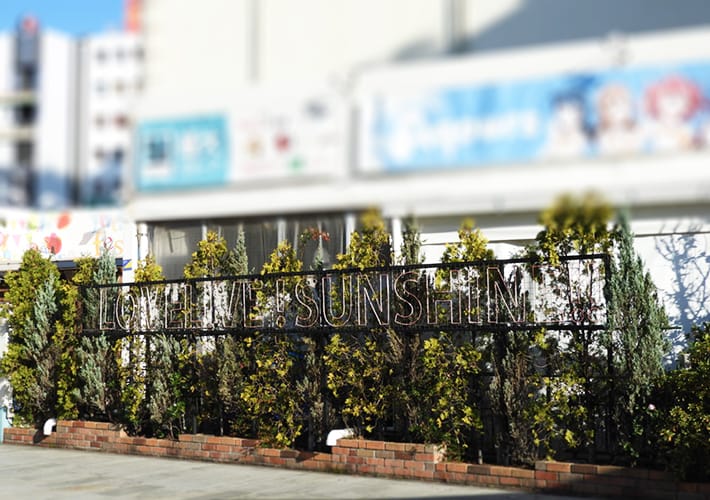
In the landscape of modern Japanese tourism, the concept of "seichi junrei"—or anime pilgrimages—has evolved from a niche hobby into a robust economic engine. Few places exemplify this symbiotic relationship between fiction and geography as effectively as Numazu, a scenic coastal city in Shizuoka Prefecture. Since the 2016 debut of LoveLive! Sunshine!!, the city has undergone a profound metamorphosis, shifting from a quiet regional hub to a vibrant nexus for thousands of international fans, known colloquially as "LoveLivers."
This multimedia project, a spin-off of the juggernaut Love Live! franchise, follows a group of high school students who form an idol unit, "Aqours," in a desperate, heartfelt bid to prevent their school, Uranohoshi Girls’ Academy, from shutting down. By utilizing the real-world vistas of the Uchiura and Numazu coastline, the series transformed the city’s natural beauty into a living stage. Seven years later, the project continues to thrive, proving that when a community embraces its fictional representation, the results can be both economically lucrative and socially enriching.
A Chronology of Collaboration
The timeline of Numazu’s anime-driven growth is one of steady, organic expansion. The television anime series premiered in 2016, with a second season following in 2017. These broadcasts served as the initial catalyst, sparking an immediate, curiosity-driven influx of visitors eager to see the real-world locations behind the animation.

By 2017, the city had already begun formalizing its infrastructure for fans, introducing official maps, themed tours, and collaborative retail initiatives. Unlike many other pilgrimage sites that experience a "boom and bust" cycle, Numazu’s popularity proved remarkably resilient. Even during the restrictive years of the COVID-19 pandemic, interest remained high, evidenced by a surge in digital engagement and a steadfast desire among fans to return to the coast. With the 2023 release of the spin-off series Yohane of the Parhelion: Sunshine in the Mirror, which reimagines the city in a fantasy setting, the "Numazu brand" has once again been revitalized, drawing a new generation of enthusiasts to the Shizuoka coast.
The Pillars of the Pilgrimage: Local Businesses as Anchors
The success of the Numazu model lies in the active, enthusiastic participation of its local proprietors. These businesses have transcended the role of mere service providers, becoming integral components of the fandom itself.
Tsuji Photo Studio: A Bridge Between Memories
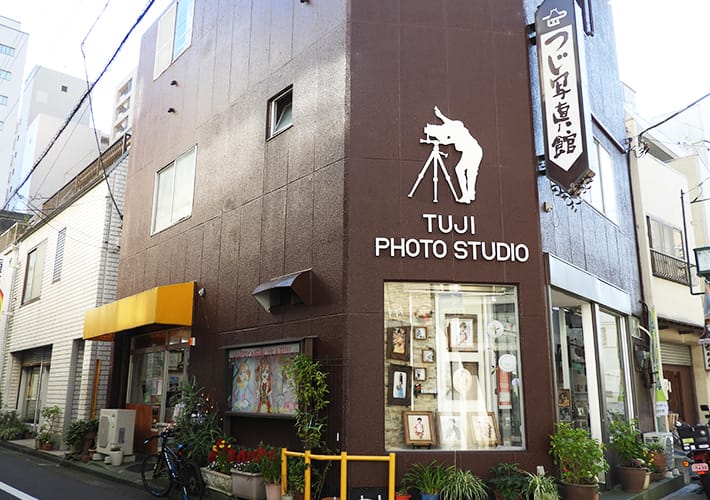
Tomomi Mine of the historic Tsuji Photo Studio represents the heart of the community’s engagement. When she recognized the city’s landmarks appearing on screen, she took it upon herself to facilitate the fans’ experience. By placing a blackboard outside her studio to display local event information and, eventually, fan-contributed art, she created a communal space for enthusiasts.
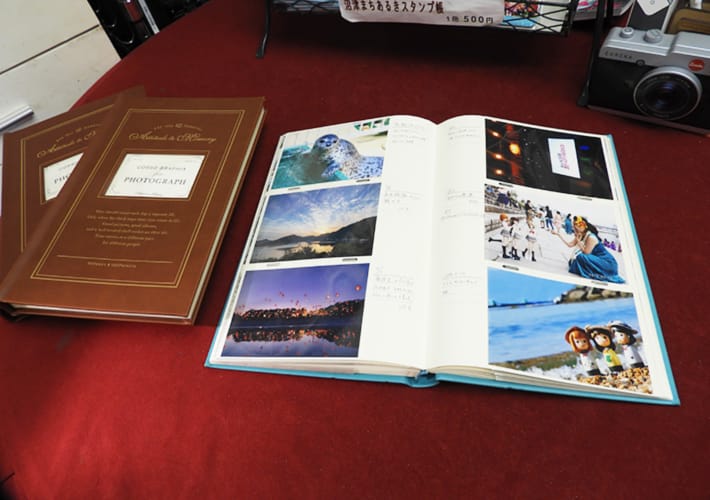
"The albums serve as a bridge between the past and the future," Mine explains, referring to the physical collections of fan photos housed in her shop. By allowing visitors to document their travels and share them with those who come after, the studio has become a cultural touchstone. Its significance was officially cemented in 2019 when the studio was featured in the opening sequence of Love Live! Sunshine!! The School Idol Movie: Over the Rainbow.
Shougetsu: The Confectionery of Choice
In the Uchiura area, the confectionery shop Shougetsu serves as another critical pilgrimage site. Featured prominently in the series, the shop saw an immediate uptick in patronage following its on-screen appearance. Owner Kiminobu Segawa notes that while the shop initially benefited from the novelty of the series, it has sustained that growth through genuine hospitality. By creating limited-edition sweets inspired by the Aqours characters and providing a space for fans to display their own merchandise, Shougetsu transformed into a meeting point for travelers from across Japan and the globe.
Official Governance and Civic Integration
The integration of LoveLive! Sunshine!! into the city’s identity has not been accidental; it has been supported by local governance. Numazu City Councilman Ryuo Ozawa has been a vocal proponent of this synergy. According to Ozawa, the impact on the local economy has been overwhelmingly positive, with businesses across the city reporting consistent revenue increases directly tied to the anime’s presence.
While minor challenges—such as the occasional defacement of city property or boundary-pushing interactions with local schools—have occurred, Ozawa maintains that these are negligible compared to the broader, positive impact. He observes that the anime has brought the community together across generations. It is not uncommon to see elderly residents taking an interest in the series, nor is it unusual to see high-ranking city officials, including the Mayor, publicly championing the series and supporting the voice actors during major events. This top-down support has legitimized the pilgrimage, ensuring that fans feel welcomed rather than viewed as a nuisance.
Unexpected Intersections: Faith and Fandom
Perhaps the most intriguing development in the Numazu pilgrimage is the intersection of pop culture and religious institutions. The Numazu St. John’s Anglican Church has found itself an accidental participant in the phenomenon due to the series’ naming conventions. The character Yoshiko Tsushima, who adopts the persona of "Yohane" (the Japanese name for John the Apostle), has brought many fans to the church’s doorstep.
Father Paul Masato Kubota, the resident priest, has navigated this intersection with grace. Recognizing the potential to connect with younger congregants, Father Kubota has occasionally utilized themes from the anime to illustrate moral lessons or to make religious activities more relatable to children. Rather than viewing the "fallen angel" imagery of the show as a conflict, he views it as a bridge to community outreach. His approach highlights a crucial aspect of the Numazu phenomenon: the ability to integrate fictional narratives into the actual, lived reality of the city.
Implications: A Model for Future Tourism
The Numazu experience offers several key takeaways for urban planners and tourism boards looking to capitalize on media-driven interest:
- Mutual Benefit: The most successful sites are those where the community actively supports the fans, and the fans, in turn, respect the community. It is a relationship of reciprocity, not extraction.
- Sustainability through Engagement: By hosting regular events and encouraging businesses to create their own unique "fandom experiences" (such as the blackboard at Tsuji Photo Studio), the city keeps the narrative alive long after the original broadcast concludes.
- Cross-Generational Appeal: The anime has acted as a unifying force, bridging the gap between local seniors and young visitors from metropolitan centers like Tokyo.
- Resilience: Even in the face of global crises like the pandemic, the strength of the community-fan bond ensured that the city remained relevant and supported by its digital, and eventually physical, audience.
As Numazu looks toward the future, the integration of new projects like Yohane of the Parhelion suggests that the city’s identity is no longer just "a city in Shizuoka," but rather a dynamic, evolving space where the real and the imagined coexist. For those seeking to understand how a small, coastal Japanese town successfully reinvented itself, Numazu stands as a testament to the power of storytelling—and the deep, lasting connections that can be formed when a community invites the world to step inside its favorite story.












No comments yet. Be the first to join the conversation!