

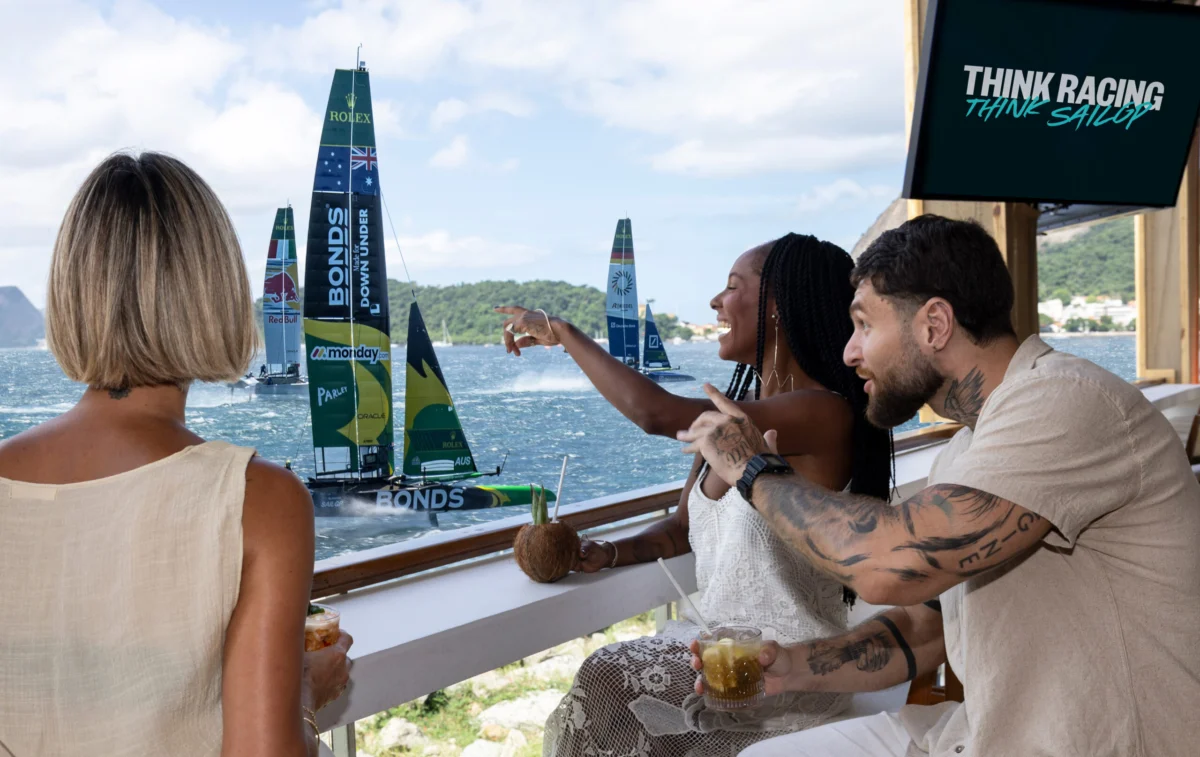
In an era defined by digital fragmentation and the infinite scroll, a profound shift is occurring in the way consumers interact with the world around them. The promise of “anytime, anywhere” content—once the holy grail of digital marketing—has inadvertently birthed a paradox: the more accessible media becomes, the less it seems to satisfy the human craving for authentic, communal connection.
As we navigate this hyper-digital landscape, we are witnessing a global renaissance of the live experience. Whether it is the surge in sporting attendance that has eclipsed pre-pandemic levels or the transformation of retail spaces into immersive, cultural universes, the mandate for brands is clear: in a world where everything can be delayed, the “live” moment has become the most valuable currency in the attention economy.
The Death of Passive Consumption: The Rise of the Participant
For decades, the marketing playbook was built on the foundation of scale and reach. If you could place your brand in front of enough eyes, success was inevitable. However, as the digital ecosystem grows increasingly cluttered, the efficacy of passive consumption is waning. Consumers are no longer content to be spectators; they are demanding to be participants.
This shift is rooted in the psychology of "FOMO" (Fear Of Missing Out). In a time where content is commoditized and on-demand, the physical, real-time experience carries a weight of exclusivity and urgency that digital media cannot replicate. When a consumer chooses to spend their time at a live event, they are not just consuming a service; they are investing in a story.
Chronology of a Shift: From Transactions to Transformations
The trajectory toward this "Experience Economy" did not happen overnight. To understand where we are, one must look at the evolution of consumer engagement over the last decade:
- The Digital Awakening (2010–2018): Brands focused heavily on building digital footprints. The goal was to migrate customers from physical stores to mobile apps and e-commerce platforms. Efficiency and "frictionless" transactions were the primary KPIs.
- The Post-Pandemic Correction (2021–2023): After years of isolation and Zoom-based interaction, the pendulum swung violently toward the physical. We saw an immediate surge in "revenge spending" on travel, concerts, and live sports. The value shifted from convenience to presence.
- The Era of Intentionality (2024–Present): Consumers have become highly discerning. They are now filtering their engagement through a lens of cultural relevance. It is no longer enough to offer a product; brands must offer a "world" that a consumer wants to inhabit.
Supporting Data: The Fandom Metric
The evidence for this shift is most visible in the world of professional sports. Despite the ability to stream any game in 4K resolution, global sporting attendance has surpassed pre-pandemic demand. This is not a coincidence; it is a rejection of the digital surrogate.
At events like The Masters, the spectacle is no longer just about the sport. Fans are not traveling to Augusta merely to watch golf; they are traveling to participate in a ritual. The immaculate course, the specific etiquette, and the historic atmosphere of the green-jacket ceremony create a cultural gravity that extends far beyond the athletic performance.
Luxury brands have mirrored this behavior. Labels like Ralph Lauren, Dior, and Rhode are abandoning the traditional “retail storefront” model in favor of temporary, experiential installations. These pop-ups function less like points of sale and more like galleries or social hubs, proving that when a brand treats its customers as members of a community rather than targets of a transaction, loyalty deepens exponentially.
The Human Element: Why AI Cannot Replace Atmosphere
As we integrate Artificial Intelligence into our marketing tech stacks, a common fear arises: will technology strip away the human touch? The reality is that technology—when applied correctly—actually enhances the human experience by removing friction.
AI can personalize itineraries, anticipate physical needs, and streamline entry processes. However, the core of the experience remains profoundly analog. The "magic" of a live event—the smell of the grass, the roar of the crowd, the unexpected interaction with a fellow fan, and the shared emotional arc of a victory or loss—cannot be automated. These are the moments that create lasting memories, and as David Ogilvy famously noted, “If you can’t be brilliant, at least be memorable.”
Implications for CMOs: Designing for Belonging
For Chief Marketing Officers, this transition presents both a significant opportunity and a daunting challenge. The mandate is to move away from short-term optimization and toward long-term brand equity.
The Shift in Strategy
- Resonance Over Reach: Stop chasing the largest audience and start chasing the deepest connection. A smaller group of hyper-engaged fans is more valuable than a mass audience that is indifferent.
- Investment in Creativity: Organizations that win the next decade will be those that invest heavily in design, storytelling, and hospitality. Creativity is the R&D of the experience economy.
- Designing for Belonging: Brands must move beyond designing for “attendance” (getting people in the door) and start designing for “belonging” (giving people a reason to stay and return).
The Courage to Innovate
This strategy requires organizational courage. It is far easier to measure the ROI of a digital banner ad than it is to measure the long-term impact of a pop-up experience or a community-driven event. However, those who choose to prioritize meaning will reap the rewards of advocacy. Fans do not just want a seat; they want a story. They will choose the brands that make them feel something over the brands that simply show them something.
Case Study in Evolution: SailGP and the Waterfront Culture
A contemporary example of this philosophy in action is the approach taken by SailGP. As they prepare to host the Mubadala New York Sail Grand Prix, they are unveiling the “VELA Prive” hospitality experience. This initiative is a textbook example of blending sport, style, and entertainment into a cohesive "beach club" concept.
By bringing fans closer to the racing action and wrapping it in high-end hospitality, they are moving away from the "grandstand" mentality. They are creating a waterfront culture where the race is merely the anchor for a larger social and sensory experience. This is the future of sports marketing: the removal of barriers between the fan and the action, replacing them with a curated, immersive environment.
Conclusion: The Currency of Memory
As we look toward the future—including industry-defining gatherings like Cannes Lions—it is clear that the most successful brands will be those that master the art of the live experience. The digital world provides the information, but the physical world provides the inspiration.
In a modern era defined by fleeting attention, the most sustainable competitive advantage is the ability to create memories. When a brand provides an experience that is intentional, entertaining, and deeply human, they stop being a commodity and start becoming a part of the consumer’s identity. The challenge for the modern marketer is not just to sell a product, but to host an experience worth returning to, belonging to, and—most importantly—championing to others.
The future of fandom is here, and it is built on the moments that stay with us long after the lights go down.










No comments yet. Be the first to join the conversation!