Jia Lissa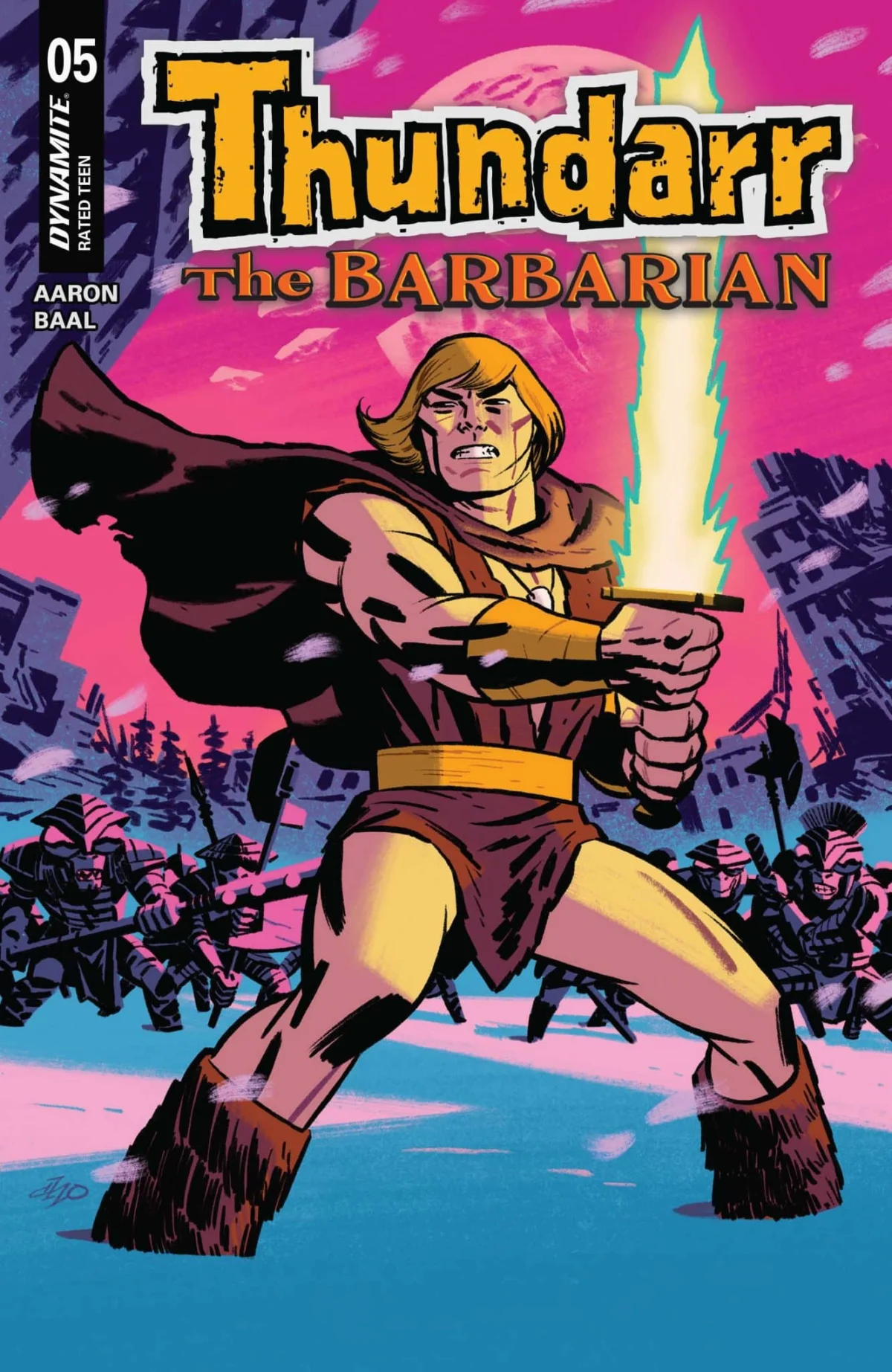
The post-apocalyptic landscape of the cult-classic animated series Thundarr the Barbarian has found a vibrant second life in the world of comic books. As Dynamite Entertainment continues its critically acclaimed run, fans are bracing for the release of issue #5, a pivotal installment that promises to bridge the gap between the show’s retro charm and the high-stakes, modern storytelling of superstar writer Jason Aaron.
Set for release on June 16, 2026, Thundarr the Barbarian #5 represents more than just another chapter in a monthly series; it serves as a narrative nexus point, throwing the iconic heroes—Thundarr, Princess Ariel, and Ookla the Mok—into the chaotic timeline of 1994. By blending the surreal science-fantasy of the original series with a grounded, gritty aesthetic, the creative team is pushing the boundaries of what a franchise reboot can achieve in the current comic book market.
Main Facts: A New Era for a Classic Property
Thundarr the Barbarian #5 arrives with significant anticipation, backed by a powerhouse creative team. Jason Aaron, renowned for his definitive runs on Thor, Wolverine, and The Avengers, has taken the reins of the franchise, injecting it with a sense of scale and stakes that the original Saturday morning cartoon could only hint at. Joining him is artist Kewber Baal, whose previous work on titles like Vampirella: Armageddon and Elvira demonstrates his mastery of both dynamic action and atmospheric, otherworldly environments.
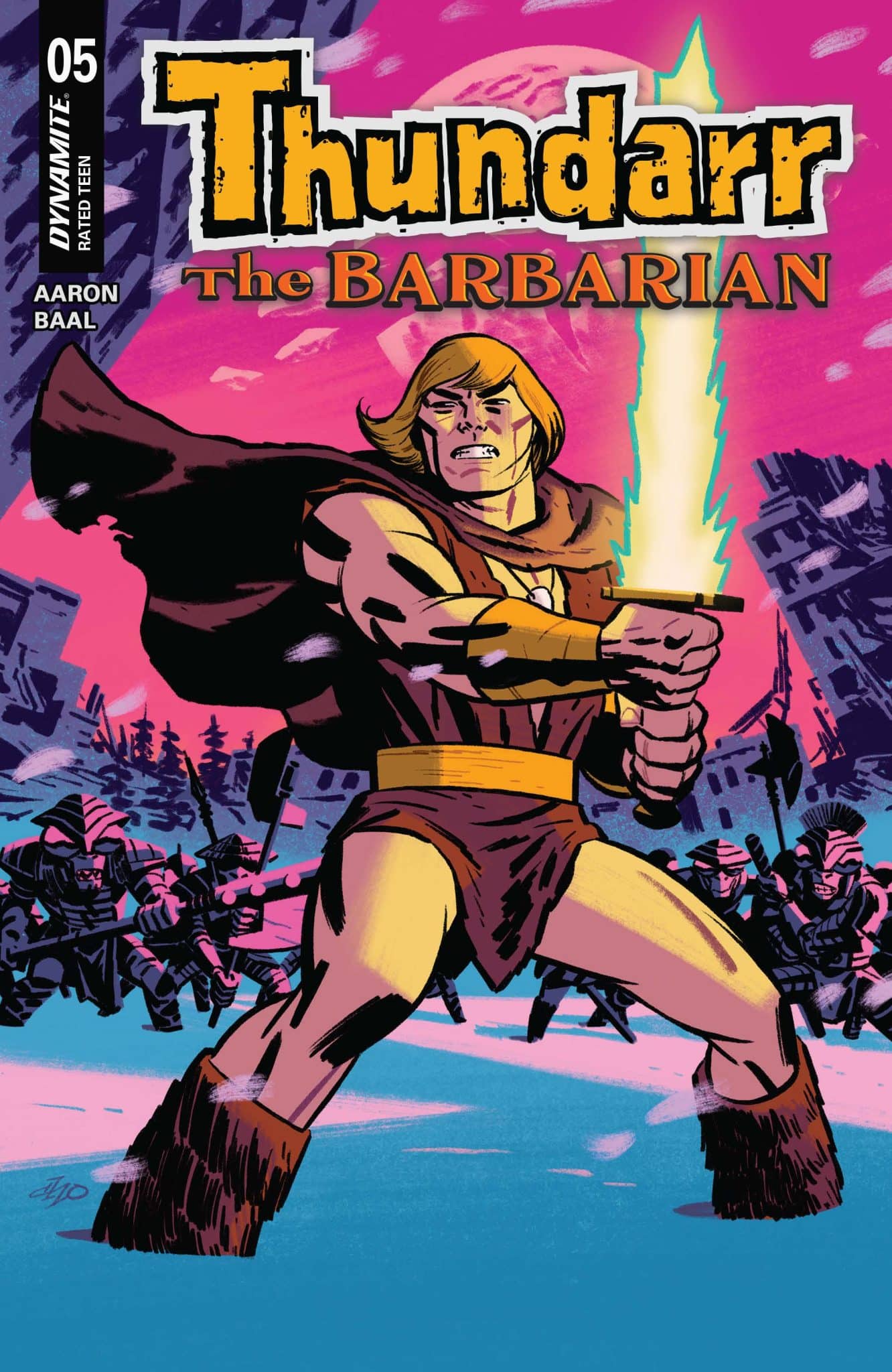
The issue is a 32-page, full-color exploration of the series’ core conflict: the battle against the Council of Wizards. Priced at $4.99 and rated for "Teen" audiences, the book is designed to appeal to both the nostalgic demographic that grew up with the 1980s cartoon and a new generation of readers who appreciate high-concept science fiction. A standout feature of this issue is its collection of variant covers, providing a visual feast with contributions from industry titans Michael Cho, Francesco Mattina, Bjorn Barends, and Joseph Michael Linsner.

Chronology: The Journey to 1994
The plot of issue #5 marks a drastic departure from the typical "monster-of-the-week" structure that defined the original Ruby-Spears animation. In this installment, the heroes’ quest leads them on a temporal journey.
The narrative shifts from the desolate, magic-warped ruins of the future back to 1994. This decision is a clever meta-narrative wink to the audience; 1994 was a year of profound transition for the comic book industry and pop culture at large. By placing Thundarr—a character forged in the fires of a post-apocalyptic future—into the mid-90s, the creative team explores the dissonance between the technological optimism of that era and the dark, inevitable ruin that follows in the Thundarr timeline.

This temporal shift is not merely a gimmick. It is presented as a tactical necessity for the characters. To defeat the Council of Wizards, who have dominated the future with their occult mastery and advanced science, the heroes must investigate the origins of the world’s decline. The "future is now" marketing slogan underscores the urgency of this mission, suggesting that the fate of the post-apocalyptic world hinges on how they navigate the history of the 20th century.
Supporting Data: The Creative Engine
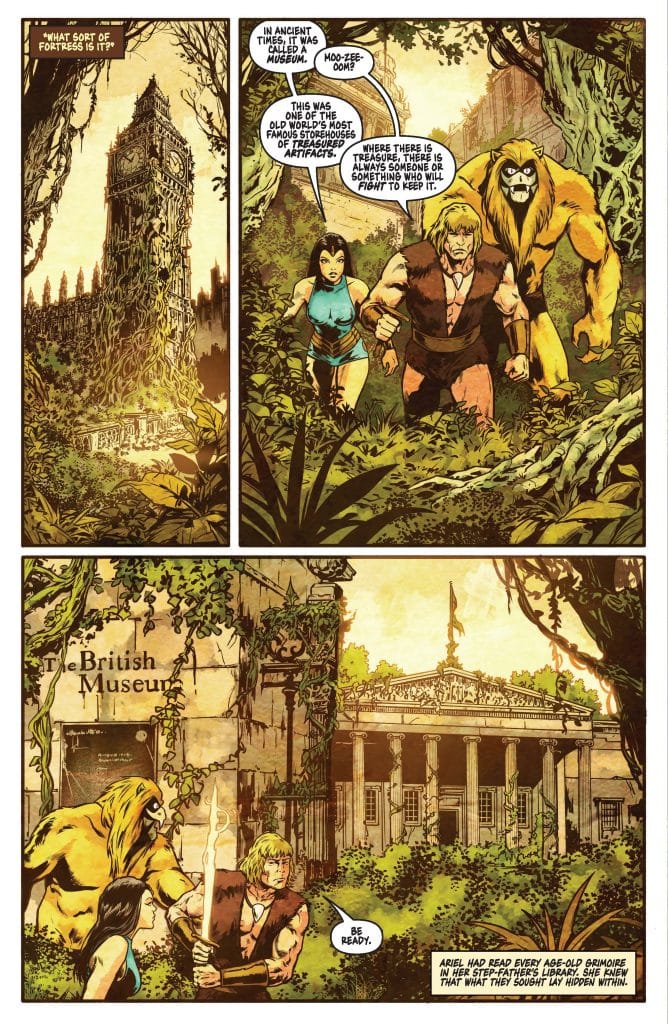
The success of Thundarr the Barbarian #5 relies heavily on the synergy between the script and the visual presentation. Kewber Baal’s pencils in the preview pages showcase a refined balance between the pulp-inspired aesthetic of the 1980s and modern comic book paneling.

The Visual Landscape
The artwork manages to capture the essential character designs—Thundarr’s iconic Sunsword, Ariel’s magical prowess, and Ookla’s brute strength—while updating them with modern shading and kinetic energy. The use of all-cardstock covers for all variants is a premium choice by Dynamite Entertainment, ensuring that the work of artists like Michael Cho and Bjorn Barends is presented with the highest production quality.
Technical Specifications
- Format: 32-page, Full Color
- Retail Price: $4.99
- Genre: Science Fiction / Fantasy
- Target Audience: Teen (13+)
- Publisher: Dynamite Entertainment
- Creative Team: Jason Aaron (Writer), Kewber Baal (Artist)
The decision to feature four distinct variant covers (A through D) also signals the publisher’s commitment to the collector’s market. With artists of such high caliber involved, the book is positioned as both a readable story and a high-value collectible.

Official Responses and Editorial Vision
While the publishing industry has been notoriously difficult to navigate in recent years, Dynamite Entertainment’s strategy for the Thundarr license has been lauded for its balance of respect for the source material and bold narrative risk-taking.
Jason Aaron has spoken previously about the "mythic" potential of Thundarr, noting that the character serves as an archetype for the sword-and-sorcery genre. By stripping away the constraints of early 80s television censorship, Aaron has been able to lean into the inherent violence and dark wonder of the series. The editorial direction for issue #5 suggests that the team is not interested in merely "rebooting" a show; they are interested in building a lasting fantasy epic that holds its own alongside modern heavyweights.
The inclusion of Kewber Baal on art duties was a deliberate choice by the editorial staff. Baal’s ability to render the grotesque—demonstrated through his work on Elvira—is essential for capturing the twisted, magic-corrupted mutants and wizards that inhabit the world of Thundarr.
Implications: The Future of the Franchise
What does the success of Thundarr the Barbarian #5 mean for the broader landscape of intellectual property revivals?

The Power of Nostalgia
The comic book market has long relied on nostalgia as a primary driver of sales. However, Thundarr represents a specific type of property: one with a cult following but a relatively small mainstream footprint compared to Marvel or DC. If this series continues to perform well, it signals that publishers can successfully revitalize "B-tier" properties if they are willing to invest in A-tier talent.
The "Prestige" Shift
The move to cardstock covers and high-quality printing reflects a shift in the industry toward "prestige" periodical releases. Readers are increasingly looking for physical media that feels like a permanent addition to their collection. At $4.99, the book is priced slightly above the industry average, but the added value of the cardstock and the pedigree of the creators makes the investment palatable for the target demographic.

Long-Term Storytelling
By moving the plot to 1994, the series has opened the door for future spin-offs or limited series that could explore different eras of the Thundarr timeline. The success of this issue could determine whether Dynamite greenlights a "Second Season" or perhaps a series of one-shots detailing the backstory of the other characters in the Council of Wizards.
In conclusion, Thundarr the Barbarian #5 is shaping up to be a critical junction in the series’ history. With a compelling premise that bridges the past and the future, and a creative team that understands the weight of the property’s legacy, the issue is poised to deliver on the high expectations of long-time fans and new readers alike. As the June 16 release date approaches, the excitement surrounding the return of the Sunsword is palpable, proving that in the right hands, even the most retro concepts can feel fresh, relevant, and essential.

 Sagoh
Sagoh
 Ammar Sabilarrohman