

In the rapidly evolving landscape of global entertainment, Japanese animation—once a niche subculture—has transformed into a dominant cultural and economic force. However, as the medium’s footprint expands across North America and Europe, a critical debate has emerged within the halls of Tokyo’s leading animation studios: Should anime evolve to meet the sensibilities of a global audience, or should it remain fiercely, unapologetically Japanese?
Tomohiko Itō, the acclaimed director behind the global phenomenon Sword Art Online (SAO), has firmly planted his flag in the latter camp. In a recent and revealing industry interview, Itō argued that the growing trend of "creative globalization"—the act of tailoring content to appease international political and social sensibilities—is a strategic misstep that "often leads to failure." His comments serve as a poignant critique of the current trajectory of the industry and a defense of the creative sovereignty that defined anime’s original appeal.
Main Facts: The Rejection of Creative Pandering
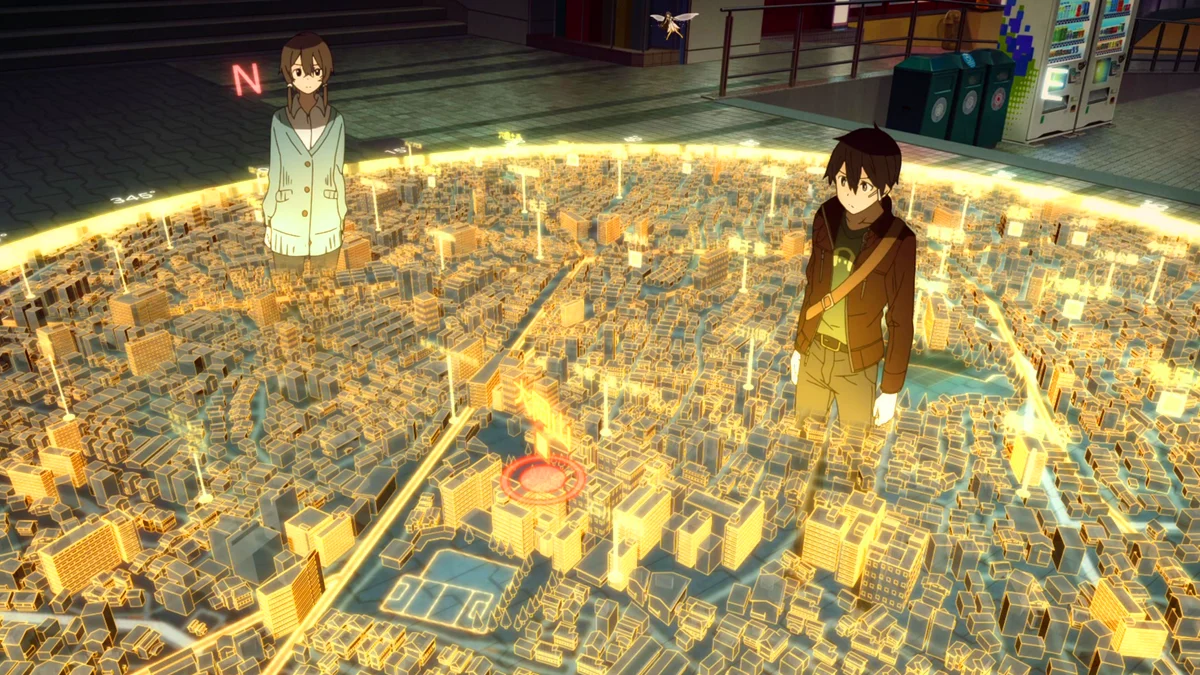
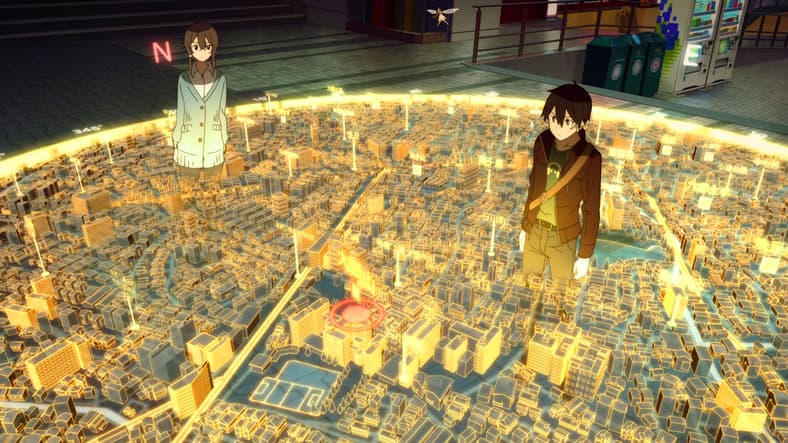
Tomohiko Itō is no stranger to international success. Having directed the first two seasons of Sword Art Online and the hit film Sword Art Online The Movie: Ordinal Scale, he has witnessed firsthand how a series rooted in Japanese "light novel" culture can captivate millions of viewers from Los Angeles to Paris. Despite this—or perhaps because of it—Itō is wary of the industry’s current obsession with "the world."
In an interview with the Japanese news outlet Daily Shincho, Itō expressed pride in anime’s growth but cautioned against the pitfalls of intentional globalization. He suggested that when Japanese creators attempt to guess what will be popular overseas, they often produce work that feels hollow or disconnected from the medium’s core strengths.
The crux of Itō’s argument rests on a simple irony: the very elements that Western critics or "politically correct" movements might find problematic are often the same elements that make anime distinct and attractive to a global audience tired of Western narrative tropes. By scrubbing these elements away to avoid "suspicion" in North America, creators risk losing the "Japanese-ness" that made the medium a success in the first place.
Chronology: The Rise of the Global Anime Hegemony
To understand why Itō’s comments are so timely, one must look at the meteoric rise of the anime industry over the last five years. The transition from a localized industry to a global powerhouse did not happen overnight, but several key milestones accelerated the process.
2020: The Consolidation of Distribution
The landscape shifted significantly when Sony’s Aniplex acquired Crunchyroll, merging it with Funimation to create a near-monopoly on anime streaming outside of Japan. This move signaled that major corporations viewed anime not as a secondary market, but as a primary pillar of their entertainment strategy.
2021–2023: The Hollywood Vacuum
The COVID-19 pandemic and the subsequent 2023 writers’ and actors’ strikes in Hollywood created a massive content vacuum. As Western live-action production ground to a halt, streaming platforms turned to Japanese anime to fill the void. This period saw record-breaking viewership for titles like Demon Slayer, Jujutsu Kaisen, and Attack on Titan.
2024: Toho’s Global Expansion
More recently, Toho, the legendary Japanese film production and distribution company, has been aggressively expanding its international reach. The acquisition of foreign distribution firms (such as the British anime distributor mentioned by Itō) highlights a shift in strategy: Japanese companies no longer want to just license their content; they want to own the pipeline to the global consumer.
It is within this era of unprecedented corporate expansion that Itō offers his warning. As the business side of anime becomes more integrated with the West, the pressure on the creative side to conform to Western standards increases.
Supporting Data: The Tension Between Creativity and PC Culture
The "political correctness" Itō references is a frequent point of contention in the cross-cultural exchange of media. In North America, media is increasingly scrutinized through lenses of social justice, gender representation, and "safety." In contrast, Japanese anime has historically operated under a different set of creative norms, often featuring hyper-stylized violence, complex moral ambiguity, and character designs that push the boundaries of Western comfort zones.
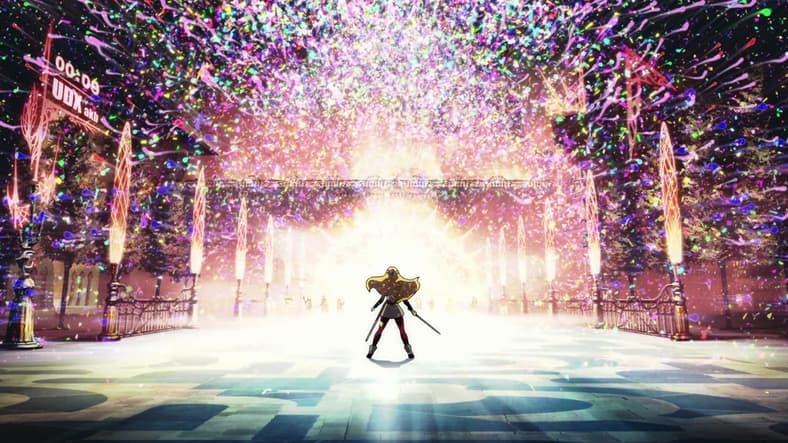
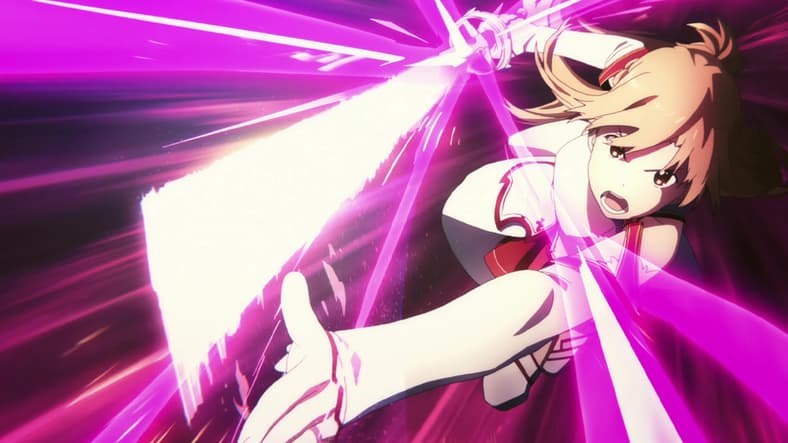
Itō specifically noted the Western skepticism toward "shows where girls fight with lots of skin." While such tropes are common in the "magical girl" or "battle heroine" genres in Japan, they often face backlash in the U.S. as being "regressive" or "problematic."
However, market data suggests a disconnect between the vocal critics of these tropes and the actual consuming audience. Despite localized attempts at censorship or "sensitivity editing," unedited Japanese content continues to outperform westernized versions. Itō’s belief that "focusing too much on the world often leads to failure" is backed by the history of "international co-productions" in the early 2000s, many of which attempted to blend Western and Eastern styles only to result in projects that lacked a dedicated fanbase in either market.
Official Responses: A Growing Chorus of Industry Veterans
Itō is not alone in his sentiments. His comments echo a growing sentiment among the "Old Guard" of the anime industry.
Recently, the director of One Piece and Dragon Ball, Tatsuya Nagamine, voiced a similar opinion, suggesting that Western audiences have flocked to anime specifically because they are "tired of Disney-style predictable harmony." Nagamine argued that the rigid narrative structures and moral certainties of modern Western animation have created a hunger for the more chaotic, emotionally raw, and visually daring storytelling found in Japan.
Furthermore, the Japanese government has begun to take notice. New policy proposals in Japan have sought to defend "creative freedom" for anime, manga, and video games, specifically citing the need to protect Japanese cultural exports from being diluted by foreign pressure or "overseas standards." This suggests that Itō’s perspective is not just a personal grievance, but a reflection of a broader national strategy to maintain Japan’s "soft power" through authenticity rather than assimilation.
The Recognition Gap: A Call for Internal Reform
Beyond the debate over globalization, Itō used his platform to address a second, equally critical issue: the lack of domestic recognition for the technical staff who build these global hits.
He pointed to Haruo Sotosaki, the director of the record-breaking Demon Slayer: Kimetsu no Yaiba franchise. Despite directing the highest-grossing Japanese films of all time, Sotosaki remains a relatively obscure figure within Japan compared to the voice actors (seiyuu) who portray the characters.
"I wish more light would be shed on the internal staff," Itō remarked. He noted that while Western and Chinese audiences are beginning to recognize directors and cinematographers like Yuichi Terao, the Japanese domestic market remains fixated on the "idols" of the industry—the voice talent.
Implications for the Future of the Industry
Itō’s call for recognizing the "history of who did what" is more than just a plea for ego; it is an economic necessity. The anime industry is currently facing a labor crisis, with animators and directors often overworked and underpaid. By shifting the focus from the characters to the creators, Itō believes the industry can inspire a new generation of talent to enter the field.
If directors like Sotosaki or Itō himself were treated with the same reverence as Hollywood directors like Christopher Nolan or Steven Spielberg, it could lead to better bargaining power for creative teams and a more sustainable production ecosystem.
Implications: Authenticity as the Ultimate Export
The "Itō Doctrine"—the idea that Japanese creators should ignore Western sensibilities to achieve Western success—presents a fascinating paradox for the future of global media.
If the anime industry heeds Itō’s advice, we may see a resurgence of "pure" Japanese storytelling that doubles down on the unique, sometimes controversial elements that define the medium. This would likely solidify anime’s position as the primary alternative to the "Disneyfied" global entertainment landscape.
However, if the industry bows to the pressure of globalization, it risks a "cultural homogenization" where Japanese animation becomes indistinguishable from Western animation, save for the art style. For Itō, that would be the ultimate failure.
As Itō prepares for the release of his next project—an adaptation of Keigo Higashino’s Kusnoki no Bannin—the industry will be watching closely. His career has been defined by his ability to bridge the gap between niche otaku culture and mainstream success. If his new film succeeds by sticking to his principles of authenticity, it will serve as a powerful vindication of his belief that the best way to win the world is to remain true to home.
In the end, Tomohiko Itō’s message to his peers is clear: The world didn’t fall in love with anime because it was like everything else. They fell in love with it because it was different. To lose that difference in the name of "globalization" wouldn’t just be a creative loss—it would be a business catastrophe.










No comments yet. Be the first to join the conversation!