

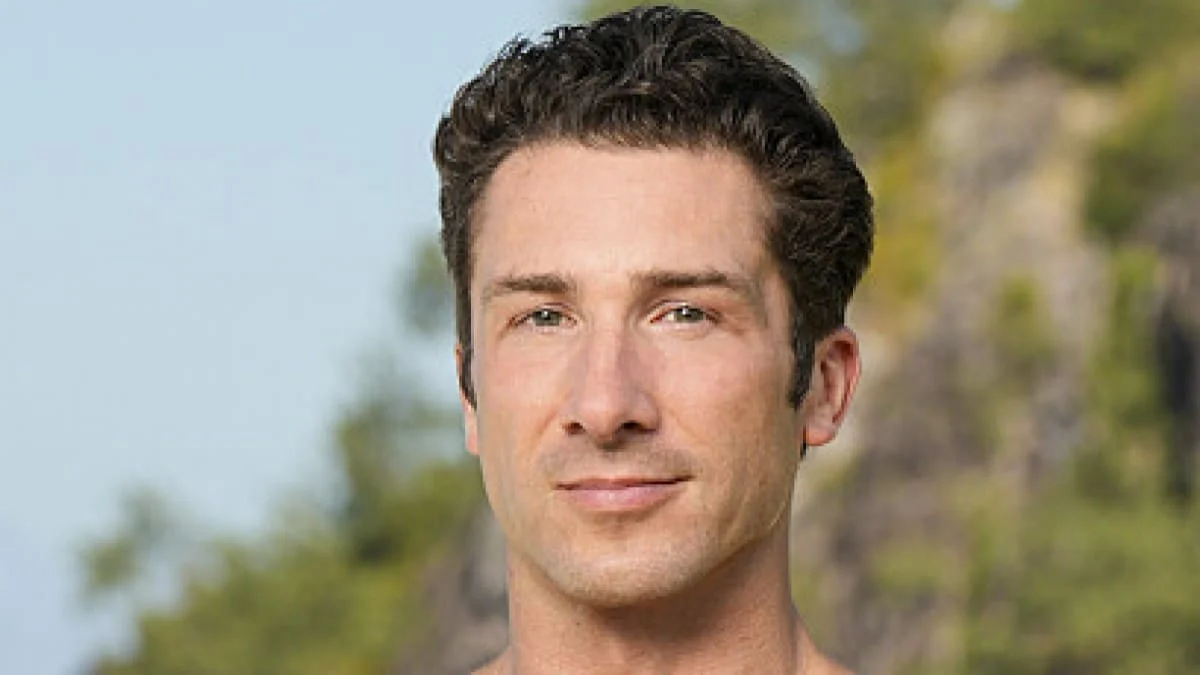
The 48th season of CBS’s juggernaut reality series, Survivor, continues to prove that even in the "New Era," the show’s greatest strength remains its eclectic and often polarizing casting choices. The most recent departure from the Mamanuca Islands, David Kinne, has sparked a firestorm of conversation among fans, critics, and the show’s executive producer and host, Jeff Probst. Following David’s elimination in Episode 9, where he secured a ninth-place finish and a seat as the third member of the jury, Probst took to his On Fire podcast to provide a deep dive into why David was considered a "casting dream" and how his personality echoed some of the most legendary figures in the show’s quarter-century history.
Main Facts: The Rise and Fall of David Kinne
David Kinne’s journey on Survivor 48 was defined by a blend of high-intensity strategic maneuvering, emotional vulnerability, and a level of self-assuredness that often teetered on the edge of arrogance. Voted out during a pivotal moment in the merge stage, David’s exit marked a turning point for the remaining castaways. While his torch may have been extinguished, his impact on the season remains a primary talking point.
In the latest episode of the On Fire podcast, Jeff Probst was effusive in his praise for Kinne, describing him as a "blast" to work with and a contestant who "gave so much to the show." However, the most striking revelation from Probst was the comparison made by the production team. According to Probst, fellow producer Matt Van Wagenen identified "Coach-esque" qualities in David from the very first casting sessions. This refers to Benjamin "Coach" Wade, one of the most iconic and eccentric characters to ever play the game, known for his grandiloquent storytelling and "Dragon Slayer" persona.
Beyond the praise from production, David’s exit has been shrouded in a degree of controversy. Since returning from Fiji, Kinne has been vocal about his experiences, claiming that the edited broadcast omitted crucial footage that would have provided more context to his interpersonal conflicts—specifically his allegations regarding the behavior of fellow castaway Joe Hunter.
Chronology: From the Zoom Room to the Jury Bench
To understand David Kinne’s impact, one must look at the timeline of his involvement with the franchise, which began long before he set foot on the white sands of Fiji.
The Casting Process
The genesis of David’s Survivor journey occurred during a series of high-stakes Zoom interviews. In the "New Era" of casting, these digital sessions are where the "CBS brass" and executive producers decide who has the mettle for the $1 million prize. Probst recalled a specific session where David’s confidence was on full display. Kinne reportedly told Probst, "I will win every challenge on Survivor, and when I set the record with my sixth win, then you must say, ‘David, you were right.’"
This boastful yet earnest approach immediately endeared him to the network executives. He was labeled as "sensitive" but "boastful with earnestness," a combination that producers felt would translate into compelling television.
The Fiji Campaign
Throughout the first nine episodes of Season 48, David lived up to his casting billing. He was a central figure in camp life and a vocal participant in strategic discussions. However, the very traits that made him a favorite for production—his "Coach-esque" grandiosity—eventually made him a target for his peers. The "New Era" of Survivor often punishes players who occupy too much "threat space," and David’s vocal confidence in his physical and strategic abilities eventually led to his blindside.
The Elimination and Beyond
In Episode 9, the internal dynamics of the merged tribe shifted. David found himself on the wrong side of the numbers as the tribe sought to remove a player they perceived as both a physical threat and an unpredictable social force. Upon his elimination, David joined the jury, where he will spend the remainder of the season observing Tribal Councils and ultimately helping decide who will be crowned the Sole Survivor.
Supporting Data: The "Bully" Allegations and Missing Footage
While Jeff Probst’s reflections focused on David’s entertainment value, David’s own post-elimination commentary has taken a more serious tone. In various interviews, Kinne has alleged that the social environment in Fiji was more hostile than what was depicted on screen.
The Joe Hunter Conflict
David has explicitly labeled Joe Hunter as a "bully," claiming that Hunter’s behavior toward him was aggressive and detrimental to the camp environment. This claim has sparked significant debate within the Survivor subreddit and across social media platforms like X (formerly Twitter). Fans are divided between those who believe the edit protected Joe and those who feel David may be misinterpreting high-stress gameplay as personal animosity.
The Question of the Edit
David’s secondary claim—that "important footage was left out"—touches on a perennial grievance among reality TV contestants. With hundreds of hours of footage condensed into a 60-to-90-minute weekly broadcast, much is left on the cutting room floor. David insists that the missing scenes would have vindicated his frustrations and provided a clearer picture of why certain alliances fractured. For a show like Survivor, which prides itself on storytelling, these allegations of "missing context" can sometimes challenge the narrative integrity of the season in the eyes of hardcore fans.
Official Responses: Jeff Probst and the Production Perspective
Jeff Probst’s comments on the On Fire podcast serve as the unofficial "official" response to David’s time on the show. Probst rarely addresses specific contestant allegations of bullying directly on the podcast, preferring instead to focus on the "hero’s journey" of the players.
On David’s Character
"I liked him out of the gate," Probst stated, emphasizing that David was "meant for Survivor." By comparing him to Coach Wade, Probst signaled that production viewed David as a "character" player—someone who provides narrative flavor and entertainment regardless of their strategic success.
On the Production Value
Probst’s discussion of the Zoom calls and the internal reactions from CBS suggests that the network is looking for more than just "gamebots" (players who focus solely on strategy). They are looking for "sensitive" and "earnest" individuals who are willing to wear their hearts on their sleeves. In the eyes of production, David Kinne was a massive success because he provoked a reaction from both his fellow players and the audience.
Implications: The Future of Survivor 48 and the Road to Season 50
David Kinne’s departure leaves a vacuum in the social hierarchy of Season 48, but the implications of his stint on the show extend far beyond the current finale.
Impact on the Remainder of Season 48
As a member of the jury, David’s influence is not over. Known for his "earnestness," his line of questioning at the Final Tribal Council is highly anticipated. Will he be a "bitter juror" regarding the alleged bullying, or will he reward the "Coach-esque" gameplay he so clearly admires? His presence on the jury bench ensures that his perspective will continue to shape the outcome of the season.
The Casting Blueprint for Survivor 49 and 50
As Survivor 49 begins filming in Fiji, the success of David as a "character" confirms that the casting department will continue to look for polarizing figures. With Survivor 50 looming on the horizon—a season confirmed to feature returning players—David Kinne has successfully put himself in the conversation for a second chance. His "Coach-esque" qualities and unfinished business regarding the "bully" narrative make him a prime candidate for an "All-Stars" or "Heroes vs. Villains" style return.
The Reality TV Ecosystem
The buzz surrounding David Kinne also highlights the growing interconnectedness of reality television. With rumors of a "dream cast" for The Traitors Season 4 circulating—potentially featuring Survivor and Big Brother alums—players like David are no longer confined to a single franchise. His ability to generate headlines, even after being voted out, makes him a valuable asset for any competitive reality format.
In conclusion, David Kinne’s 9th-place finish is a testament to the complex nature of Survivor. While he did not break the record for challenge wins as he boldly predicted, he achieved something perhaps more lasting: he earned the respect of the show’s creator and secured a spot in the pantheon of the "New Era’s" most memorable characters. Whether he is remembered as a victim of a "bully" or a "Coach-esque" visionary, David Kinne’s fire continues to burn in the discourse of the Survivor community.










No comments yet. Be the first to join the conversation!