Neng Nana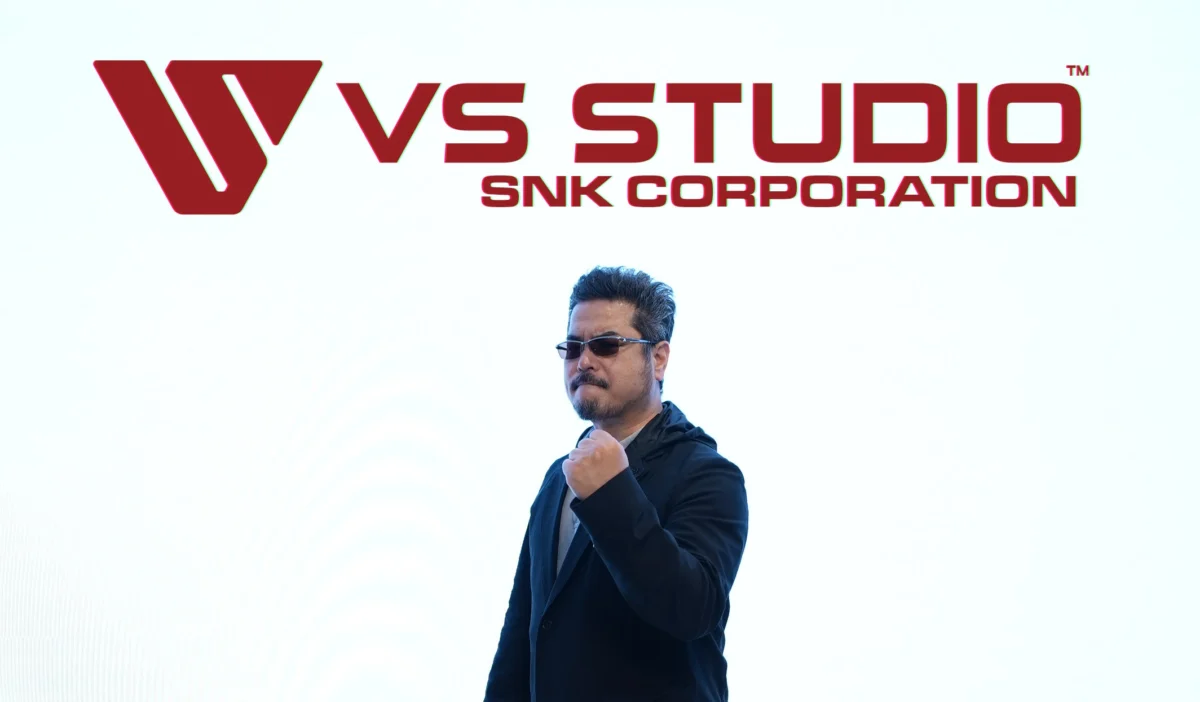
The landscape of the fighting game genre is undergoing a seismic shift. In a move that has stunned industry analysts and fans alike, legendary producer Katsuhiro Harada—the face of the Tekken franchise and a cornerstone of Bandai Namco for nearly three decades—has announced a strategic partnership with SNK. This collaboration will see the formation of a new entity, "VS Studio," which SNK intends to bring under its corporate umbrella as a consolidated subsidiary.
The development represents more than just a business transaction; it marks the transition of one of gaming’s most recognizable figures into a new chapter of creative independence, backed by one of the most storied names in arcade history.
The Core Development: What We Know
The announcement, confirmed via a formal press release from SNK, outlines a vision to "collaborate on game software development to further strengthen their development capabilities." While the exact nature of the titles currently in development remains under wraps, the ambition is clear: to leverage the institutional knowledge of a veteran creator with the long-standing heritage of SNK’s fighting game portfolio.
SNK, fresh off the launch of Fatal Fury: City of the Wolves, is positioning itself to expand its reach. By investing in VS Studio, the Osaka-based company is effectively securing a high-profile creative lead to guide its future endeavors. For Harada, the move provides a platform to realize his vision for "the ultimate" in gaming experiences, unshackled from his long-term tenure at Bandai Namco.
A Career Defined: The Chronology of Katsuhiro Harada
To understand the weight of this news, one must look at the trajectory of Harada’s career. His influence on the fighting game genre is difficult to overstate.
- 1994–1997: The Early Years: Joining Bandai Namco, Harada was part of the original team that developed the first Tekken. His involvement was instrumental in transitioning the series from a niche project to a global phenomenon.
- 1997–2020: The Tekken Era: Beginning with Tekken 3, Harada took on the role of Director and eventually Executive Producer. Under his stewardship, Tekken became the best-selling 3D fighting game franchise in history. Beyond Tekken, he became a public face for the brand, engaging in a highly visible and often combative, humorous rapport with fans on social media.
- 2020–2024: Expanding the Portfolio: While maintaining his role at the helm of Tekken, Harada expanded his influence to other major projects, including Code Vein and Tales of Arise, demonstrating his capacity to manage diverse genres outside of his comfort zone.
- 2025: The Departure: Last year, Harada announced his intention to depart Bandai Namco at the conclusion of 2025, signaling a desire for a change in environment.
- 2026 and Beyond: The VS Studio Chapter: The establishment of VS Studio serves as the realization of his long-stated goal to create a workspace that prioritizes developer performance and innovation.
Defining the "VS" Philosophy
In his statement regarding the new studio, Harada provided a detailed breakdown of the acronym "VS." Far from a simple reference to "versus" combat, he characterized it as a multi-faceted mission statement:
- Video game Soft (VS Development Division): A nod to his roots and the technical foundation of his career.
- Versus: The core spirit of the fighting game genre.
- Visionary Standard: The pursuit of setting a new bar for industry excellence.
- Volition Shift: A reflection of his desire to pivot towards a new, autonomous working model.
- Vanguard Spirit: A commitment to remaining at the front of technological and design-led innovation.
Harada noted that the studio’s guiding philosophy—"Beyond tradition, crafted to perfection"—is the engine driving their upcoming projects. He expressed a desire to foster an environment where developers can "perform at their best," contrasting this with the often rigid structures of legacy game corporations.
Official Responses and Corporate Candor
In an industry often defined by polished, scripted corporate messaging, the response from SNK’s leadership was notably transparent. Yasuyuki Oda, the producer behind King of Fighters XV and Fatal Fury: City of the Wolves, offered a candid assessment of the partnership.
"To be honest, nothing has been decided yet," Oda admitted, acknowledging that the studio is in its infancy. However, he remained bullish about the future, adding, "I have no doubt that things will become even more exciting than ever before." Oda, who has known Harada for years, framed the move not just as a business merger, but as a meeting of minds between a "long-time friend and a worthy rival."
This "rivalry" dynamic is key to the excitement surrounding the partnership. By bringing a former competitor into the fold, SNK is signaling a shift toward an era of cross-pollination. Whether this leads to a new King of Fighters entry featuring Tekken-style mechanics or an entirely new IP remains to be seen.
Contextualizing SNK’s Evolution
The partnership also takes place within the broader context of SNK’s current ownership. Since 2022, the company has been majority-owned by the Mohammed bin Salman Foundation. While SNK has publicly stated that this ownership structure does not interfere with its creative autonomy, the influence of the ownership group has been a topic of industry discourse.
Observers point to the inclusion of soccer superstar Cristiano Ronaldo and DJ Salvatore Ganacci in Fatal Fury: City of the Wolves as evidence of the company’s new strategic direction—one that seeks to bridge the gap between traditional fighting game culture and global pop-culture marketing. Whether VS Studio will lean into this style of high-profile, non-traditional character integration remains a point of speculation, but it is clear that SNK is aiming for a larger slice of the global gaming market.
Implications for the Fighting Game Genre
The formation of VS Studio carries several implications for the future of the genre:
1. The Decentralization of Talent
Harada’s departure from Bandai Namco follows a trend of veteran developers leaving massive conglomerates to form smaller, more agile studios. This "indie-triple-A" model allows for faster iteration and a stronger focus on the developer experience, as Harada himself noted in his manifesto.
2. Cross-Pollination of Design
For years, the "SNK style" (often characterized by high-difficulty, sprite-based heritage, and specific movement mechanics) and the "Bandai Namco style" (3D, weight-heavy movement, and cinematic presentation) have been seen as distinct camps. If Harada applies his expertise to SNK’s internal engines, we may see a hybridization of these styles, potentially redefining the "gold standard" for 3D fighters.
3. Increased Competition
With Street Fighter 6 and Tekken 8 currently dominating the market, the entry of a new studio backed by SNK’s resources creates a three-way tug-of-war for the genre’s player base. This level of competition is historically healthy for the genre, often leading to better netcode, more robust training modes, and deeper post-launch support.
Conclusion: A Visionary’s Next Move
As Katsuhiro Harada transitions from the veteran of Bandai Namco to the architect of VS Studio, the industry watches with bated breath. The combination of his design philosophy—which balances technical depth with accessible, high-energy presentation—and SNK’s legendary library of characters offers a tantalizing prospect for fans.
"Having been involved in game development for many years," Harada said in his closing remarks, "I’ve constantly considered how I want to spend my time as a developer." With the support of SNK, he now has the canvas to answer that question. Whether VS Studio becomes a powerhouse of innovation or a niche experimental arm, its arrival marks the start of a new, highly anticipated chapter in the history of fighting games.
As the dust settles on this announcement, one thing is certain: the rivalry between SNK and the legacy of Harada has evolved into a partnership that promises to make the genre "more exciting than ever before."

 Basiran
 Muslim