

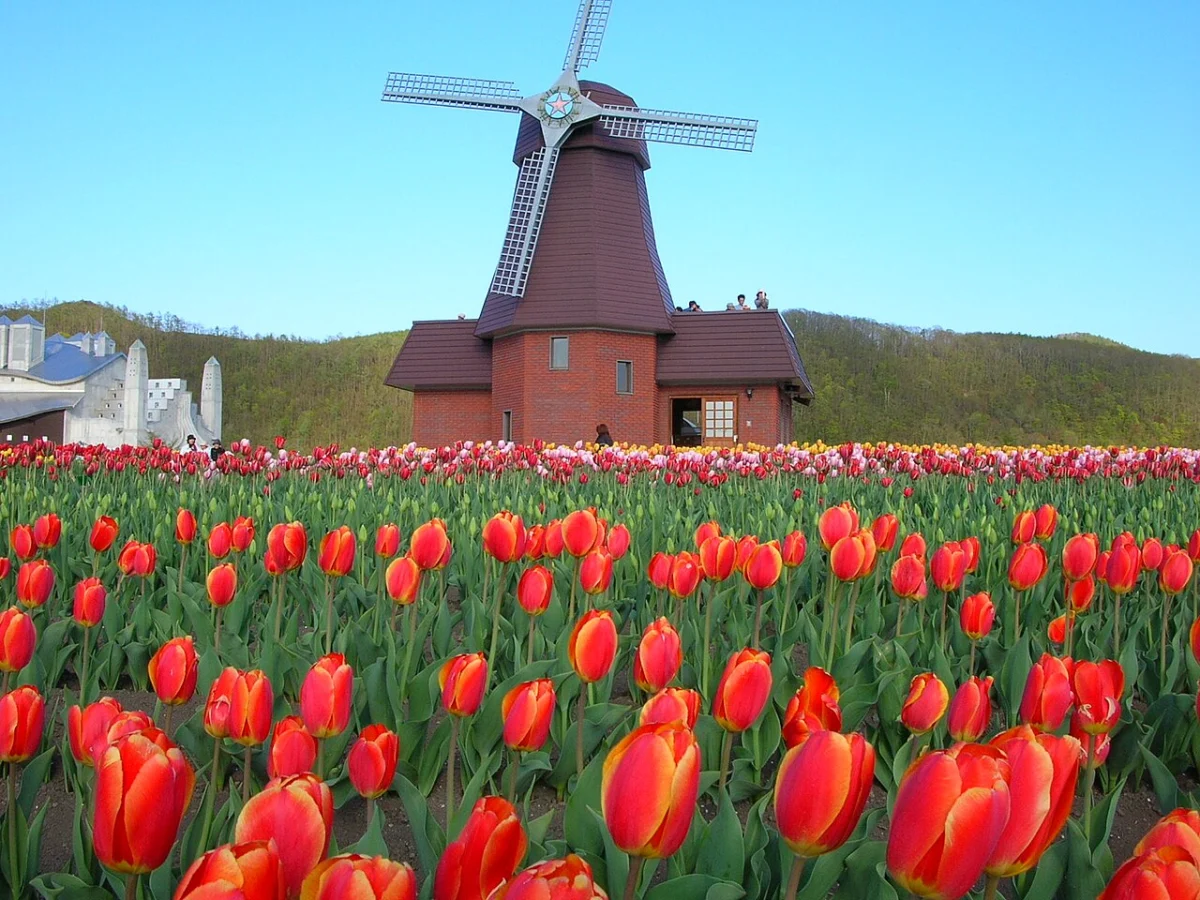
In the remote, windswept plains of north-central Hokkaido, where the rugged Okhotsk coastline meets the quiet industry of local agriculture, a fleeting miracle occurs every spring. For a few short weeks in May, the town of Yubetsu is transformed from a sleepy rural outpost into a vibrant tapestry of color. The Kamiyubetsu Tulip Park—one of Japan’s most significant floral destinations—stands as a testament to the intersection of post-war agricultural innovation and modern tourism.
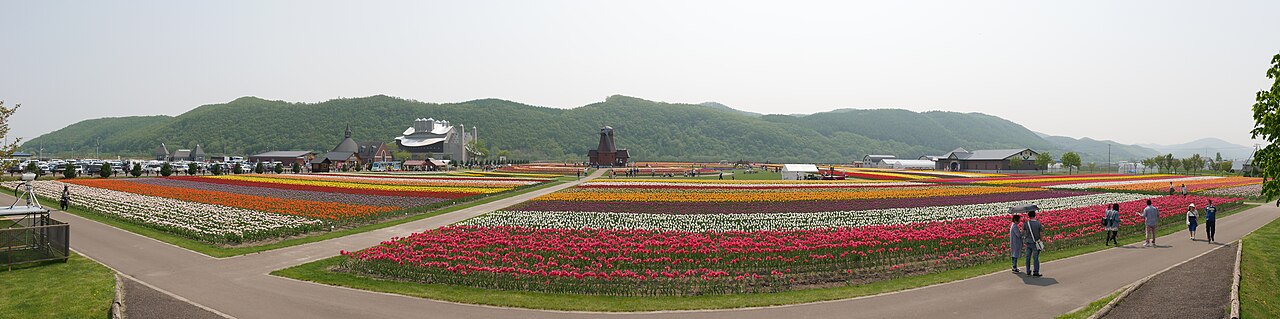
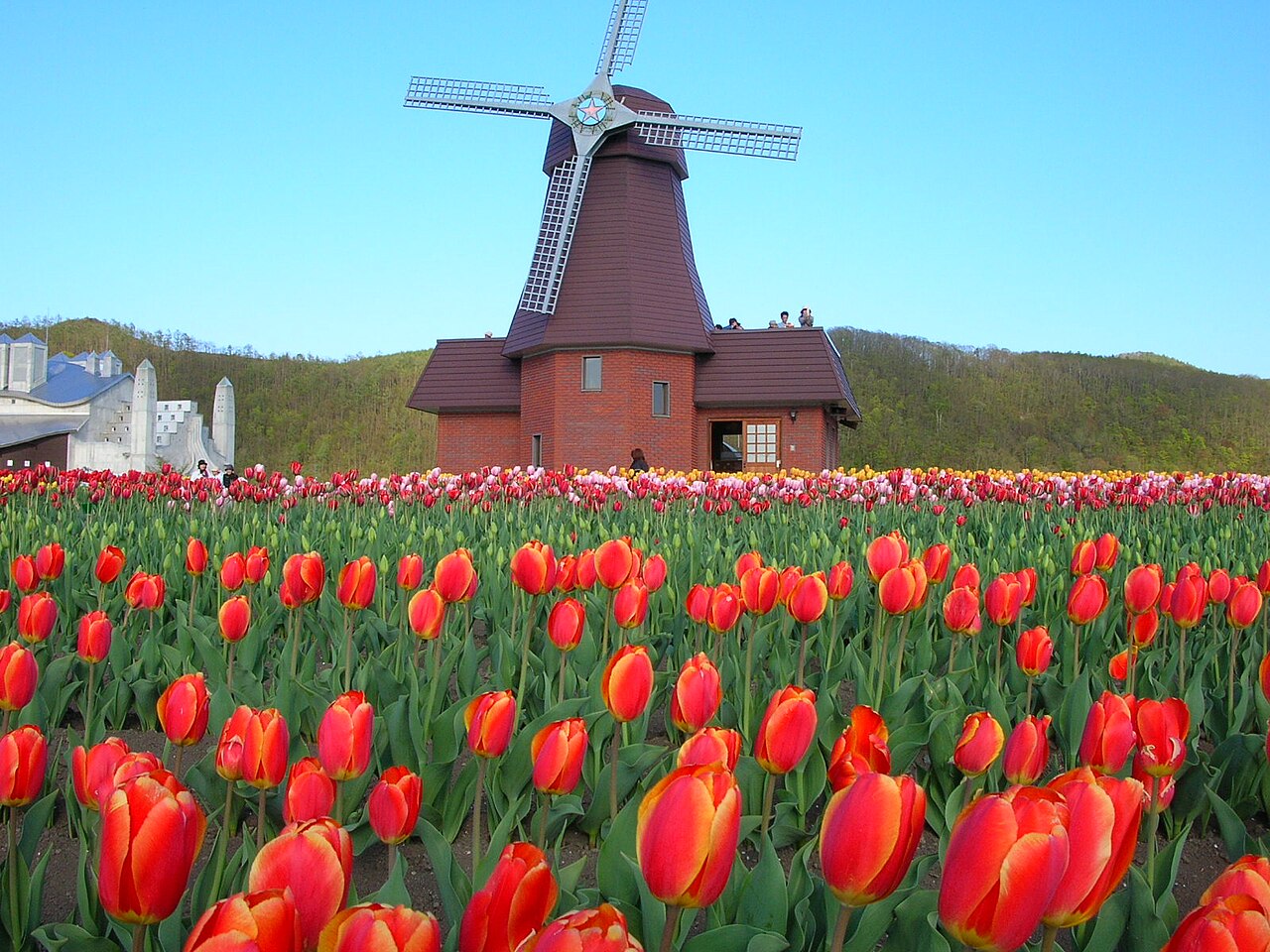
Boasting 700,000 individual tulip plants spanning 200 distinct varieties, the park is a horticultural marvel. Unlike many urban Japanese flower displays that rely on synthetic environments, Kamiyubetsu utilizes a seven-hectare canvas on a gentle, east-facing slope, creating a visual symphony of color that has made it a pilgrimage site for photographers and garden enthusiasts alike.
Main Facts: The Anatomy of the Park
The Kamiyubetsu Tulip Park is not merely a garden; it is an exercise in precision landscape design. Spanning a 12.5-hectare footprint, the park maximizes its geographic advantage by utilizing a natural incline that allows visitors to view the "ribbons" of color from both the ground and the sky.
- Scale: 7 hectares of dedicated floral beds.
- Capacity: 700,000 bulbs representing 200 global varieties.
- Design Philosophy: The park operates on a strict three-year rotation cycle for its color palette, ensuring that returning visitors are greeted with a fresh visual experience each time.
- The Dutch Connection: The site features authentic, imported Dutch cultivars, some of which are rarely seen outside of professional botanical collections.
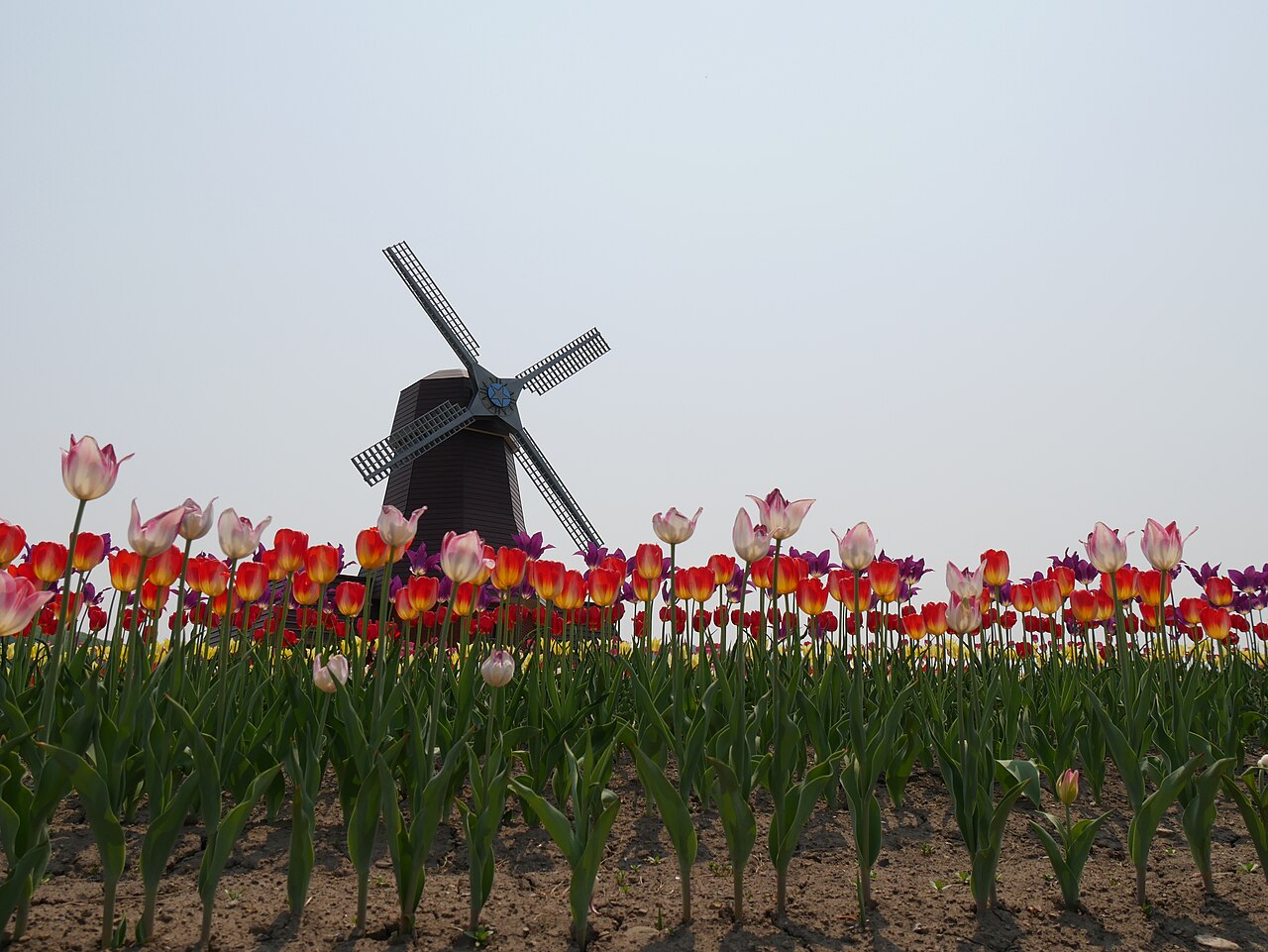
- Visitor Infrastructure: The park includes a five-story Dutch-style windmill observation deck, an electric "flower car" tram service, and a specialized dig-your-own-bulb area during the festival’s final week.
A Chronology: From Farm Diversification to Tourism Asset
The park’s existence is rooted in a fascinating historical narrative that distinguishes it from the more commercialized "theme park" flower displays found in Japan’s urban centers.
The 1950s: The Seeds of Innovation
Following the conclusion of World War II, Japan faced a desperate need for agricultural diversification. In Yubetsu, the local JA (Japan Agricultural) cooperative sought to expand beyond the town’s traditional reliance on potato and sugar-beet farming. The decision to introduce tulip cultivation was strategic: the climate of northern Hokkaido, with its cold, lingering winters and cool, crisp springs, proved remarkably hospitable to Dutch bulb varieties. Local farmers were trained in the delicate art of bulb husbandry, laying the groundwork for a new economic pillar.
1957: The Inaugural Festival
The first public tulip festival was held in 1957. What began as a local celebration of agricultural success quickly grew in popularity as word spread about the scale of the blooming fields. For decades, the festival remained a regional secret, celebrated primarily by locals and Hokkaido residents.
1989: The Pivot to Tourism
Recognizing the potential for a larger economic impact, the town of Yubetsu made a strategic decision in 1989 to transition the fields into a dedicated, high-end tourism asset. The municipal tourism board took control, expanding the grounds to include the current visitor center, the windmill observation deck, and a more structured, visitor-friendly layout. Today, the park welcomes approximately 100,000 visitors annually during its one-month operational window.
Supporting Data: Cultivars and Seasonal Waves
The park’s head gardener utilizes sophisticated planting techniques to ensure a prolonged blooming season. By manipulating planting depth and selecting a mix of early, mid-season, and late-blooming varieties, the park sustains its "peak" appearance for several weeks.
The Five Primary Categories
- Triumph Group: Known for their classic goblet shape and sturdy stems, these form the backbone of the park’s early-to-mid-season displays.
- Darwin Hybrids: Favored for their vibrant, saturated colors, these provide the primary "color bands" that are visible from the observation deck.
- Fringed Tulips: These delicate, textured flowers are placed in the upper terraces, blooming 5–10 days after the primary beds to extend the festival window.
- Parrot Tulips: Highly coveted by photographers for their ruffled, exotic shapes.
- Lily-Flowered Tulips: These elegant, pointed-petal varieties are often found near the park’s entrance, serving as the "curtain raisers" for the main event.
The park provides a "variety map" at the visitor center, which is highly recommended for enthusiasts wishing to track rare Dutch heritage cultivars like the Blue Parrot or the sophisticated Queen of Sheba.
Official Responses and Strategic Management
The Yubetsu municipal government views the park as more than just a seasonal attraction; it is a critical component of the town’s year-round identity. However, the management is acutely aware of the logistical challenges posed by the park’s remoteness.
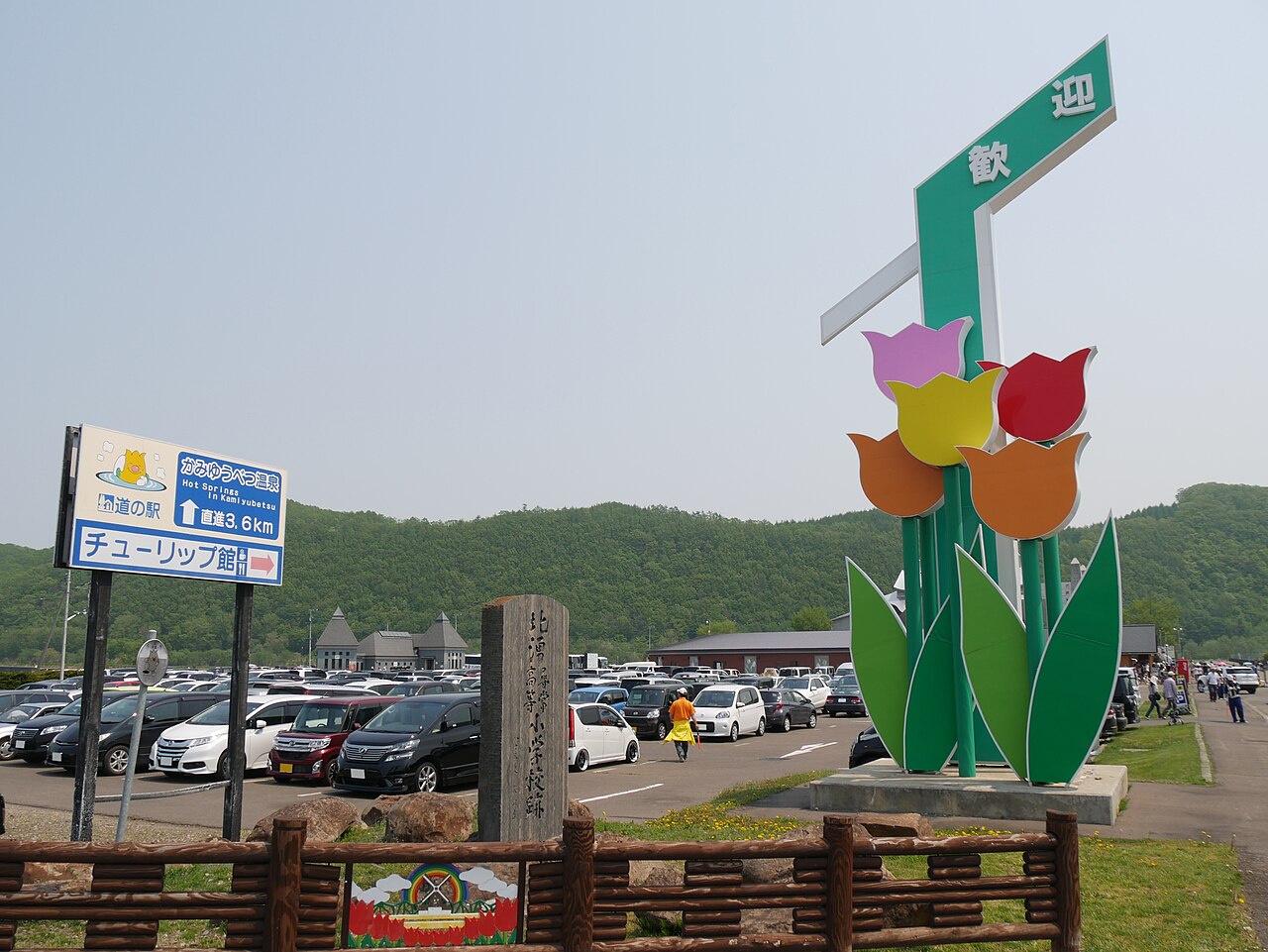
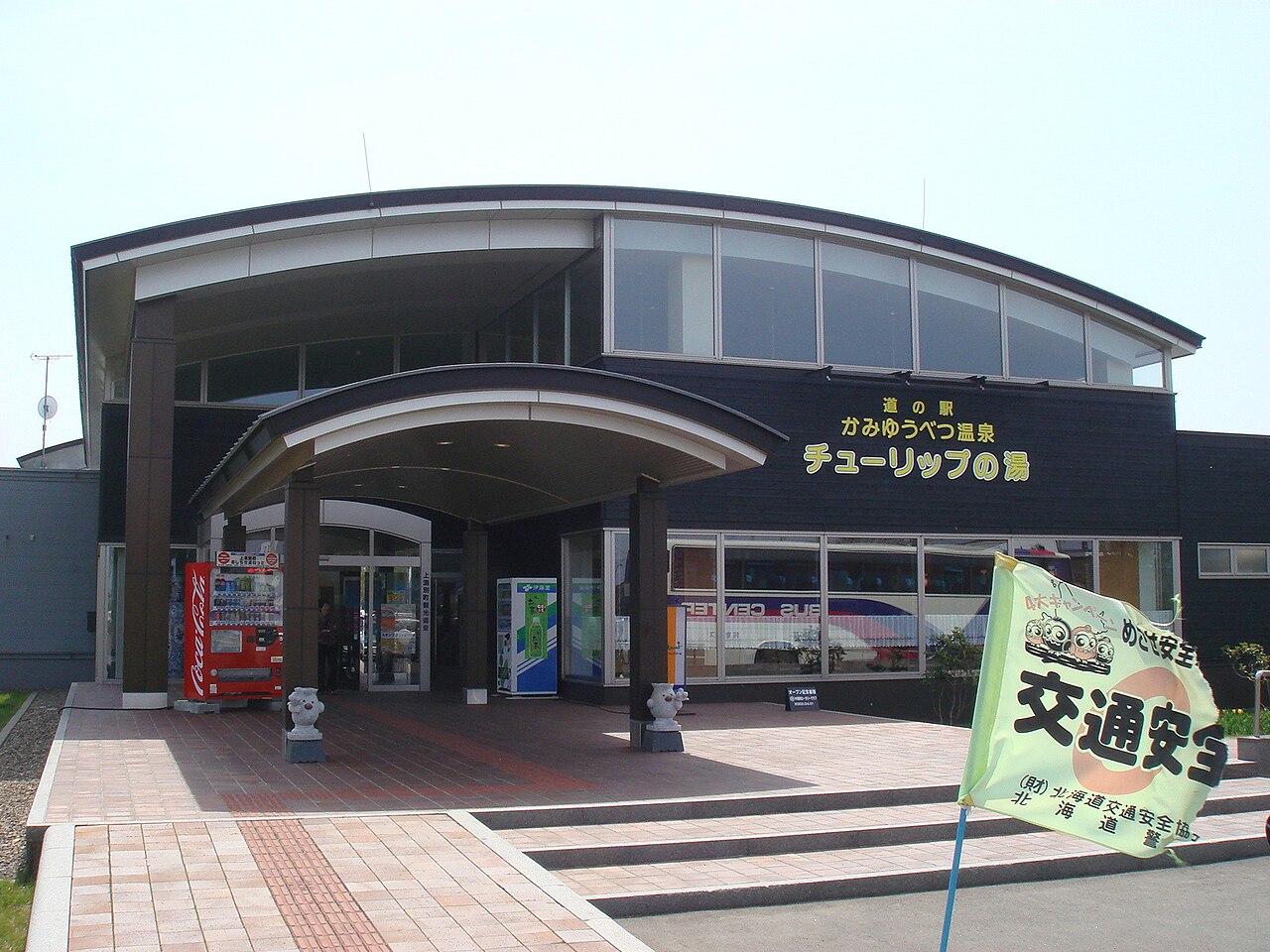
According to the municipal tourism board, the integration of the Tulip no Yu—a roadside station and onsen—has been the most successful strategy in encouraging visitor retention. By offering a "Park and Soak" experience, the town has successfully increased the average time a visitor spends in the area from 45 minutes to approximately three hours. This, in turn, has boosted revenue for local food vendors selling regional specialties like jingisukan (mutton BBQ) and fresh Okhotsk seafood.
The board maintains a transparent reporting system, posting daily bloom percentages on their official website from late April onwards. This data-driven approach is designed to manage expectations, acknowledging that the "peak" can shift by up to two weeks depending on the severity of the previous winter.
Implications: The Future of Rural Tourism
The Kamiyubetsu model offers a blueprint for other rural Japanese towns attempting to leverage agriculture for tourism. The key takeaway is the avoidance of "theme park fatigue." By keeping the focus on the natural beauty of the tulips rather than building an artificial, Disney-esque infrastructure, Yubetsu has cultivated an air of authenticity that attracts a more discerning, loyal demographic.
Economic Impact
While the town experiences an "explosion" of activity during the May festival, the challenge remains in sustaining the local economy for the remaining 11 months. The Tulip no Yu onsen, which remains open year-round, serves as the town’s primary anchor for the off-season. The implication for potential visitors is clear: the park is a seasonal destination, but the region is a year-round gateway to the Okhotsk coast.
Environmental Stewardship
The "dig-your-own" program, introduced in the final week of the festival, is not just a revenue stream—it is a lesson in sustainability. By allowing visitors to take home live bulbs, the park encourages a direct connection between the consumer and the horticultural process. This, combined with the park’s strict adherence to agricultural standards, ensures that the site remains an educational resource for gardeners rather than just a photo backdrop for social media.
Logistics: Planning Your Pilgrimage
Given its location on the eastern edge of the Yubetsu town center, the park requires a degree of commitment to reach.
- By Car: The most recommended method. A 4–5 hour drive from Asahikawa or New Chitose Airport via the Asahikawa-Monbetsu Expressway allows for the flexibility needed to explore surrounding sites like Lake Saroma or the Abashiri region.
- By Air: Flying into Okhotsk-Monbetsu Airport offers the shortest transit time, with a mere 30-minute drive to the park.
- By Public Transport: For those without a car, the journey involves the JR Sekihoku Line to Engaru Station, followed by a local Kitami bus. Warning: Bus schedules are sparse, often limited to 4–5 departures per day.
- Festival Shuttles: During the May peak, direct shuttles from Asahikawa Station are the most convenient public option, though these typically require booking 2–3 weeks in advance.
A Note for the Discerning Traveler
If you are a first-time visitor to Japan, the travel time to reach Yubetsu may be prohibitive unless you are already planning a dedicated tour of Eastern Hokkaido. However, for those who prioritize off-the-beaten-path experiences, the combination of the Kamiyubetsu tulips, the Takinoue moss phlox, and the stark beauty of the Okhotsk coast provides a 3–4 day itinerary that is both visually stunning and culturally enriching.
Ultimately, the Kamiyubetsu Tulip Park is a triumph of patience. It is a place that asks you to slow down, walk the geometric ribbons of color, and appreciate the 1950s agricultural dream that continues to bloom, with startling beauty, every single May.












No comments yet. Be the first to join the conversation!