Asro
Asro
In the vast landscape of modern gaming, few genres capture the imagination quite like the open-world experience. When executed with precision, an open world transforms a standard thirty-hour narrative into a sprawling, multi-hundred-hour odyssey. The true hallmark of a legendary open-world title is not just the sheer size of the map, but the "density of discovery"—the feeling that every hidden valley, every cryptic alleyway, and every distant horizon holds a secret worth finding.
While many titles promise freedom, only a select few manage to make the act of exploration feel genuinely rewarding. Whether you are hunting for legendary artifacts, stumbling upon intricate side-quests, or simply soaking in environmental storytelling, these ten Xbox titles represent the pinnacle of player-driven discovery.

The Philosophy of Player-Driven Discovery
Exploration in gaming is more than just traversing a map; it is a psychological contract between the developer and the player. In top-tier titles, the game promises that curiosity will be met with meaningful progression. This can manifest as powerful gear, unique lore entries, or even the addition of a new companion. The following titles have been selected based on their ability to incentivize the player to step off the beaten path, turning the journey into the destination itself.
10. No Man’s Sky: An Infinite Frontier
When No Man’s Sky debuted in 2016, it faced a wave of skepticism regarding its scope. However, through a decade of relentless updates, Hello Games has turned the title into a masterclass in procedural generation.

18 Quintillion Reasons to Explore
The game’s primary objective—survival and discovery—is supported by a virtually infinite map. With 18 quintillion procedurally generated planets, the game avoids the "empty space" problem by rewarding players with resources, unique flora, and rare technology at every turn. Whether you are a casual explorer or a dedicated builder, the game’s loop ensures that the time invested in traveling to a new star system is always balanced by the treasures found upon landing.
9. Cyberpunk 2077: The Secrets of Night City
CD Projekt Red’s Cyberpunk 2077 has evolved into one of the most immersive urban open worlds in history. Night City is a vertical, neon-drenched metropolis that demands to be scrutinized.

Density Over Distance
Unlike games that rely on sprawling empty fields, Cyberpunk 2077 thrives on density. Every dark alleyway and corporate skyscraper exterior is layered with "gigs," hidden caches of Eddies, and iconic weapons. By rewarding the player for checking behind the dumpsters or climbing the fire escapes, the game turns a simple urban commute into a treasure hunt, making it a mandatory play for those waiting for the next generation of open-world experiences.
8. Outer Wilds: Curiosity as the Key
Outer Wilds operates on a unique principle: the only thing stopping the player from reaching the end of the game is their own knowledge. It is a mystery-adventure where the world itself is the puzzle.
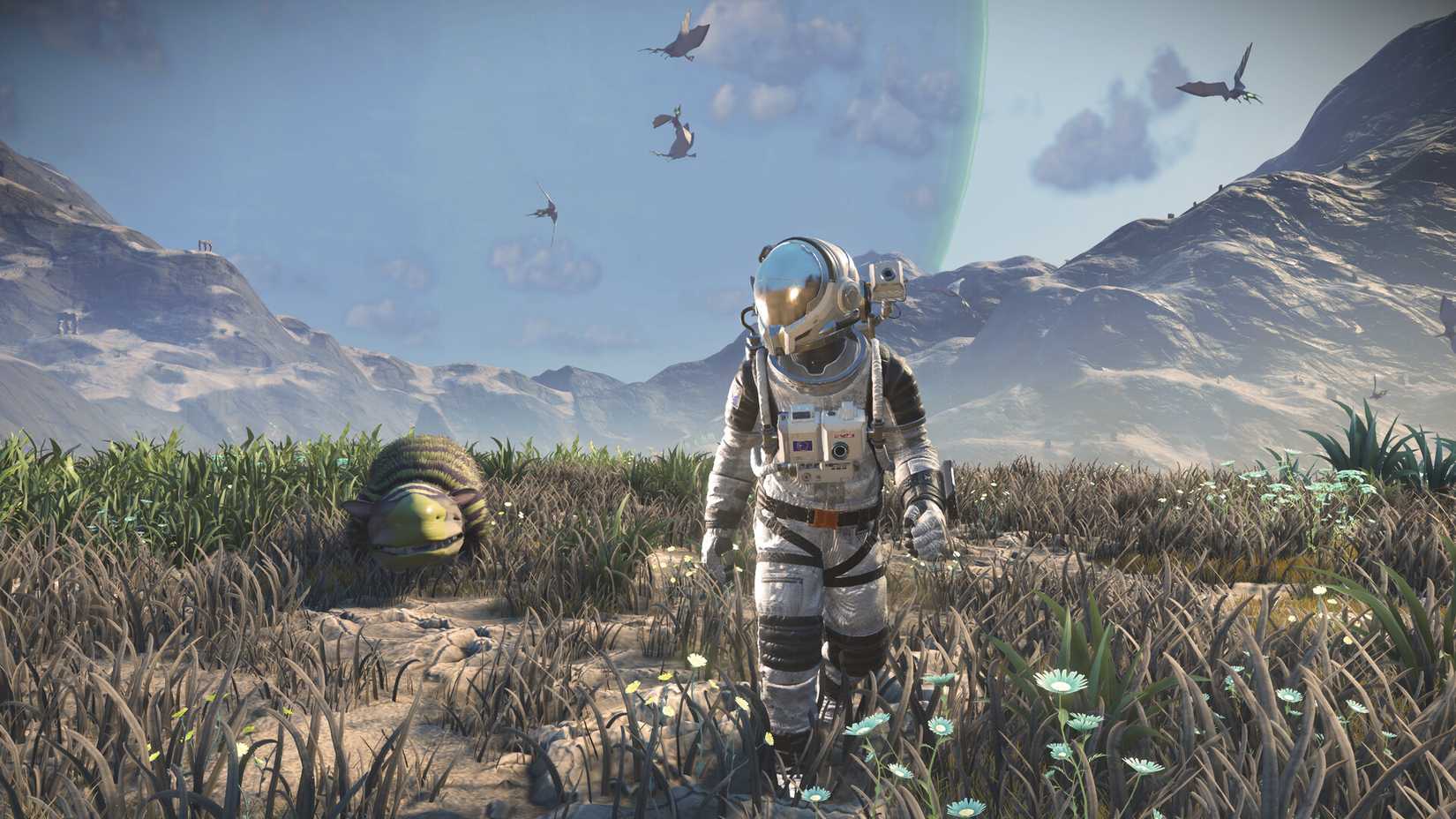
A Clockwork Solar System
In Outer Wilds, exploration is the primary mechanic. There are no traditional level-ups or gear upgrades; instead, you collect information. By visiting different celestial bodies—such as the crumbling Brittle Hollow or the eerie Quantum Moon—players piece together a narrative that spans eons. It is a rare example of a game where the reward for exploration is the thrill of discovery itself.
7. Subnautica: The Terror and Beauty of the Deep
Subnautica forces players to balance the survival instinct with an insatiable need to explore. Set on the oceanic planet 4546B, the game uses the environment as both a resource hub and a source of constant tension.

Wreckage and Riches
The game’s progression system is tied directly to the depth of your exploration. To build better submersibles and base components, you must venture further into the abyss, scavenging wreckage and cataloging alien species. The "thallasophobic" dread of the deep is perfectly offset by the satisfaction of finding a rare mineral deposit or a hidden underwater cave system, making every dive feel like a high-stakes gamble.
6. Fallout 4: Reclaiming the Commonwealth
Bethesda Game Studios has long been the gold standard for "environmental storytelling," and Fallout 4 is perhaps the most refined iteration of that design philosophy.
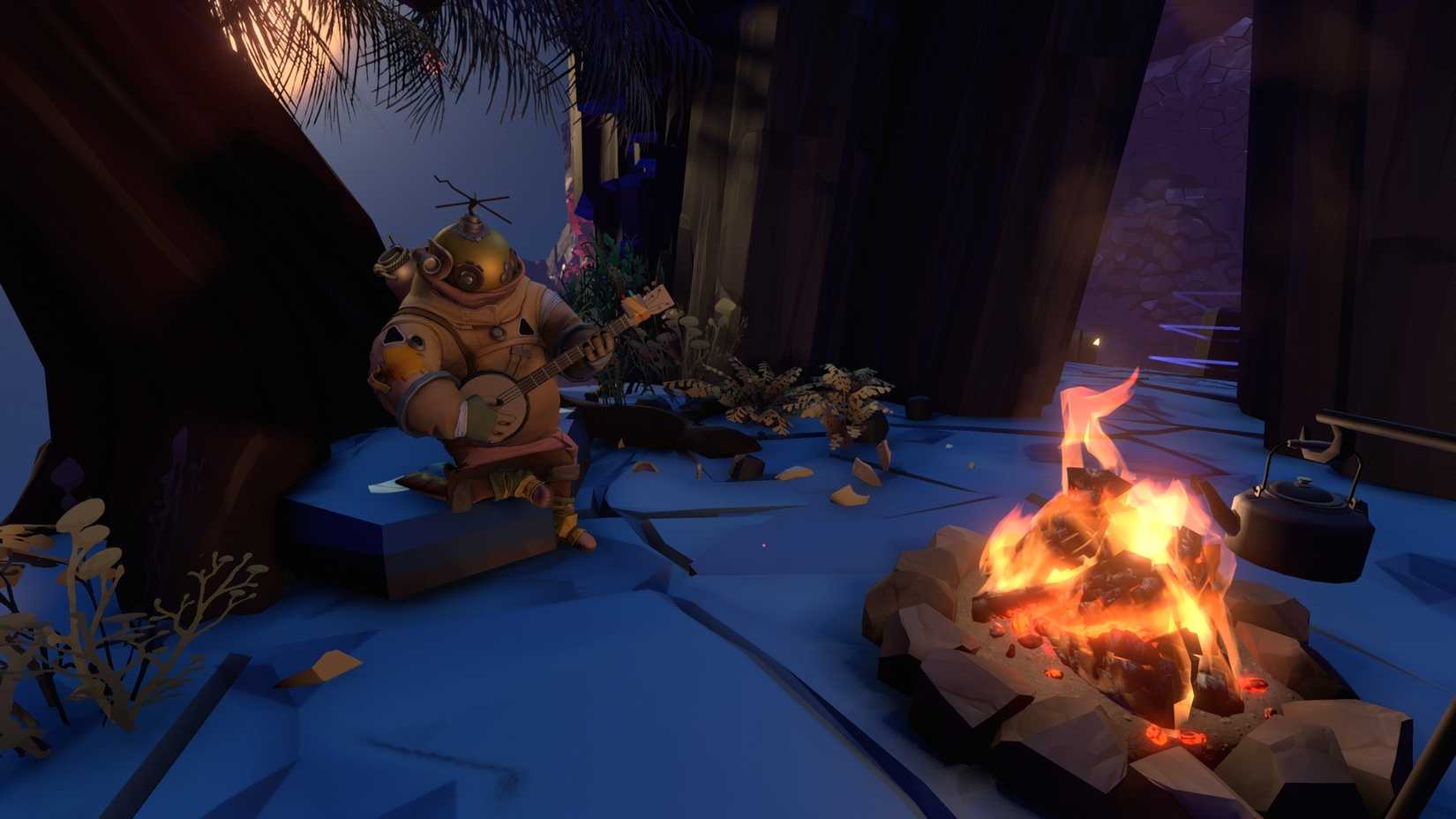
Scavenging the Apocalypse
In the Boston Commonwealth, every piece of junk is a potential building block. The game’s settlement system turns the wasteland into a canvas, and the necessity of scavenging forces players to enter every building and explore every radioactive crater. Whether you are searching for power armor or a rare bobblehead, the game ensures that the risk of wandering into a Super Mutant encampment is almost always worth the loot found within.
5. The Witcher 3: Wild Hunt
The Witcher 3 remains the benchmark for open-world quest design. Its world is not just a place to fight; it is a place to live.

The Value of the Scenic Route
The developers at CD Projekt Red masterfully placed "points of interest" across the map that feel organic rather than checklists. By eschewing fast travel, players can encounter hidden bandit camps, monster nests, or side-quests that provide legendary gear like the Aerondight sword. The game teaches players that the most interesting stories are often found at the edge of the map, miles away from the main quest marker.
4. Skyrim: A Masterpiece of Longevity
It is rare for a game to remain relevant 15 years after release, but The Elder Scrolls V: Skyrim is the exception that proves the rule.

An Alive World
Skyrim excels because it feels like a place that existed before you arrived and will continue long after you leave. The "dungeon crawling" loop—finding a cave, clearing it, and emerging with a new shout or armor set—remains satisfying because of the sheer variety in the environment. It is a testament to the game’s design that even in 2026, it remains more immersive than most modern AAA titles.
3. Grand Theft Auto 5: Los Santos
Rockstar North’s Grand Theft Auto 5 redefined what an urban open world could be. Despite its age, the map of Los Santos remains a masterclass in layout.
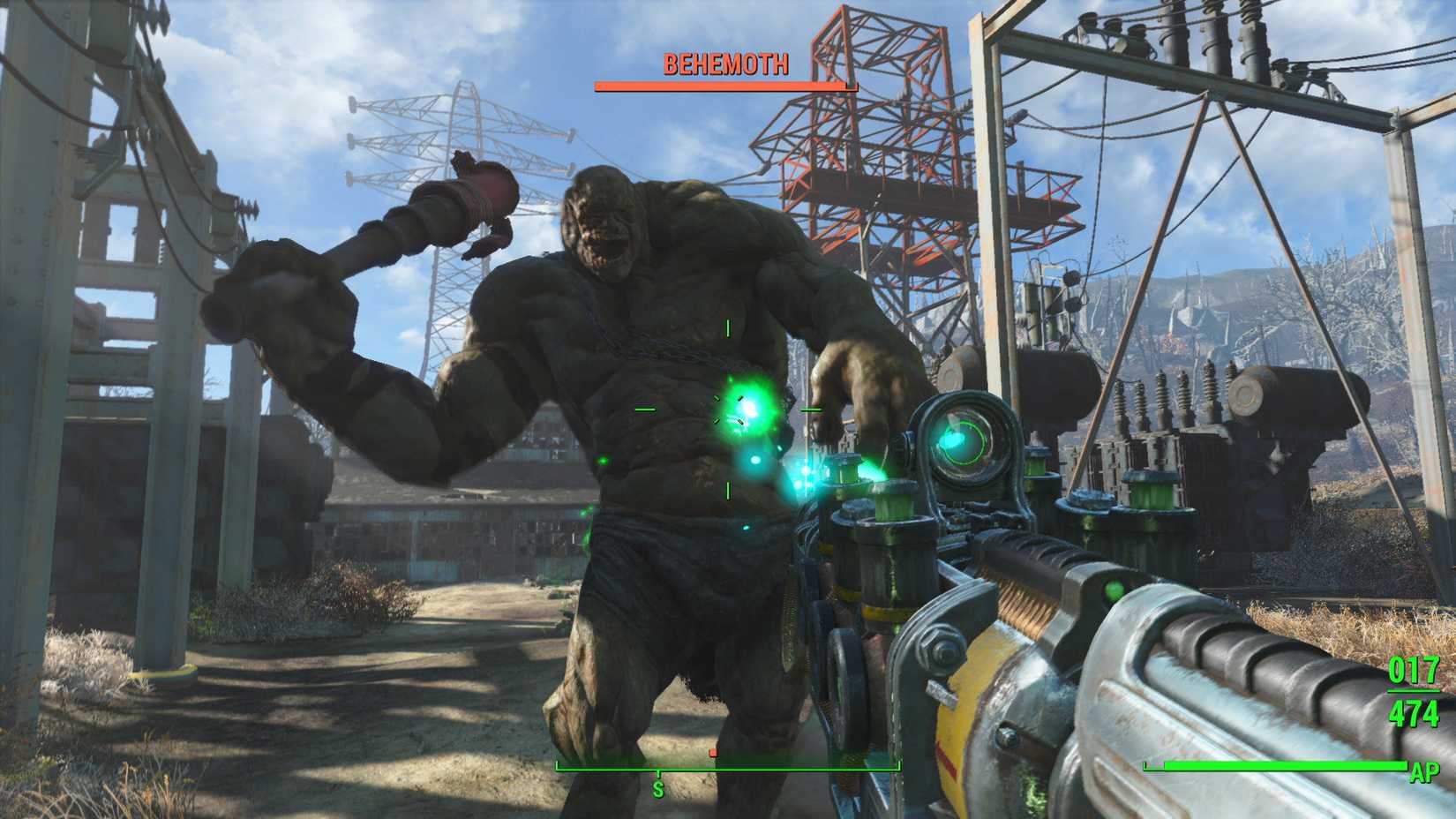
Strangers and Freaks
The game’s brilliance lies in its "Strangers and Freaks" encounters. While driving to a mission, you might witness a high-speed chase or a mugging. These dynamic events make the world feel reactive. The game encourages you to leave the highway and drive into the desert or climb the mountains, knowing that the environment is packed with secrets, easter eggs, and activities that break up the chaos of the main narrative.
2. Red Dead Redemption 2: The Living Frontier
If GTA 5 is a playground, Red Dead Redemption 2 is a living, breathing ecosystem.
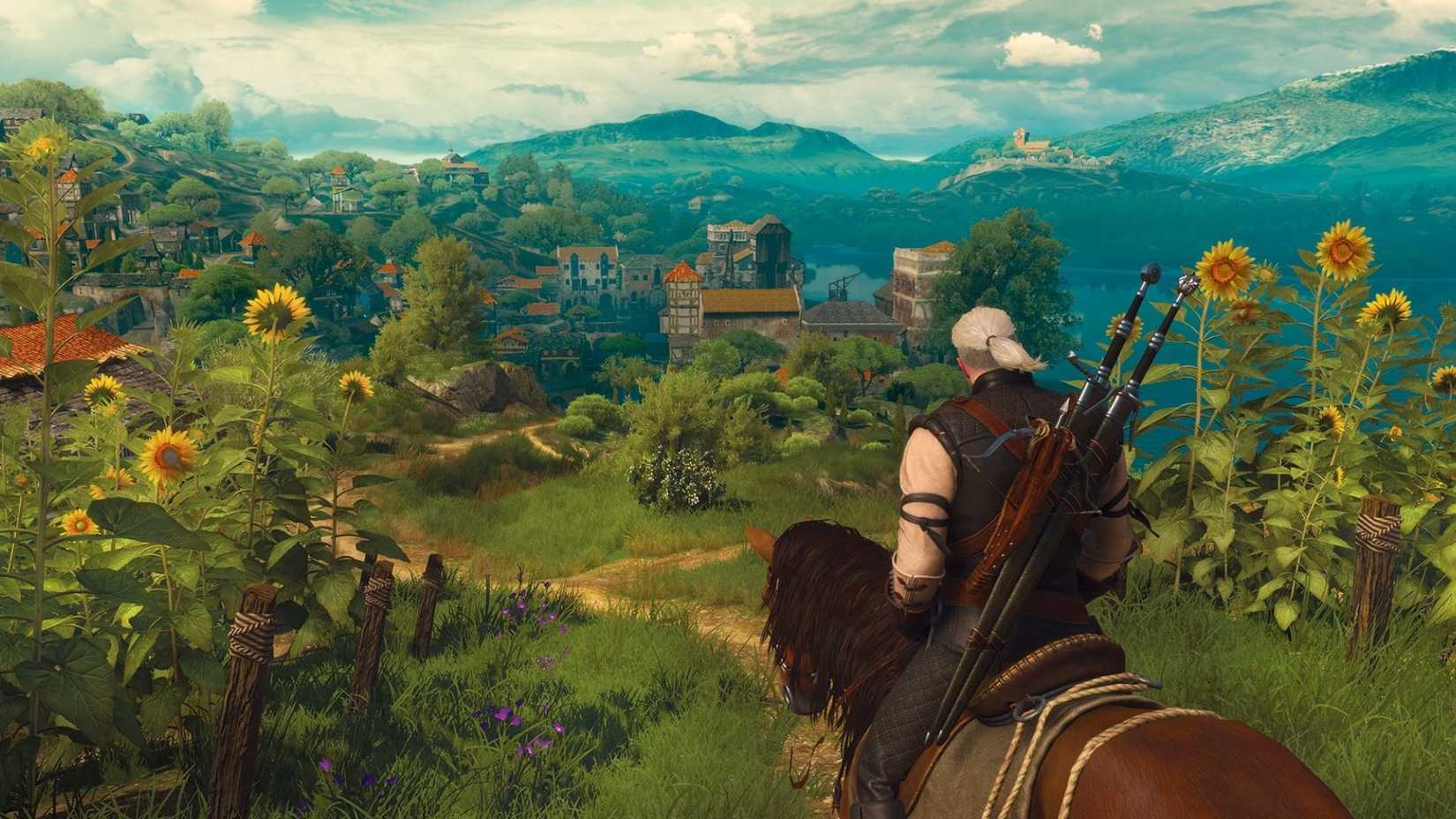
Mechanics of Immersion
The depth of RDR2 is unparalleled. The game’s systems—hunting, tracking, dynamic weather, and NPC behavior—ensure that no two journeys from one town to the next are the same. When you explore the wilderness, you aren’t just looking for "loot"; you are engaging with the world. Finding a rare animal for a unique garment or stumbling upon a hidden cabin with a tragic history provides a level of satisfaction that few other games can replicate.
1. Elden Ring: The Pinnacle of Exploration
FromSoftware took the formula that made Dark Souls legendary and expanded it into the vast, unforgiving, and beautiful Lands Between.

Discipline and Reward
Elden Ring is the ultimate reward for the curious player. It does not hold your hand; instead, it trusts you to find the path. If you take the time to descend into a forgotten catacomb or scale a crumbling cliffside, you are almost guaranteed to find a unique weapon, an incantation, or a challenging boss that tests your mettle. The game succeeds because it makes the player feel like a true adventurer, turning every discovery into a hard-earned victory.
Implications for Future Open-World Design
The success of these ten titles highlights a shift in player expectations. Modern audiences are no longer content with "map markers" and empty space. They demand worlds that react to their presence and reward their curiosity. As we look toward the future of the industry, developers must continue to prioritize depth over breadth. The goal is no longer to build the largest map, but to ensure that every square inch of that map tells a story.

Whether it is the vast reaches of space in No Man’s Sky or the dark, intricate dungeons of Elden Ring, these games demonstrate that when exploration is treated with respect, it becomes the most powerful tool in a developer’s arsenal. By rewarding the player for their time and curiosity, these titles have cemented their place in history, setting a standard that future open-world games will struggle to match.


 Muslim
 Dwi Wanna