

By Editorial Staff
June 29, 2026
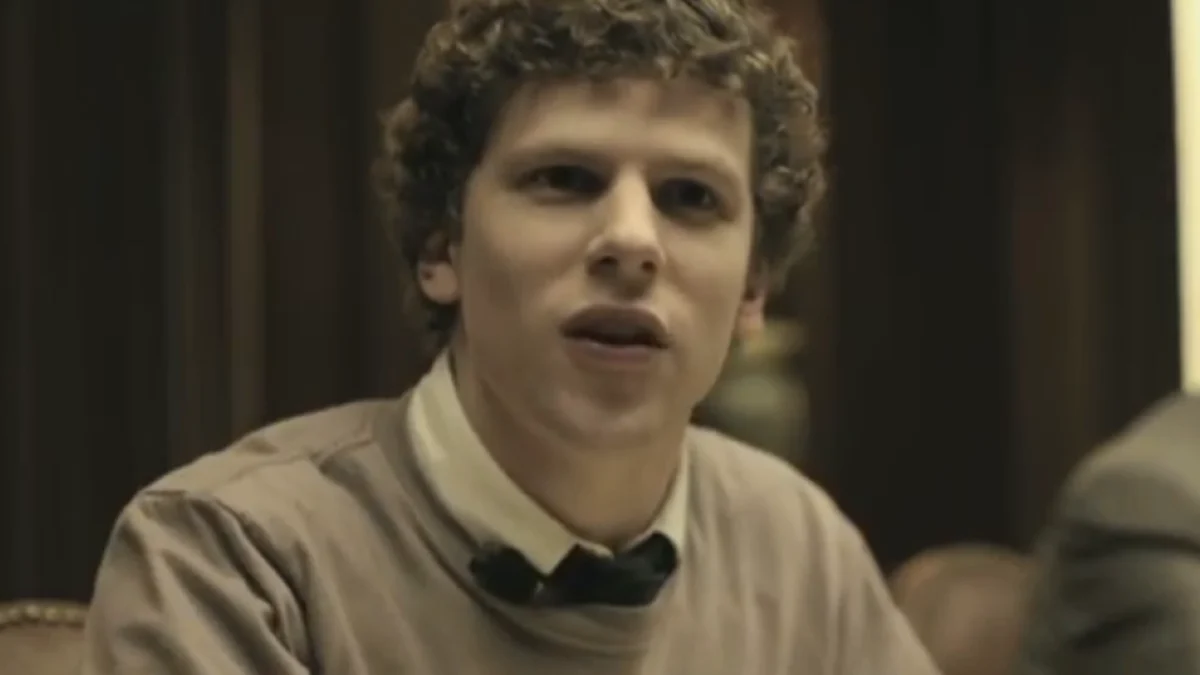
The cinematic landscape of the 2010s was irrevocably altered by David Fincher’s The Social Network, a biting, fast-paced examination of ambition, betrayal, and the birth of the modern digital age. Central to that cultural phenomenon was Jesse Eisenberg’s Academy Award-nominated performance as Mark Zuckerberg—a portrayal that became the definitive image of a Silicon Valley disruptor. However, as production ramps up for the highly anticipated sequel, The Social Reckoning, the role of Zuckerberg will be filled by Succession star Jeremy Strong.
The transition has sparked significant industry conversation. While the casting of Strong is widely viewed as a compelling creative pivot, the absence of Eisenberg—the man who originally inhabited the hoodie—remains the primary point of public curiosity. In a candid series of reflections, Eisenberg has finally peeled back the curtain on his decision to step away from the character that arguably defined his early career.
The Core Conflict: A Departure from the Narrative
The primary fact remains: Jesse Eisenberg, despite deep respect for screenwriter Aaron Sorkin, declined to return to the role of Mark Zuckerberg for The Social Reckoning. The film, which promises to cover the complex evolution of Facebook into Meta and the subsequent geopolitical and ethical firestorms surrounding the company, will now rely on Jeremy Strong’s renowned method-acting intensity to carry the narrative forward.
Eisenberg’s decision was not one made in haste. Speaking to Variety at the premiere of Illumination’s Minions & Monsters, the actor described the process of turning down the script as a deeply difficult professional negotiation. "It’s an honor to speak to Aaron in any capacity, because he’s so articulate and charming and so bright," Eisenberg noted. "We talked about doing the movie for several days. The way Aaron speaks, he speaks so wonderfully—as he writes—that in a way, if you’re not going to do something with him, it feels almost like you’re letting down America."
Yet, the prestige of the project was ultimately outweighed by a fundamental shift in how the actor views the subject matter. Eisenberg confessed that his departure is rooted in a desire to distance himself from the persona of Zuckerberg, a figure whose public perception has shifted drastically since the release of the original 2010 film.
A Chronology of the Zuckerberg Portrayal
To understand Eisenberg’s decision, one must look at the timeline of his relationship with the character:
- 2010: The Social Network is released to critical acclaim. Eisenberg’s portrayal is lauded as a brilliant, nuanced study of genius and isolation.
- 2011–2020: As Facebook grows into an omnipresent global utility, the public begins to scrutinize the platform’s impact on democracy, privacy, and mental health. Eisenberg continues to work on unrelated, critically acclaimed projects.
- 2021: The Facebook whistleblower scandal breaks, revealing internal documents regarding the company’s knowledge of its platform’s harmful effects on teenagers and societal discourse.
- 2025: In an interview with BBC Radio 4’s Today, Eisenberg explicitly critiques the trajectory of the man he once played, noting that he no longer feels comfortable being the face of such a controversial figure.
- 2026 (June): Eisenberg confirms he has officially passed on The Social Reckoning, citing his desire to move in "different directions" and his discomfort with the character’s current legacy.
Ethical Complications: The Weight of Legacy
Eisenberg’s hesitation is not merely a matter of creative exhaustion; it is an ethical one. In his 2025 comments to the BBC, he drew a sharp line between playing a fictionalized version of a historical figure and endorsing the actions of a living person currently embroiled in ongoing controversies.
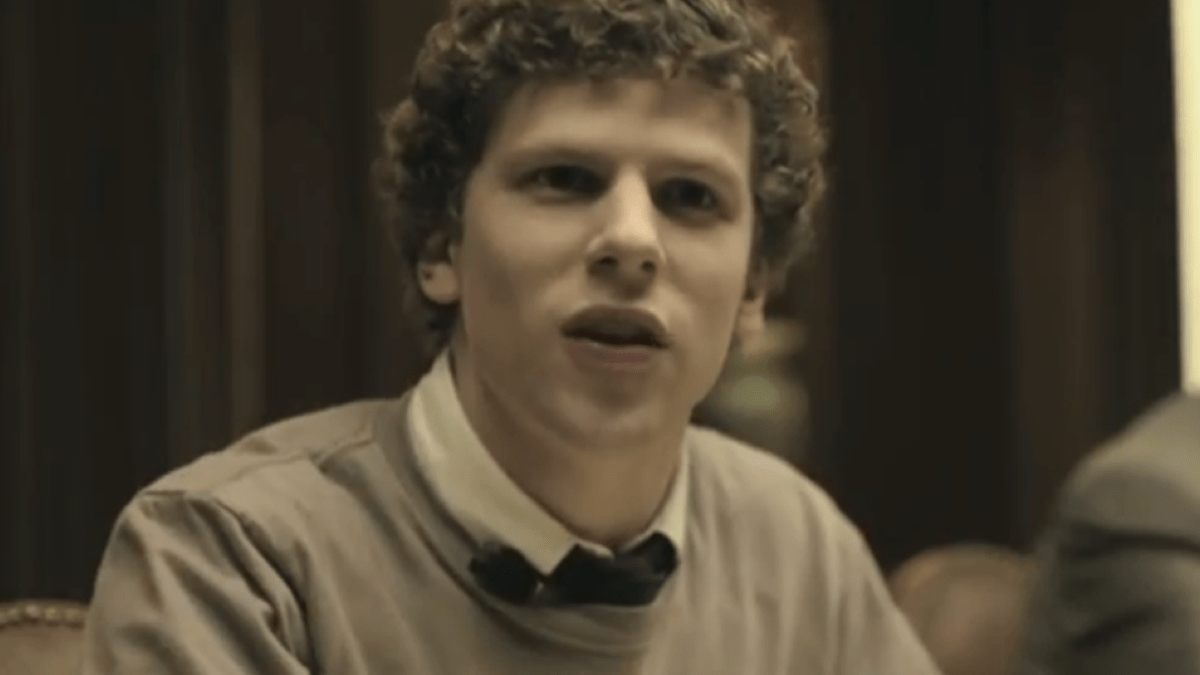
"I haven’t been following [Zuckerberg’s] life trajectory, partly because… when I think of myself as associated with somebody like that, it’s not like I played a great golfer and now people think I’m a great golfer," Eisenberg explained. "It’s this guy that’s doing things that are problematic. Taking away fact-checking and safety concerns, making people who are already threatened in this world more threatened."
This statement highlights the unique burden of actors who portray real-life figures. While historical figures in period dramas are static, the figures in modern biopics are "living entities." When the subject of a film is still actively shaping the world, the actor often finds themselves tied to the ongoing actions and moral failings of that individual. For Eisenberg, the gap between the "academic" study of a young programmer and the current reality of a tech mogul became too wide to bridge.
The Industry Perspective: Sorkin and the Sequel
Aaron Sorkin, known for his rigorous research and rhythmic dialogue, has long been a champion of Eisenberg’s work. Despite the actor’s refusal, there is no public animosity between the two. Sorkin’s The Social Reckoning is poised to be one of the most significant releases of the year, and the casting of Jeremy Strong suggests a shift in tone. If Eisenberg’s Zuckerberg was defined by youthful, frenetic energy, Strong’s interpretation will likely lean into the stoic, perhaps more menacing, gravity of a man who has conquered the digital world.
The decision to move forward without Eisenberg indicates that the film is not a "direct sequel" in the traditional sense of character development, but rather a thematic continuation of Sorkin’s critique of the digital age. By casting a different actor, the production effectively signals to the audience that this is a new chapter—a reckoning, rather than a continuation.
Implications for Future Biopics
The "Eisenberg Precedent" may have long-standing implications for how Hollywood approaches the biographical genre. As social media allows the public to track the daily mistakes and successes of high-profile figures, the risk of "moral contagion"—where an actor is tainted by the actions of their subject—becomes a genuine concern for talent management.
Actors are increasingly choosing to avoid roles that require them to act as proxies for figures whose public standing is volatile. This is particularly true for those who have previously portrayed these figures in more innocent, early-stage contexts. We are entering an era where the "reprise" is no longer a given. Instead, we may see more anthology-style approaches to biopics, where different actors cycle through roles as the figure’s life story reaches different, more contentious phases.
Looking Ahead
As we look toward the release of The Social Reckoning on October 9, 2026, the focus will inevitably shift from the behind-the-scenes casting drama to the film itself. Will Jeremy Strong’s portrayal capture the complexities of a man who has become a household villain to many? Will Sorkin’s script manage to balance the technical brilliance of the platform with the social cost of its existence?
Jesse Eisenberg has chosen to step off the stage, prioritizing his personal integrity and his desire to explore new creative avenues over the safety of a familiar role. While his presence will be missed by those who saw him as the definitive Zuckerberg, his decision provides a refreshing, if sober, look at the responsibilities actors feel toward the stories they choose to tell. In the end, Eisenberg’s refusal to return might be the most "Zuckerberg-esque" move of all: a cold, calculated decision to cut ties with a brand that no longer aligns with his vision of his own future.










