Pevita Pearce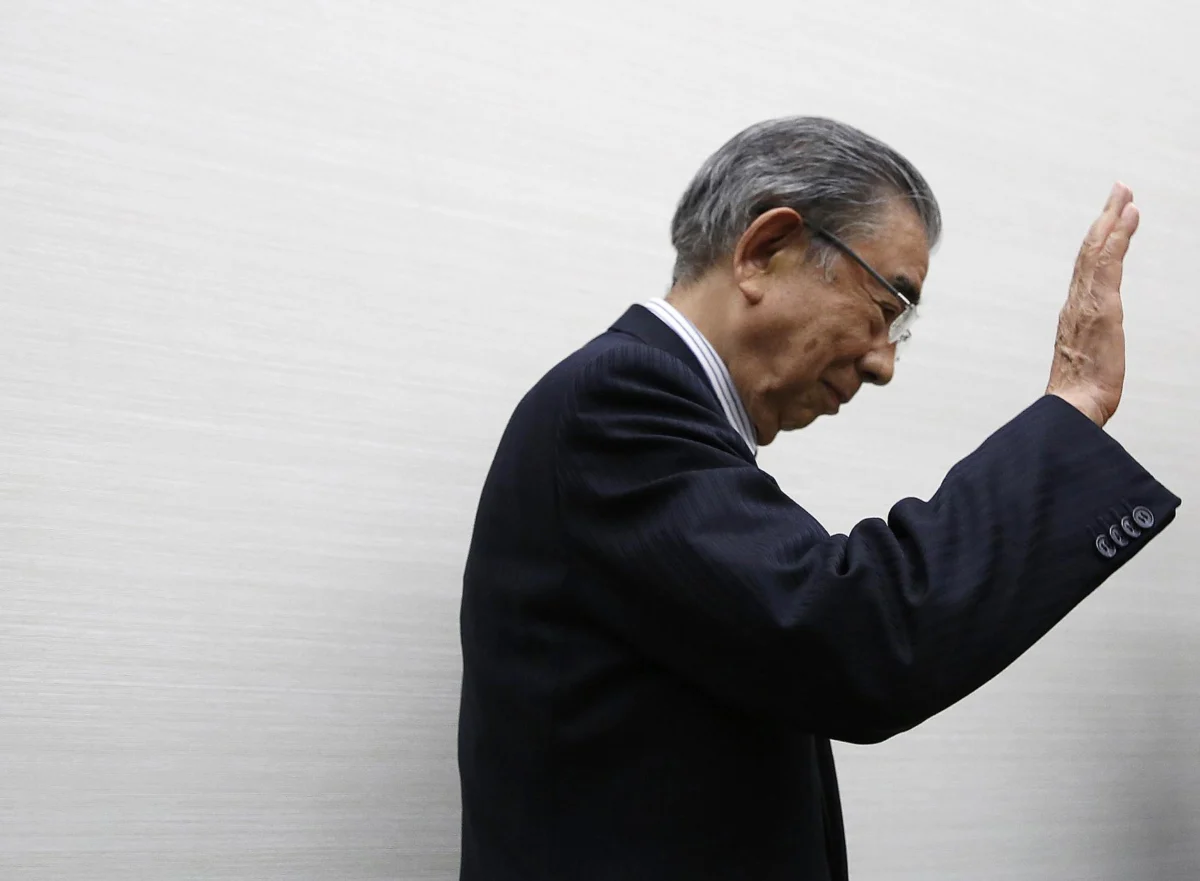
Toshifumi Suzuki, the visionary titan who transformed the Japanese retail landscape from a collection of mom-and-pop shops into a high-tech, data-driven convenience empire, has died. Seven & i Holdings, the parent company of the global 7-Eleven brand, confirmed on Monday that Suzuki passed away on May 18 due to heart failure. He was 93.
Often referred to as the "father of the Japanese convenience store industry," Suzuki’s influence extended far beyond the walls of his shops. By importing a modest American business concept and recalibrating it with surgical precision to fit the Japanese lifestyle, he created a societal pillar that serves millions of citizens daily. His passing marks the end of an era for the global retail sector, leaving behind a legacy of operational excellence and a blueprint for inventory management that remains the gold standard for companies worldwide.
Chronology: A Life of Retail Innovation
The trajectory of Toshifumi Suzuki’s life was defined by an uncanny ability to anticipate consumer needs long before they were articulated. Born in Nagano in 1932, Suzuki’s early career began in the world of book distribution, a role that honed his understanding of the importance of logistics and supply chains.
1963: The Ito-Yokado Pivot
Suzuki joined the retailer Ito-Yokado in 1963. At the time, the company was a traditional merchant operation. However, Suzuki quickly identified that the retail world was on the precipice of a seismic shift.
1973–1974: The 7-Eleven Gamble
Perhaps the most pivotal moment in his career occurred in 1973 when he spearheaded a partnership with Southland Corp, the U.S.-based operator of 7-Eleven. The move was met with widespread skepticism within his own organization and across the Japanese business community. Critics argued that Japan’s existing "shotengai" (traditional shopping streets) and neighborhood grocers would never yield to a Western-style convenience model. Suzuki proved them wrong; the first 7-Eleven store opened in Tokyo in 1974, and within years, it became an omnipresent feature of Japanese life.
1991: The Reverse Acquisition
In a move that stunned the global financial community, Suzuki led the rescue of his U.S. partner, Southland Corp, in the early 1990s. After the parent company filed for bankruptcy under the weight of massive debt from a leveraged buyout, Suzuki orchestrated a takeover that turned the student into the teacher. Under his guidance, the Japanese operational model was exported back to the United States, effectively saving the brand from total collapse.
2005–2016: The Conglomerate Era
In 2005, Suzuki established Seven & i Holdings, a massive retail conglomerate that integrated department stores, supermarkets, and the ubiquitous 7-Eleven chain under a single corporate umbrella. He served as the group’s chairman until 2016, when he stepped down following a high-profile internal management dispute. Despite his formal departure, he remained a towering, albeit behind-the-scenes, influence in the industry until his final days.
Supporting Data: The Science of the "Convenience" Model
Suzuki’s success was not merely a matter of branding; it was a triumph of information technology and logistics. Before the internet age truly matured, Suzuki pioneered the use of "single-item management" (tanpin kanri).
Data-Driven Inventory
Unlike his competitors, who stocked shelves based on gut instinct, Suzuki mandated that every 7-Eleven store track the movement of individual items. He insisted on knowing exactly what sold, at what time of day, and under what weather conditions. This granular data allowed for:
- Rapid Inventory Turnover: Stores could stock only what was likely to sell within a 24-hour period, minimizing waste and maximizing shelf space efficiency.
- Ready-to-Eat Sophistication: By leveraging data, Suzuki identified a massive demand for fresh, high-quality meals (bento boxes, onigiri) that could be delivered multiple times a day. This effectively turned 7-Eleven into a de facto neighborhood cafeteria.
- The Power of the POS System: Suzuki was among the first retail leaders to implement sophisticated Point of Sale (POS) systems that acted as a two-way communication channel between store shelves and headquarters.
Economic Impact
Today, the 7-Eleven brand under Seven & i Holdings operates over 80,000 stores globally. In Japan alone, the "konbini" (convenience store) sector—dominated by the model Suzuki perfected—generates tens of billions of dollars in annual revenue and serves as a vital infrastructure for disaster management, utility payments, and parcel shipping.
Official Responses and Industry Reflections
The announcement of Suzuki’s passing triggered an outpouring of tributes from the Japanese corporate sector and international retail leaders.
A statement from the Board of Seven & i Holdings noted: "Mr. Suzuki was a transformative figure whose leadership redefined the retail experience not just in Japan, but globally. His commitment to the customer and his relentless pursuit of operational efficiency set a standard that our entire organization continues to strive toward. We mourn the loss of a mentor, a visionary, and a pioneer."
Industry analysts have also weighed in. "Toshifumi Suzuki didn’t just sell snacks and drinks," said Kenji Tanaka, a senior retail strategist based in Tokyo. "He sold time. He understood that in a fast-paced society, the greatest commodity is convenience. By integrating logistics, data, and food quality, he made 7-Eleven an indispensable part of the urban fabric. His death is a profound loss for the retail world."
Implications: The Legacy of a Retail Titan
As the retail industry faces the existential threats posed by e-commerce and the automation of labor, the principles laid down by Toshifumi Suzuki remain remarkably relevant.
The Human Element
Despite his obsession with data, Suzuki was known as an avid reader and a man of intellectual curiosity. He often spoke about the "human" element of retail, arguing that data was only as good as the person interpreting it. He encouraged his store managers to walk the sales floors and observe the actual behavior of customers, believing that numbers alone could never capture the nuances of human desire.
Future Challenges for Seven & i Holdings
Suzuki’s legacy leaves his successors with both a robust foundation and a difficult challenge. As the company navigates potential divestments and pressure from activist investors, the "Suzuki Method"—which prioritizes long-term operational excellence over short-term financial engineering—is being tested. The company is currently in a state of transition, and observers are watching to see if the culture of innovation he fostered can survive the pressures of a modern, aggressive global market.
A Cultural Icon
Beyond the balance sheets, Suzuki’s impact on Japanese culture is immeasurable. The 7-Eleven store in Japan serves as a safety net: it is where the elderly pay their taxes, where the salaryman gets his morning coffee, and where tourists find their first introduction to Japanese hospitality. By elevating the quality of convenience store food to a level that rivals high-end dining, Suzuki removed the stigma of "fast food," proving that accessibility does not have to come at the expense of quality.
Toshifumi Suzuki lived through the entirety of Japan’s post-war economic miracle. He saw the shift from a scarcity-driven economy to an abundance-driven one, and he was the one who ensured that, at any hour of the day or night, the Japanese people would never find themselves without the essentials of life. As the industry looks toward a future of AI and robotics, it is worth remembering that the foundation of it all was laid by a man who simply wanted to know what his customers wanted to eat for lunch, and why.
He was more than a merchant; he was an architect of the modern Japanese lifestyle. His absence will be felt in every bright, humming store front that remains open in the small hours of the morning—a testament to his tireless belief that the world, even in its most mundane moments, could be made better, faster, and more convenient.


 Neng Nana
 Asro
Asro