Ali Ikhwan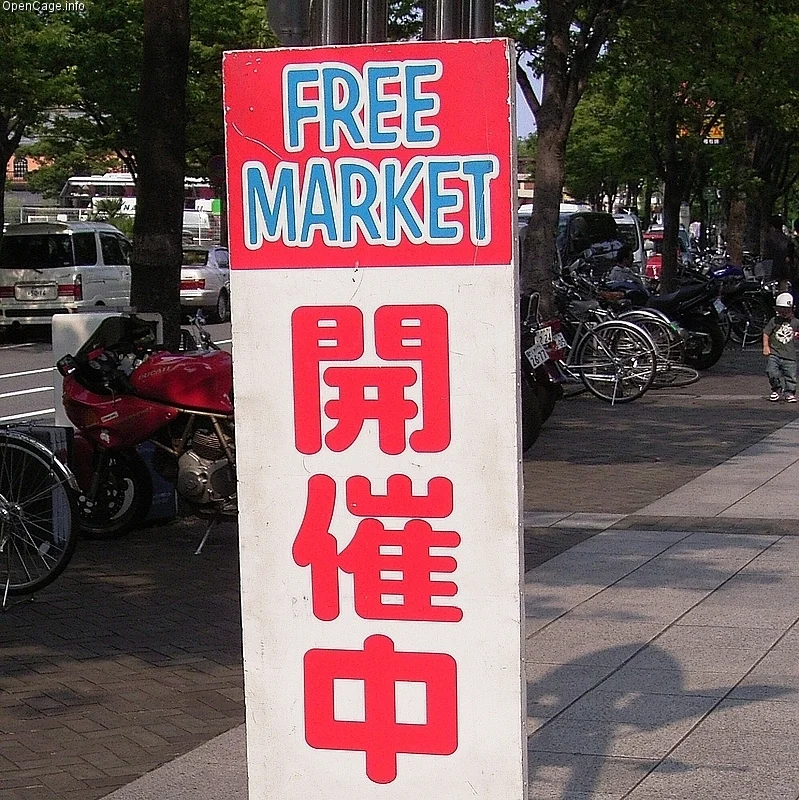
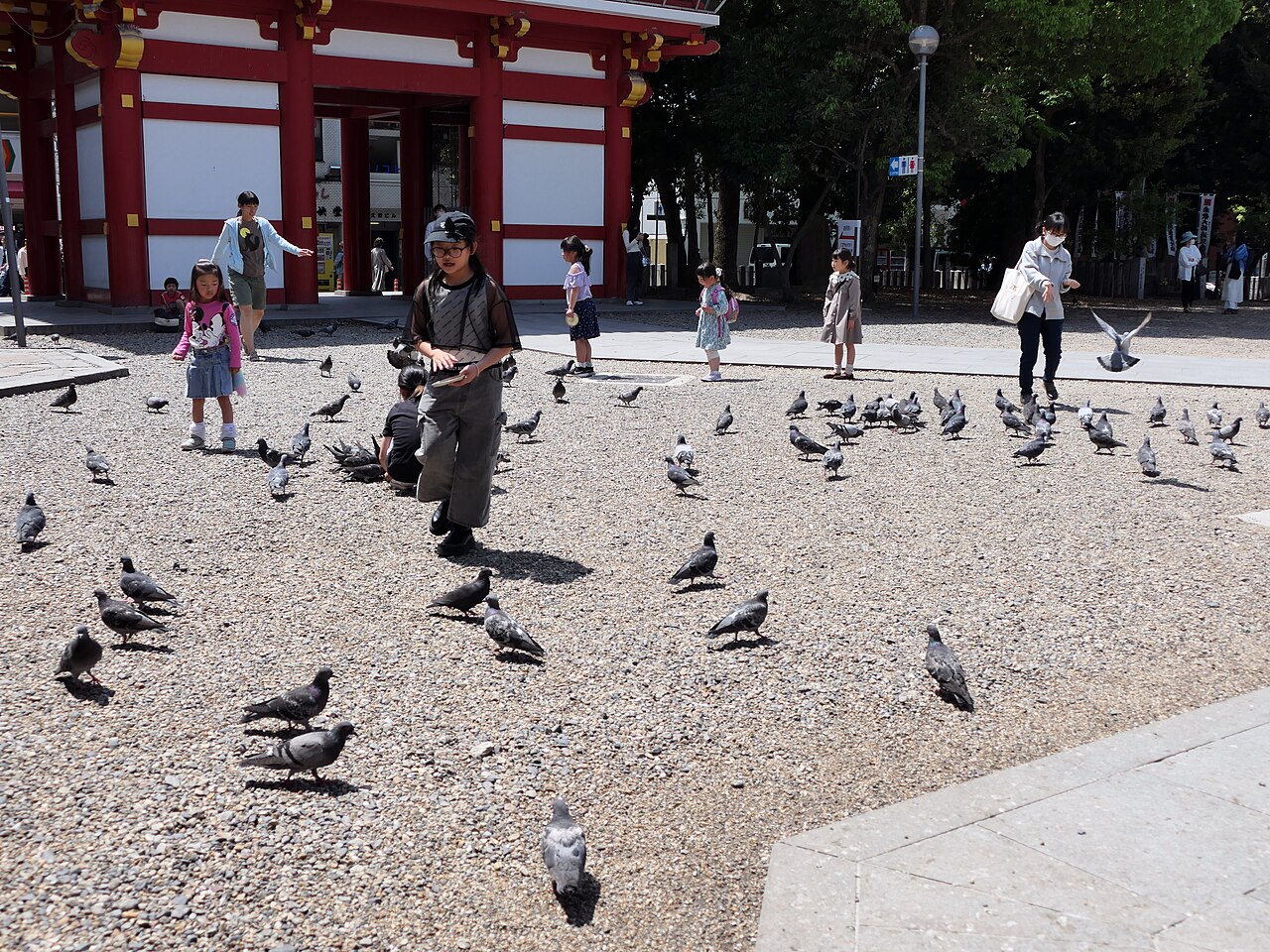
While the golden route of Tokyo, Kyoto, and Osaka dominates the Japanese tourism narrative, those seeking a more authentic, tactile connection to the country’s history often find themselves in Nagoya. Tucked away in the city’s heart, the Osu Kannon Temple hosts one of Japan’s most vibrant and underrated cultural phenomena: the bi-monthly Antique Market. Far from the polished, curated museum displays of the capital, this is a living, breathing marketplace where Edo-period relics, Showa-era ephemera, and samurai history are traded by locals in the shadow of a centuries-old Buddhist sanctuary.
Main Facts: The Osu Kannon Antique Market
The Osu Kannon Antique Market (Osu Kannon Kotto-ichi) is held on the 18th and 28th of every month. The event transforms the wide, paved precinct of the Osu Kannon Temple into a bustling gallery of history.
- Scale: Typically 80 stalls on a weekday; this number often swells to over 120 on weekends.
- Pricing Spectrum: Items range from accessible ¥500 trinkets—ideal for the casual traveler—to serious collector pieces reaching ¥500,000 or more.
- Accessibility: The market is located in the Naka-ku district of Nagoya, easily reached via the Tsurumai subway line.
- Atmosphere: Unlike the tourist-centric markets of Kyoto, this is a working venue for local collectors. It is not uncommon for international visitors to find themselves the only non-Japanese individuals in the aisles.
Chronology and Institutional Continuity
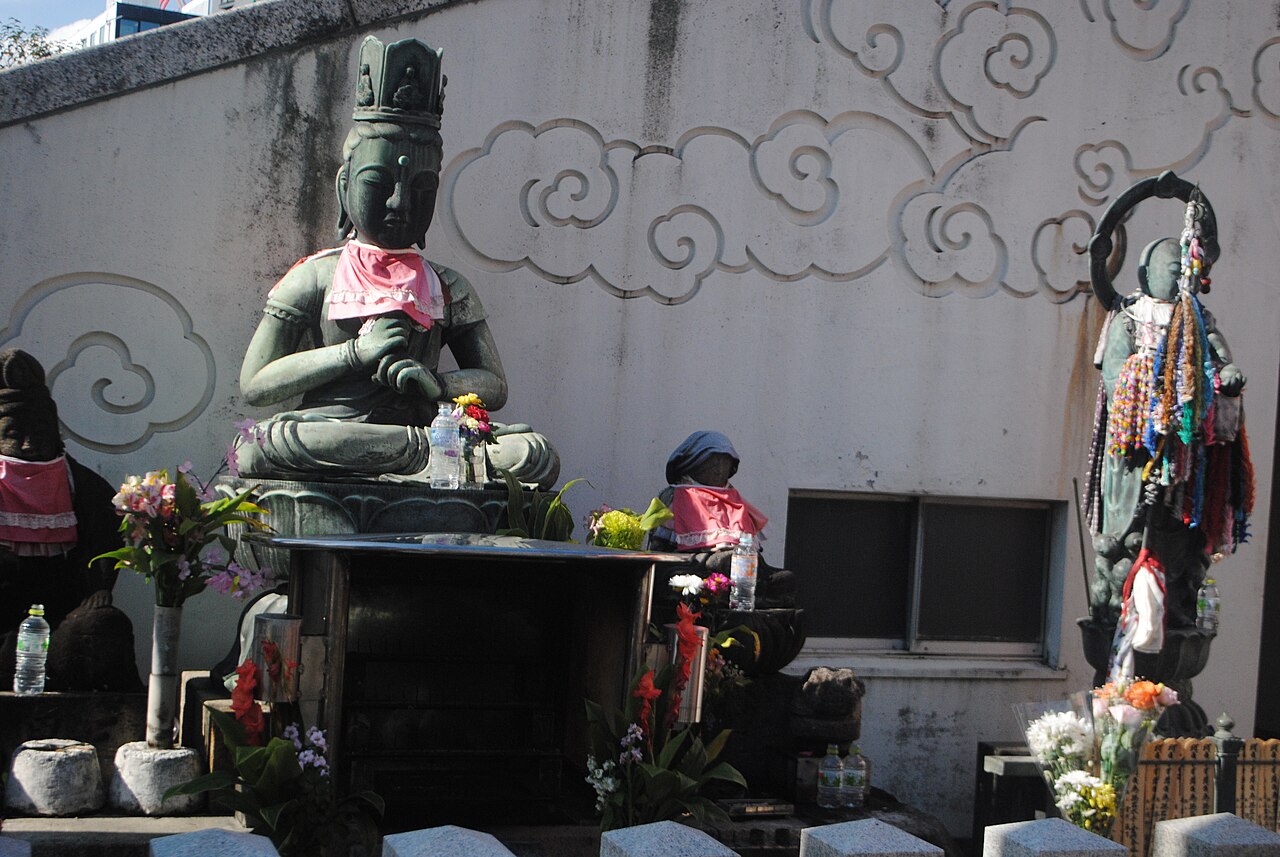
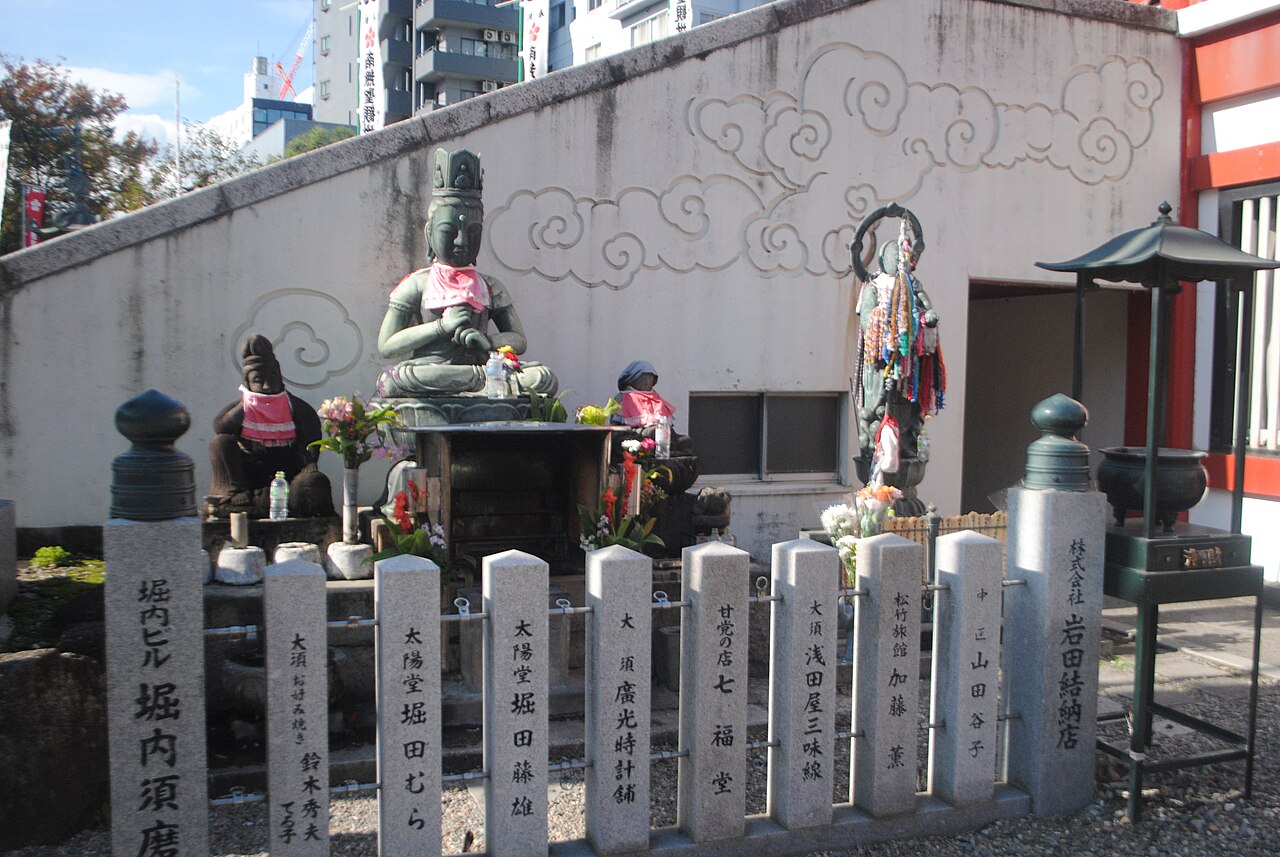
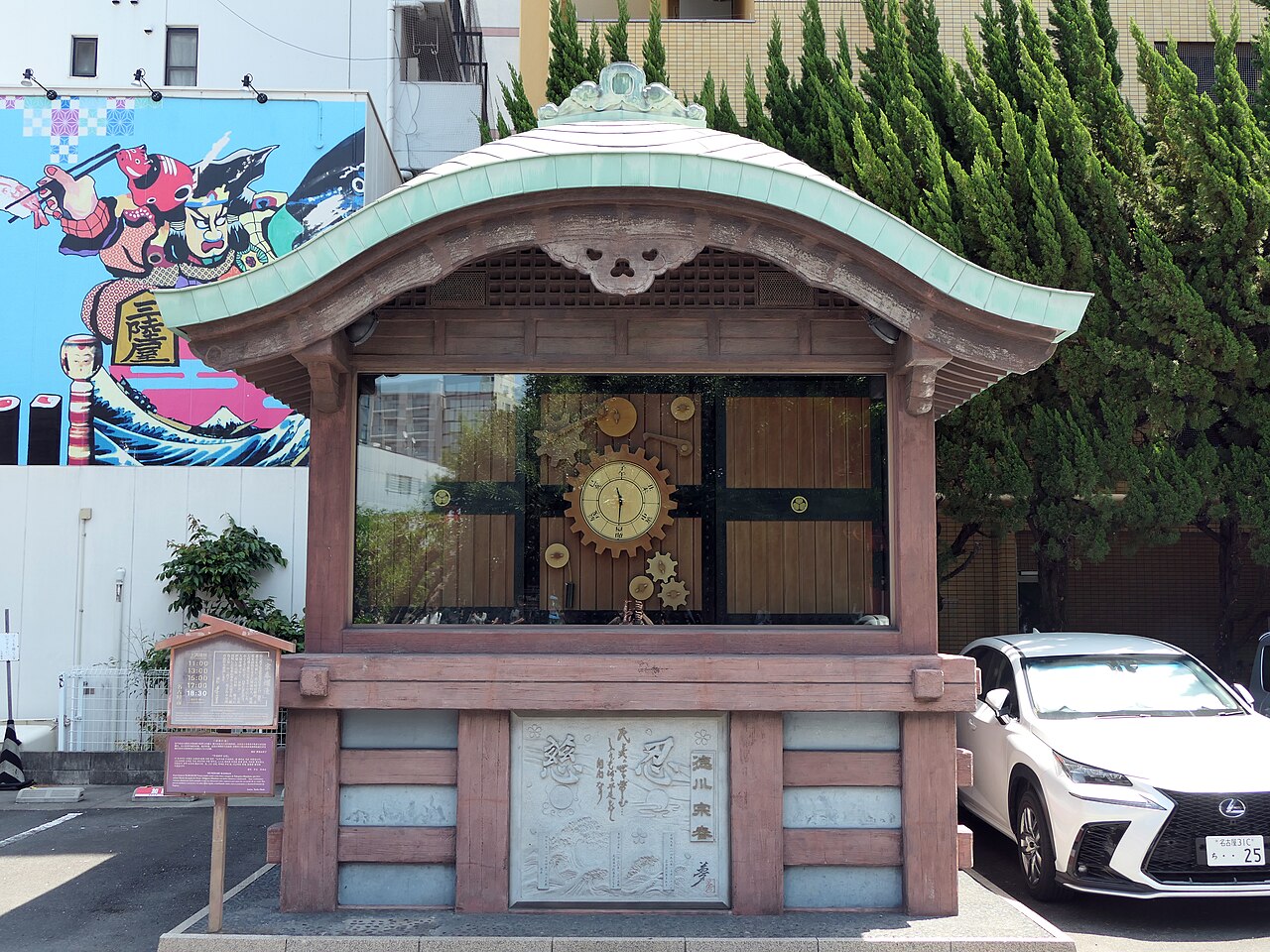
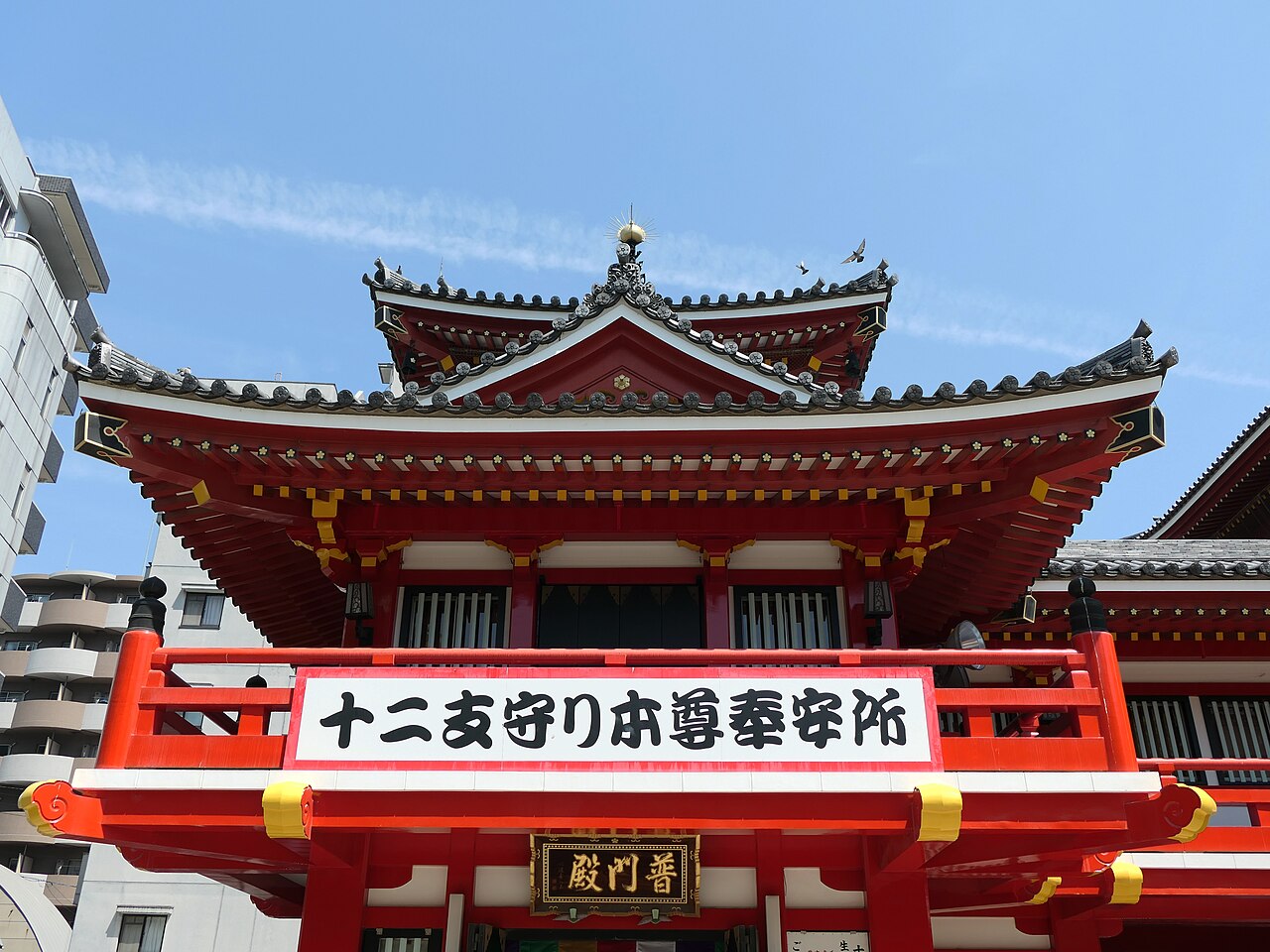
To understand the significance of the market, one must understand the temple that anchors it. The Osu Kannon Temple (officially Kitano-san Shinpuku-ji Hosho-in) has a history that traces back to 1333, when it was originally founded in the Mino Province. In 1612, the shogun Tokugawa Ieyasu—a master of urban planning who understood the power of religious institutions to solidify a new capital—ordered the temple moved to Nagoya to serve as the spiritual and commercial anchor of his new castle town.
While the current main hall is a 1970s reconstruction—necessitated by the destruction of the original structure during the air raids of World War II—the temple’s institutional soul remains intact. It serves as the repository for the Shinpukuji Bunko, a collection of national treasures including some of the oldest surviving copies of the Kojiki (Japan’s oldest book) and the Manyoshu. While these priceless manuscripts are kept in the temple’s library and are rarely on public display, their presence lends a palpable gravity to the grounds. When you walk through the market on the 18th or 28th, you are not merely shopping; you are participating in a tradition of trade that has persisted in this specific urban coordinate for over four centuries.
The Marketplace: A Tapestry of Objects
The Osu market defies categorization. It is a chaotic, delightful intersection of eras. A typical stroll through the aisles reveals:
- Textiles: Meiji and Taisho-era kimono and obi sashes, often sold by dealers who specialize in preserving these silk masterpieces.
- Ceramics: A heavy emphasis on the regional output of the Seto and Tokoname kiln districts, which are among Japan’s oldest ceramic centers.
- Historical Ephemera: Edo-period woodblock prints (ukiyo-e), wartime memorabilia, and Showa-era vinyl records that track the modernization of Japanese pop culture.
- The Unexpected: It is common to find uncatalogued samurai armor, antique iron kettles (tetsubin), and vintage lacquerware that has sat in private family collections for decades before finding its way to a stall.
Strategic Insights: Navigating the Market
For the international visitor, the Osu Kannon market requires a different set of skills than shopping in a retail store.
Pricing and Negotiation
Haggling is an accepted part of the culture here, but it is a dance of mutual respect. In Japan, the "hard sell" or aggressive bargaining is frowned upon. A polite inquiry regarding a price is the standard opening. If you feel the price is high, a request for a 10–15% discount is considered standard practice. Anything beyond that can be viewed as insulting to the vendor, who often views their items as pieces of history rather than mere commodities.
The Cash-Only Reality
Despite Japan’s recent push toward digital payments, the Osu market remains a bastion of physical currency. While a few high-end dealers may accept digital payments for significant transactions, the vast majority of stalls operate exclusively in cash. Travelers should ensure they arrive with a healthy supply of ¥5,000 and ¥10,000 notes.
Authentication and Risk
The market is not a curated gallery; there are no guarantees of authenticity. For high-value items, such as ceramics or swords, experienced collectors rely on their own expertise or seek out items with hakogaki—the handwritten inscriptions on storage boxes that denote the provenance and authenticity of the piece. As a general rule, the casual buyer should treat the market as an opportunity to purchase items they love for their aesthetic value rather than as a primary investment vehicle.
The Broader Nagoya Flea Market Ecosystem
Osu is the headline, but it is merely one part of a larger, well-oiled machine of regional antique trading. For those whose itineraries are flexible, Nagoya offers a dense calendar of events:
- Wakamiya Hachimangu Antique Market: Held on the first Saturday of each month. It is slightly more intimate and focused on classical Japanese antiques.
- Toyota Daihatsu Shrine Market: Taking place on the 8th of each month, this is a community-driven event, perfect for those interested in retro toys and nostalgic household items.
- Shinshoji Temple Antique Fair: Occurring on the second Sunday of each month, this is arguably the best place in the city to find high-quality local pottery from the nearby Seto-Tokoname regions.
- Heiwa Park Weekly Market: Every Sunday, this park hosts a more general flea market. While less "antique-focused," it offers a fantastic window into the daily life and domestic trends of Nagoya residents.
Implications for the Modern Traveler
The existence of these markets in the heart of a major industrial city like Nagoya carries profound implications for our understanding of Japanese culture. In a country that is often perceived as hyper-modern, these markets represent a deliberate, monthly pause. They are a physical manifestation of mottainai—a cultural philosophy that emphasizes the avoidance of waste and the honoring of the lifespan of an object.
For the traveler, these markets provide a rare, unmediated experience. You are not being sold a "Japanese experience" designed for a brochure; you are walking alongside a local retiree hunting for a teacup, or a young artist looking for inspiration in a faded Meiji-era textile.
Practical Advice for the Visit
- Timing: The "Golden Window" for the Osu market is between 9:00 AM and 11:00 AM. By the afternoon, the best items have often been claimed by professional dealers, though price negotiations may become easier as vendors look to lighten their load for the return trip.
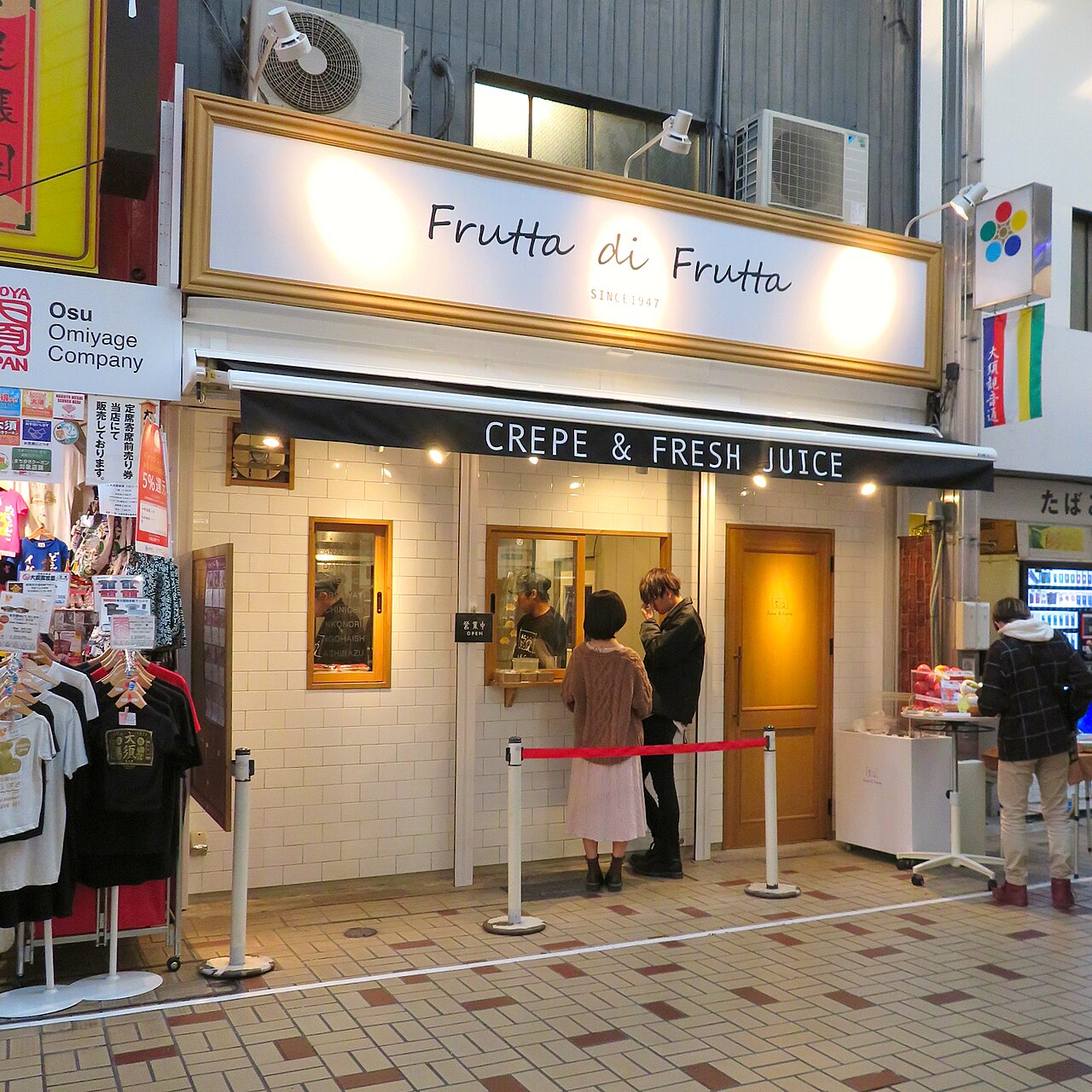
- Logistics: The Osu shopping district itself, which abuts the temple, is one of the largest covered arcade networks in Japan. This provides a natural climate-controlled buffer, making the area a viable destination even during the rainy season.
- Logistics of Shipping: If you purchase an item of significant size or fragility, do not rely on the stallholder for logistics. Locate the nearest Yamato Transport (Kuroneko) office. The Japanese postal and courier systems are world-class, and arranging for a fragile shipment to your home country is a straightforward process for the vendors who are accustomed to domestic shipping.
Conclusion: Is it Worth the Journey?
If you are a first-time visitor to Japan who is strictly following a "top-ten" list of shrines and skyscrapers, the Osu Kannon Antique Market may feel like a detour. However, for the traveler who views a destination as a collection of stories rather than a checklist of sites, Osu is essential.
The juxtaposition of the ancient temple, the roar of the surrounding city, and the quiet, deliberate trade of history makes this one of the most rewarding half-day experiences in central Japan. Whether you walk away with a ¥500 ceramic shard or a priceless heirloom, the value of the market lies in the encounter itself: a chance to touch the remnants of Japan’s past in a place that is, quite literally, still building its future.


 Neng Nana
 Asro
Asro