

Japanese convenience stores—or konbini—have long been celebrated as the gold standard of retail efficiency and culinary surprise. While tourists often flock to the shelves for onigiri or egg salad sandwiches, a quiet revolution has been taking place in the freezer aisles. Since the onset of the COVID-19 pandemic, which shifted consumer habits toward home-centric consumption, 7-Eleven’s frozen dessert line has evolved from a secondary convenience option into a destination category for food enthusiasts.
Among these rising stars, one product has transcended the typical "microwaveable snack" reputation to earn cult status: the 7-Eleven "Pancake with Cream & Chocolate Chunks." With its restaurant-grade presentation and surprising flavor profile, this frozen treat has become a litmus test for those hunting for the best value-for-money desserts in Japan.
The Rise of the Konbini Gourmet
For decades, convenience store sweets were viewed as "good enough" for a late-night craving. However, the paradigm shifted in 2020. As social distancing limited visits to traditional cafés and patisseries, consumers sought high-quality alternatives that could be stored for extended periods.
7-Eleven Japan responded by investing heavily in frozen technology, focusing on desserts that could withstand the freezing process without compromising texture. The "Pancake with Cream & Chocolate Chunks" is the crown jewel of this initiative. By offering a product that requires a brief stint in the microwave—a process that transforms a frozen block into a warm, decadent dessert—7-Eleven has successfully bridged the gap between a factory-produced snack and a café-style indulgence.
A Culinary Chronology: From Freezer to Table
The experience of consuming this dessert is a multi-sensory event, structured by a specific preparation process that adds to its allure.
1. The Hunt
Finding the product is, in itself, a challenge. Unlike standard ice cream bars or frozen waffles, this dessert is often tucked away in the deepest corners of the freezer section. Reports from consumers across Japan indicate that stock is inconsistent, leading to a "treasure hunt" culture. Successfully locating one is often met with genuine excitement, adding a layer of scarcity that fuels its viral popularity on social media platforms like X (formerly Twitter) and Instagram.
2. The Unboxing and Initial Impression
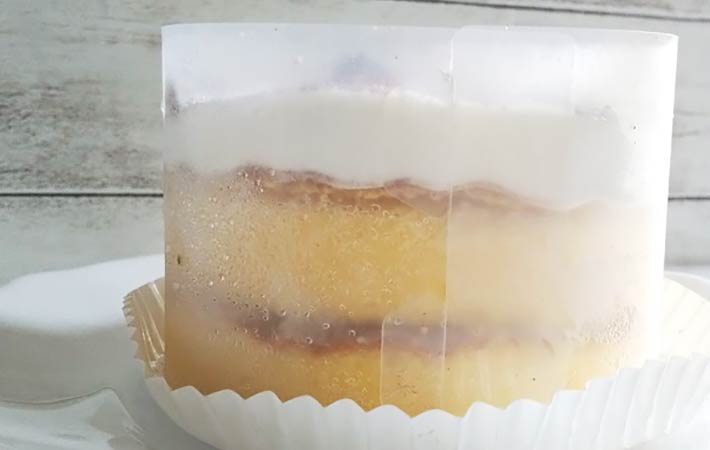
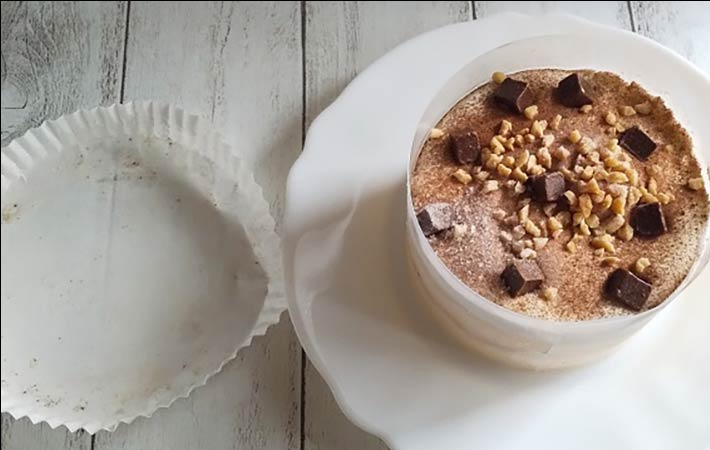
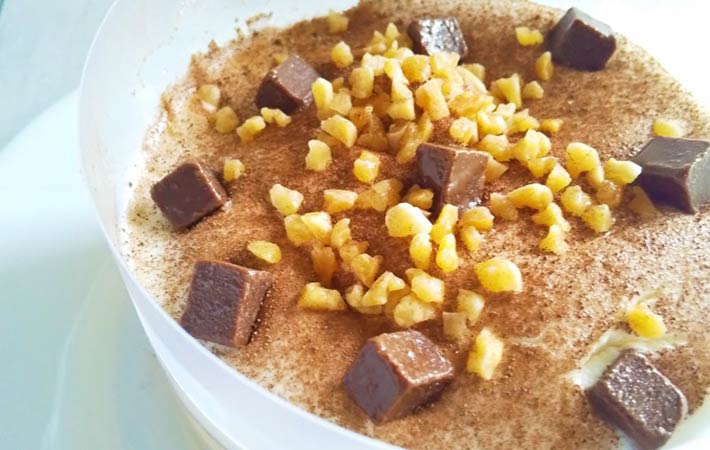
Upon removing the packaging, the visual fidelity is striking. Most frozen foods suffer from "box-art deception," where the final product bears little resemblance to the professional photography on the label. 7-Eleven defies this trend. The pre-warmed pancake boasts a generous topping of milk cream, chocolate chunks, almond slivers, and a dusting of cocoa powder. Viewed from the side, the structural integrity of the layered cream and fluffy pancake is immediately apparent, rivaling the presentation of a sit-down bistro dessert.
3. The Microwave Transformation
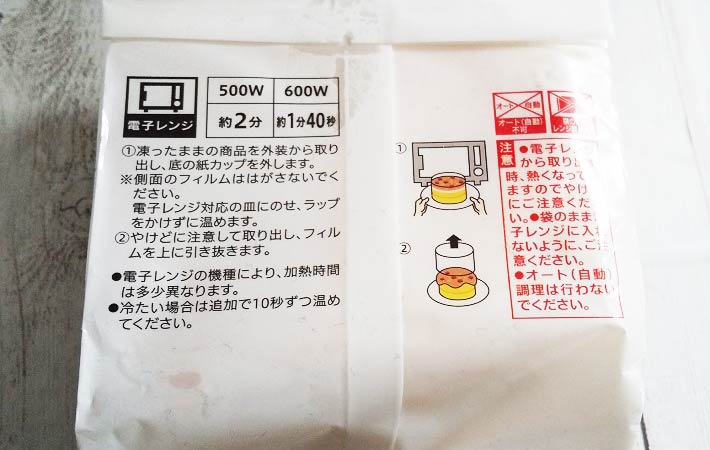
Preparation requires precision. After removing the protective paper cup, the pancake is heated in a 500W microwave for two minutes. This stage is where the magic—and the anxiety—occurs. There is a palpable concern among consumers: Will the cream melt into a puddle?
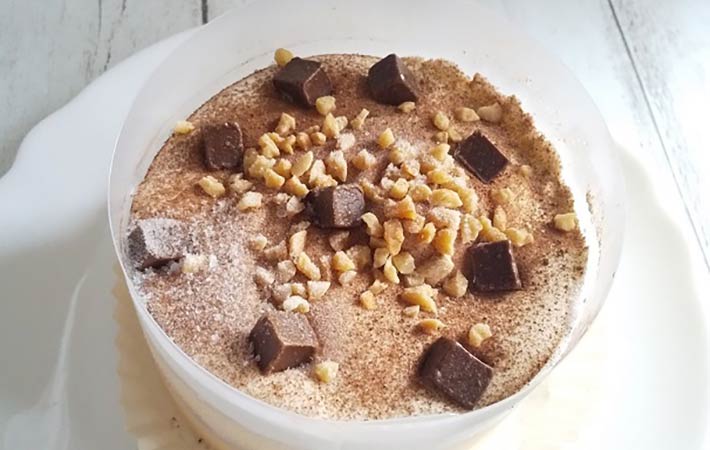
Surprisingly, the engineering holds up. The steam rising from the pancake carries the fragrance of warm chocolate and vanilla, while the chocolate chunks soften just enough to yield to a fork. It is a calculated, delicate heating process that results in a dual-temperature sensation: a warm, fluffy cake base contrasted by a cool, stabilizing cream topping.
4. The Final Reveal
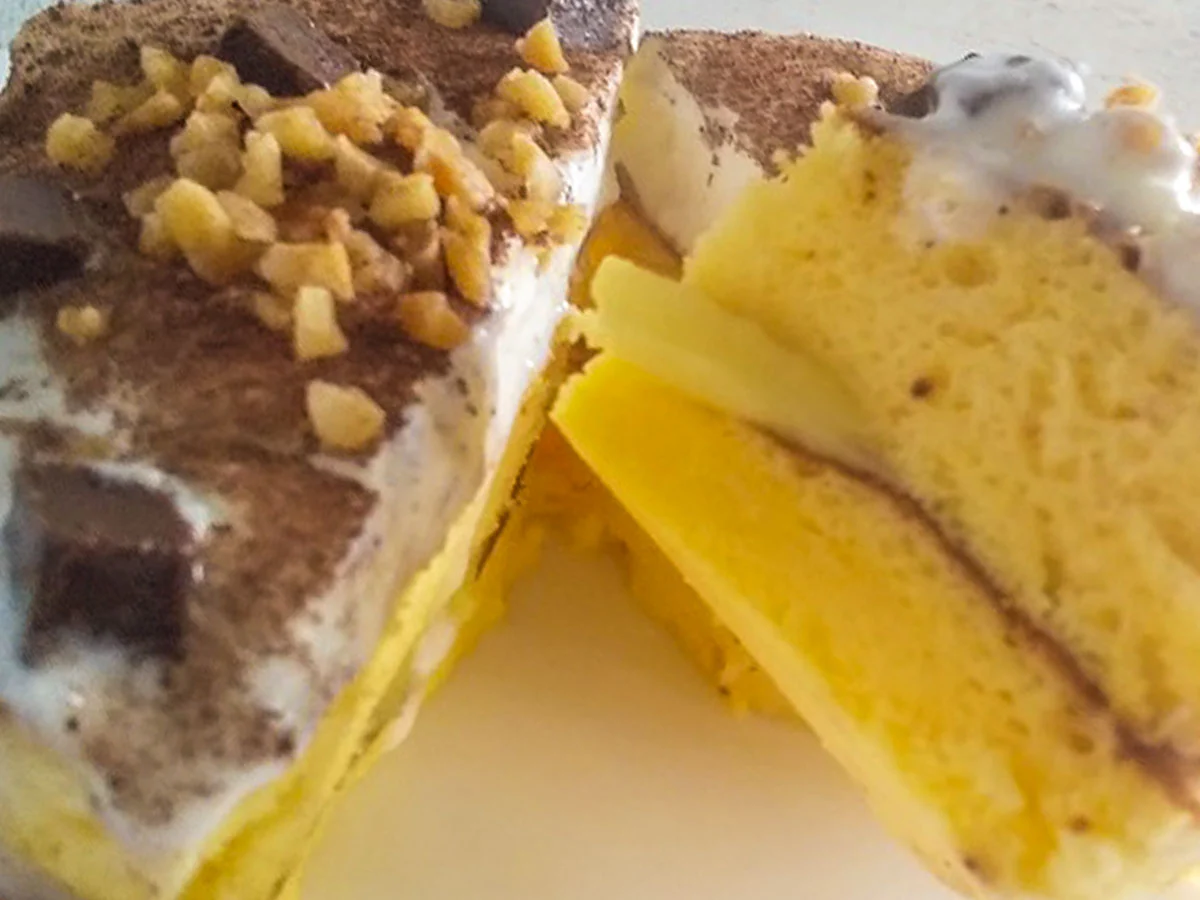
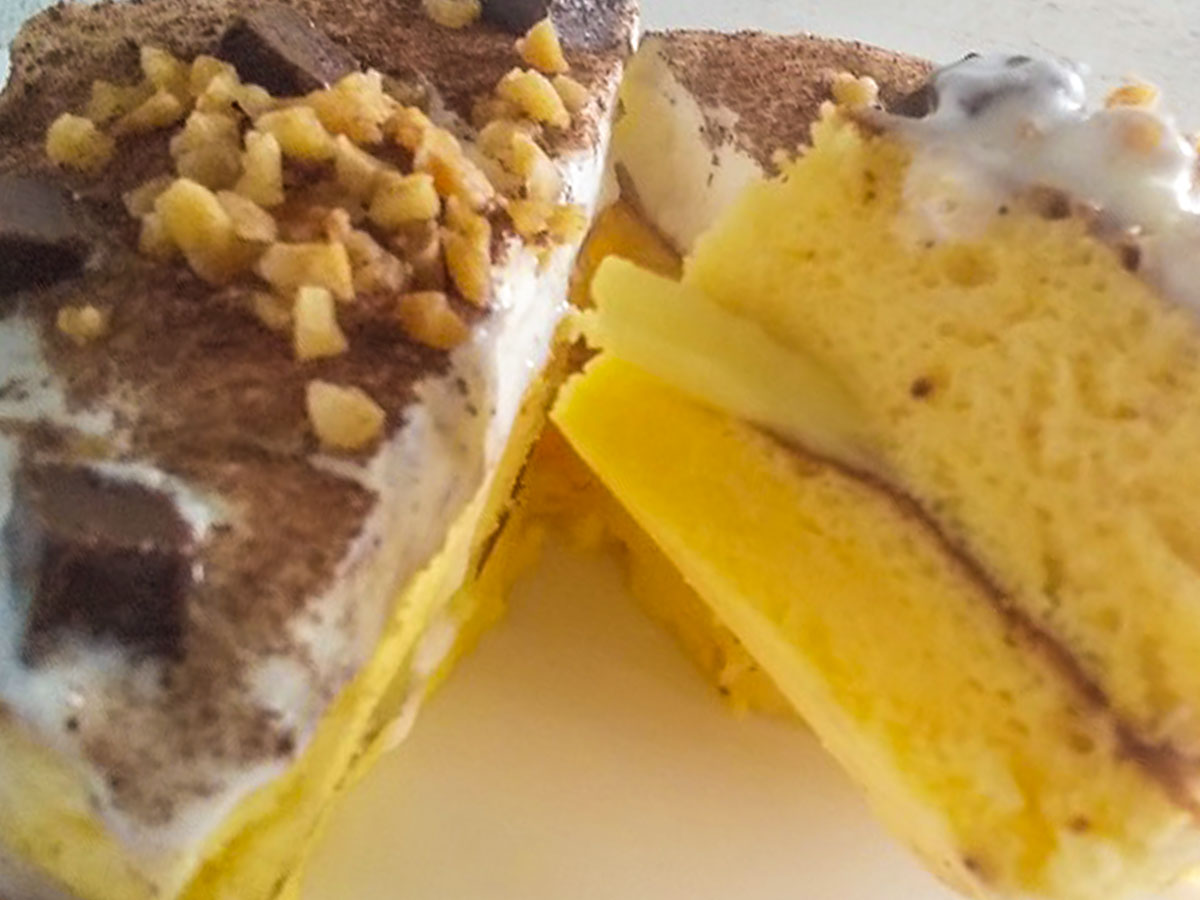
Peeling back the side film is the "make or break" moment. Due to the viscosity of the cream, there is a risk of the structure collapsing. However, the design allows for a clean release, revealing a perfectly stacked, professional-grade dessert. Once sliced, a hidden layer of custard cream is revealed, adding a second dimension of flavor and texture that prevents the pancake from feeling monotonous.
Supporting Data: Why This Dessert Succeeds
The success of this product isn’t just aesthetic; it is based on sound culinary architecture.
- Texture Contrast: The pancake is not merely a dry sponge. It possesses a "gooey" texture reminiscent of Castella (Japanese sponge cake), which absorbs the melting whipped cream. This creates a "juicy" mouthfeel that is rarely achieved in mass-produced frozen foods.
- The Custard Accent: By layering custard cream between the pancakes, 7-Eleven breaks the monotony of the whipped cream-and-chocolate profile. This adds a depth of sweetness and a velvety contrast that keeps the palate engaged until the final bite.
- Thermal Engineering: The ability to keep the whipped cream cool while the pancake is heated is a marvel of food science. It relies on the specific density of the cream and the duration of the microwave cycle, allowing for a sophisticated contrast that elevates the dessert beyond standard comfort food.
Official Perspectives and Market Implications
While 7-Eleven Japan maintains a standard corporate stance on its seasonal rotation of products, the consistent high-volume sales of this item indicate a long-term shift in consumer behavior. Industry analysts suggest that the "Frozen Dessert" category is now a primary driver of store foot traffic.
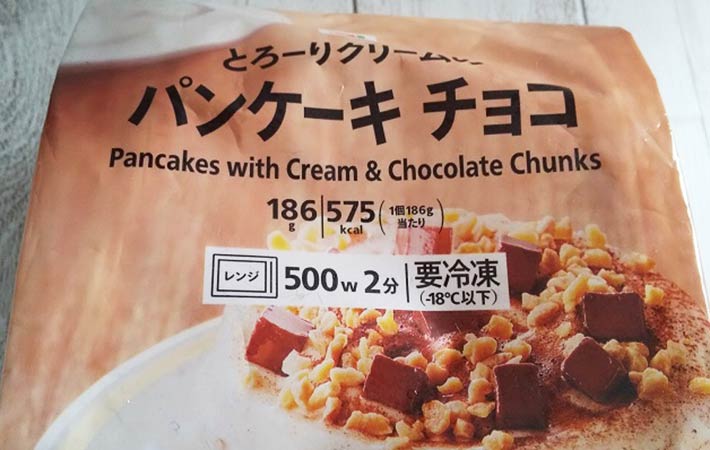
The implication for the broader retail market is clear: the modern consumer is willing to pay a premium—494 yen (including tax) in this instance—for a "frozen experience" that mimics the labor-intensive work of a pastry chef. With a caloric content of approximately 575 kcal, it is marketed not as a casual snack, but as a substantial, indulgent treat. This indicates that convenience stores are successfully competing with mid-tier dessert cafés, effectively "democratizing" high-end sweets.
A New Standard for Convenience
The 7-Eleven "Pancake with Cream & Chocolate Chunks" is more than just a sweet treat; it is a manifestation of how the convenience store industry has adapted to a post-pandemic world. It requires the consumer to participate in the final stage of preparation, which imbues the product with a sense of "home-made" quality.
For the average consumer in Japan, this dessert offers a luxury experience that fits into a busy schedule. Whether it is the visual appeal, the ingenious thermal balance of the ingredients, or the sheer novelty of a high-quality pancake emerging from a freezer, the product stands as a testament to the power of thoughtful food engineering.
For those visiting Japan or living in the country, tracking down this rare find is highly recommended. It represents the pinnacle of what the konbini experience can offer: a perfect fusion of convenience, affordability, and, most importantly, genuine culinary delight. As long as 7-Eleven continues to innovate within its frozen dessert aisle, the future of the "at-home café" looks brighter—and tastier—than ever.












No comments yet. Be the first to join the conversation!