Suro Senen
For years, the gold standard of photorealism in video games has been a laborious, expensive, and technically demanding endeavor. High-fidelity titles have long relied on traditional photogrammetry, massive texture libraries, and armies of artists meticulously crafting 3D meshes. However, a new, disruptive technology has quietly emerged to challenge this paradigm, offering a pathway to breathtaking, real-world visuals at a fraction of the cost. Its name is Gaussian Splatting (GS).
Over the last few months, Gaussian splatting has transitioned from a niche academic research paper to a singular obsession for developers and digital artists alike. By converting real-world video and photography into real-time, interactive 3D environments, GS is effectively "democratizing" photorealism. To understand the gravity of this shift, we sat down with Christoph Schindelar, a veteran scan artist and former contributor to the Epic-owned Quixel library, to unpack the mechanics, the potential, and the limitations of this rendering revolution.
The Technical Foundation: Beyond Polygons
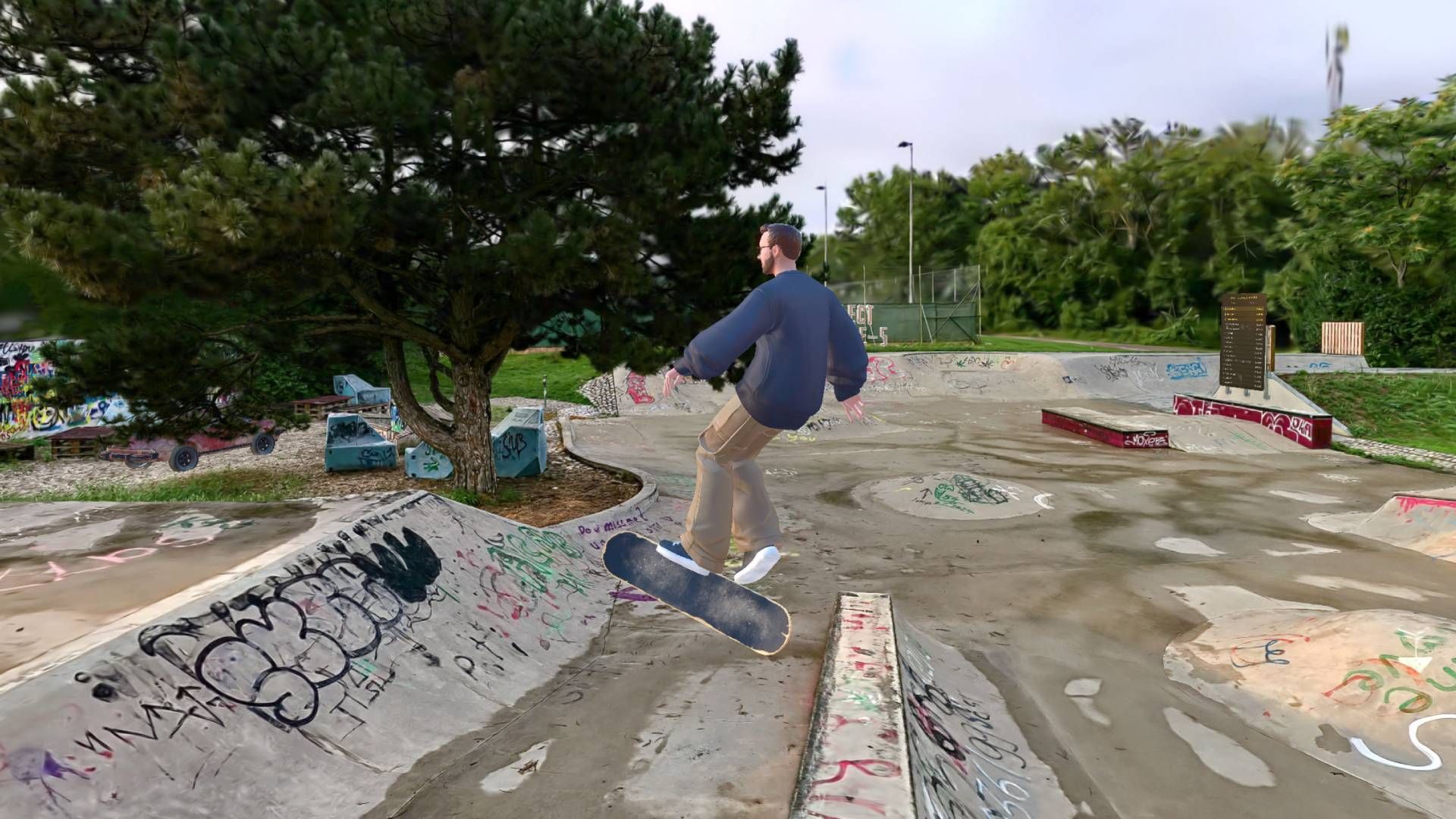
At its core, Gaussian Splatting is a modern capture-and-rendering technique that bridges the gap between static photography and immersive 3D space. While traditional gaming graphics rely on polygons—the "bones" of a 3D model—GS abandons the mesh entirely.
"A simple way to imagine it is like a very advanced point-cloud or particle/sprite-based rendering system," explains Schindelar. "The scene is not built from polygons, but from millions of small, semitransparent 3D Gaussians, or ‘splats.’ Each splat holds data regarding its 3D position, size, orientation, and opacity, combined with ‘spherical harmonics’ to handle view-dependent lighting. When rendered, these splats project an elliptical footprint onto the screen, creating a cohesive, photorealistic image."
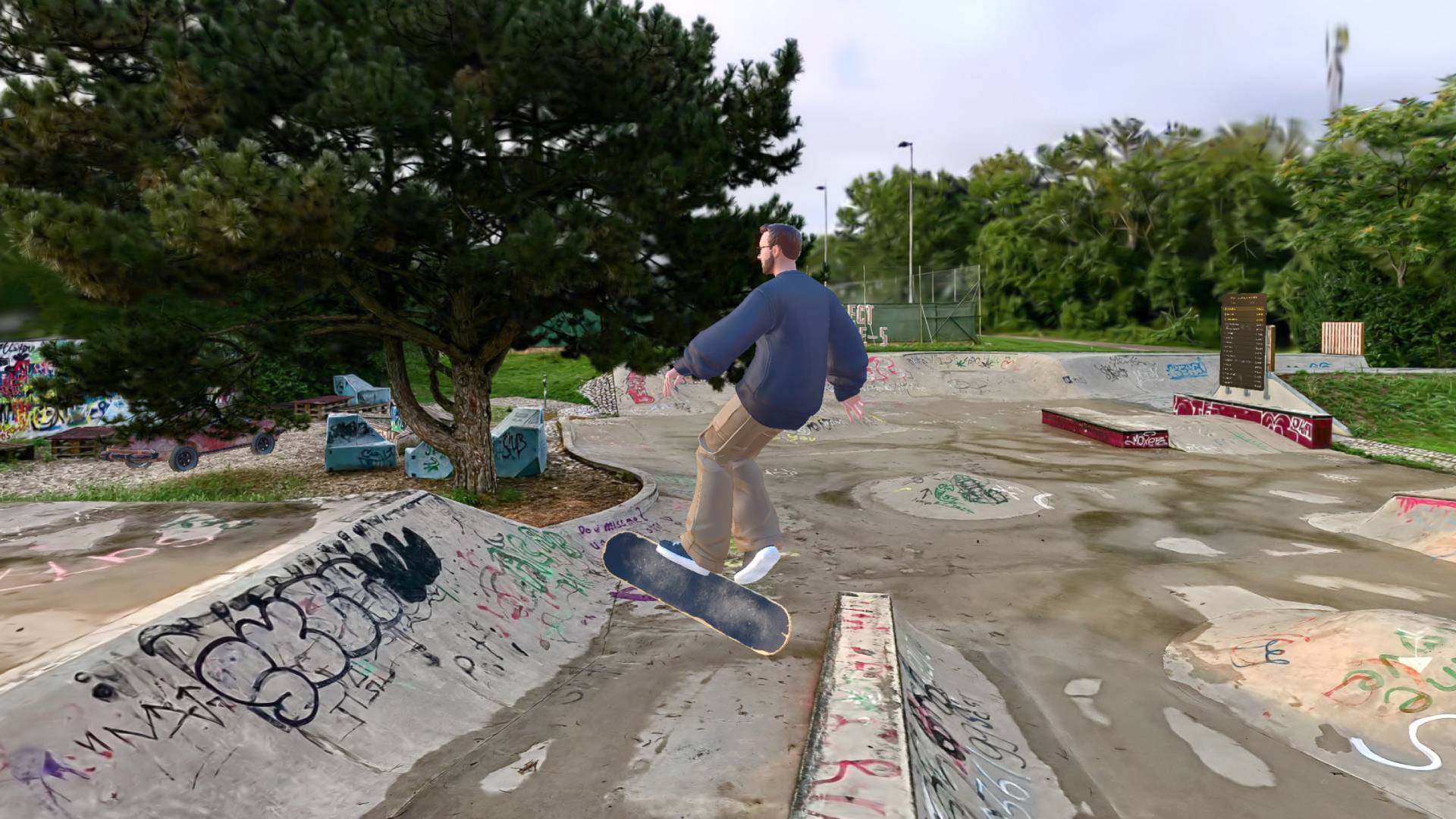
If one were to visualize this, it is akin to dandelion seeds floating in the air. A single seed is insignificant, but when thousands are clustered together, they form a tangible, soft, and remarkably realistic volume. When viewed in high density, these splats create environments that appear indistinguishable from reality, yet they are significantly less resource-intensive than traditional high-poly assets because the GPU is tasked with simple blending and projection rather than complex geometry streaming.
A Chronology of Adoption
The rise of Gaussian Splatting has been meteoric. While the underlying research emerged in the academic sector, its practical application in the creative industry began in earnest around 2024.
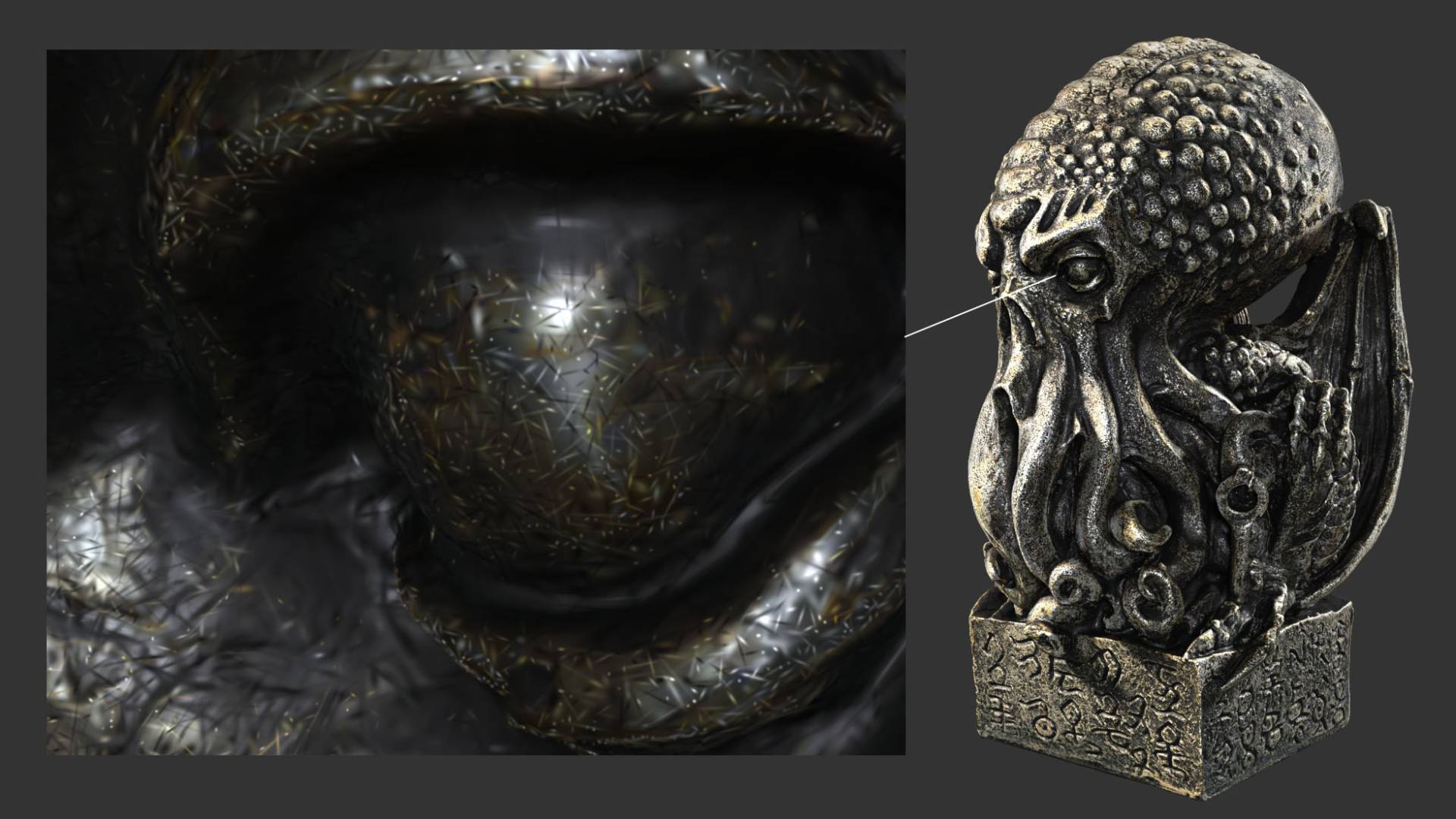
The initial phase was marked by proof-of-concept browser demos. These early experiments, such as basic First-Person Shooter (FPS) levels set within abandoned real-world spaces, proved that the technique was stable enough for real-time interaction. These demos served as the "proof of life" for the technology, showing that a standard web browser could handle the data load that previously required high-end, workstation-grade hardware.
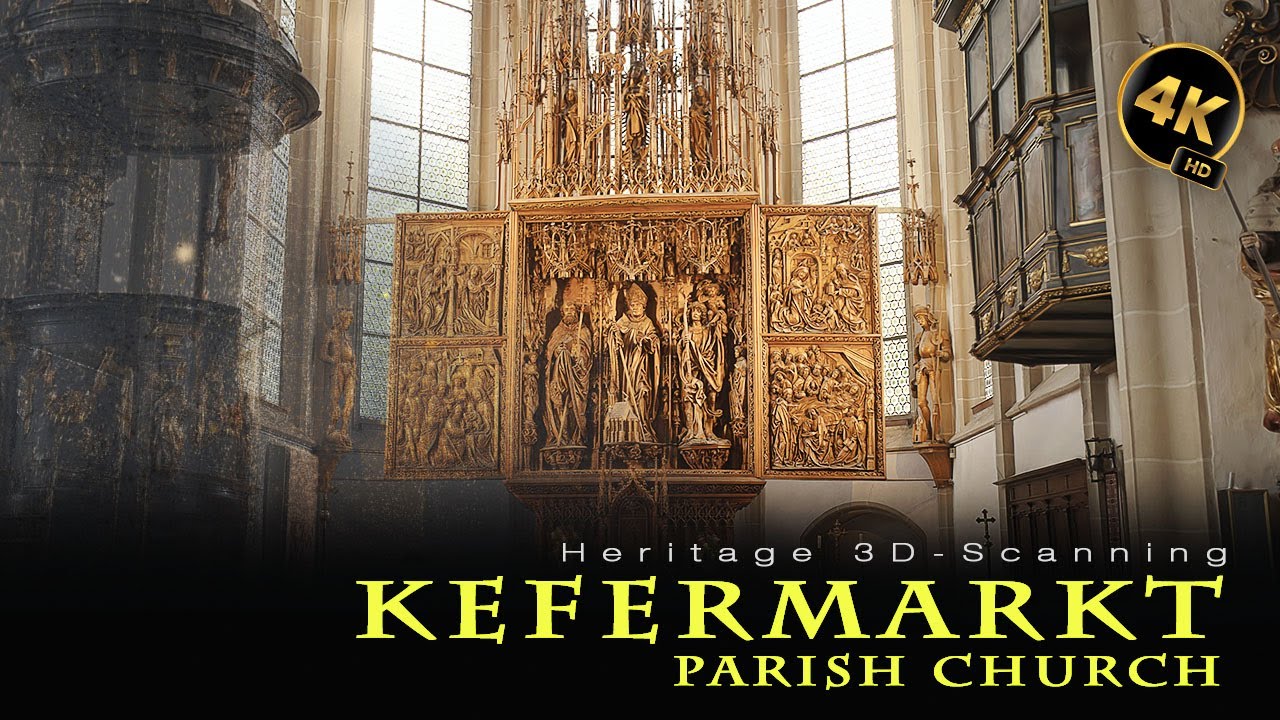
As 2024 turned into 2025, the focus shifted from "Can it be done?" to "How do we scale this?" Indie developers, often more agile than their AAA counterparts, began experimenting with GS to create immersive, explorable environments. The technology was quickly integrated into major engines via plugins, allowing developers to import scanned, photorealistic assets into their existing workflows. The crowning moment for the technology came when Schindelar’s "Pfarrkirche Kefermarkt" project won ‘Splat of the Year’ at the 2025 Polys Immersive Awards, signaling to the wider industry that GS was no longer a gimmick—it was a production-ready tool.
The Anatomy of a Splat: From Field to Frame
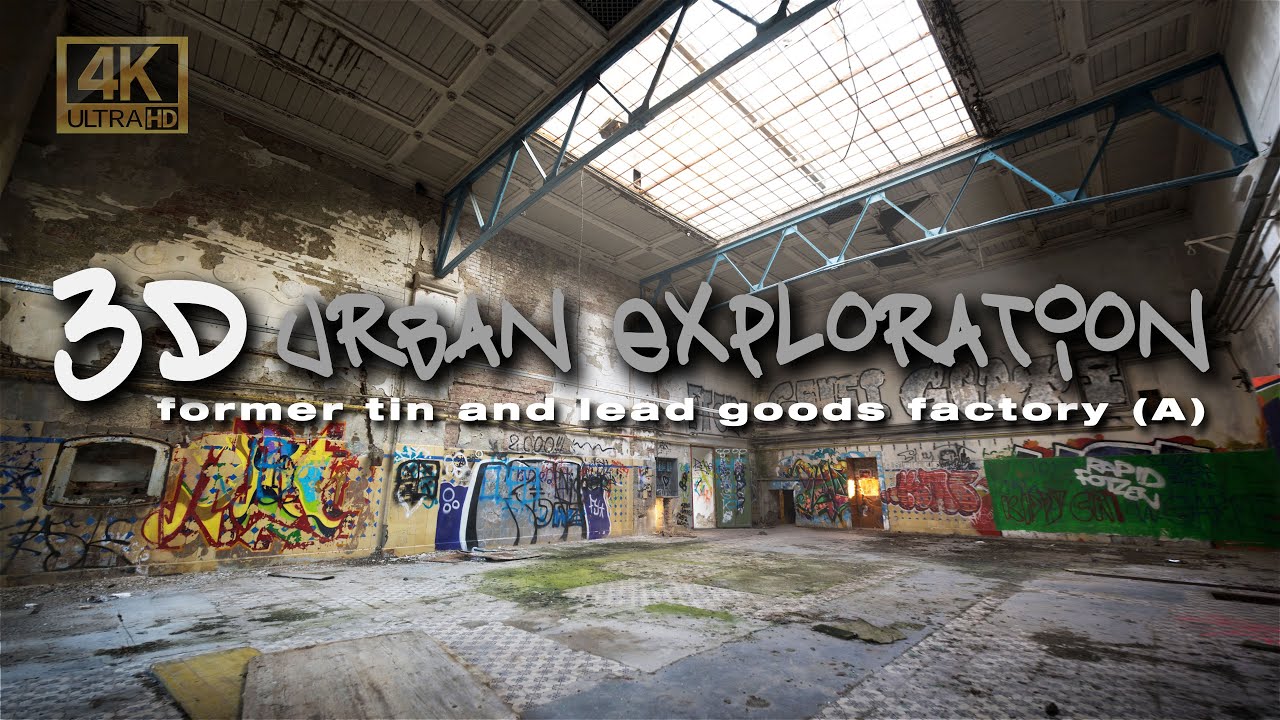
Creating a high-end Gaussian splat is a precise, multi-stage process. Schindelar, who recently scanned an entire abandoned tin and lead factory, outlines the rigorous preparation required.
The Capture Phase
"For high-end work where color fidelity and dynamic range are critical, I spend hours on-site," says Schindelar. Using professional DSLR rigs, the artist captures hundreds, sometimes thousands, of images from every conceivable angle. The goal isn’t necessarily higher megapixel counts, but rather "enough visual information from the right viewpoints." For a narrow space like a corridor, a lower-resolution capture might suffice if the coverage is deep. However, for sprawling forest environments, high-resolution gear is mandatory to prevent the visuals from "breaking" at a distance.

The Training Phase
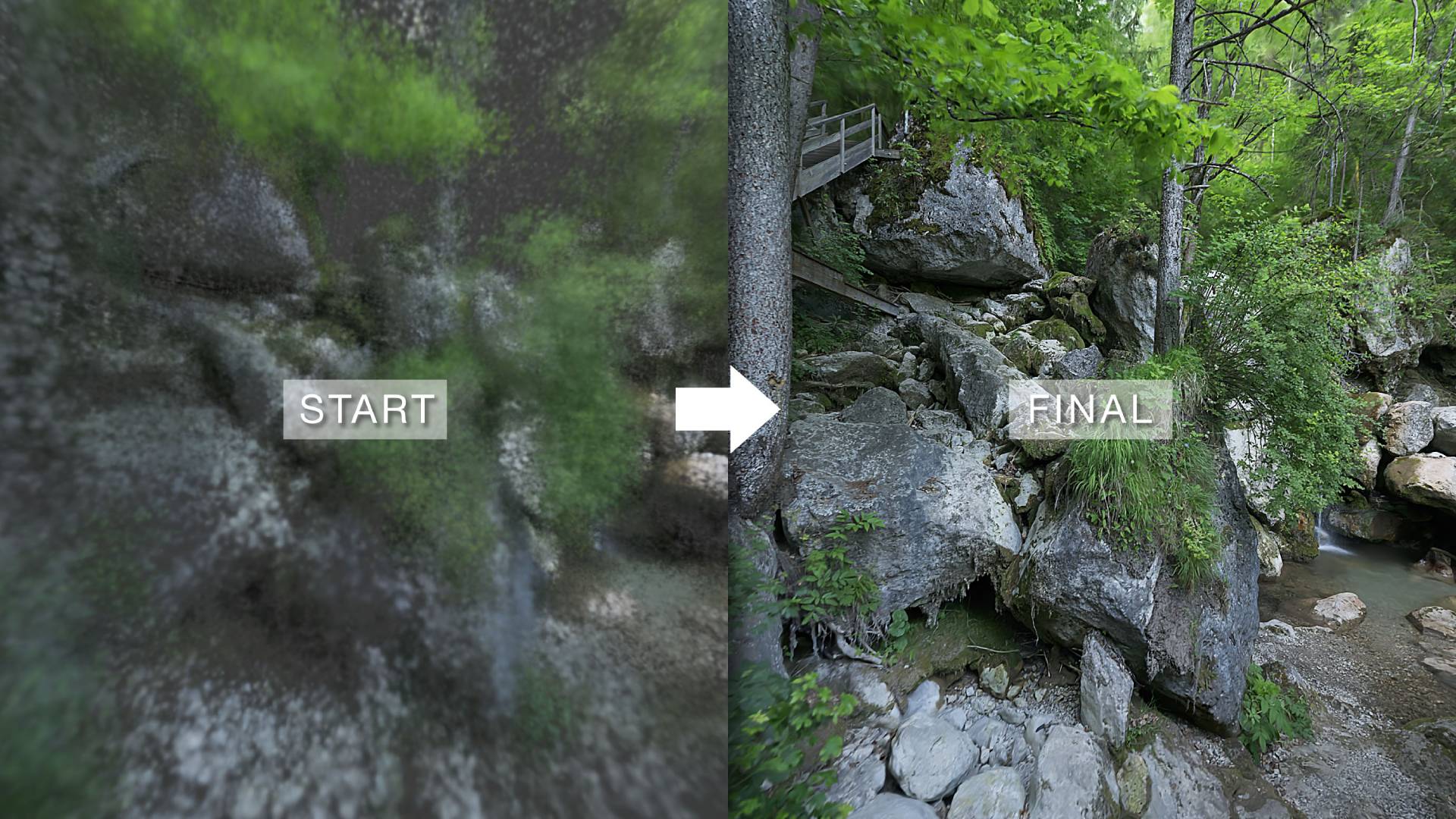
Once the raw data—which can range from double-digit gigabytes to over 1.5 TB for large projects—is captured, the "splat training" begins. This is a computation-heavy phase where the system compares the captured reference images against a chaotic initial point cloud. Through iteration, the computer adjusts the splats until the rendered result matches the source imagery with high fidelity.
"At the start, you see a chaotic cloud of splats," says Schindelar. "During optimization, this cloud gradually converges into a coherent representation." This process typically takes between one to three days, depending on the complexity of the scene and the hardware used.

Hardware and Optimization: The VRAM Factor
A common misconception is that Gaussian Splatting requires a supercomputer. While Schindelar utilizes an RTX 5090 for his high-end training, he stresses that hardware accessibility is a key strength of the tech. "GPU power matters, of course, but in production, VRAM is the thing you always want more of," he notes.
The industry is also evolving to meet this demand. Cloud-based platforms like Varjo Teleport, KIRI Engine, and XGRIDS are offering elastic GPU clusters, allowing indie creators to process massive datasets without owning a top-tier workstation.
Furthermore, compression techniques are reaching maturity. Using ‘Self-Organizing Gaussians,’ artists can drastically reduce the file size of a scene. Schindelar cites a recent church project where a 1 GB raw file was compressed down to a mere 55 MB without significant visual degradation. This level of optimization is what will eventually allow GS environments to run smoothly on portable hardware like the Steam Deck.
Implications for the Future of Gaming
The implications of this technology for the gaming industry are profound.

1. Empowering the Indie Developer
Big-budget studios are often slow to adopt new, unproven technologies due to the risks involved in multi-million dollar budgets. Conversely, indie developers are pushing the boundaries of what GS can do. It allows a solo developer to create photorealistic, location-based games that would otherwise require a team of dozens of 3D modelers and texture artists.
2. Solving the "Foliage Problem"
One of the most persistent hurdles in traditional 3D graphics is the rendering of thin, complex structures like hair, wires, and foliage. These elements are notoriously difficult and expensive to model by hand. Gaussian Splatting, however, thrives on these details. By capturing the light and volume directly, GS produces foliage and fine textures that look effortlessly realistic.
3. Cultural Heritage and Archival
Beyond entertainment, the technology is a godsend for cultural preservation. Being able to capture an entire church or historical site in high-fidelity 3D and allow users to explore it from their desktop—or a handheld device—is a significant leap forward for historical archiving.
Current Limitations: The "Static" Hurdle
Despite the enthusiasm, the technology is not a panacea. The primary limitation is that splat scenes are derived from still images, meaning lighting is often "baked in." Unlike traditional meshes where dynamic light sources can cast shadows on a wall, a static Gaussian splat does not inherently react to dynamic lighting.
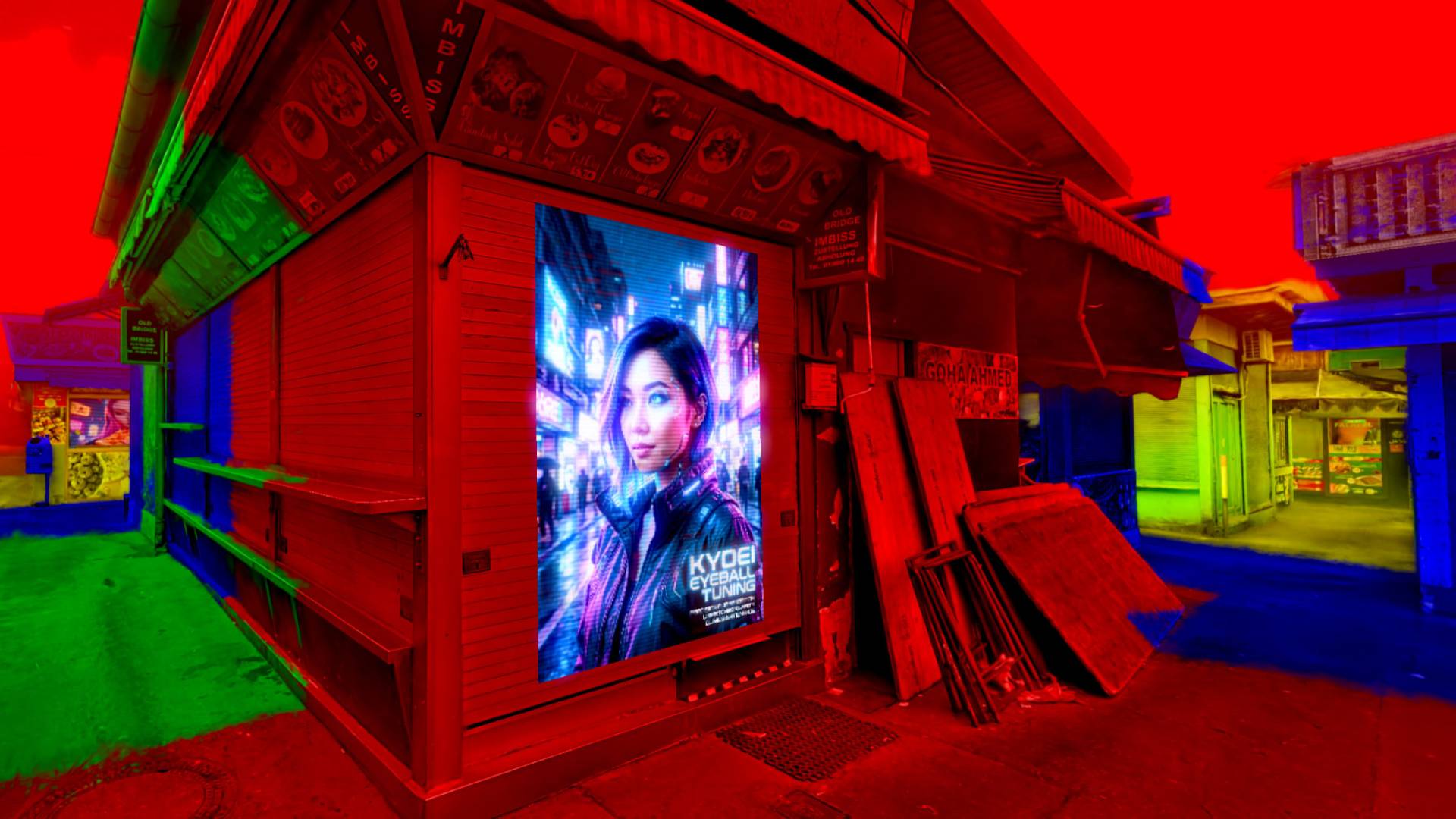
Schindelar acknowledges this, suggesting that the path forward lies in "combining technologies." By utilizing hidden meshes for collision detection and dynamic light interaction, or using "shadow catchers" for interactive elements, developers can bridge the gap. "I wouldn’t necessarily use GS for dynamic objects that need to be edited," he clarifies, "but for static environments, it is already a game-changer."
Conclusion: A New Horizon
As we look toward the future, the integration of Gaussian Splatting into the mainstream game development pipeline feels inevitable. While the technology requires further refinement regarding dynamic lighting and object interactivity, its ability to provide stunning, low-cost photorealism is unparalleled.

"When I’m testing my game experiments on my Steam Deck, it puts a huge smile on my face," Schindelar concludes. "We are not quite there performance-wise, but we are really, really close. A few more optimizations, and this is going to change everything." As the industry continues to experiment with these "dandelion seeds" of light and data, the line between the virtual and the real will continue to blur, ushering in a new, exciting era of digital exploration.


 Asro
Asro
 Muslim