

By Global News Desk
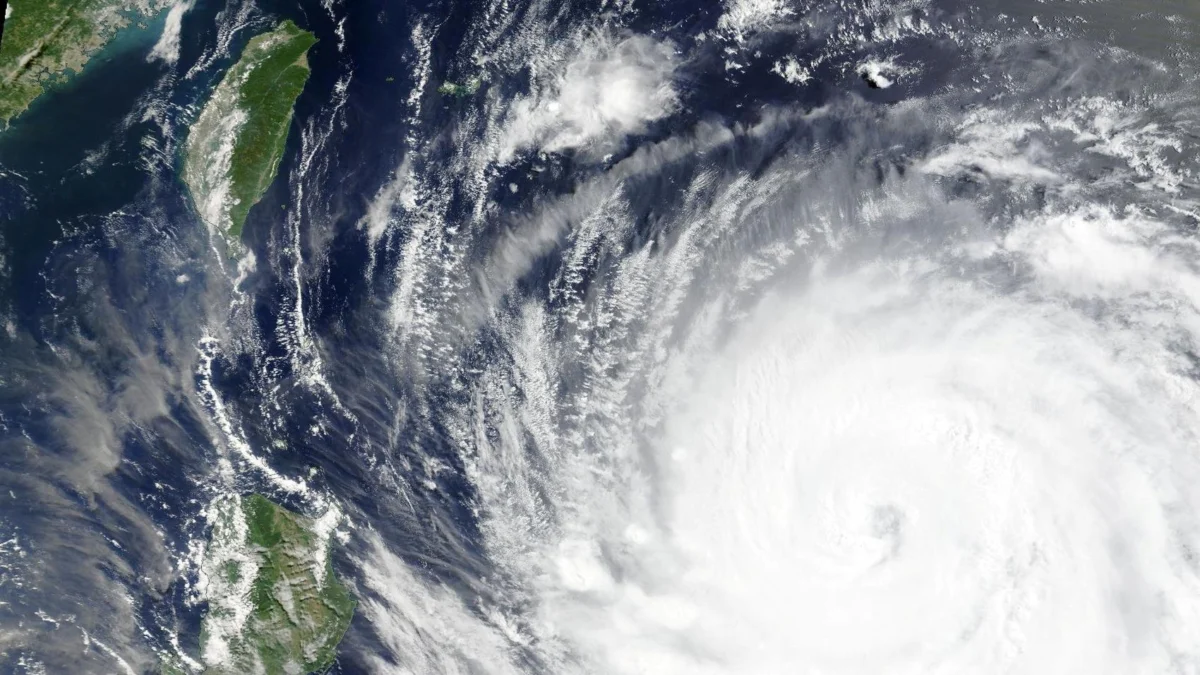
As Typhoon Bavi barrels across the East China Sea, regional authorities in Japan, Taiwan, and China have mobilized massive emergency response efforts. Packing sustained winds exceeding 160 kilometers per hour, the storm is currently tracking a path of destruction that threatens to disrupt the lives of millions, paralyze major transit hubs, and deliver historic levels of rainfall to vulnerable coastal regions. Meteorological agencies warn that the system, while fluctuating in intensity, remains a potent threat due to its expansive radius and slow movement, which increases the duration of impact on affected territories.
Main Facts: The Anatomy of a Powerful Storm
Typhoon Bavi has emerged as one of the most formidable weather systems to traverse the western Pacific this year. As of Friday, the storm was positioned near Japan’s remote Sakishima Islands, a chain situated strategically between the Japanese mainland and Taiwan.
Meteorologists have classified Bavi as a high-risk system, noting maximum sustained winds of 162 kph. The primary danger posed by the typhoon is twofold: the immediate structural threat of gale-force winds and the long-term risk of catastrophic flooding and landslides. Because the storm is moving at a relatively sluggish pace, it is expected to linger over specific regions for extended periods, dumping massive volumes of precipitation that threaten to overwhelm local drainage systems and trigger mudslides in mountainous terrain.
For Japan, the Sakishima Islands serve as the first line of defense. In Taiwan, the threat is less about direct landfall and more about the "deluge effect," where the outer bands of the storm interact with the island’s mountainous topography to create extreme rainfall totals. Finally, China’s eastern seaboard, specifically the densely populated city of Wenzhou, is bracing for a direct impact as the storm moves north-northwest.
Chronological Progression of the Crisis
The trajectory of Typhoon Bavi has been meticulously tracked by regional observatories over the past 72 hours, providing a timeline of mounting concern:
- Wednesday/Thursday: Initial models identified a tropical depression intensifying into a named typhoon. Regional weather bureaus began issuing early warnings as the storm’s pressure dropped rapidly, indicating a strengthening system.
- Friday Morning: Bavi reached the vicinity of the Sakishima Islands. Local residents began final preparations, including securing homes with windproof netting and stripping supermarket shelves of emergency supplies.
- Friday Afternoon: The impact began to materialize in Taiwan. Financial markets were shuttered, government offices closed, and the emergency evacuation of high-risk mountain districts commenced.
- Saturday Outlook: The storm is forecast to continue its path toward the Chinese mainland. Airlines have preemptively cancelled hundreds of flights across the region, including all operations out of Taipei’s Taoyuan International Airport.
- Sunday: Bavi is expected to make landfall in the vicinity of Wenzhou, China, where 10 million residents are currently under high-alert status.
Supporting Data: Impact and Infrastructure
The economic and social infrastructure of the affected nations is currently feeling the strain of the typhoon’s approach. The following data points highlight the scale of the emergency:
Aviation and Logistics
The aviation industry has effectively ground to a halt in the path of the storm. Beyond the cancellation of dozens of regional flights on Friday, major carriers have announced a total suspension of services through Saturday. This move is designed to prevent aircraft damage and ensure the safety of ground crews, but it represents a significant disruption to international cargo and passenger transit.
Retail and Consumer Behavior
In Ishigaki, Japan, the psychological weight of the storm is evident. Local commerce has shifted entirely to "survival mode." Retailers reported that basic necessities, particularly instant noodles and bottled water, were sold out within hours of the initial warnings. This behavior underscores the public’s lack of confidence in standard infrastructure to withstand the expected intensity of the winds.
Industrial and Financial Disruptions
Taiwan’s position as a global semiconductor hub has forced major corporations to adjust their operational calendars. TSMC, the world’s largest contract chipmaker, took the unusual step of delaying the release of its June sales data from Friday to Monday. This reflects the broader economic uncertainty that accompanies major weather events, as businesses prioritize employee safety and facility security over routine administrative operations.
Official Responses and Government Preparedness
The response from regional governments has been swift, characterized by a proactive stance toward civilian protection.
Taiwan: A Proactive Defense
President Lai Ching-te has taken a hands-on role in managing the crisis. Through public communications, including social media updates, the President has urged citizens not to be misled by the slight downgrading of the typhoon’s intensity. "Although the typhoon has weakened slightly, its storm radius is large," Lai noted, emphasizing that the danger remains severe.
In response, the Taiwanese government has mobilized nearly 29,000 military personnel. These troops are currently on standby, ready to assist with search-and-rescue operations and the clearing of debris once the storm passes. Furthermore, more than 1,000 residents have already been evacuated from the mountainous eastern coast, where the risk of landslides is highest. In Taipei, the city government has established sandbag distribution points to assist residents in flood-prone neighborhoods.
Japan: Defensive Hardening
In the Sakishima Islands, the focus has been on community resilience. Local authorities have closed public parks, beaches, and ferry terminals, effectively cutting off travel to and from the remote islands to prevent tourists from becoming stranded. Residents like Hiroshi Nomura have turned to traditional, yet effective, mitigation techniques, such as draping heavy-duty windproof nets over storefronts and residential windows to prevent glass breakage from flying debris.
Implications: The Long-Term Outlook
The implications of Typhoon Bavi extend far beyond the immediate weather event. As climate patterns shift, the intensity and frequency of such storms are becoming a permanent fixture of life in East Asia.
The Challenge of Mountainous Geography
The geography of both Taiwan and Japan makes them uniquely susceptible to the secondary effects of typhoons. When a storm of this size dumps up to one meter of rain in a 48-hour period, the soil saturation levels become critical. The resulting landslides not only destroy homes but often sever critical transportation links, isolating villages for days or even weeks. Governments are now forced to weigh the cost of "hard" infrastructure (dams, sea walls) against "soft" infrastructure (early warning systems, community-based evacuation protocols).
Economic Resilience
For a region that serves as the manufacturing heartbeat of the global economy, the disruption of supply chains—exemplified by the delay of TSMC’s sales data—is a reminder of the fragility of modern industrial logistics. As these storms become more destructive, companies may face increased pressure to decentralize operations or invest more heavily in extreme-weather hardening for their facilities.
Social and Psychological Impact
The anxiety expressed by residents, such as Nomura, highlights a growing concern that traditional typhoon preparations may no longer be sufficient against modern, intensified storm systems. This "preparedness gap" is prompting a re-evaluation of building codes and public safety standards across the region.
Conclusion: A Region on Edge
As of Friday night, the situation remains fluid. While meteorologists monitor the subtle shifts in Bavi’s barometric pressure and path, the primary focus remains on the safety of the millions of people in the storm’s crosshairs. From the quiet, netted storefronts of Ishigaki to the bustling, shuttered business districts of Taipei and the massive, alert-ready coastal cities of China, the message is clear: Typhoon Bavi is a test of regional coordination and individual resilience.
Authorities advise that the most dangerous period is yet to come. As the storm makes its final approach to the Chinese mainland on Saturday, the focus will shift from preparation to survival. The global community watches closely as these nations navigate what many experts fear could be the most destructive storm of the season, serving as a sobering reminder of the power of nature and the vital importance of disaster preparedness in the 21st century.
© Thomson Reuters 2026. All rights reserved. This report was compiled using real-time data from regional meteorological bureaus, government emergency management agencies, and on-the-ground reporting from affected districts.











