Asep Darmawan
For decades, the JRPG genre was defined by a rigid set of expectations: sprawling narratives, anime-inspired character designs, and, most importantly, the "menu-driven" turn-based battle system. For a long time, if a game featured turn-based combat, it was automatically pigeonholed into the JRPG category. While historical titles like Dragon Slayer and Hydlide proved early on that the genre could exist outside these confines, the perception remained stubborn.
However, the industry has never been content to sit still. Developers have consistently sought to inject kinetic energy into the static nature of turn-based encounters, creating innovations that range from complex progression-linked mechanics to hybrid systems that blend real-time reflex with tactical calculation. These iterations have not only modernized the genre but have fundamentally altered how we interact with it. Below, we explore ten landmark JRPGs that effectively acted as the "end of an era" for traditional combat, setting new standards that made returning to the old ways nearly impossible.
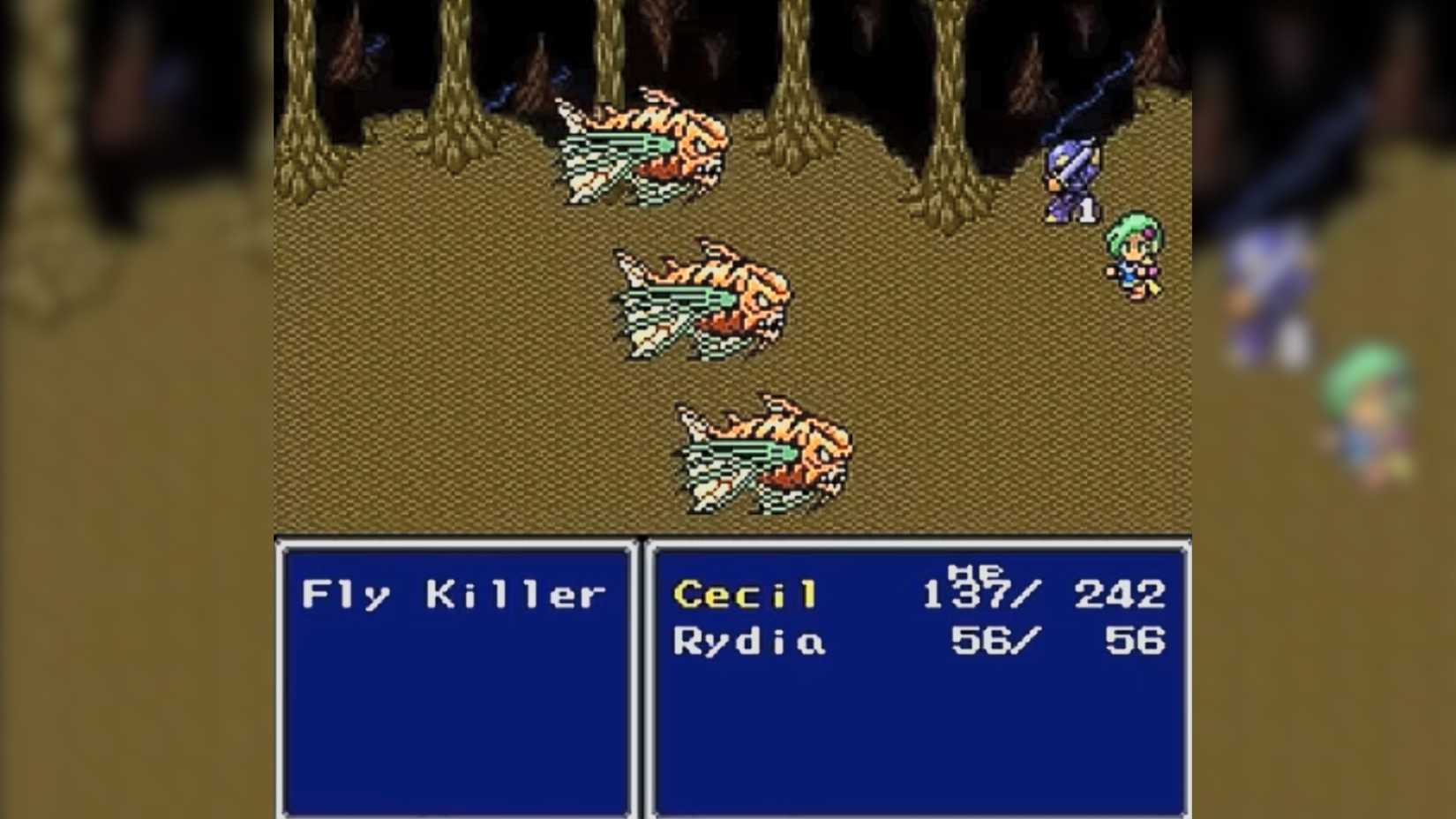
10. Final Fantasy IV: The Genesis of Active Time Battle (ATB)
When Final Fantasy IV arrived in 1991, it quietly introduced a system that would become the backbone of the entire series for over a decade: the Active Time Battle (ATB) system. While the user interface didn’t explicitly display the underlying timers, the game introduced the concept that time does not stop while you are pondering your next move.
Critics often debate whether ATB constitutes "true" turn-based combat, especially since enemies can continue to strike while a player is navigating menus. While "Wait" mode offered a reprieve, the default "Active" setting turned battles into a high-stakes race against the clock. Hiroyuki Ito’s creation remains an untouchable reference point for the industry. To this day, the demand for a return to a modernized, refined ATB system in future Final Fantasy entries remains a top request from the fanbase, highlighting just how deeply this 1991 innovation resonated with players.

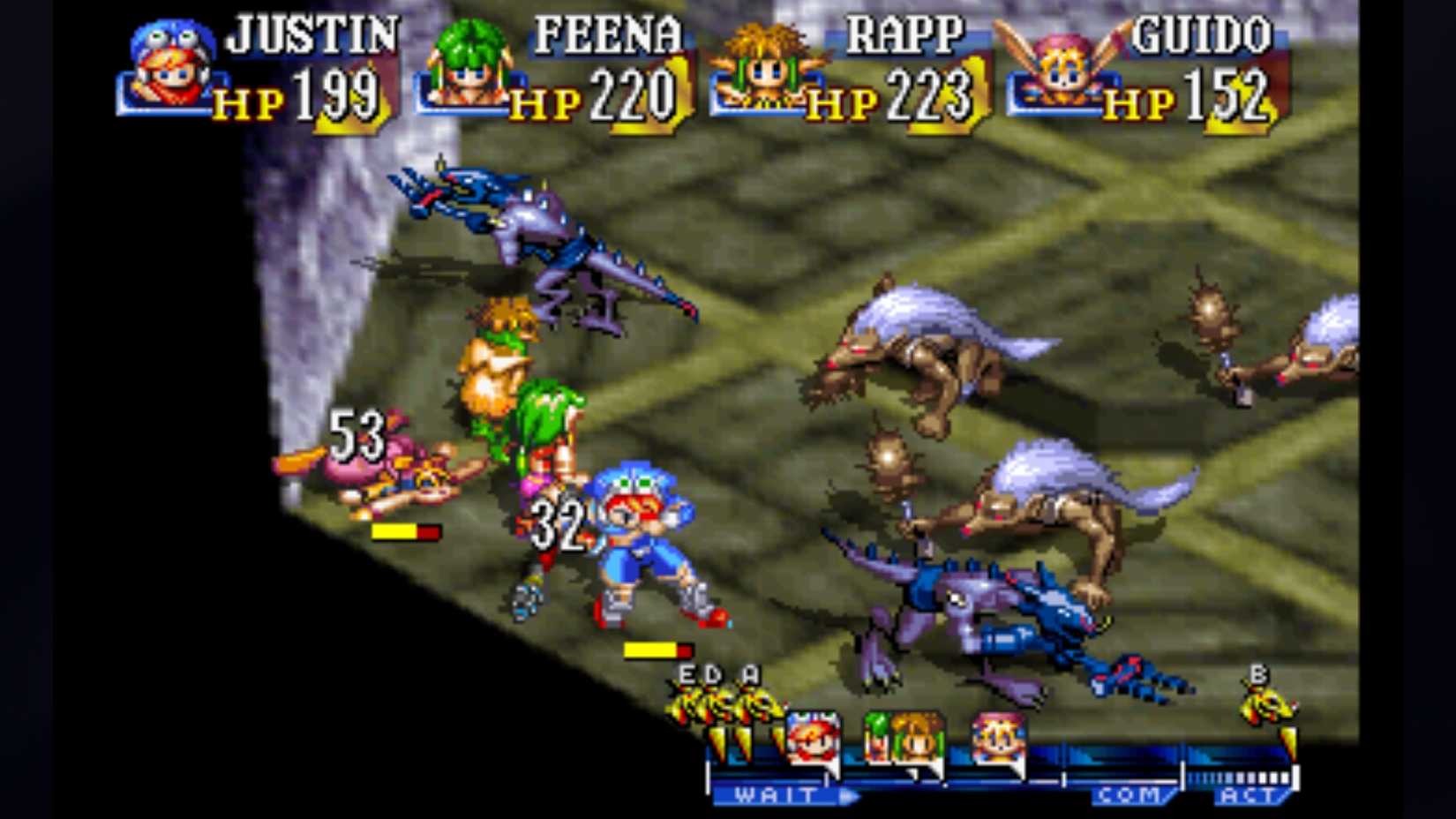
9. Grandia: Timeline Mastery
If Final Fantasy IV introduced the concept of time in combat, Grandia (1999) perfected it. By placing every combatant on a visible timeline, Grandia transformed the battlefield into a dynamic arena. The system introduced two distinct thresholds: "Com" (Command) and "Act" (Action).
The genius of Grandia lies in its interrupt mechanics. A character’s chosen action carries "weight," affecting how quickly they move from Com to Act. If a player uses a well-timed attack during an enemy’s charging phase, they can cancel the enemy’s move entirely. This shifted the strategy from simply selecting "Attack" to actively managing the flow of the timeline, making every battle feel like a calculated dance rather than a static exchange of statistics.
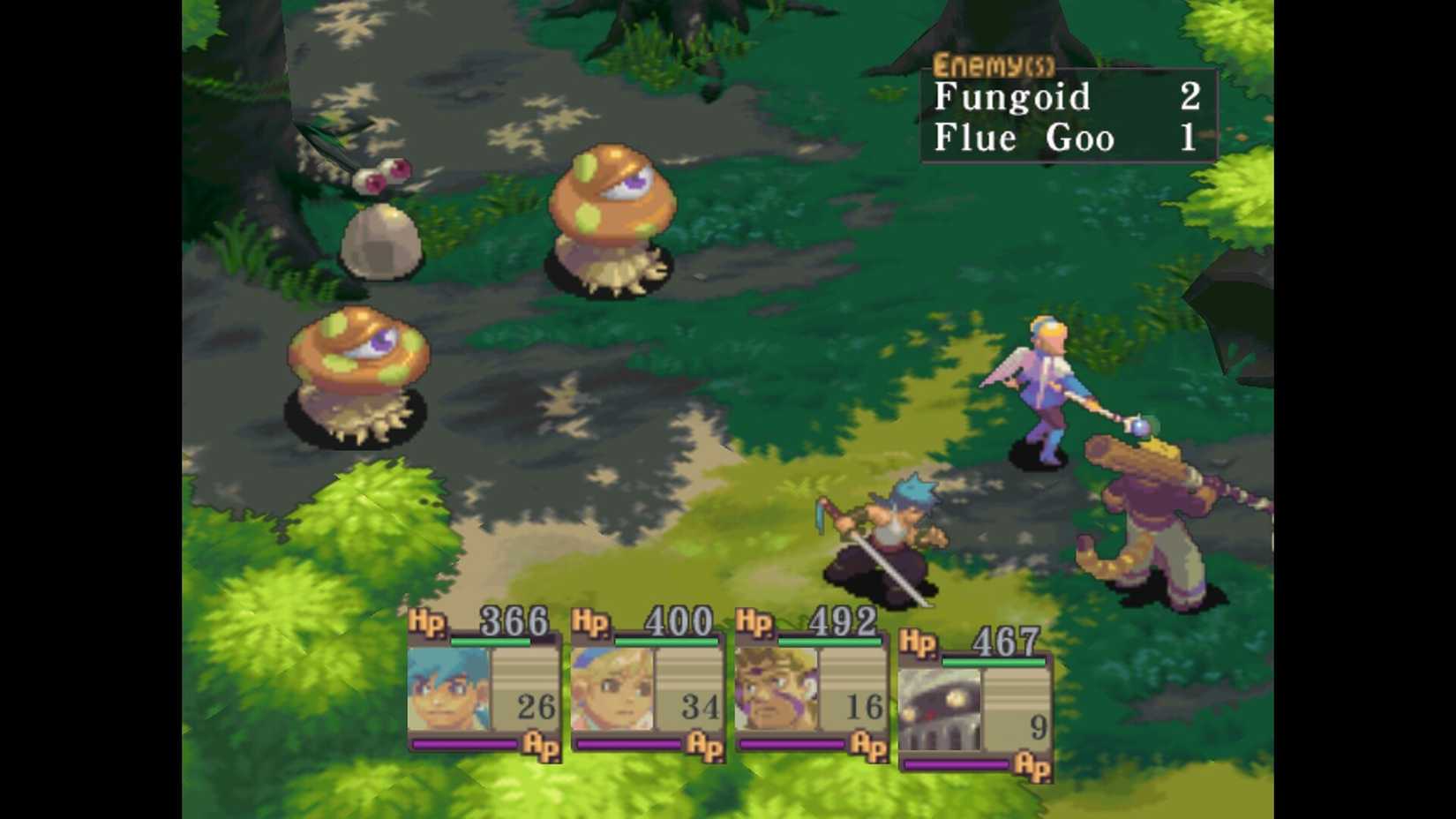
8. Breath of Fire IV: The Power of the Bench
Released in 2000, Breath of Fire IV may seem traditional on the surface, but it introduced a revolutionary quality-of-life feature: the ability to swap party members mid-battle. While it may not have been the first game to attempt this, it was arguably the first to make it a core, seamless tactical requirement.
This design choice allowed players to utilize their entire roster effectively, leveling up support characters while maintaining front-line pressure. Furthermore, characters on the back row provided passive support, adding a layer of depth that rewarded team composition. The system’s elegance influenced future titans, including Final Fantasy X, and remains a gold standard for RPG party management.
7. Octopath Traveler: The Shield-Breaking Revolution
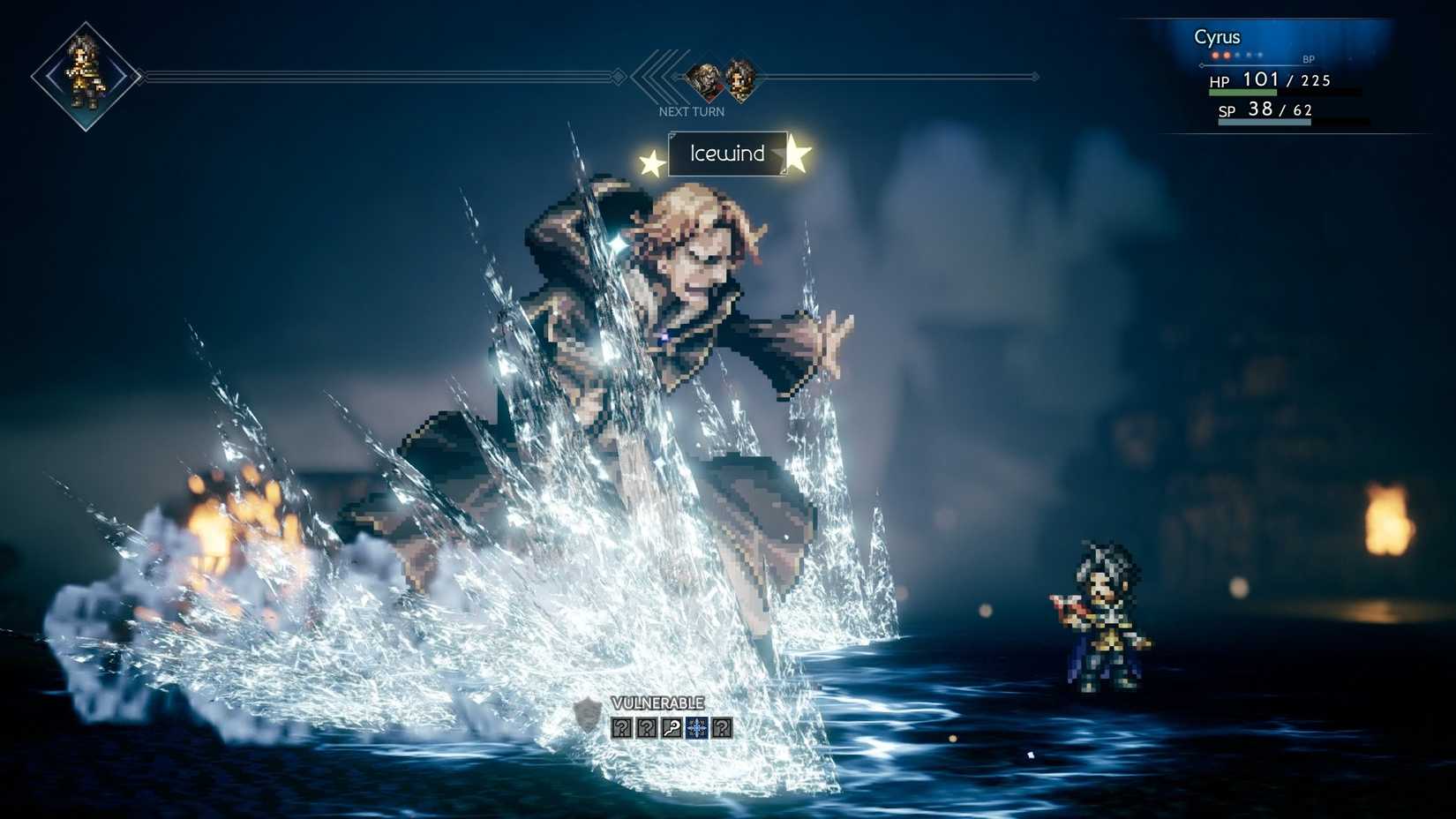
Square Enix’s Octopath Traveler (2018) refined the traditional turn-based formula by introducing the "Boost and Break" system. This mechanic turned the exploitation of elemental weaknesses into a high-stakes puzzle.
By targeting enemy weaknesses, players can chip away at "shields," eventually leading to a "Break" state that renders the enemy helpless. Coupled with the "Boost" system—which allows players to save up turns to unleash massive, multi-hit combos—it forced players to think several turns ahead. The shield-breaking mechanic has since become a staple in the industry, appearing in titles like Sea of Stars and Romancing SaGa 2: Revenge of the Seven, proving that tactical vulnerability is a compelling design pillar.
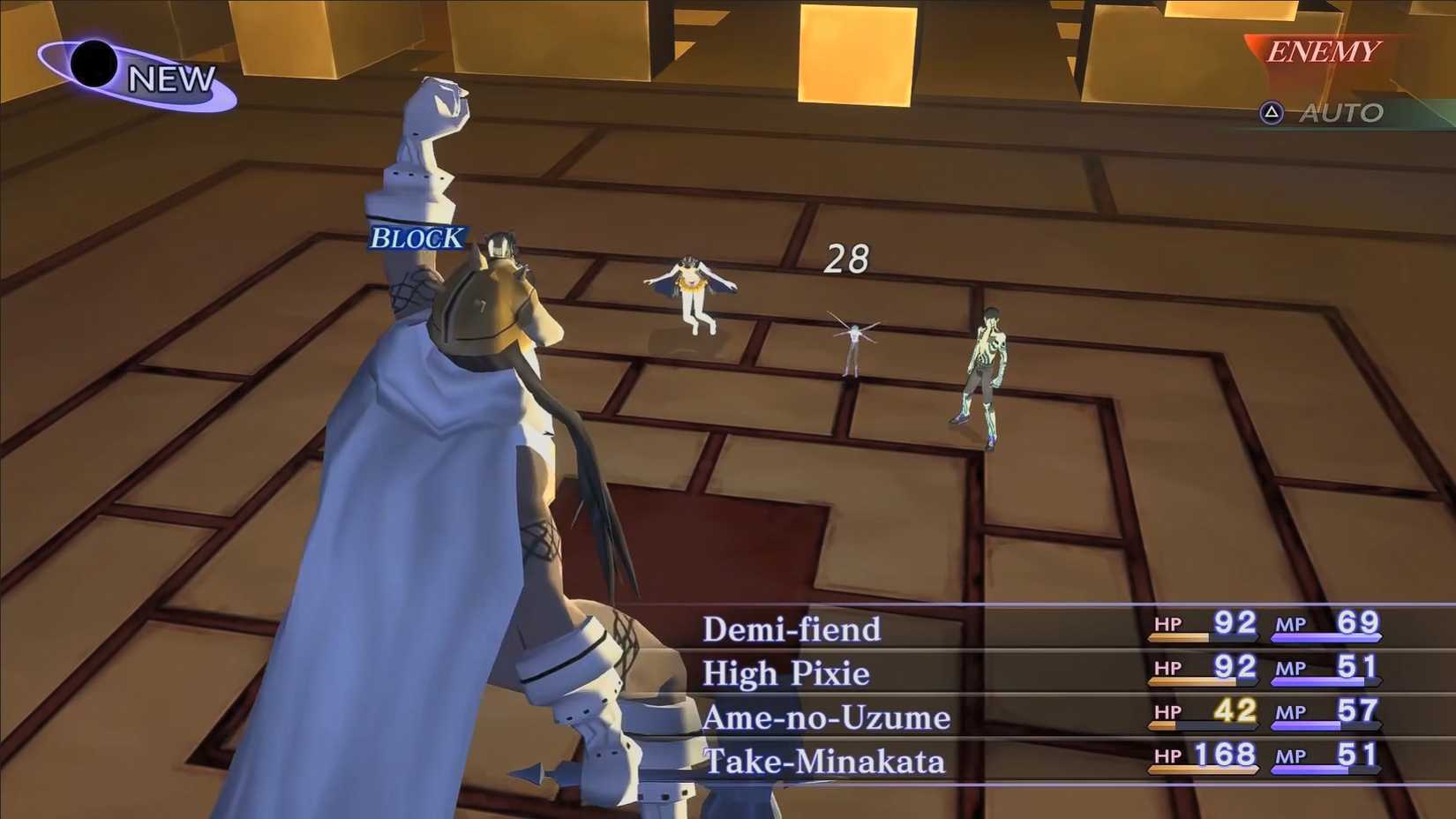
6. Shin Megami Tensei III: Nocturne: The Press Turn
Atlus changed the landscape of difficulty with the "Press Turn" system in Nocturne. Before this, elemental weaknesses were a "nice to have." In Nocturne, they are a matter of life and death.
The system grants an extra turn icon for exploiting a weakness or landing a critical hit, but it punishes players with double-turn consumption if they strike an immunity or reflection. It is a system that demands mastery, rewarding aggressive, calculated play while punishing recklessness. Its spiritual successor, the "One More" mechanic found in the Persona series, softened the edges, but Nocturne remains the most brutal and pure implementation of turn-based optimization ever conceived.
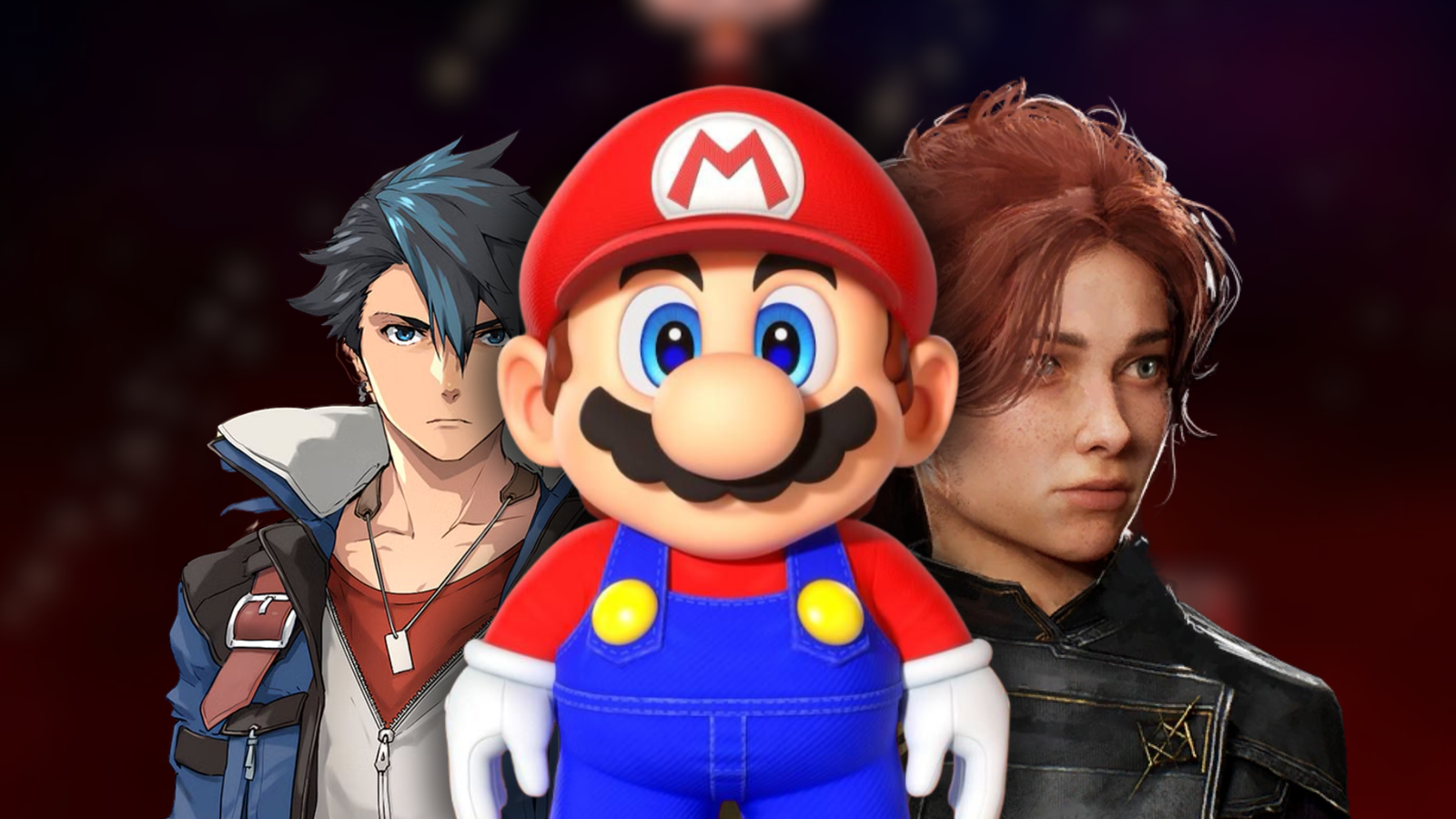
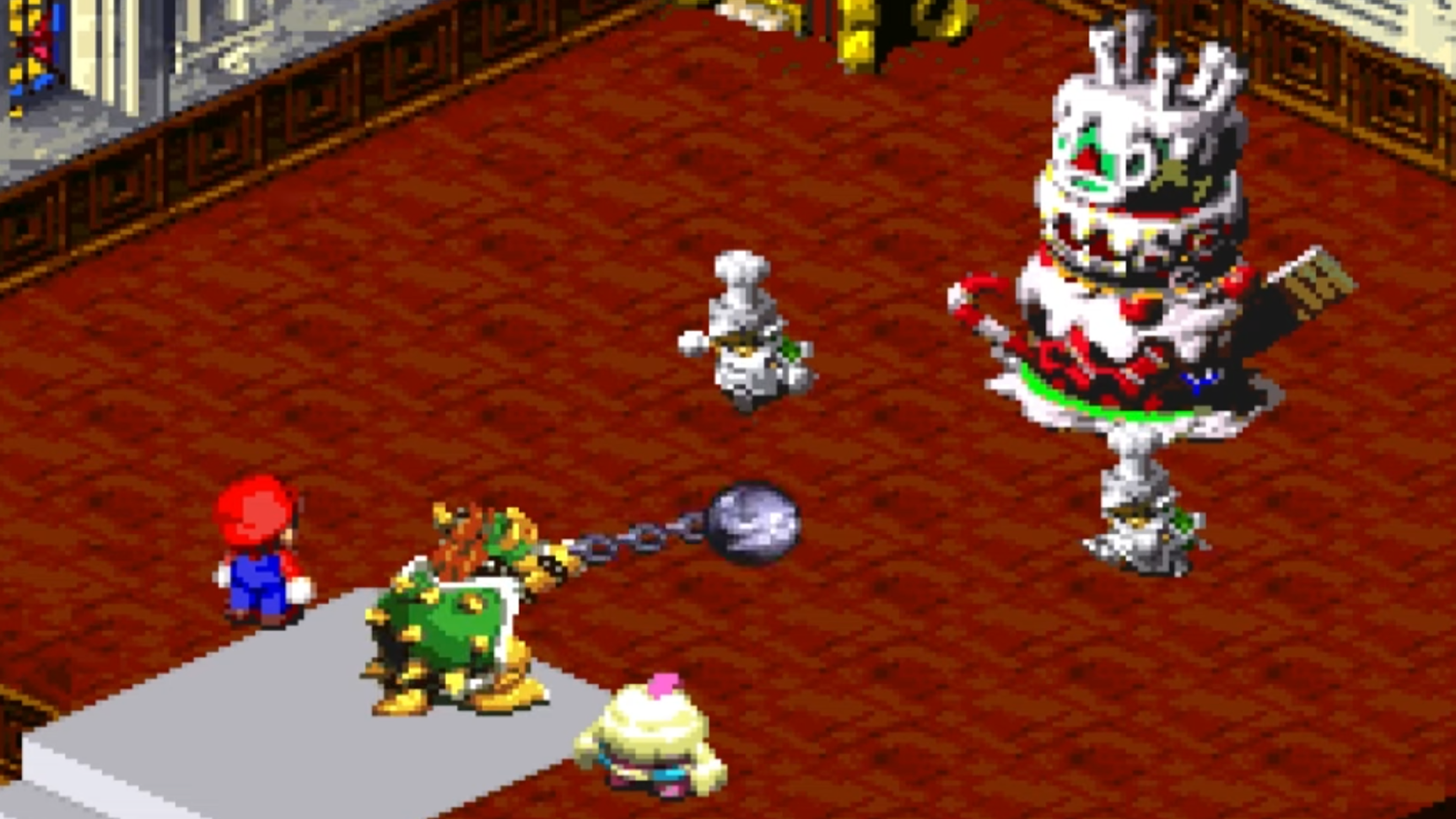
5. Super Mario RPG: The Birth of Timed Inputs
In 1996, Super Mario RPG introduced the world to the "Timed Input." The simple concept of pressing a button at the exact moment of impact to increase damage or reduce incoming damage was revolutionary.
It turned the passive act of watching an attack animation into an active, reflex-based challenge. This system has proven to be timeless, serving as a direct inspiration for modern critical darlings like Clair Obscur: Expedition 33. Even for players who struggle with timing, the game remains accessible, but for those who master it, the combat transforms into a rhythmic, skill-based spectacle.
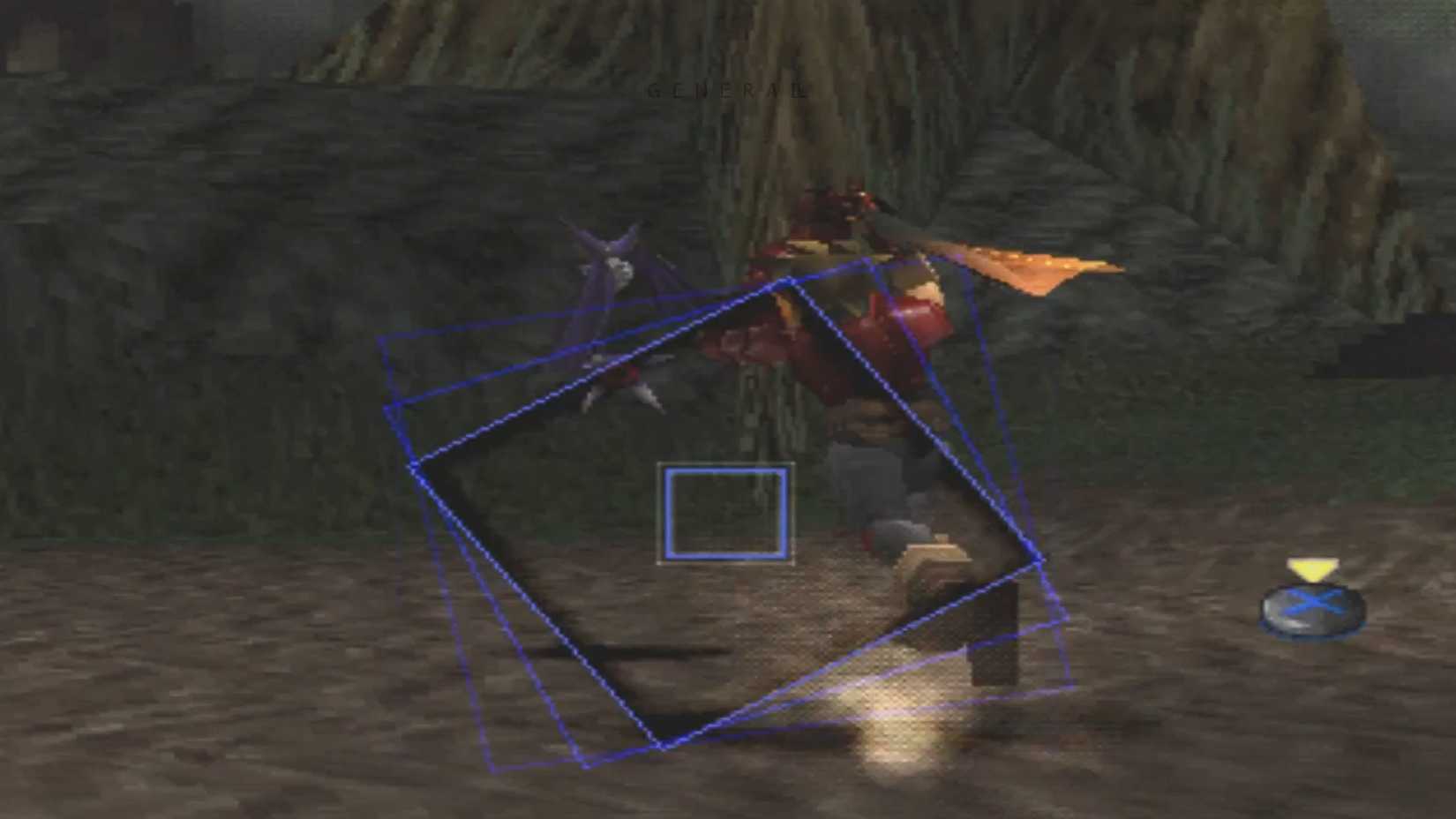
4. The Legend of Dragoon: The Rhythm of Combat
Sony’s The Legend of Dragoon (2000) took the concept of timed inputs and built an entire game around them. Through its "Addition" system, players weren’t just pressing one button; they were executing complex button sequences to chain together multi-hit combos.
The audio-visual feedback—the loud, satisfying cues referencing the name of each Addition—made every physical attack feel impactful. While the game’s late PS1 release prevented it from becoming a long-running franchise, its influence on subsequent RPGs that prioritize rhythm-based combat is undeniable. It pushed the envelope of what a turn-based system could feel like, moving it closer to an action-RPG experience.
3. Shadow Hearts: The Judgment Ring
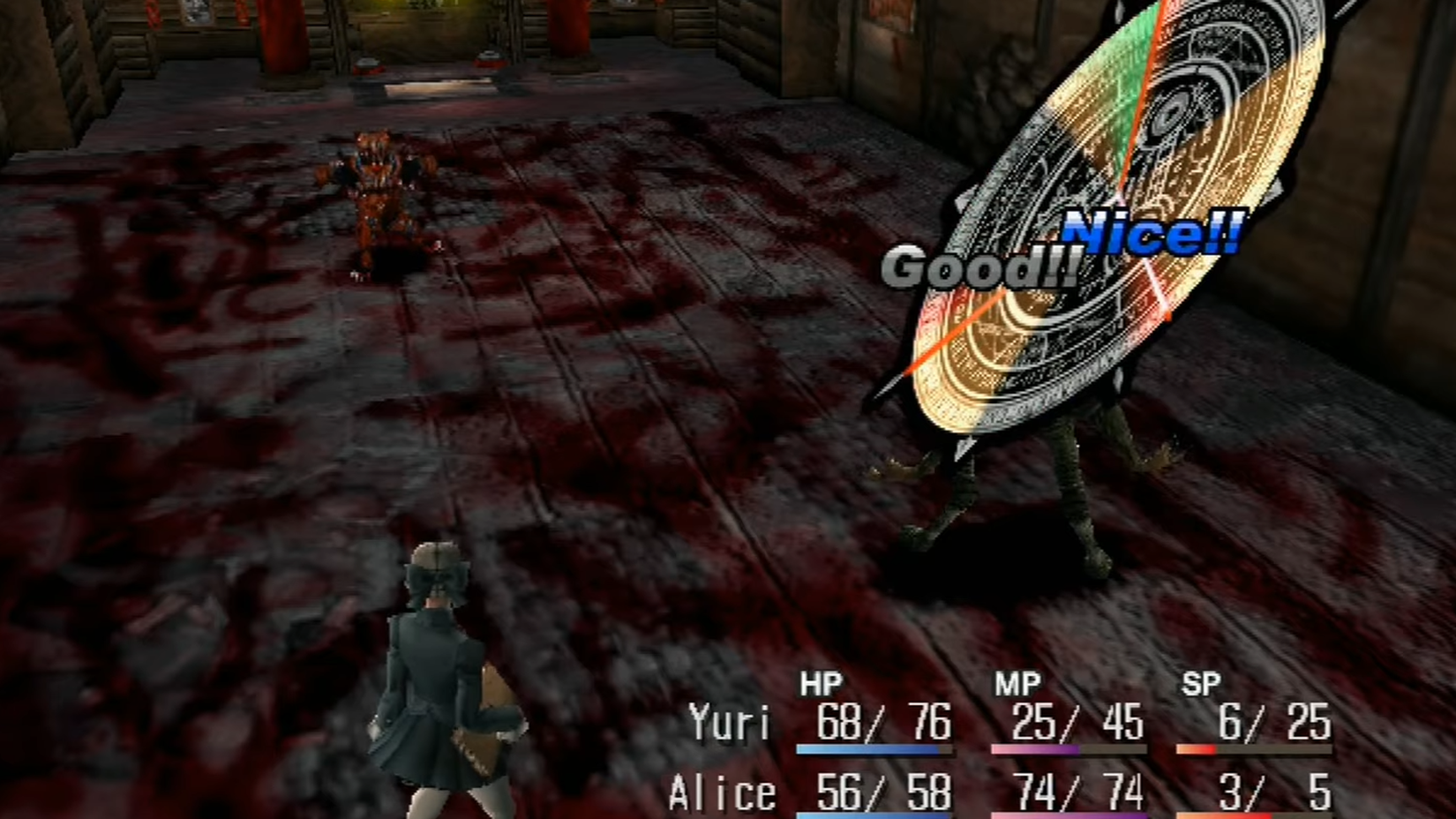
The Shadow Hearts series is perhaps the most unique entry on this list. Its combat is governed by the "Judgment Ring," a circular interface that requires the player to time a cursor strike within specific slivers of the ring.
This mechanic applies to everything from basic attacks to magic spells. By equipping different rings, players could shift the risk-reward dynamic—making the game easier for casual play or extremely punishing for those chasing critical hits. It remains a masterclass in adding physical stakes to turn-based combat, and its absence in the modern market is a frequent point of frustration for genre enthusiasts.
2. Clair Obscur: Expedition 33: The Modern Benchmark
While Clair Obscur: Expedition 33 (2025) is a newer entry, its impact on the industry is already palpable. By blending realistic, high-fidelity graphics with a combat system that incorporates dodging, parrying, and precise timing, it has bridged the gap between cinematic action and turn-based strategy.
It effectively proved that turn-based combat doesn’t need to be static to be "tactical." By capturing the attention of players who typically avoid the genre, Expedition 33 has set a new expectation for what a turn-based RPG should look like in the modern era. Its success is a clear signal to developers and investors that tactical combat has a bright, visually stunning future.
1. The Legend of Heroes: Trails Through Daybreak
Finally, Trails Through Daybreak (2024/2026) offers what many consider the "perfect" hybrid. By allowing players to initiate combat in real-time before seamlessly transitioning into a command-based turn system at the press of a button, it caters to both action fans and tactical purists.
The transition is so fluid that it renders the old "random encounter" screen obsolete. By giving players the agency to choose how they engage, Nihon Falcom has created a system that feels natural, modern, and deeply engaging. It represents the pinnacle of the genre’s evolution, proving that the future of the JRPG is not about choosing between action and turns—it’s about offering both.
Implications for the Future
The evolution of these systems highlights a clear trend: the "traditional" JRPG is not dying; it is shedding its skin. As developers continue to integrate real-time feedback, reflex-based timing, and seamless transitions, the line between "turn-based" and "action" continues to blur. These ten titles prove that as long as there is innovation, the turn-based genre will remain not just relevant, but essential to the gaming landscape.


 Nana
Nana
 Ammar Sabilarrohman