

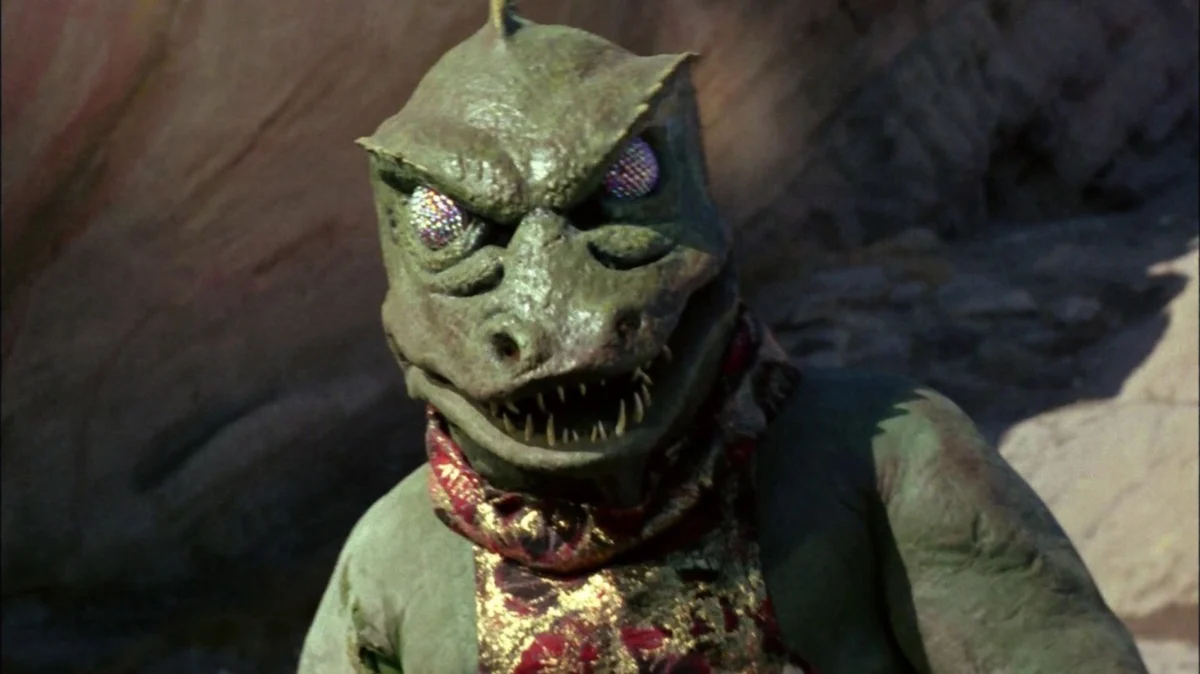
In the annals of science fiction history, few cultural shifts have been as transformative as the birth of the modern fan convention. While today’s Comic-Cons are multi-billion-dollar global spectacles, the origin point was far more humble, born from the fervent dedication of a fanbase orphaned by the cancellation of Star Trek: The Original Series. Among the most insightful observers of this nascent phenomenon was the legendary science fiction author Isaac Asimov.
Writing in the inaugural issue of Starlog Magazine in August 1976, Asimov provided a rare, high-minded intellectual validation for a community that was, at the time, frequently misunderstood and unfairly maligned by the mainstream media. His reflections serve as a primary document in understanding how a television show—initially dismissed as a modest ratings performer—blossomed into a cultural touchstone.
The Genesis of the "Star Trek" Phenomenon
The official timeline of Star Trek conventions arguably begins with the "Star Trek Lives!" event held at the Statler Hilton Hotel in New York City from January 21 to 23, 1972. This gathering occurred just two and a half years after NBC pulled the plug on Gene Roddenberry’s series.
However, the history is nuanced. Some purists point to an earlier, smaller-scale event held at the Newark Public Library in March 1969. That gathering, while devoid of celebrity guests and consisting of only 300 attendees, marked the first time fans congregated specifically to celebrate the lore of the USS Enterprise.
By 1972, the landscape had changed. Star Trek had found a second life in syndication, where its themes of exploration, humanism, and scientific optimism resonated with a new generation of viewers. The growth of the fanbase was organic and explosive. When the organizers of the 1972 convention initially planned for 250 attendees, they were stunned when 2,500 fans descended upon the Statler Hilton. This overwhelming turnout was the first objective evidence that Star Trek was not merely a television show, but a movement.
Isaac Asimov: The Unlikely Champion of the Trekkie
Isaac Asimov, a titan of literature and a man whose analytical mind defined the rules of robotics, became a frequent guest at these early conventions. Between 1972 and 1976, Asimov attended multiple events, primarily because they were hosted in his home city of New York.
At the time, the public perception of these gatherings was largely negative. Outsiders viewed the attendees—often young girls and teenagers—as a chaotic, hysterical mob, a sentiment frequently compared to the fervor of Beatlemania. Asimov, having attended countless academic, professional, and literary conferences throughout his long career, was uniquely positioned to compare the behavior of Trekkies to other demographics.
In his essay, "The Conventions As Asimov Sees Them," he systematically dismantled the stigma. He observed that the attendees were a cross-section of society: "sub-teen boys, teenage girls, teenage boys, grown women, and grown men." Far from the "chaotic mosh pit" narrative peddled by the press, Asimov found an environment defined by profound decorum.
Chronology of an Evolving Community
The mid-1970s represented a period of stabilization and growth for the convention circuit. Asimov’s participation was not a one-time novelty; he was a consistent fixture during the formative years:
- 1972: The "Star Trek Lives!" convention sets the template for the industry, proving that fans are willing to travel and pay for organized community experiences.
- 1973–1974: The format solidifies. Conventions move from informal meetups to structured programming, featuring Q&A panels, costume contests, and merchandise sales.
- 1975–1976: Asimov attends two conventions per year. By this time, the "Trekkie" identity has been firmly established as a badge of honor, and the events have become a staple of New York’s cultural calendar.
Asimov’s testimony remains one of the few contemporary accounts that treated the fans with dignity. He noted that during Q&A sessions, fans lined up with patience, waited for their turn at the microphone, and asked questions with a level of grace and intelligence that surpassed many professional academic symposia he had attended.
The Intellectual Defense of Fandom
Asimov’s defense of the Star Trek community went deeper than mere observation; it was a philosophical endorsement of the show itself. He wrote:
"These were enthusiastic people of all ages who had taken part in the ‘Star Trek’ experience, who had been and were participants in the most sophisticated example of science fiction on the television screen, and a little of whose lives had been permanently marked as a result. The Trekkies are intelligent, interested, involved people with whom it is a pleasure to be, in any numbers."
For Asimov, the behavior of the fans was a direct reflection of the source material. He argued that Star Trek was an "intelligent, interested, and involved show," and therefore, it logically followed that the audience it cultivated would share those traits. He identified a feedback loop: the show challenged the intellect of the viewer, and the viewer, in turn, built a community based on those shared intellectual values.
The Complications of History: A More Modern Perspective
While Asimov’s defense of the fan community remains a landmark in the history of science fiction, modern historians and feminist critics have rightly pointed out the complexities of his legacy at these events.
It is widely documented that Asimov had a habit of making unwanted advances toward young women at conventions, often justifying his behavior as harmless, old-fashioned flirtation. In the context of the 1970s, this behavior was largely tolerated, even overlooked, as the industry operated under a patriarchal framework that rarely held powerful, elderly men accountable for "lecherous" conduct.
Modern analysis has shifted to address these actions. While Asimov was a champion for the legitimacy of the fans, he was also a perpetrator of the very toxic power dynamics that have since been a subject of intense scrutiny within convention culture. This dual reality—Asimov as the defender of intellectual fandom and as a man whose personal conduct would be considered unacceptable today—serves as a reminder that the history of fandom is not just about the media we consume, but about the social evolution of the people who consume it.
The Legacy of Early Conventions
The orderly nature of these early conventions stood in stark contrast to later, more infamous events like the 1982 "Con of Wrath," which became a cautionary tale of poor management and fan frustration. The early conventions, as recalled by Asimov, were defined by a sense of shared purpose.
The success of these events paved the way for the professionalization of the industry. They proved that science fiction was a viable commercial engine, eventually leading to the massive franchise expansion that includes modern streaming series, films, and global conventions.
Isaac Asimov’s writing from 1976 provides an essential snapshot of a moment when science fiction fandom was transitioning from a fringe hobby to a mainstream cultural force. By refusing to succumb to the prejudices of his contemporaries and instead viewing the attendees through a lens of academic respect, Asimov helped legitimize a community that would eventually shape the course of popular culture.
His observations confirm that while the technology of Star Trek was science fiction, the community it built was very real—a group of individuals bound by a shared, intelligent optimism that, even half a century later, continues to define what it means to "boldly go."











No comments yet. Be the first to join the conversation!