

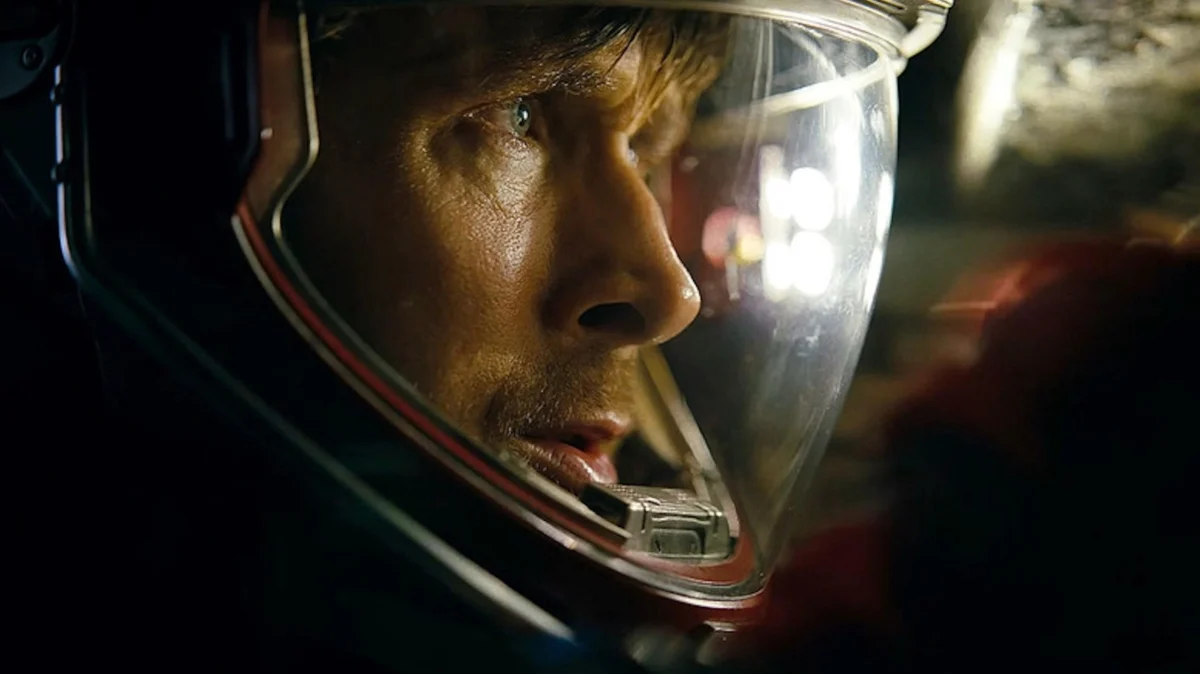
In the high-stakes world of modern science fiction, few authors have captured the public imagination quite like Andy Weir. From the desperate, potato-farming survivalism of The Martian to the cosmic, optimistic problem-solving of Project Hail Mary, Weir has carved out a niche as the primary architect of "competence porn"—a genre where human ingenuity, coupled with rigorous scientific accuracy, triumphs over the cold, indifferent vacuum of space.
Given his literary DNA, one might expect Weir’s personal pantheon of cinema to be populated by the likes of 2001: A Space Odyssey, Blade Runner, or perhaps the cerebral explorations of Contact. However, in a recent Reddit Ask Me Anything (AMA) session, the author revealed a choice that left many of his fans scratching their heads: his favorite movie is the 1968 historical drama The Lion in Winter.
The Core Revelation: Beyond the Stars and Into the Courtroom
The disconnect between Weir’s hard-science bibliography and his love for a 12th-century political chamber piece is striking. The Lion in Winter, directed by Anthony Harvey and based on the play by James Goldman, focuses on the volatile, razor-sharp power struggle between King Henry II (Peter O’Toole) and his imprisoned wife, Eleanor of Aquitaine (Katharine Hepburn), during a Christmas court gathering in 1183.
While Weir’s stories are typically defined by physics, chemistry, and engineering, The Lion in Winter is defined by verbal combat, emotional warfare, and the heavy burden of legacy. To understand why an author of technical manuals-turned-bestsellers would gravitate toward this film, one must look at the structural similarities in how Weir approaches his own narratives.
Chronology of a Classic: The Context of Weir’s Choice
To grasp the significance of this preference, we must contextualize both the film and the author’s career.
- 1968: The Lion in Winter premieres, earning Katharine Hepburn an Academy Award for Best Actress. It becomes a hallmark of the "literate drama" genre.
- 2011: Andy Weir self-publishes The Martian, which eventually becomes a cultural phenomenon and a Ridley Scott film.
- 2021: Project Hail Mary is released to widespread acclaim, further solidifying Weir’s status as a top-tier science fiction voice.
- 2025: During a candid Reddit interaction, Weir highlights The Lion in Winter as his ultimate cinematic touchstone, providing a rare glimpse into the influences that shape his character-driven storytelling.
Supporting Data: Why "The Lion" Resonates with a Technocrat
Why would a writer obsessed with orbital mechanics and biological survival gravitate toward a film about medieval monarchs? The answer likely lies in the economy of dialogue and the nature of conflict.
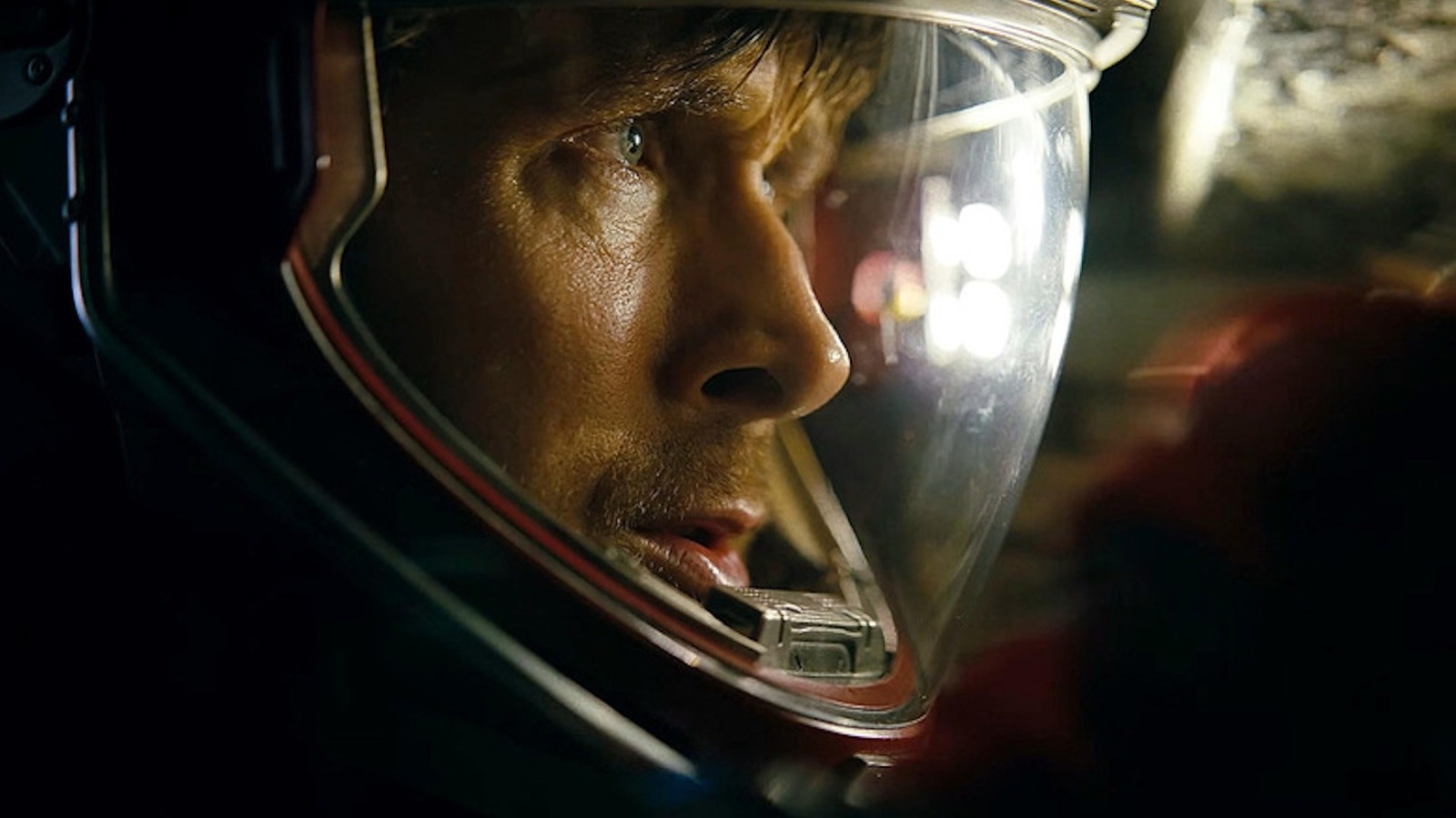
Weir’s protagonists, such as Mark Watney or Ryland Grace, are often trapped in isolated environments where their only tools are their minds and the limited resources at their disposal. In The Lion in Winter, the characters are similarly "trapped"—not by space, but by their political station and their complicated pasts. The film is a masterclass in how characters use language as a weapon to navigate high-pressure scenarios.
1. High-Stakes Intellectual Combat
In Project Hail Mary, Ryland Grace must use his scientific expertise to solve impossible problems in real-time. In The Lion in Winter, Henry and Eleanor use their rhetorical skills to maneuver around one another. Both scenarios feature brilliant characters attempting to outthink their opposition while the stakes—whether it be the survival of humanity or the succession of the English throne—hang in the balance.
2. The Power of "Competence"
Much like the engineering feats in The Martian, the characters in The Lion in Winter exhibit a chilling, high-level competence. They are experts in the "game" of politics. Weir’s appreciation for characters who know their craft—even when that craft is as messy as family infighting—parallels his own writing style, which favors characters who can execute complex tasks with clinical precision.
Official Responses and Public Discourse
The reaction from the literary and film communities has been a mix of surprise and intrigue. On platforms like Reddit, fans of Weir’s work have begun re-evaluating his novels through the lens of The Lion in Winter. Critics have noted that while the aesthetic of his books is "hard sci-fi," the pulse of his books is surprisingly character-focused.
One Reddit user observed, "It makes sense. Weir likes smart people arguing about the best way to survive. The Lion in Winter is just a two-hour argument about survival of a different kind."
However, not all discourse is celebratory. Skeptics point out that The Lion in Winter is historically loose, presenting a romanticized, almost sanitized version of a marriage that included the actual imprisonment of a queen for over a decade. Weir has previously stated he considers himself a "politically neutral" writer, preferring to focus on the human capacity for growth and problem-solving rather than engaging in ideological critiques. His affinity for the film suggests a preference for the "drama of ideas" over the "drama of historical accuracy."
Implications: How This Shapes Future Fiction
This revelation carries significant implications for what we can expect from Andy Weir’s future projects. If his favorite film is a masterclass in psychological manipulation and verbal sparring, it suggests that Weir may be looking to expand his repertoire. While he will likely remain in the realm of speculative fiction, readers might see a shift toward more complex, "theatrical" character dynamics.
The "Weirian" Shift
- Increased focus on interpersonal conflict: Future novels may feature more "Ryland Grace vs. Strata" type confrontations, where the battle is as much psychological as it is physical.
- Literary pacing: Weir may adopt the rhythmic, stage-play structure found in the work of writers like James Goldman, moving away from the "lone wolf" narrative toward larger ensemble pieces that prioritize sharp, witty dialogue.
Conclusion: The Bridge Between Two Worlds
Andy Weir’s choice of The Lion in Winter is not a contradiction; it is a lens. It confirms that at his heart, Weir is not just a fan of physics, but a fan of the intellectual process. Whether that process is calculating the trajectory of a spacecraft or calculating the most damaging thing one can say to an estranged spouse, the fascination remains the same: the human mind under pressure.
As he continues to define the landscape of modern science fiction, this connection serves as a reminder that great stories—regardless of genre—are ultimately about people. By looking at the past, Weir is clearly refining his vision for the future, proving that even in the furthest reaches of the galaxy, the most compelling drama is found in the clash of human wills.
Whether one agrees with the film’s historical merits or not, the choice of The Lion in Winter provides a fascinating roadmap for understanding the mind of one of today’s most influential authors. It suggests that while we may look to Weir for the "how" of science fiction, he is deeply interested in the "why" of the human condition.










