

In the rapidly evolving landscape of mid-range smartphones, Honor has consistently sought to bridge the gap between flagship performance and accessible pricing. With the launch of the Honor 600, the brand is making a bold statement: high-end AI capabilities no longer require a four-figure investment. Priced at £549.99, the Honor 600 arrives as a compelling, albeit imperfect, contender in a crowded market.
While it shares DNA with its more expensive sibling, the Honor 600 Pro, this handset carves out its own identity by focusing on display brilliance, battery endurance, and a suite of generative AI tools that push the boundaries of what users expect from a device in this tier.

The Core Specifications: A Balanced Architecture
At its heart, the Honor 600 is powered by the Qualcomm Snapdragon 7 Gen 4 chipset, paired with 8GB or 12GB of RAM. While this silicon doesn’t boast the raw, unbridled power of the latest flagship 8-series processors, it offers a remarkably stable and efficient user experience.
- Display: 6.57-inch AMOLED, 2728 x 1264 resolution (458ppi), 120Hz refresh rate.
- Battery: 7,000mAh capacity with 80W wired charging.
- Cameras: 200MP main sensor (f/1.9) with AI-enhanced processing, 12MP ultrawide, 50MP selfie lens.
- Software: MagicOS 10, based on Android 16.
- Build: IP68/IP69-rated durability with 5-star SGS Drop & Crush resistance.
Chronology of the Release
The Honor 600 was officially unveiled on May 7, arriving as part of Honor’s broader strategy to capture the mid-to-high-end European market. Following its launch, the device became immediately available in the UK, with a tiered pricing strategy: £549.99 for the 256GB storage model and £599.99 for the 512GB version.
As with many of Honor’s recent releases, the phone maintains a focused geographical distribution, currently excluding markets in the United States and Australia. The release timeline reflects Honor’s aggressive push into the AI-first smartphone segment, positioning the 600 as a primary vehicle for their proprietary MagicOS 10 features.
Design and Aesthetics: The "Safe" Choice
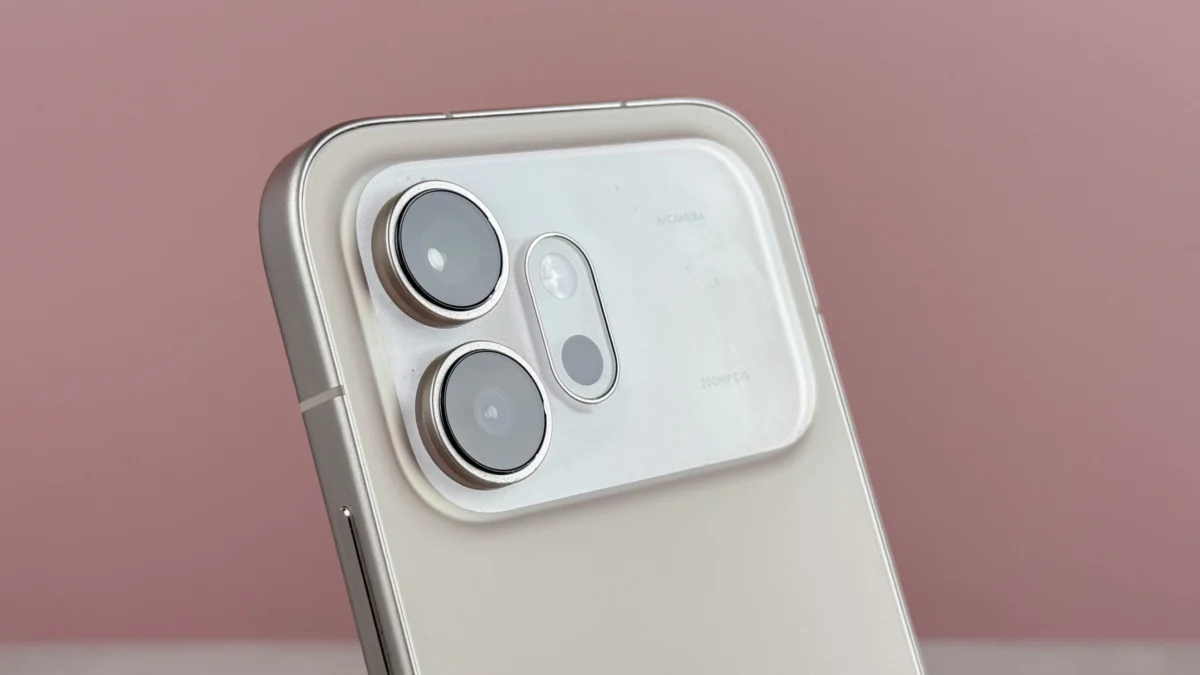
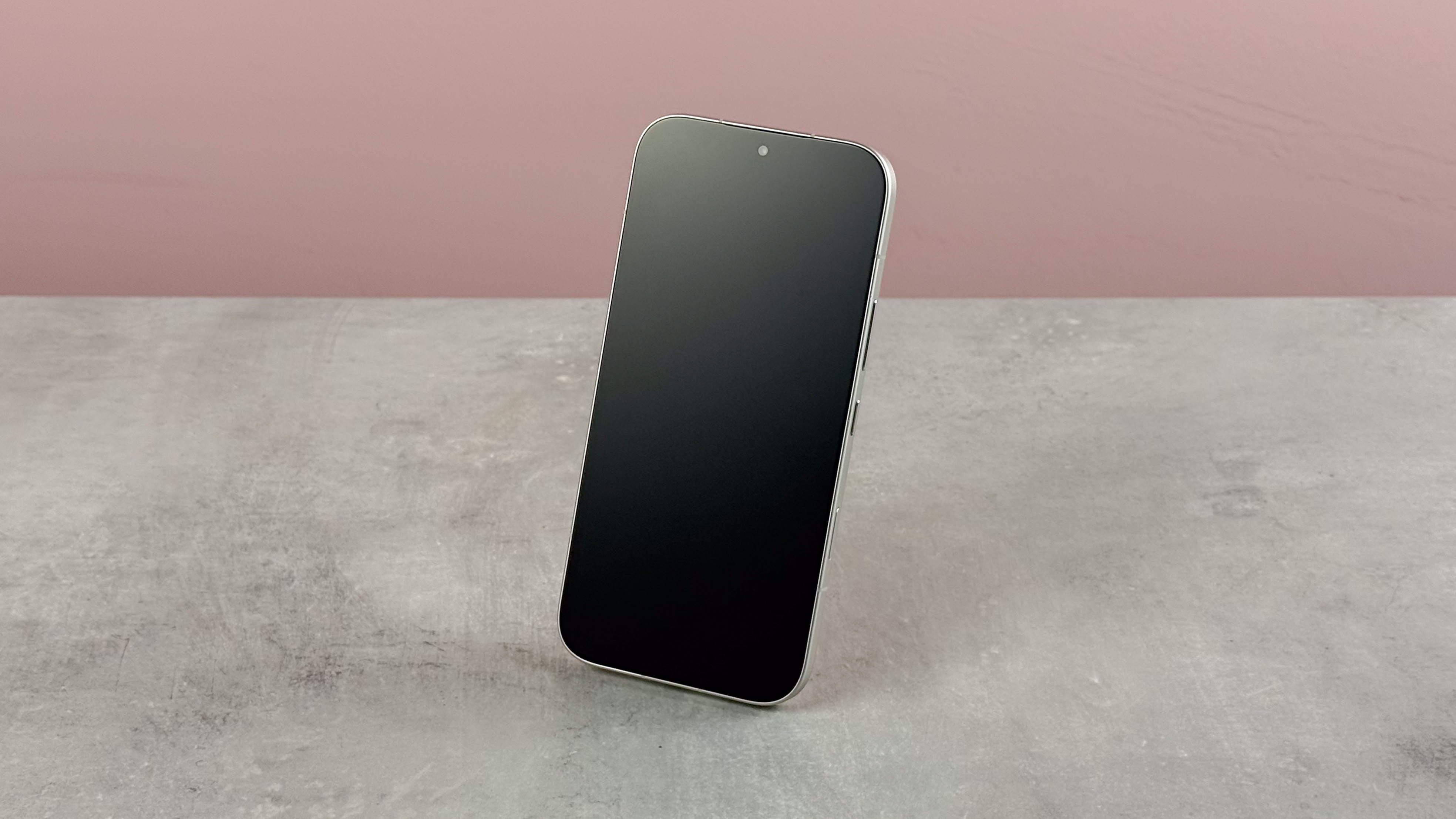
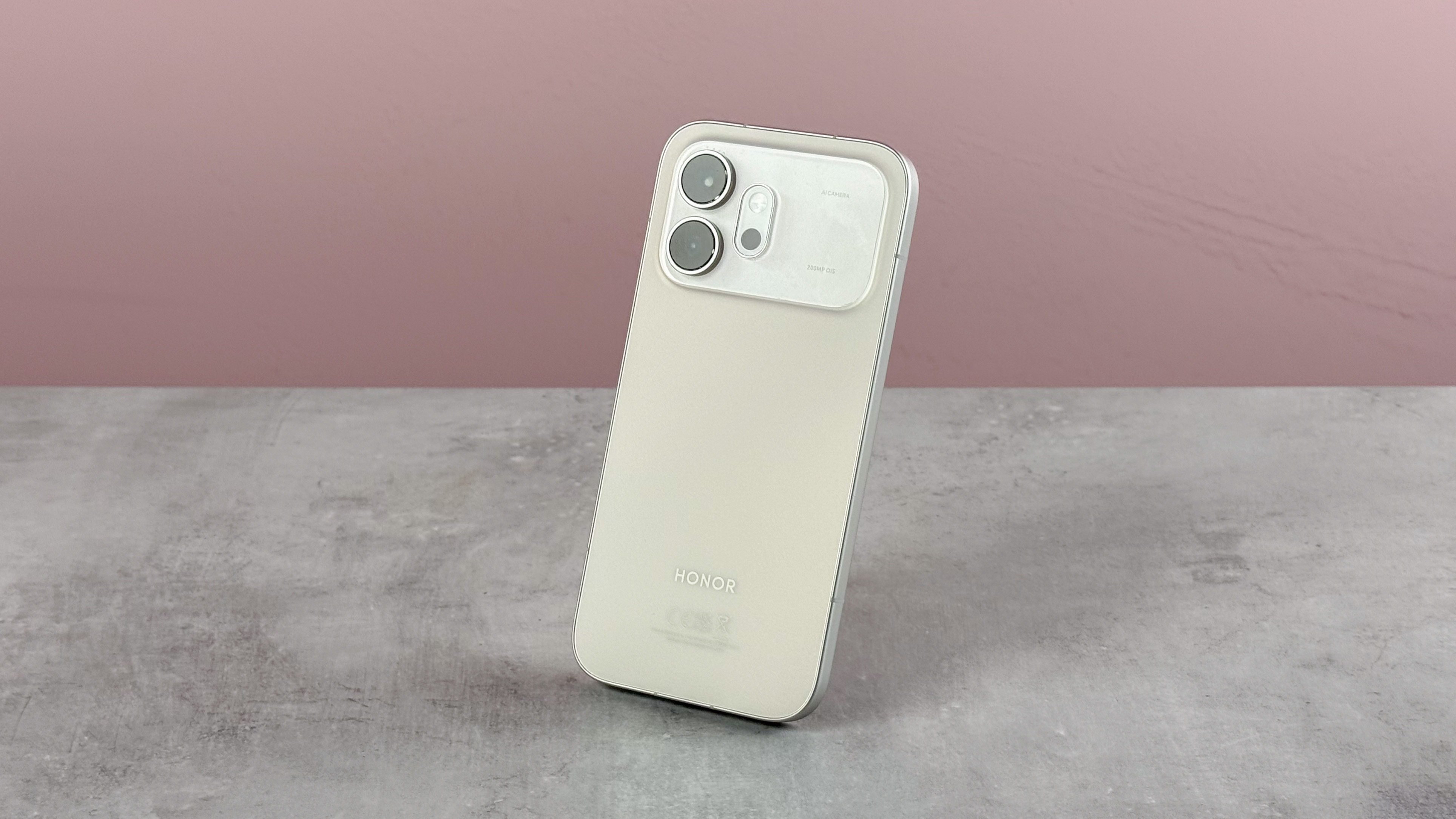
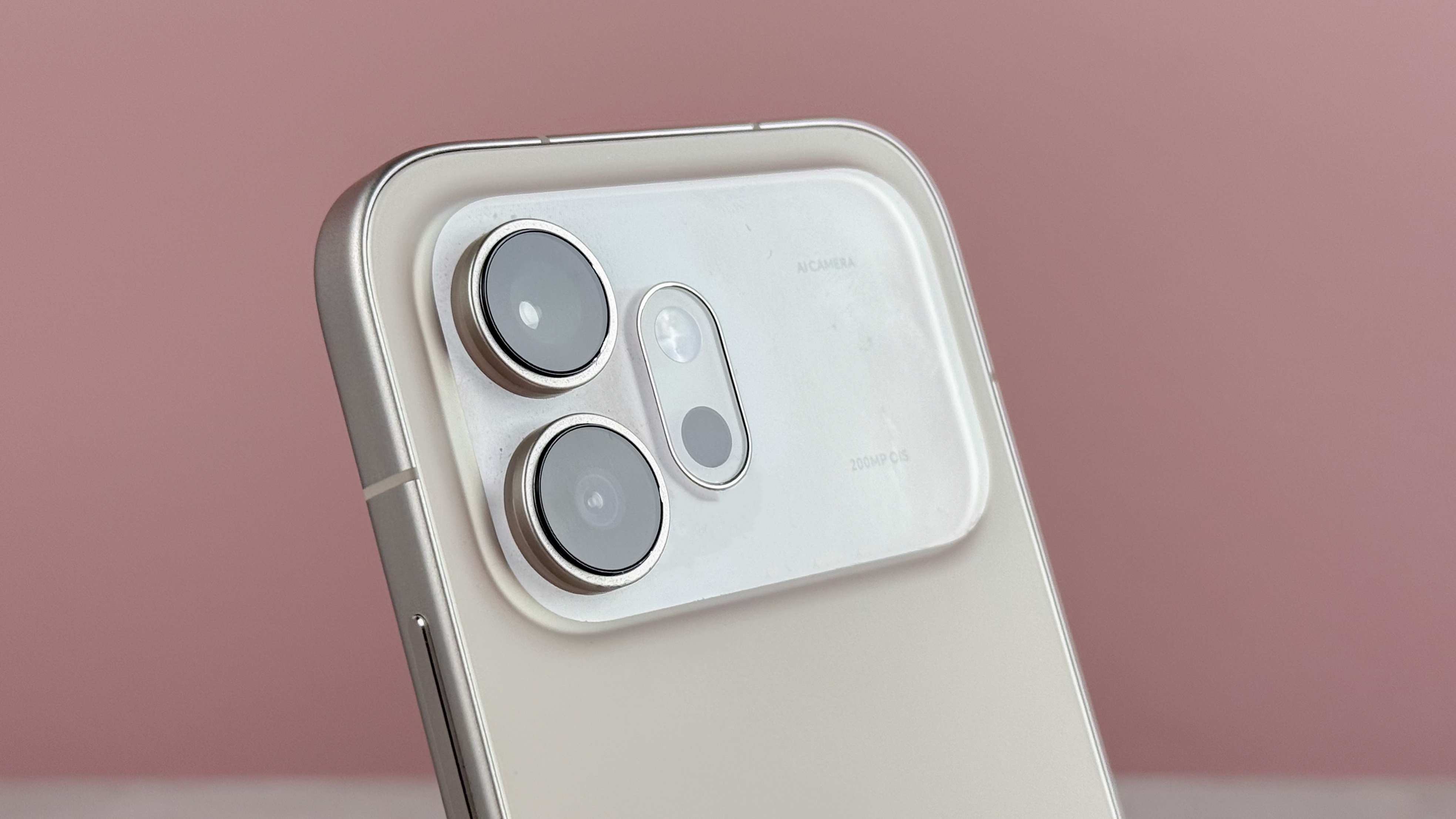
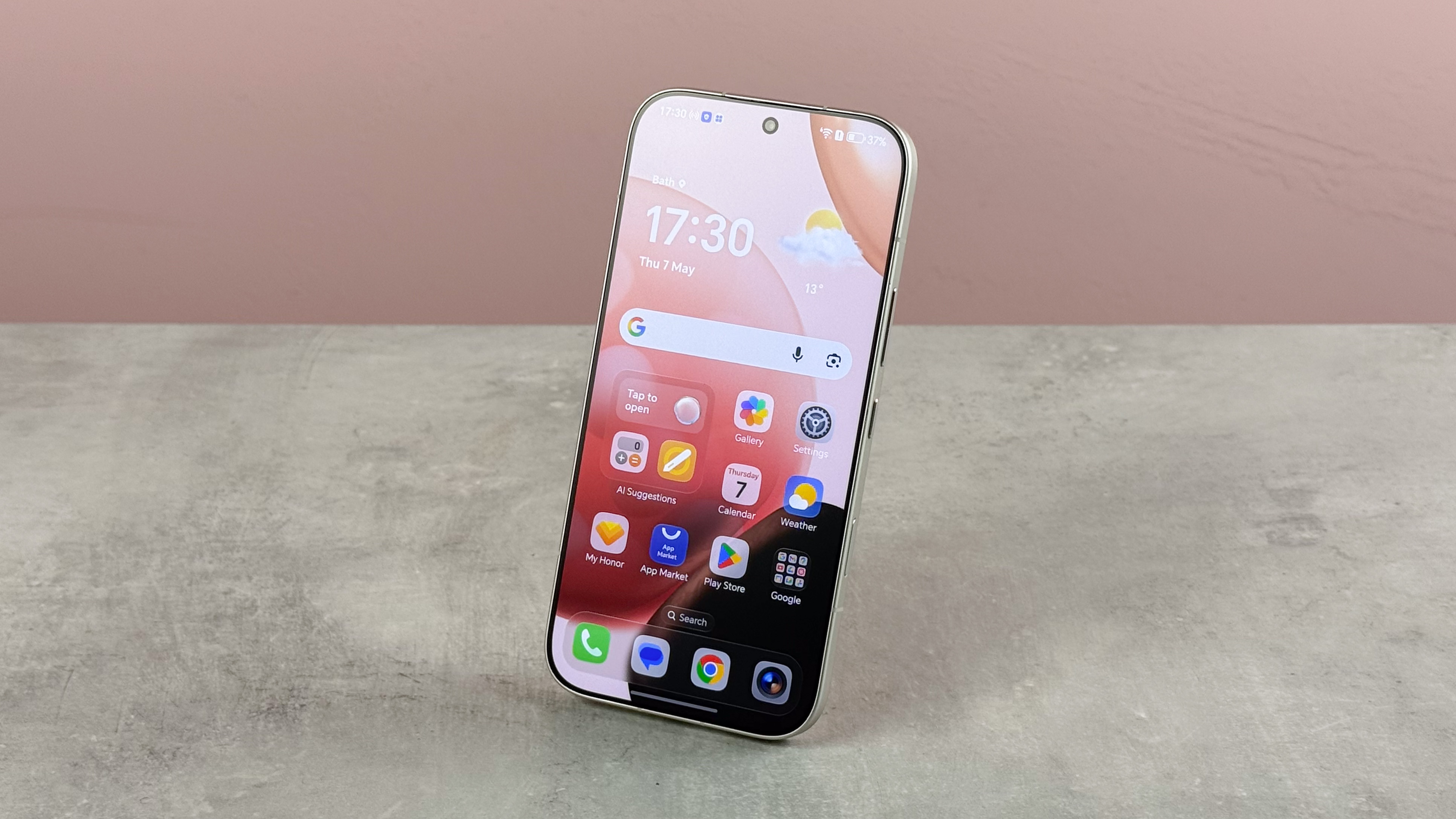
Design-wise, the Honor 600 is undeniably elegant, though it plays it safe. It draws heavy inspiration from contemporary aesthetics—specifically the iPhone 17 Pro—featuring an anodized metal frame and a glass rear panel. While it lacks the avant-garde "Nothing-style" transparency or bold design language, it remains undeniably premium to the touch.
The most controversial element is the full-width camera module. While functionally necessary for housing the high-end sensors, it creates a "hunchback" profile that divides opinion. However, Honor earns points for its durability. The inclusion of an IP69 rating—surpassing the standard IP68—means the device is not only dust-tight but capable of withstanding high-pressure water jets, a rarity at this price point.
Display: A Dazzling Visual Experience
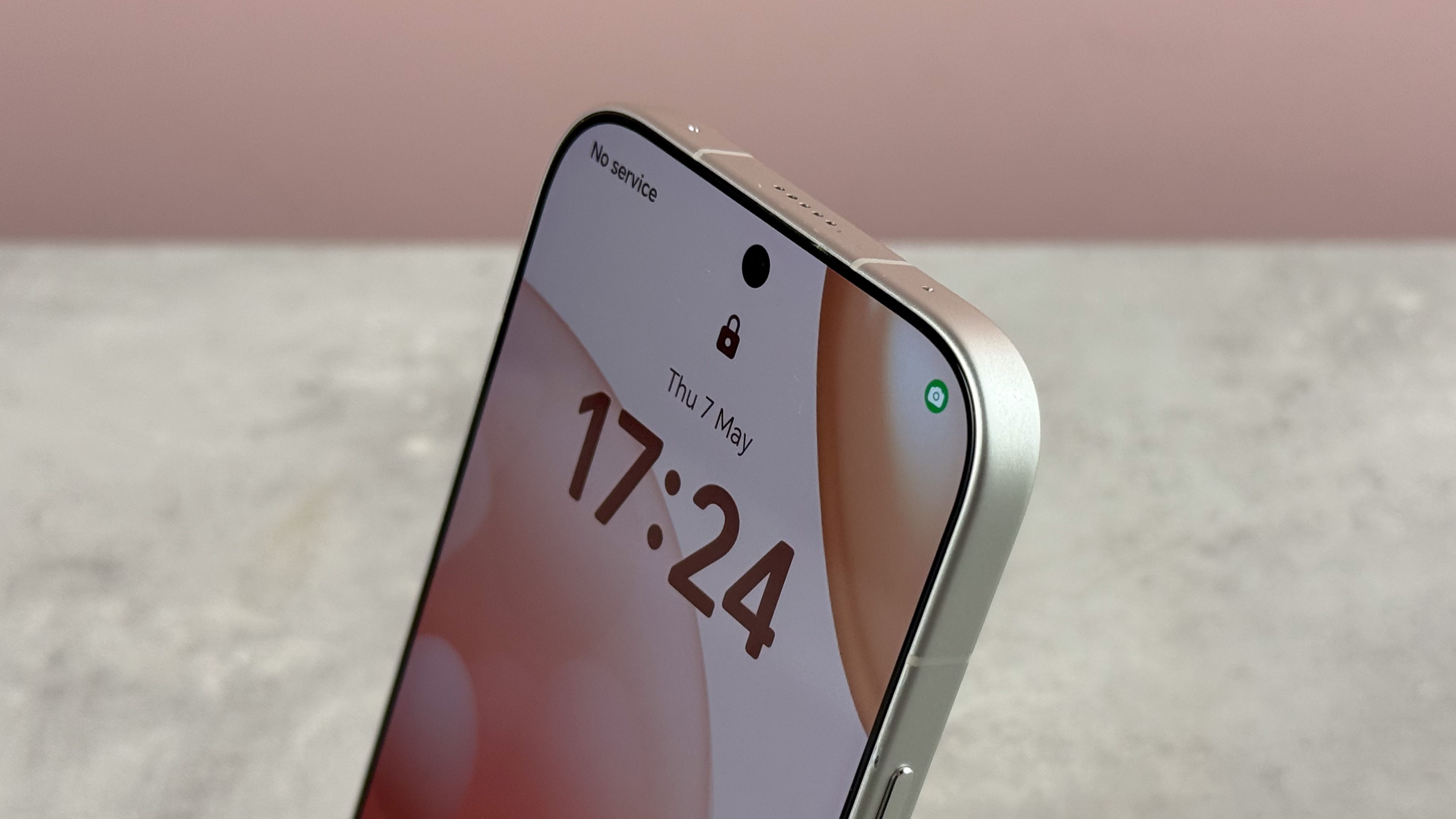
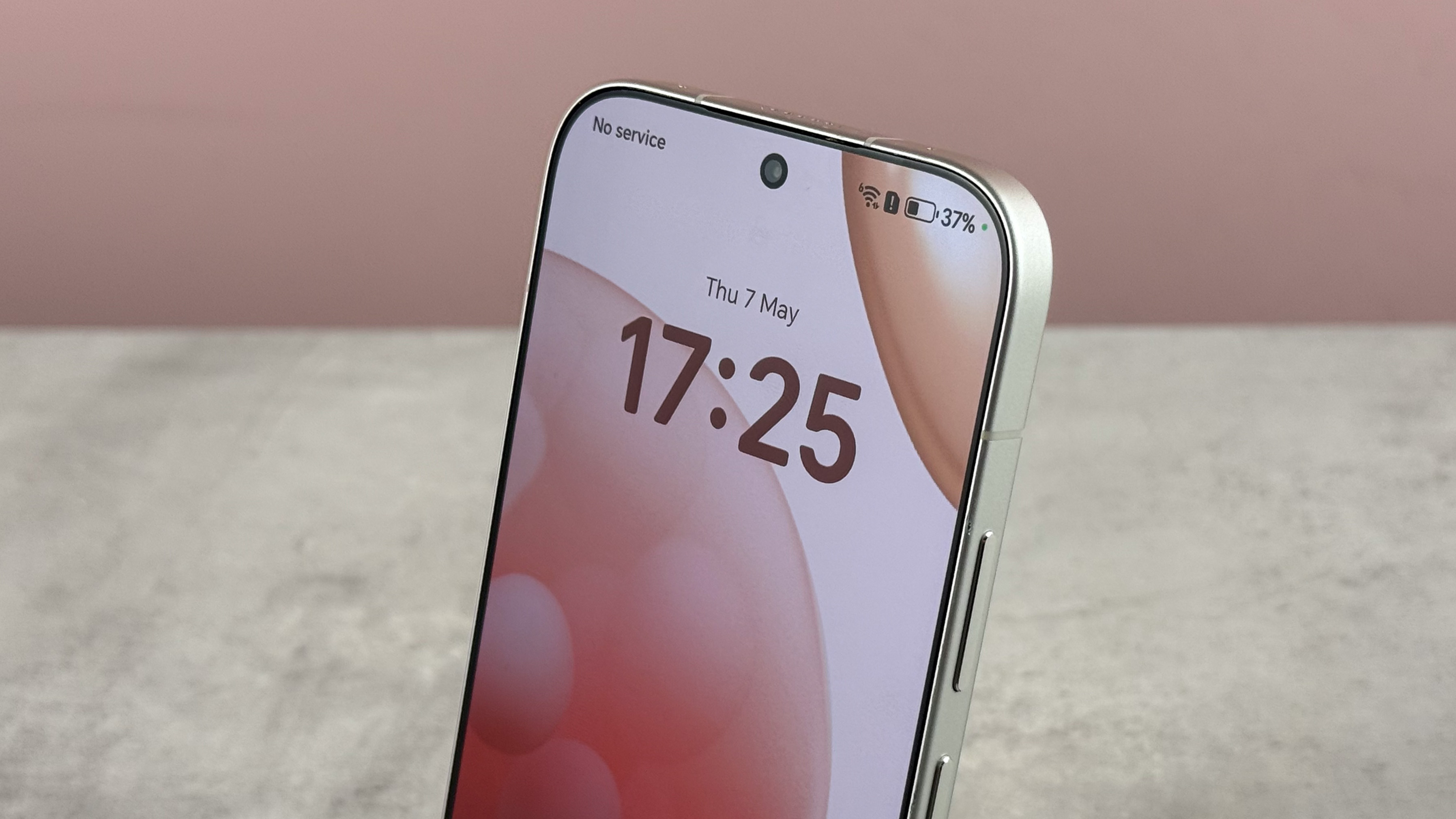
The display is arguably the Honor 600’s strongest selling point. The 6.57-inch AMOLED panel produces a staggering 8,000 nits of peak brightness in lab conditions. While real-world usage rarely hits that ceiling, the panel is undeniably luminous.
Comparing the screen to flagship rivals reveals that while it lacks the absolute pixel density of the Samsung Galaxy S26 Plus, it provides superior color vibrancy. When viewing high-dynamic-range content, the display renders fine details—such as the texture of fur or the shimmer of water—with exceptional clarity. However, color accuracy occasionally leans toward the cooler end of the spectrum, which may bother professional photographers but serves to make everyday UI elements look punchier.
AI Integration: The Double-Edged Sword
The defining feature of the Honor 600 is its heavy reliance on generative AI. The integration is pervasive, appearing in everything from image editing to security protocols.
The "Wow" Factor
The AI-enhanced camera system is capable of producing results that feel like magic. The "Image to Video" feature, which can animate still photos, is a standout. In testing, it successfully converted static shots of pets into fluid, believable videos. Similarly, the "Drone Pullback" effect on landscape photography provides a cinematic quality that would previously have required a professional editor.
The "Jank" Factor
However, the software is not without its pitfalls. Generative AI frequently struggles with anatomical consistency. When applying motion effects to portraits, the AI occasionally produced "uncanny valley" results, distorting facial features or blending people in uncomfortable ways. Additionally, the phone ships with an excessive amount of bloatware, including third-party apps like Temu, which undermines the premium experience the hardware works so hard to establish.
Performance and Thermal Dynamics
The Snapdragon 7 Gen 4 proves to be a reliable workhorse for everyday productivity. Whether managing heavy multitasking across dozens of Chrome tabs or running high-end mobile games like Call of Duty: Mobile, the phone remained fluid and responsive.
The caveat, however, is thermals. During sustained heavy gaming, the device heats up noticeably. While it never reached a temperature that threatened the hardware, it became uncomfortable to hold for long sessions. For competitive gamers who prioritize sustained performance, this may be a point of friction, suggesting that the cooling solution is tuned more for burst performance than marathon gaming.

Battery: A True Marathon Performer
With a massive 7,000mAh battery, the Honor 600 stands in a class of its own. In continuous video streaming tests, the device lasted over 23 hours. For the average user, this translates to nearly two days of moderate use, effectively eliminating "range anxiety."
The 80W wired charging is equally impressive, capable of bringing the device from 0% to 100% in just over 50 minutes. It is a convenience that changes the way one interacts with the phone; you no longer need to worry about overnight charging, as a quick top-up during breakfast is more than sufficient for the day ahead.

Implications for the Market
The Honor 600 represents a significant shift in the mid-range landscape. It proves that manufacturers are no longer reserving their best AI tools for ultra-expensive flagships. By democratizing features like deepfake detection, generative image manipulation, and massive battery capacity, Honor is forcing competitors to justify their higher price tags.
However, the "AI-first" philosophy carries risks. By baking these tools into the core of the OS, Honor risks alienating users who prefer a cleaner, more stripped-back software experience. The presence of bloatware further suggests that the company is attempting to subsidize the device’s high-end hardware through third-party partnerships, which may be a point of contention for privacy-conscious consumers.

Official Verdict: Should You Buy It?
The Honor 600 is an accomplished, ambitious, and often brilliant device.
Buy it if:
- You prioritize battery life: The 7,000mAh capacity is a market-leading feature that provides genuine freedom.
- You are an early adopter of AI: If you enjoy experimenting with generative tools and AI-driven image editing, the Honor 600 is a playground of features.
- You value screen brightness: The display is best-in-class for its price bracket, making it ideal for media consumption.
Don’t buy it if:
- You prefer "clean" software: The reliance on AI and the inclusion of significant bloatware may prove frustrating.
- You are a competitive mobile gamer: The thermal management issues under heavy load suggest that dedicated gaming hardware might be a better fit.
In conclusion, the Honor 600 is a phone that punches well above its weight. While it has minor inconsistencies—specifically regarding its HDR camera performance and its tendency to get warm—the sheer value provided by its screen, battery, and AI suite makes it one of the most interesting mid-range phones of the year. Honor has clearly identified that in the modern era, the "mid-range" must mean more than just "adequate"; it must mean innovative. The Honor 600 delivers on that promise.












No comments yet. Be the first to join the conversation!