

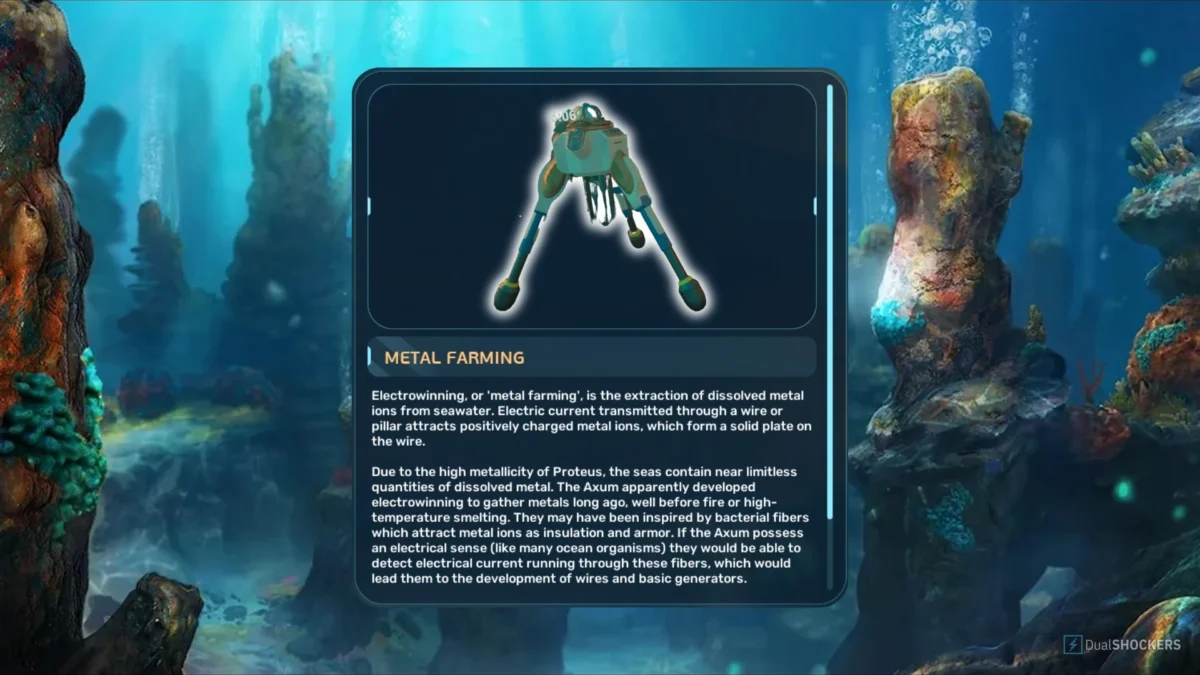
The alien depths of Subnautica 2 are as beautiful as they are unforgiving. For players who have reached the game’s current endgame, the struggle for resources—specifically the elusive Troilite and Axum Bacterial Culture—has become a defining challenge. As you scramble to repair the critical turbines essential for progress, you may have found your inventory running dry, with no clear way to replenish these vital materials.
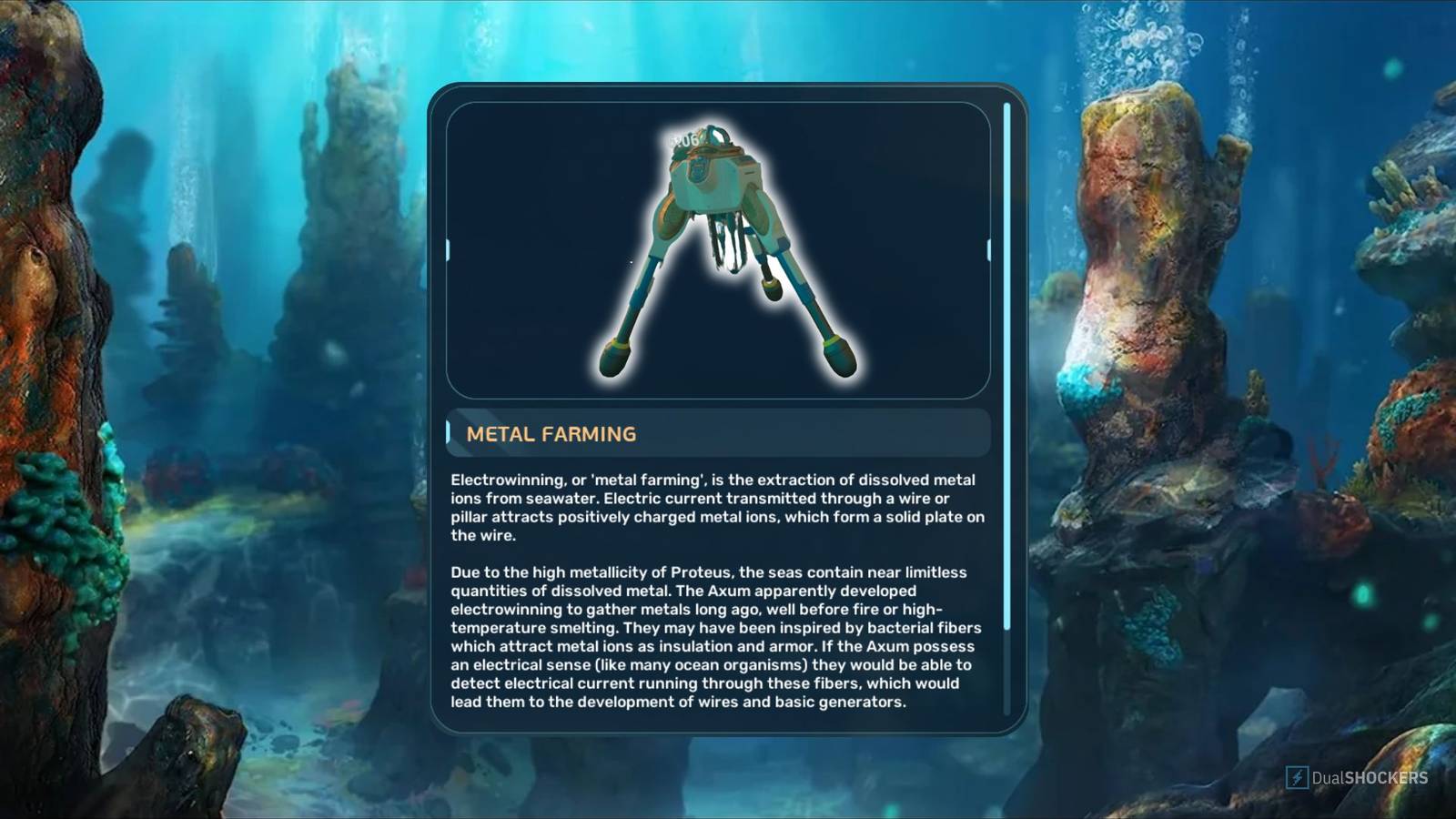
While standard resource nodes in Subnautica 2 often replenish or exist in abundance, Troilite and Axum Bacterial Culture represent a significant bottleneck in the current Early Access build. They are finite, non-respawning resources, creating a "scarcity trap" that has left many players stranded. However, the solution lies in the game’s sophisticated—if slightly hidden—Metal Farm system.
The Scarcity Crisis: Why Traditional Mining Fails
In the expansive, water-logged world of Subnautica 2, players are accustomed to the standard loop: locate a mineral vein, deploy a tool, and harvest. However, the developers at Unknown Worlds Entertainment have introduced a layer of complexity with endgame materials.
Troilite, which is fundamental to the creation of Mangalloy Ingots, is not a renewable resource in the traditional sense. Once a player clears out the known deposits in the northeast chemical zones, the world effectively "runs out." This design choice—intentional or otherwise—has forced the community to pivot toward automated cultivation rather than manual exploration. If you find yourself staring at an empty storage locker and a broken turbine, it is time to stop searching for nodes and start building your first industrial-grade Metal Farm.

Chronology of the Metal Farm Discovery
The realization that Metal Farms were the key to overcoming resource exhaustion began shortly after the game’s May 14, 2026, release. Early adopters spent the first 72 hours of gameplay exhausting natural Troilite deposits, only to realize that their progression was hitting a hard ceiling.
By May 17, 2026, the community consensus shifted. Players began reporting that the "Metal Farm" structures—previously dismissed as environmental set-dressing or abandoned tech—were actually functional, interactive, and replicable.
Step-by-Step: Locating and Scanning
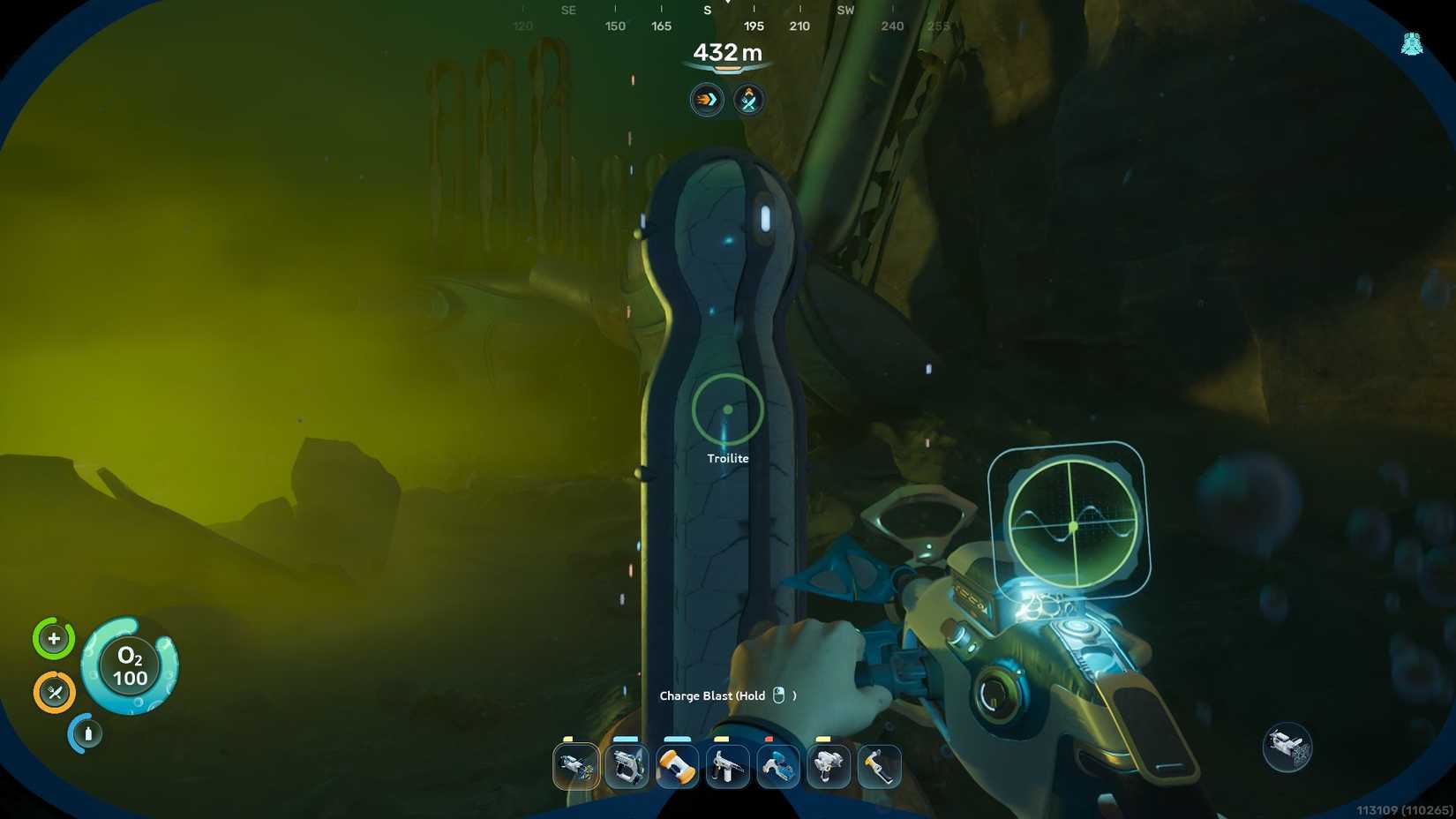
To begin your journey toward sustainable resource management, you must first locate these structures.
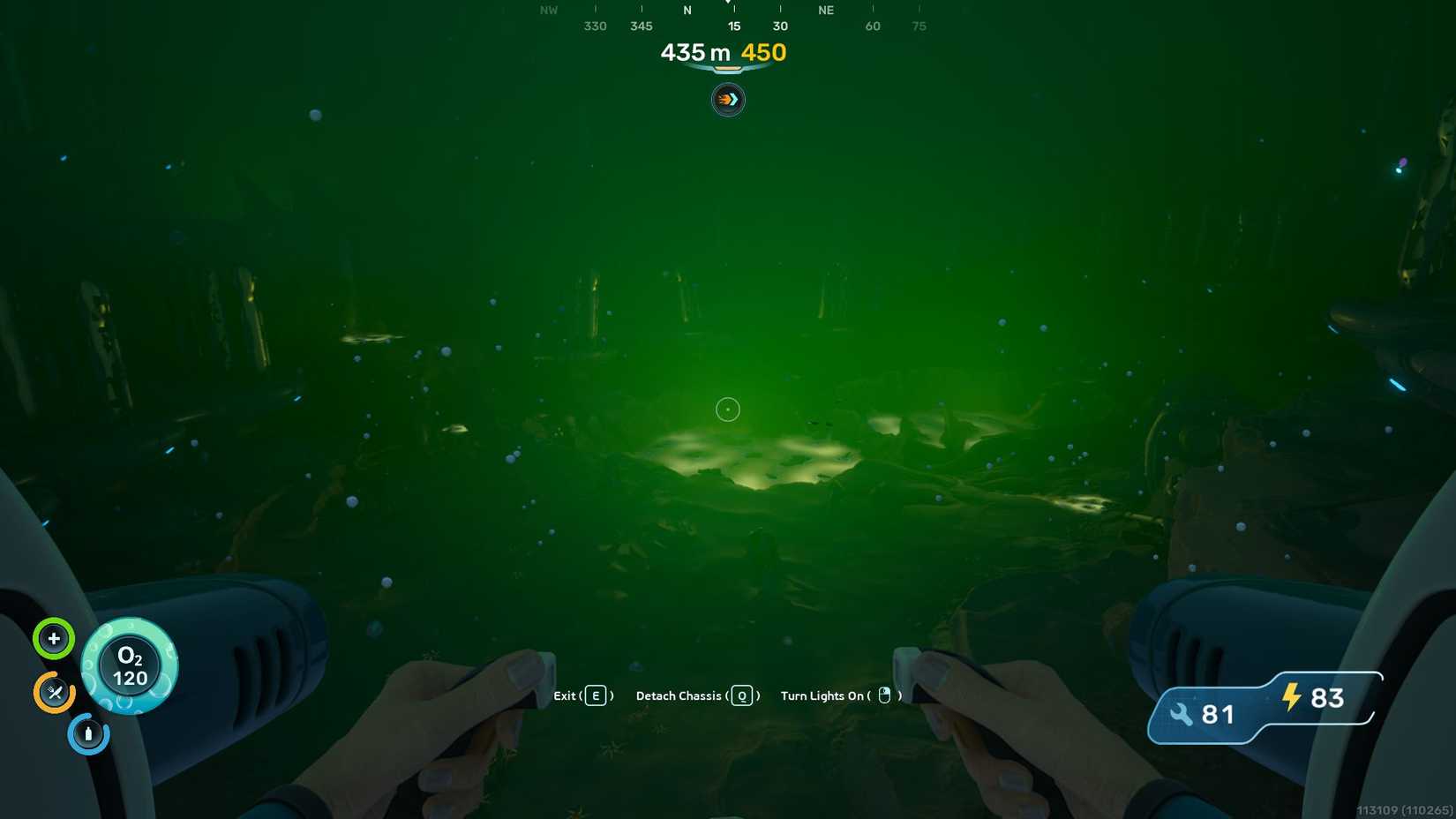
- Journey to the Root Canyon: Travel to the northern sectors of the Root Canyon. This area is characterized by a distinctive, ethereal yellow-green glow.
- Safety First: The area is patrolled by a formidable Collector Leviathan. To minimize risk, approach from below, maintaining a depth of 400 to 450 meters. The Leviathan’s detection algorithms are currently tuned to surface-level threats, making the "under-belly" approach highly effective.
- The Blueprint: Locate the large, vertical metallic towers protruding from the seabed. You will need to scan three of these distinct structures to unlock the "Metal Farm" blueprint in your Habitat Builder’s Cultivation tab.
Supporting Data: The Mechanics of Automation
The beauty of the Metal Farm is that it decouples geography from production. Unlike real-world mining, these devices do not care about the "quality" of the soil beneath them; they rely on a catalyst system.
The Power Requirement
A Metal Farm is not a passive device. To function, it requires a constant input of 20 power units.
- Optimal Setup: Two Underwater Turbines or two Thermal Plants provide exactly the required 20 units.
- Transmission: If your power source is distant from your base or chosen farming site, utilize Power Transmitters to bridge the gap.
- Versatility: As confirmed by extensive community testing, these farms function with 100% efficiency regardless of the biome. You can build a farm in the desolate western reaches, far from natural Troilite deposits, and provided you have the initial "seed" material, the system will flourish.
The "Seed" Material Requirement
The Metal Farm operates on a "seed" logic. You must place a piece of the desired ore (such as Troilite) into the farm’s storage compartment. The machine then enters a cycle of generation.
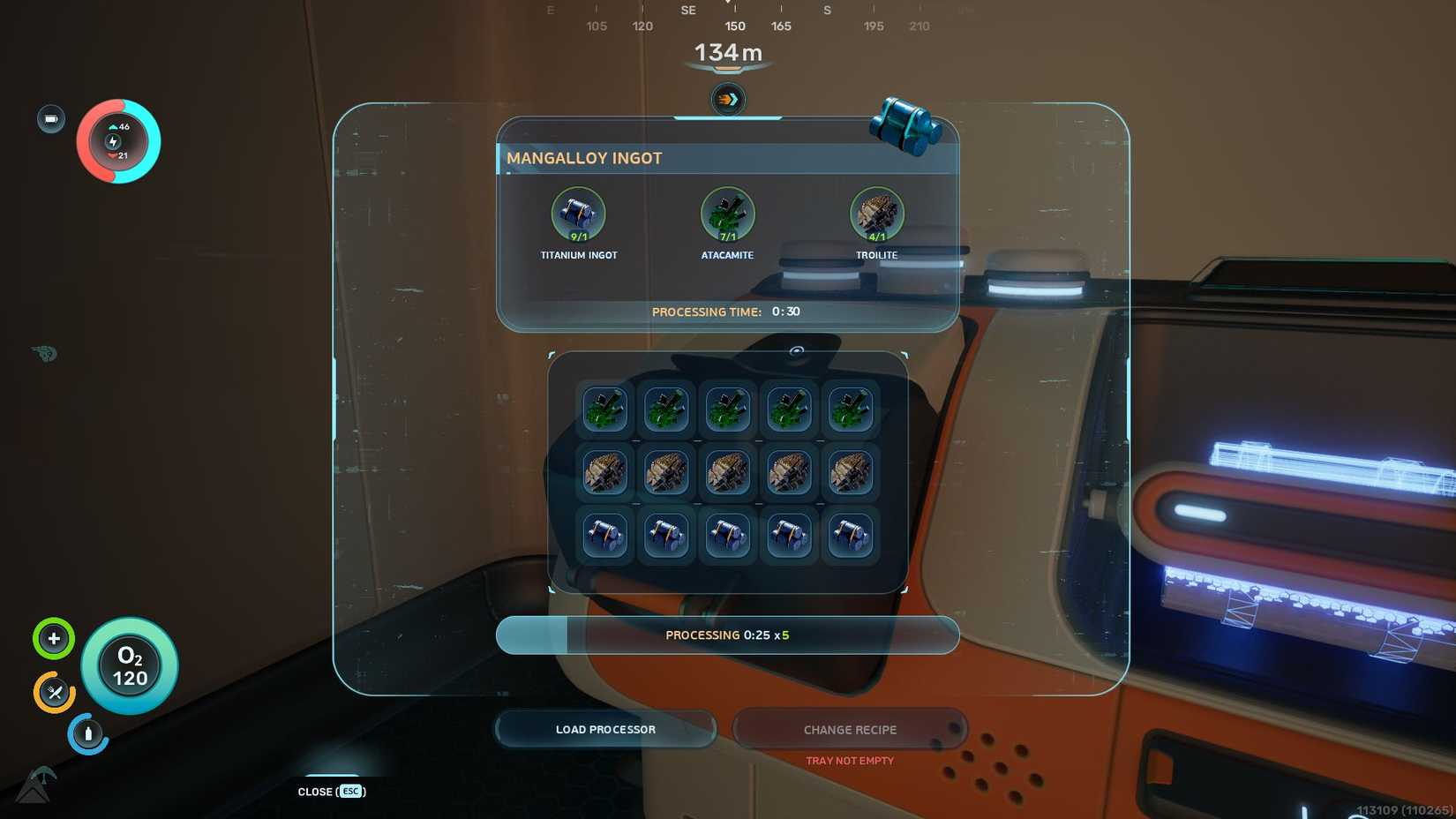
- Crucial Warning: Never use all your Troilite. If you consume the last piece of your seed material, the farm cannot initiate a new cycle. Always keep a "safety stock" of one unit.
The Economics of Generation: Time and Yields
The efficiency of your Metal Farm is tied directly to the value of the material being produced. The developers have balanced the system so that high-tier materials require significant time investments.
| Material | Generation Time |
|---|---|
| Titanium | 2 Minutes |
| Copper | 5 Minutes |
| Atacamite | 15 Minutes |
| Troilite | 20 Minutes |
While 20 minutes per unit of Troilite may seem slow, it is a massive improvement over having zero access to the material. By constructing five active Metal Farms, you can theoretically yield a steady flow of resources, significantly reducing the downtime between crafting sessions.
The Role of Axum Bacterial Culture
The most significant limitation to scaling your operation is the availability of Axum Bacterial Culture. These are required for the construction of the farms themselves, and they are notoriously rare.
Current player data suggests there are only five known instances of this culture available in the current map. This scarcity acts as a "soft cap" on your industrial capacity.
- Warning for Collectors: During extraction, these cultures are susceptible to physics-based bugs. In several recorded instances, the item has clipped through the floor geometry upon being picked up. It is highly recommended to save your game immediately before attempting to harvest these, as a "void-lost" culture is essentially gone forever.
Implications for Future Gameplay
The introduction of the Metal Farm in Subnautica 2 signals a shift in the franchise’s design philosophy. In the original Subnautica, survival was often a matter of direct, manual acquisition. By moving toward a semi-automated, base-building-centric resource model, Unknown Worlds Entertainment is encouraging players to invest more heavily in their permanent habitats.
Community Reception and Developer Outlook
As of mid-May 2026, the community reaction has been largely positive, though the "physics-clipping" issues regarding the Axum Bacterial Culture have been flagged as a priority for the next patch. Unknown Worlds Entertainment has not released a formal statement regarding these specific mechanics, but given the transparency of their Early Access roadmap, players can expect the current scarcity logic to be either refined or expanded upon as more biomes are unlocked.
Strategy Recommendations
For those struggling with the endgame, the following strategic approach is advised:
- Consolidate Power: Before building your farm network, ensure your base is running on a surplus of energy. The 20-unit power drain is significant for early-to-mid-game bases.
- Diversify: Don’t just build Troilite farms. As you progress, you will need a balanced flow of Atacamite and other high-tier minerals. Balance your five allowed farms to ensure a steady, automated supply chain.
- Patience is Profit: Since the generation process is passive, treat your Metal Farms like a long-term investment. Return to your base periodically, clear the deposit with your Resonator, and reset the cycle.
Conclusion
The resource crisis of Subnautica 2 is not a dead end; it is a gateway to the next level of play. By mastering the Metal Farm, you transition from a scavenger struggling to survive to an engineer capable of sustaining your presence in the depths. While the developers may tweak these numbers in future updates, the core mechanic—turning a single seed of ore into an infinite supply—will likely remain the backbone of the endgame economy.

As you continue to explore the terrifying, beautiful, and mysterious depths of the planet, remember: in the dark, it is not just your oxygen that needs monitoring, but your industry. Build your farms, manage your power, and you will never fear a shortage of Troilite again.












No comments yet. Be the first to join the conversation!