

By Joe Rice-Jones
Published May 25, 2026
In the evolving landscape of self-hosting and home lab management, the definition of a "network" has fundamentally shifted. For years, the home lab enthusiast’s primary challenge was physical: managing routers, switches, static IP assignments, and the constant fear of being locked out of a server due to a malformed firewall rule. However, as the complexity of home infrastructure—driven by local AI, containerized microservices, and mobile computing—has exploded, relying on traditional LAN management has become a liability.
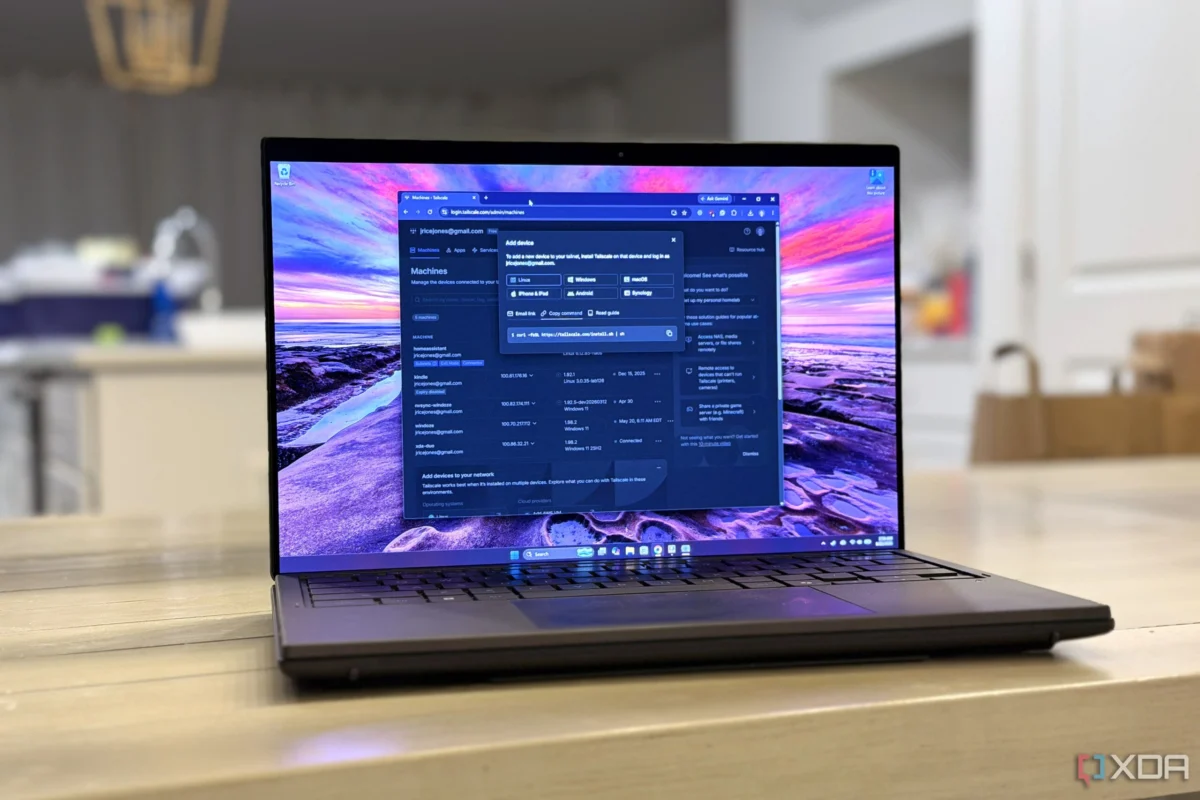
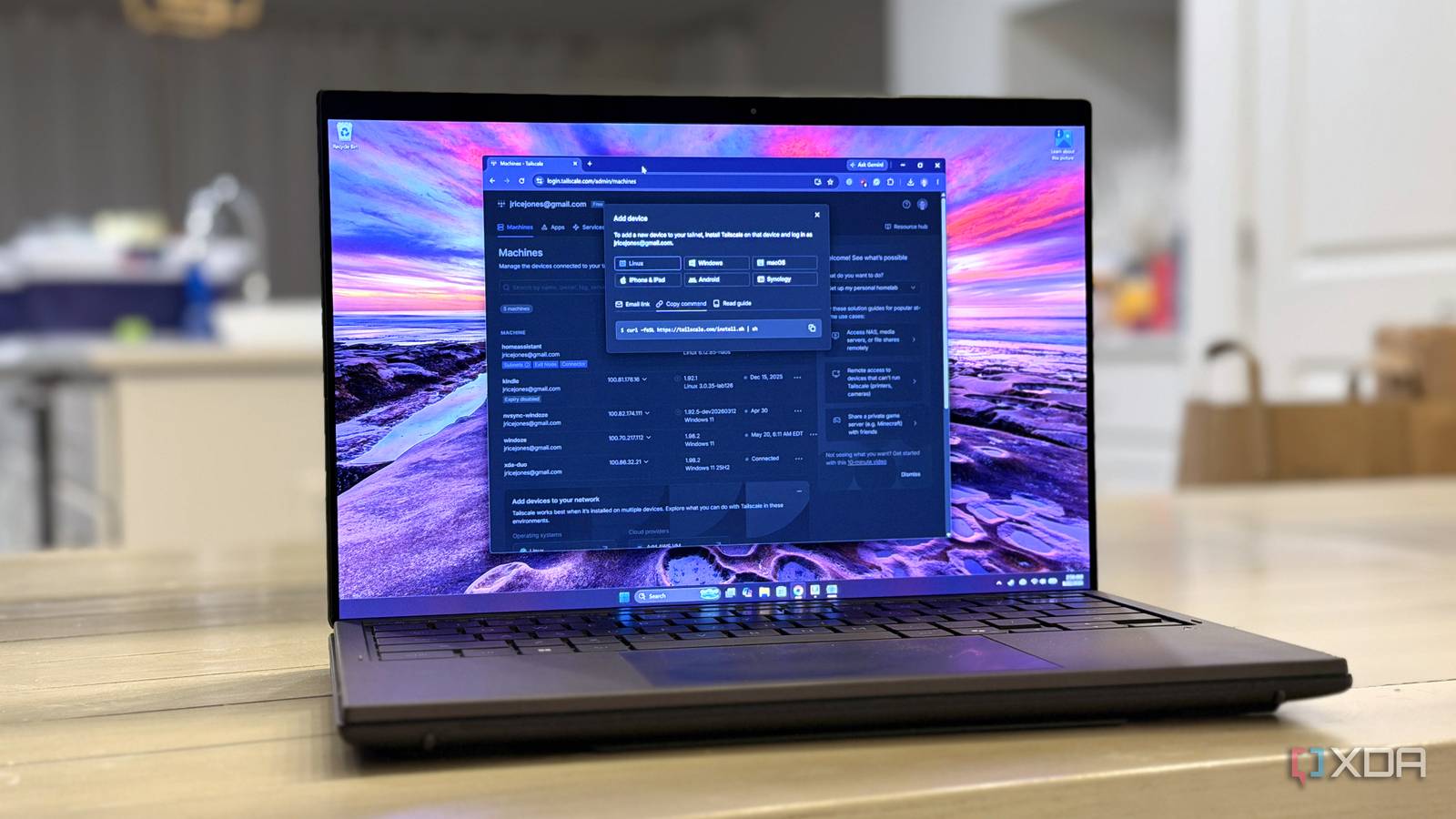
The solution, for many, has been to move the management layer from the physical network to the software-defined overlay. While I initially adopted Tailscale strictly as a tool for secure remote access, it has evolved into the central nervous system of my entire home ecosystem. It is no longer just a VPN; it is the management plane that allows my infrastructure to remain resilient, accessible, and secure, regardless of the physical environment.
The Evolution of the Home Lab Management Layer
From Remote Access to Holistic Orchestration
When I first integrated Tailscale into my lab, my goals were modest. I wanted a reliable way to access my dashboard from coffee shops and on the road. Like many users, I viewed it as a simple "on-ramp" to my local network. That perception shifted rapidly as I began to encounter the limitations of traditional networking.
As I started running Tailscale on every container, device, and router, I realized I had accidentally constructed a software-defined management VLAN. Unlike physical VLANs, which are tethered to specific hardware ports and complex switch configurations, this overlay network remains consistent regardless of whether I am connected to my home Wi-Fi, a 5G mobile hotspot, or a hotel’s captive portal.
This abstraction is the most significant upgrade I have made to my home lab this year—far more impactful than any hardware NAS upgrade or switch refresh. By detaching my management layer from the underlying physical topology, I have effectively created a "failsafe" architecture. If I make a mistake—such as misconfiguring a firewall rule or fat-fingering an IP address—I no longer risk losing physical access to the machine. Tailscale provides a persistent, out-of-band management channel that acts as a safety net for my self-inflicted errors.

Chronology: Building a Resilient Infrastructure
The journey toward a full-scale Tailscale deployment didn’t happen overnight. It was a process of discovery, triggered by the increasing fragility of my home setup as I added more complex services.
- Phase 1: The Gateway Era: Initially, Tailscale was used only as a traditional VPN for remote access. This solved the "port-forwarding" problem, allowing me to eliminate open ports on my router and move my services behind a more secure authentication layer.
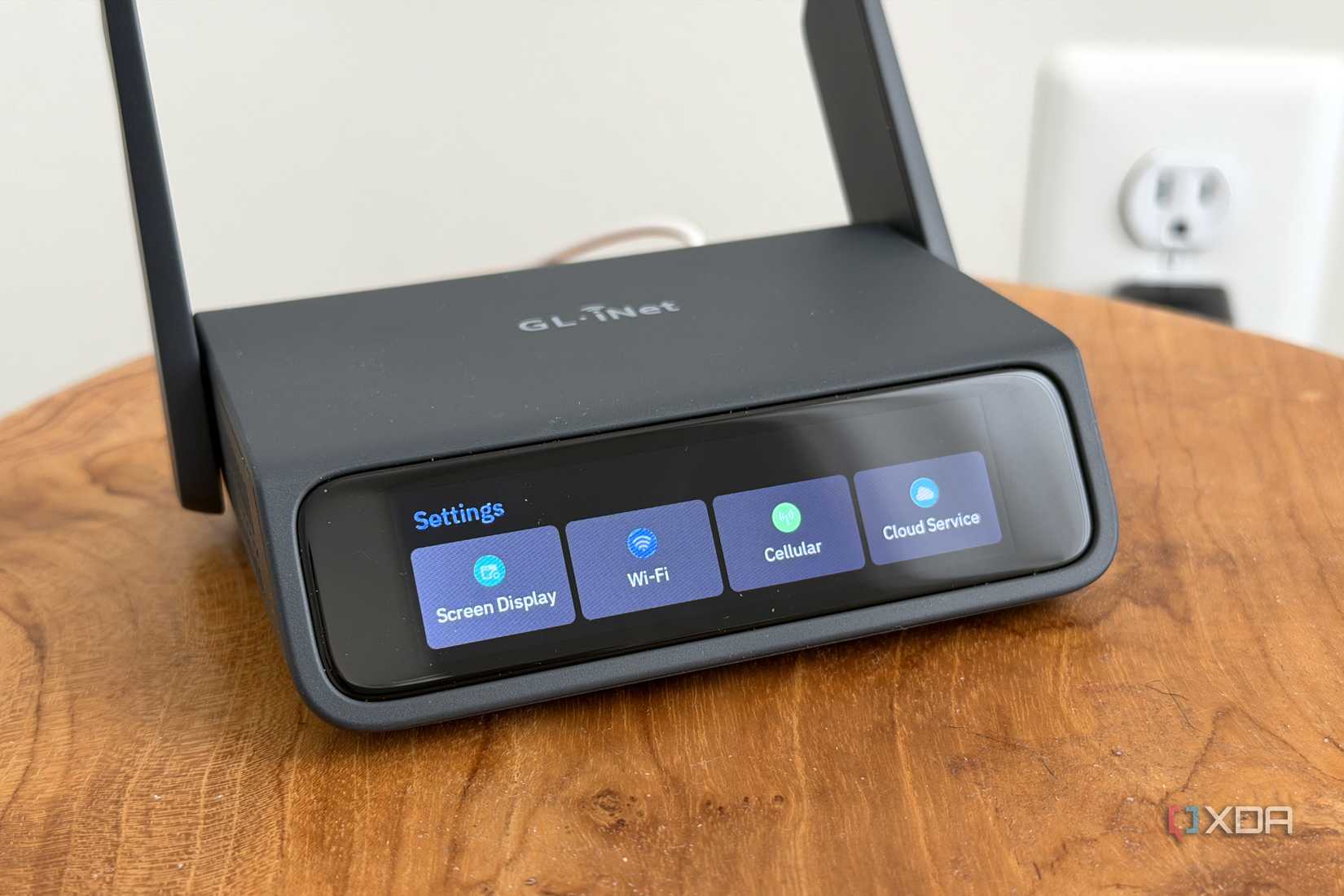
- Phase 2: The "Everything" Deployment: Once I realized the stability of the mesh, I began installing the agent on every device—from jailbroken Kindles and mobile devices to specialized KVM-over-IP hardware. By putting KVMs on the tailnet, I ensured that even if my home ISP goes down, I can access my server hardware via a secondary 5G connection.
- Phase 3: The AI Integration: With the rise of local LLMs, my network needs changed. I needed to move heavy data between machines and ensure that my API keys and local agents were isolated from the wider internet.
- Phase 4: The Current State: Today, Tailscale acts as the primary identity-based trust model. I no longer care about IP addresses; I care about machine identities. Whether I am using Ansible or Terraform to deploy infrastructure, the target is defined by its Tailscale name, not its volatile local IP.
Supporting Data: Why Identity Trumps IP
The effectiveness of this model relies on a few key technological shifts that have occurred in the home networking space over the past 24 months.
The Death of the Static IP
Traditional home lab enthusiasts spent hours managing DHCP reservations and static IPs. However, in a containerized world, this is a losing battle. When a container network stack resets or a service is redeployed, relying on fixed IPs leads to broken configurations. By utilizing a software-defined overlay, I can address services by their tailnet domain names. This makes my scripts and automation playbooks portable; they function exactly the same on my home desktop as they do on a remote VPS.
Security Through Identity-Based Access
One of the most critical implications of this shift is the transition from IP-based security to identity-based security. Using Tailscale’s Access Control Lists (ACLs), I can define policies that state "User A can access Server B," rather than "IP Range X can access Port Y."
This is particularly useful when managing AI infrastructure. By using tools like Tailscale Aperture, I can ensure that container configs pushed to GitHub do not contain sensitive secrets or IP addresses. The configuration only references the tailnet domain. If a configuration file is accidentally leaked, it is useless to an attacker who lacks the proper identity-based authorization.
Resilience Against Human Error
The most common cause of downtime in a home lab is the "fat-finger" effect—the human element. When I am tweaking my Caddy reverse proxy or updating firewall rules, the risk of locking myself out is high. Because Tailscale operates at a level independent of my standard network gateway, I maintain an "emergency hatch." Even if I accidentally drop my entire local network traffic, the Tailscale interface remains active, allowing me to SSH into the machine and revert the breaking change.
Official Perspectives and Technical Implications
While I have documented these findings through personal experimentation, the broader industry trend toward "Zero Trust" networking mirrors this shift. Security experts have long argued that relying on a perimeter-based defense (the "castle-and-moat" model) is obsolete in an era of distributed, cloud-native services.
The implication for the home lab community is clear: Network complexity is the enemy of uptime. By adopting a tool that simplifies the networking stack, users can focus on the applications they are hosting rather than the plumbing required to keep them accessible.
Furthermore, the integration of automation tools like Terraform and Ansible with Tailscale demonstrates that the "Enterprise-grade" workflow is becoming accessible to the hobbyist. When you can provision a new VM, assign it to a tailnet, and have it immediately available for management, you are operating at a level of efficiency that was previously reserved for cloud engineers at large corporations.
Implications for the Future of Home Labbing
As we look toward the remainder of 2026, the implications of this shift are profound. We are moving toward a future where the "home network" is a fluid concept.
- The Rise of the "Nomadic" Lab: As I’ve experienced, your lab no longer needs to live inside the four walls of your house. By using exit nodes and tailnet-based routing, your "home" lab can be spread across multiple physical locations, including cloud providers and mobile devices, without ever exposing those resources to the open web.
- Simplified Security for AI: As more home users run local LLMs and AI agents, the security requirements will only increase. Protecting API keys and ensuring that agents communicate over encrypted channels will become a standard practice. An overlay network provides the perfect foundation for this.
- The Lowering Barrier to Entry: The most important implication is accessibility. A beginner can now build a secure, robust, and manageable network without needing a degree in network engineering. They don’t need to understand CG-NAT, split tunneling, or complex DNS configurations to get started. They simply install the agent, and the network handles the rest.
Final Thoughts
It is ironic that in a world of increasingly complex hardware and software, the most robust solution for my home lab is a layer of abstraction that makes the underlying physical network almost irrelevant. Tailscale provides me with a safety net, a management backbone, and a sense of security that I simply couldn’t achieve with standard networking tools.
I have learned that the best way to handle a home lab is to assume that something will go wrong. By building a network that is resilient to my own mistakes, I have finally found the peace of mind to focus on learning new topics, experimenting with new containers, and enjoying the hobby rather than troubleshooting it. If you are still struggling with local IP conflicts or the stress of managing external access, it might be time to rethink your network’s foundation. The answer isn’t a better router—it’s a better way to connect.












No comments yet. Be the first to join the conversation!