Nana Muazin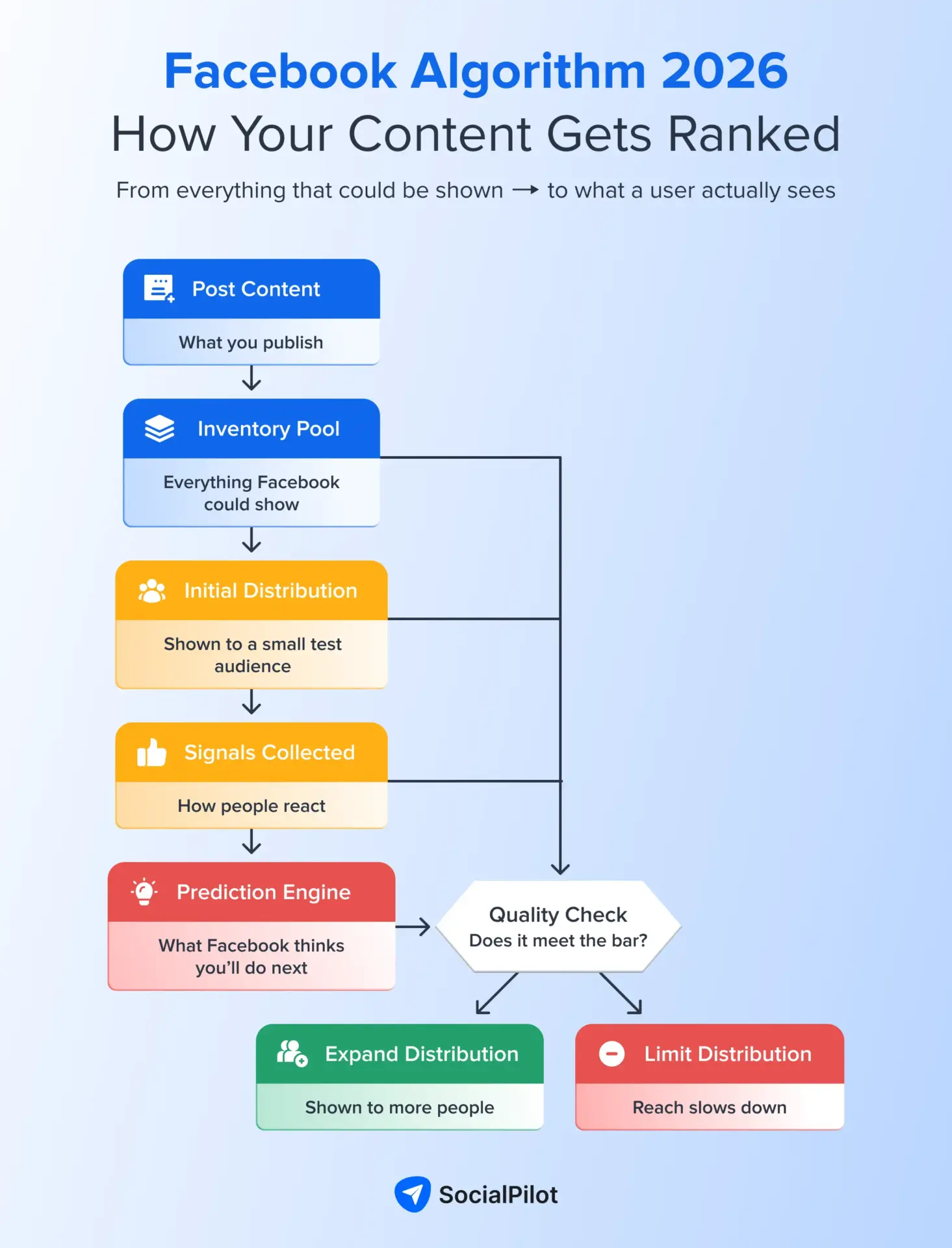
For years, a pervasive narrative has dominated the digital marketing landscape: “Facebook is dead.” For many businesses, the platform had become a source of frustration, characterized by plummeting organic reach, volatile traffic, and a feeling that posting content was an exercise in futility. Marketers were retreating, not out of a lack of interest, but out of a lack of return.
However, behind the curtain of user experience, Meta has been orchestrating a quiet, massive revolution. The Facebook of 2026 is no longer the platform you remember from the early 2020s. It has fundamentally transitioned from a “Social Graph”—which prioritized content from friends and family—to a sophisticated “Discovery Engine” powered by advanced artificial intelligence. This shift marks the most significant update in the platform’s history, turning Facebook into a powerhouse of personalized content delivery.
This guide explores the mechanics of the 2026 algorithm, the implications for creators and brands, and the strategic blueprint required to thrive in this new ecosystem.
The Core Shift: From Social Graph to Discovery Engine
The primary catalyst for Facebook’s resurgence is the transition toward a recommendation-first model. As of mid-2026, roughly 50% of an average user’s feed consists of content from accounts they do not follow. This is what Meta calls “Unconnected Distribution.”
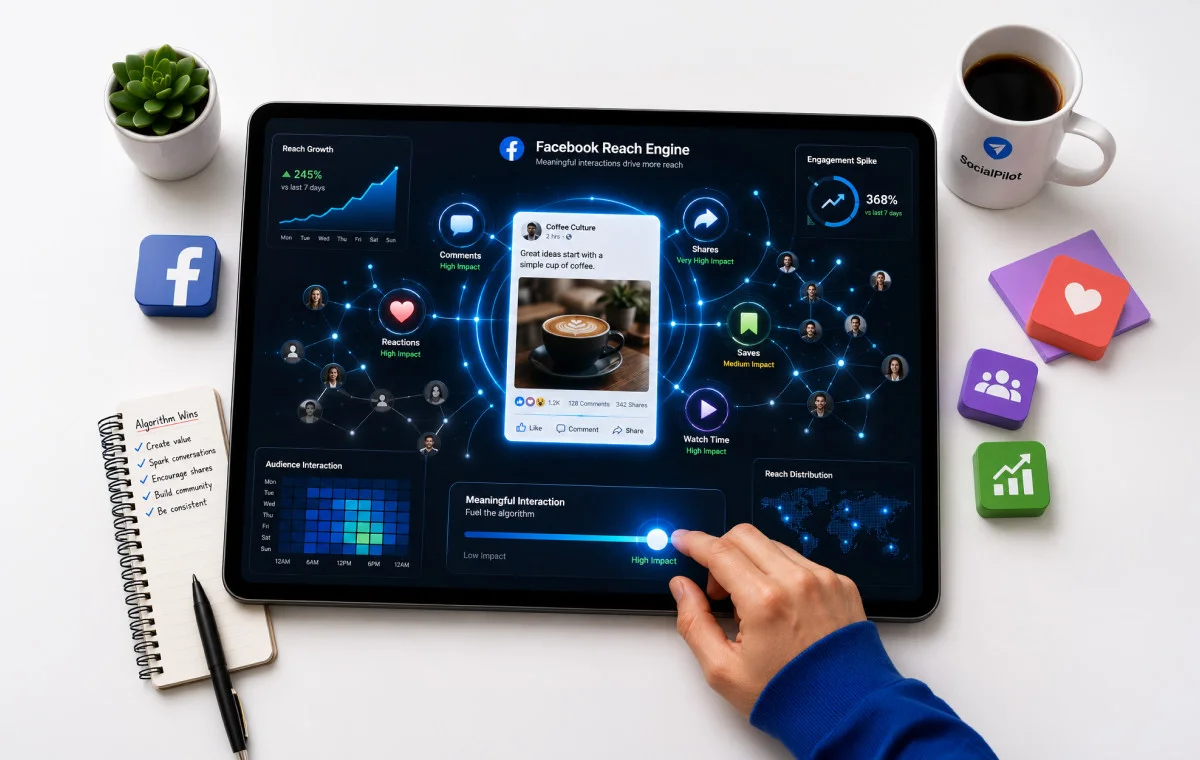
The driving force behind this is the Andromeda update, a new AI architecture that functions as a real-time recommendation engine. Unlike previous models that relied on static interest categories, Andromeda uses deep neural networks to "read" the context of content—visual style, audio pacing, production quality, and underlying sentiment—to match it with users who have a high probability of engagement.
For brands, this means the traditional “hack” of gaming follower counts is over. Your success now depends on the quality of your "Content DNA" and how well it resonates with your target demographic’s current preferences.
Chronology: Key Algorithm Updates in 2026
The platform’s evolution has been rapid, marked by three critical updates that have redefined how organic reach is earned.
March 2026: The Original Creator Reward Policy
Meta formalized strict criteria for what constitutes "original" content. Following a period where Reels views and watch time doubled in late 2025, the company clamped down on re-aggregated or low-effort content. Under this policy, simply narrating over third-party clips or adding basic subtitles is insufficient for recommendation. Creators must now feature on-screen presence and provide unique analysis to qualify for maximum distribution.
January 2026: The UTIS Model
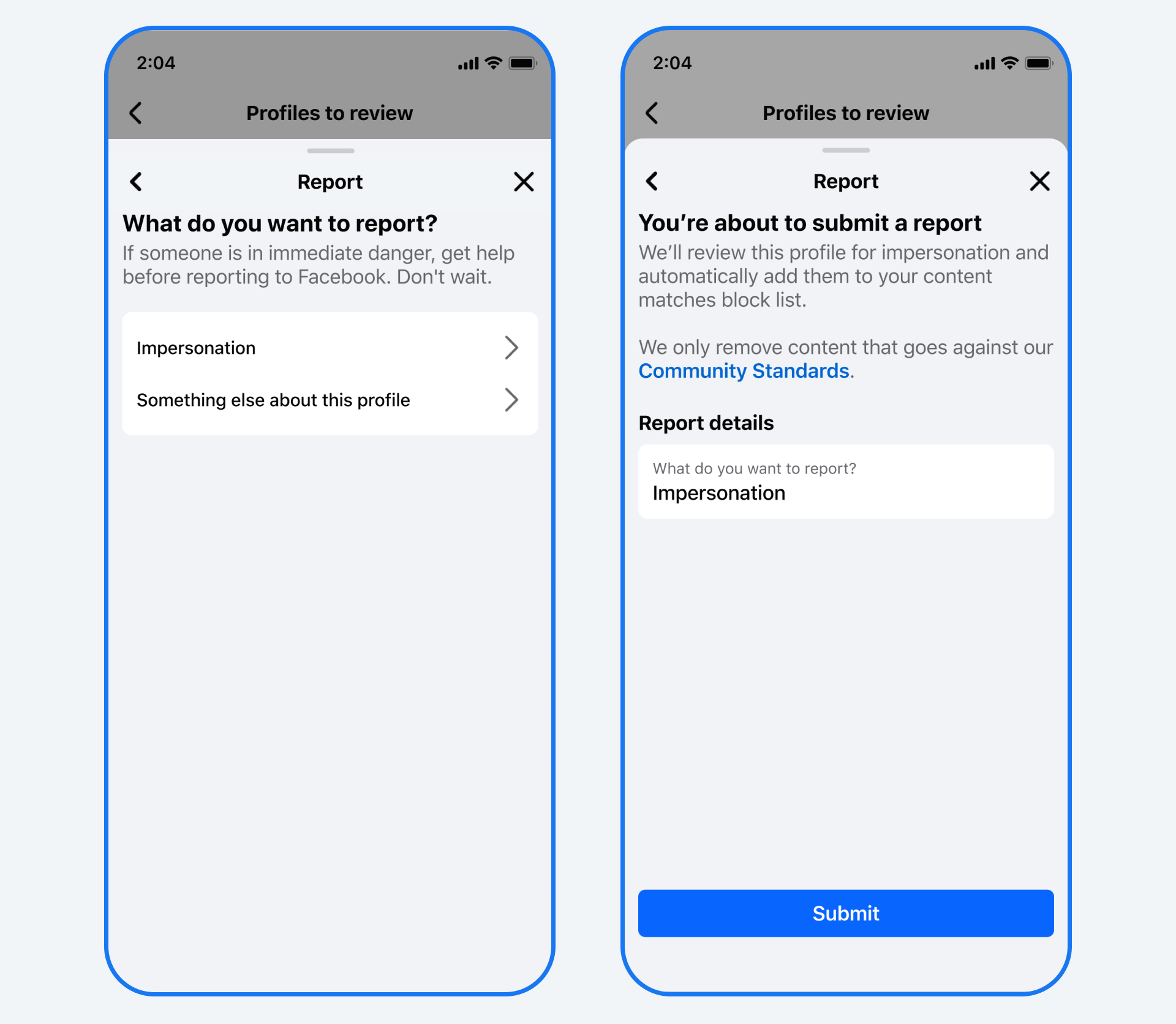
Meta introduced the User True Interest Survey (UTIS), a revolutionary ranking signal for Reels. The platform now randomly injects surveys into the feed, asking users, “How well does this video match your interests?” on a 1–5 scale. This human-feedback loop trains a parallel ranking layer that scores Reels based on stylistic and tonal alignment. The result is a more precise recommendation engine where content that aligns with a user’s aesthetic and mood preferences is prioritized over generic, passive-view content.
Q4 2025/January 2026: Ranking Uplift
Meta’s late-2025 ranking improvements delivered a 7% lift in organic feed and video views. By deploying a new sequence-learning architecture that processes longer user behavior histories, Facebook has become more adept at predicting what a user wants to see at any given moment. This update effectively expanded the "same-day" window for trending topics, rewarding creators who publish content while a trend is actively breaking.
Supporting Data: Why Reach is Changing
The platform’s massive scale remains its greatest asset, with 3.07 billion monthly active users (MAU). However, the way these users interact has shifted:
- Recommendation Precision: Testing with over 10 million users showed the UTIS model improved recommendation precision from 48.3% to 63.2%.
- The "5-Word Rule": AI-driven systems now deprioritize emoji-only or single-word comments. Comments containing five or more words are weighted 3x more heavily, signaling authentic, meaningful dialogue.
- The 50% Retention Benchmark: For Reels, crossing the 50% retention threshold at the midpoint of a video is now the primary trigger for exponential reach expansion.
Official Perspective: The Andromeda Philosophy
Meta’s official stance, as reflected in recent engineering blogs, emphasizes that the platform is moving away from "hackable" metrics. The Andromeda update is designed to favor high-quality, diverse creative assets.
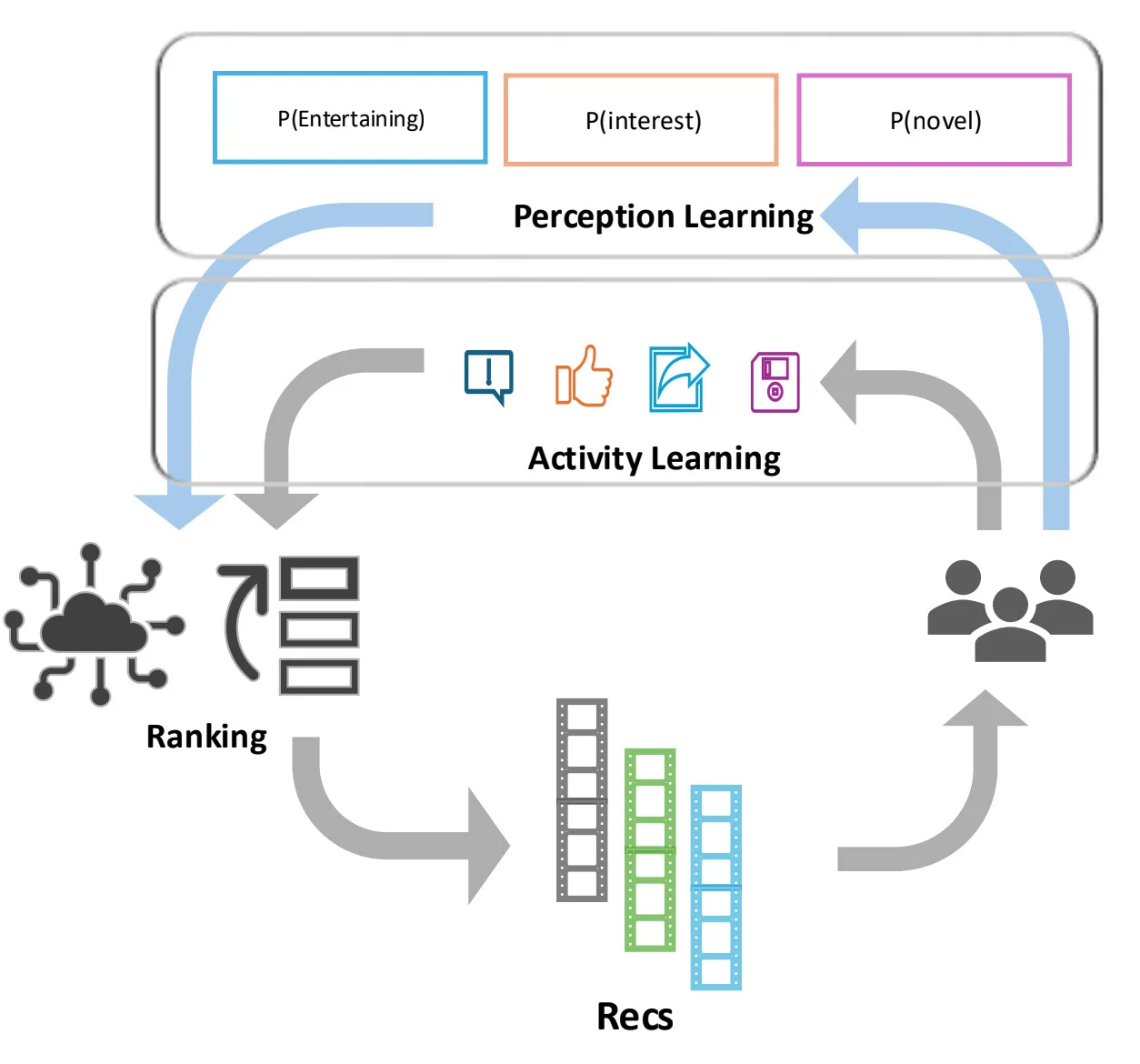
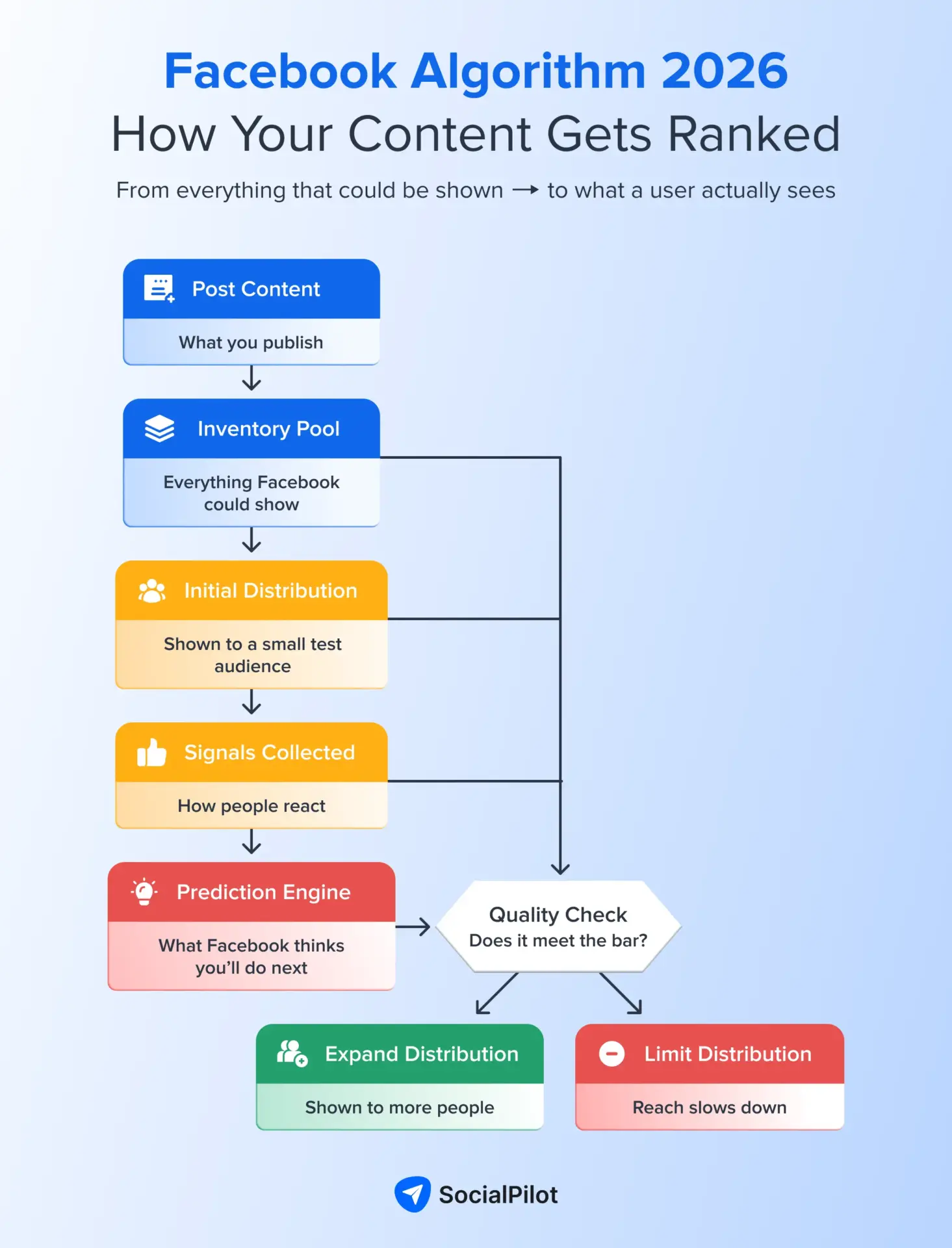
According to Meta, the algorithm is no longer ranking posts in a vacuum; it is ranking predicted user behavior. Every time a user opens their feed, the system runs a multi-stage process—from Inventory and Initial Distribution to Signal Collection and Final Relevance Scoring—all in milliseconds. The goal is to provide a curated experience where the most valuable content finds the right user, regardless of whether that user follows the creator.
Implications: How to Adapt Your Strategy
To succeed in 2026, brands must abandon the "post-and-pray" method and adopt a 72-hour execution framework that leverages the algorithm’s current priorities.
1. The Interest Launch (Reels)
Start your cycle with a 15-second Reel. Focus on "closed-loop" editing (where the end flows into the beginning) to encourage re-watches. If your video achieves a 70% retention rate at the 7-second mark, the algorithm will likely categorize your account as high-value, opening the door for broader distribution.
2. The Community Bridge (Groups)
On the second day, shift your focus to Facebook Groups. Avoid simply posting a link; instead, spark a discussion by asking a question that necessitates a nuanced, 5+ word response. This signals to the algorithm that your account is capable of facilitating genuine human connection, which boosts your standing for future Feed posts.
3. The Authority Anchor (Carousels)
On day three, leverage the momentum from your Reel and Group discussion by posting a high-dwell-time Carousel. Slides that provide deep, actionable value and encourage users to click "See More" are the gold standard for Feed ranking. Dwell time is now the most critical signal for static content.
Avoiding Modern Penalty Signals
As the algorithm becomes more intelligent, it has also become more efficient at identifying and penalizing "low-quality" signals:
- Unoriginal Aggregators: If you are not adding substantive, personal value to a clip, your content will be throttled.
- Engagement Bait: Explicitly asking for likes or shares is now actively flagged and demoted by Meta’s Integrity AI.
- Low-Quality Link Experiences: If your content drives users to a slow or ad-heavy landing page, the algorithm will decrease your future distribution. Speed and mobile-friendliness are no longer optional—they are ranking factors.
Conclusion: The Era of Meaningful Engagement
The "death" of Facebook was a myth born from the death of low-effort marketing. The 2026 algorithm is a sophisticated gatekeeper that rewards depth, nuance, and genuine community building. By focusing on high-retention video, meaningful long-form dialogue, and cross-pollination between Reels and Groups, brands can reach audiences that were previously inaccessible.
Stop chasing the algorithm and start serving the user. In the current ecosystem, the brands that provide the most value to their niche are the ones that the Discovery Engine will naturally, and inevitably, amplify.

 Ammar Sabilarrohman
 Raul Delapena Setiawan