Dwi Wanna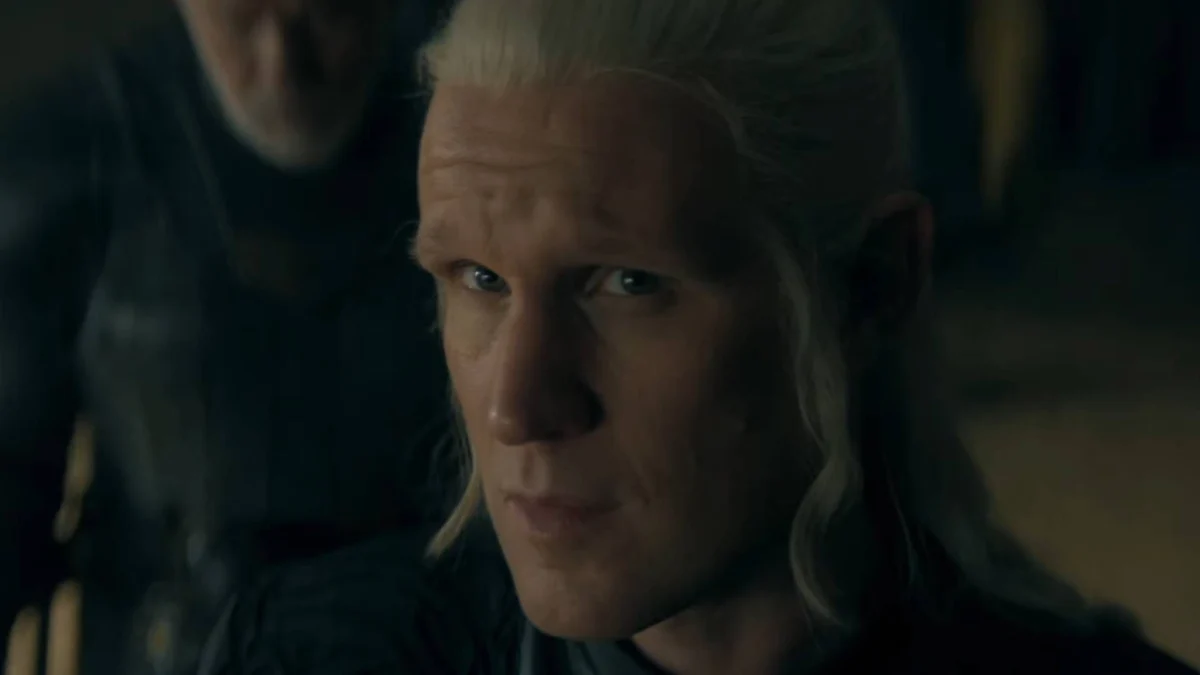
As House of the Dragon moves toward its climactic conclusion in the upcoming fourth season, the anticipation surrounding the adaptation of George R.R. Martin’s Fire & Blood has reached a fever pitch. With Season 3 confirmed to open with the long-awaited and brutal Battle of the Gullet, the narrative tension within Westeros is tightening. However, beyond the maritime carnage of the Gullet, one specific confrontation—the legendary duel between Daemon Targaryen and Aemond Targaryen above the waters of the Gods Eye—looms over the series like a dark, draconic shadow.
The Architecture of Conflict: Main Facts and Narrative Trajectory
The Dance of the Dragons is a tragedy of Shakespearean proportions, defined by the systematic erosion of the Targaryen dynasty. While Season 3 is poised to kick off with the naval assault of the Gullet—a pivotal moment where the Triarchy’s fleet clashes with the Blacks—fans are already looking further ahead to the inevitable showdown between the Rogue Prince and the one-eyed kinslayer.
The Gods Eye represents the definitive emotional and physical climax for these two titans. In Martin’s source material, this isn’t merely a tactical engagement; it is a collision of ideologies, family grievances, and raw power. As the showrunners prepare to wrap the series in Season 4, the logistics of bringing this high-altitude aerial battle to the screen have become a primary topic of discussion among both the production team and the sprawling, dedicated fanbase.
Chronology of the Dance: From the Gullet to the Gods Eye
To understand the weight of these upcoming events, one must look at the timeline established in Fire & Blood. The progression of the civil war follows a brutal, downward spiral:
- The Escalation (Season 2): The war moved from political maneuvering to open fire and blood. The death of Lucerys Velaryon and the subsequent chaos at Rook’s Rest established the stakes.
- The Maritime Toll (Season 3): The Battle of the Gullet serves as the catalyst for the second half of the conflict. It is a moment of immense loss that forces both factions into a corner, stripping away any remaining pretense of diplomacy.
- The Climax (Season 4): As the series reaches its final curtain, the internal collapse of both House Green and House Black necessitates a final reckoning. The duel at the Gods Eye is, historically, the moment the war’s most volatile elements are removed from the board.
The showrunners have been deliberate in their pacing. By delaying the Battle of the Gullet, they have allowed for a more granular exploration of the psychological disintegration of the characters, ensuring that when the dragons finally clash over the lake, the audience will feel the full emotional impact of the loss.
Supporting Data: Why the Gods Eye Matters
The significance of the Gods Eye lies in its thematic resonance. Throughout the series, Daemon Targaryen has been portrayed as an agent of chaos, a man defined by his shifting loyalties and his complex relationship with his brother, Viserys, and his niece, Rhaenyra. Aemond, conversely, represents the cold, calculated cruelty of the usurpers.
Statistically, within the lore of the show, the dragons involved—Caraxes and Vhagar—are the most formidable assets in the entire conflict. Caraxes, the "Blood Wyrm," is lean and vicious, while Vhagar is a relic of the Conquest, massive and scarred by centuries of war. The potential for a live-action depiction of this fight involves significant technical hurdles, requiring state-of-the-art VFX to capture the scale of these creatures against the serene, reflective backdrop of the lake.
Official Responses: Matt Smith on the Uncertainty of Fate
In a recent interview with SFX magazine, Matt Smith, the actor who has brought a charismatic, mercurial energy to the role of Daemon, addressed the lingering questions regarding his character’s ultimate trajectory. Despite his central role in the narrative, Smith admits that the production process is one defined by secrecy and adaptation.
"Kind of. They don’t really tell you what elements they’re going to write about," Smith remarked when asked if he had discussed his character’s end. "Sometimes I thought maybe they would follow this line of the book, and they chose not to, so you just don’t really know."
Smith’s comments highlight the collaborative—and often unpredictable—nature of the show’s writers’ room. He emphasized that as an actor, his job is to interpret the scripts provided, rather than dictate the historical accuracy of the source material. "Whether I agree with that or not, it’s above my pay grade, really. I just get the scripts, hopefully as early as you can, and then try and influence them creatively through the character."
When pressed on whether the show would inevitably lead to the Gods Eye, Smith remained coy but optimistic. "One assumes they’re headed there, but you never know. It’s quite present in the story, isn’t it? Even in the book, it’s been illustrated. It’s surely got to head there, but I’m not privy to the details of it until the script. But I’m going to cross my fingers too."
Implications for the Final Season
The uncertainty expressed by Smith is emblematic of the broader House of the Dragon experience. Since the show’s inception, the writers have taken creative liberties to emphasize character depth over rigid adherence to the text. This "bookmarks" approach, as Smith calls it, suggests that while the destination—the Gods Eye—is almost certainly set in stone, the path taken to reach it may diverge from the book in ways that surprise even those who have read Martin’s history.
The "No One is Safe" Mandate
Showrunner Ryan Condal has teased that from this point forward, the safety net is gone. The death of major characters will not be handled with kid gloves. The implication is that the final seasons will prioritize the tragedy of the Dance, ensuring that the audience understands that in this game, the dragons are as much a threat to their riders as they are to their enemies.
Production and Technical Challenges
As the series approaches its conclusion, the production value is expected to ramp up. The Gods Eye is not just a battle; it is a visual centerpiece that needs to convey the sheer exhaustion of a war that has consumed its combatants. If the showrunners maintain the trajectory of the source material, this sequence will likely serve as the penultimate high point of the entire series.
A Legacy of Fire and Blood
As we look toward the release of Season 3, which arrives on June 21 in the US (HBO) and June 22 in the UK (Sky and NOW), the conversation surrounding House of the Dragon has shifted from "what will happen?" to "how will it feel?"
The transition from the political intrigue of the early seasons to the cataclysmic military engagements of the latter half is a bold storytelling choice. By grounding the massive, world-altering events in the personal, often opaque, motivations of characters like Daemon, the series ensures that the audience remains tethered to the human element of the story.
Whether the Gods Eye is depicted exactly as it was written in the pages of Fire & Blood remains to be seen. However, given the dedication to craft and character development shown by Matt Smith and the rest of the cast, it is clear that the final flight of the Rogue Prince will be a moment that defines the legacy of the series. For now, fans and actors alike are left to wait, cross their fingers, and watch as the shadows grow longer over the Seven Kingdoms.
For more information on the evolving landscape of Westeros, including release dates, casting updates, and behind-the-scenes insights, keep a close watch on our ongoing coverage of the upcoming Game of Thrones television universe.


 Jia Lissa
 Iffa Jayyana