Pevita Pearce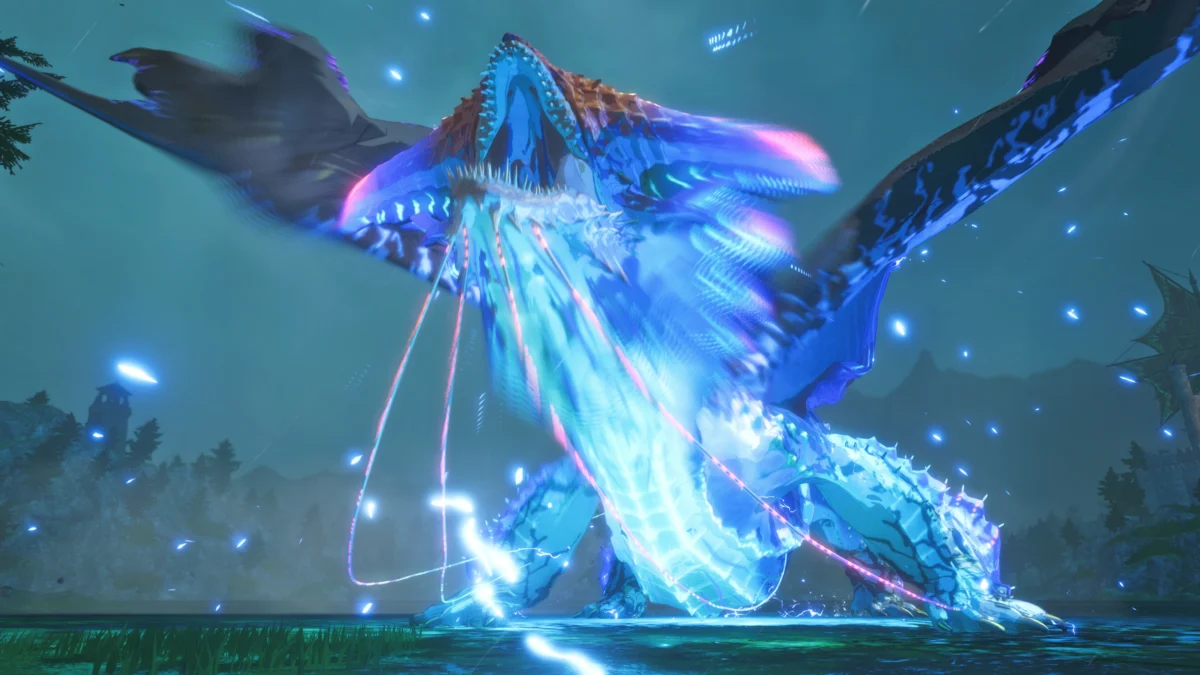
The world of Monster Hunter Stories 3: Twisted Reflection is a vibrant, character-driven JRPG experience, and much of its emotional resonance and immersive quality is owed to its meticulously crafted soundtrack. From soaring character themes to the primal roars of featured monsters and the dramatic swells accompanying pivotal story moments, the music of Twisted Reflection plays an integral role in shaping the player’s journey. This unique approach to musical storytelling, often distinct from the core Monster Hunter series, allows for a deeper exploration of narrative and character arcs.
In the wake of Capcom’s announcement that the Monster Hunter Stories 3 soundtrack is now available for worldwide streaming and purchase on platforms like Steam, Siliconera had the opportunity to speak with the creative minds behind the game’s sonic landscape: Lead Composer Yuko Miyata and Composer Kodai Ikeda. Their insights shed light on the evolution of the series’ musical identity, the intricate process of scoring diverse regions and formidable foes, and the innovative techniques employed to bring the world of Twisted Reflection to life.
The Evolution of a Legacy: Soundtracking a New Generation
The Monster Hunter Stories series has always prided itself on a musical foundation that honors its origins while forging its own path. However, for Twisted Reflection, a significant strategic shift was implemented, driven by a deliberate expansion of the target demographic.
"In previous installments of the series, our approach was to maintain a certain degree of continuity while also striving for evolution," explained Lead Composer Yuko Miyata. "However, in this third installment, the target age group has shifted significantly upward. So, we’ve increased the emphasis on evolution—to about 85%—while keeping continuity at around 15%. This shift in balance represents a major change from previous entries."
This deliberate pivot towards evolution doesn’t mean a complete abandonment of the past. Miyata elaborated, "While we’ve included moments at key points where you’ll think, ‘That’s that song!’—evoking nostalgia and excitement—the newly produced tracks are generally aimed at a more mature audience than before, though we’ve made sure to retain their catchiness." This careful balancing act ensures that long-time fans will recognize familiar echoes, while new players are drawn into a fresh, sophisticated auditory experience.
Weaving the World: Thematic Resonance Across Diverse Landscapes
Monster Hunter Stories 3: Twisted Reflection boasts a vast and varied world, dotted with regions that exhibit vastly different levels of technological advancement and cultural identities. The challenge for the composers was to create music that not only reflected these unique environments but also coalesced into a cohesive and immersive whole.
"Although we refer to them as ‘area themes,’ the tracks span various categories—such as battle music, village/hub music, and cutscene/dialogue tracks," Miyata noted. "Fundamentally, we strive to create arrangements that make use of instruments representative of each region’s unique character."
This commitment to regional authenticity is exemplified by the score for Azuria. "For example, since Azuria is a fertile region surrounded by highlands and mountains, the music has an Irish feel to it," Miyata shared. "We’ve also incorporated tubular bells to evoke the image of Azuria." This thoughtful selection of instrumentation imbues each locale with a distinct sonic signature, allowing players to instantly identify and connect with the environments they explore.
The dynamic nature of combat also demanded a nuanced approach to battle music. Miyata detailed the strategy: "As for battle tracks, while each area features small-scale battles, large-scale battles, and invasive monster battles, the small- and large-scale battles share certain common elements in their core structure. The methods vary—distinctive phrases, timbres, riffs, and so on. For small-scale battles, I aimed for an atmosphere that feels adventurous without becoming too heavy, while for large-scale battles, I made them solidly heavy and added a sense of seriousness."
The truly formidable encounters, however, are reserved for the invasive monsters. Miyata hinted at a deeper dive into this category, promising further explanation, but the underlying principle remains consistent: "In terms of overall harmony, I believed that as long as I stayed true to the fundamental direction and texture of this game’s musical concept, I wouldn’t stray too far off course. Therefore, I placed greater emphasis on arrangements that highlight the unique characteristics of each area." This ensures that even as the intensity escalates, the music remains an intrinsic part of the game’s overarching sonic identity.
Character at the Core: Thematic Melodies of Bonds and Beyond
A hallmark of Monster Hunter Stories 3: Twisted Reflection, distinguishing it from its predecessors, is the significant emphasis placed on individual character themes. The "Side Stories" feature, which allows players to delve deeper into the lives of their allies, provided fertile ground for the composers to explore the emotional depths of the cast.
"In this game, the ‘Side Stories’ feature allows players to delve deeper into the lives of their allies while also enhancing each character’s stats and skills," Miyata explained. "In stark contrast to the main story, these stories highlight the characters’ fun, gentle, and even humorous sides, as well as the feelings they’ve carried and the paths they’ve walked in life. That’s why I felt from the very beginning of development that character themes for the Side Stories were essential."
This sentiment echoes a familiar practice within the series: "I believe there was ‘Navirou’s theme’ in Stories 1 and 2 as well, and the approach to creating them hasn’t changed at all," Miyata confirmed. The process is one of deep immersion. "I pored over each character’s background materials and the side story scripts, searching for what made them ‘them,’ and I composed the music with the aim of directly embodying their atmosphere and personalities through sound." This meticulous attention to character detail ensures that each theme is not merely a musical cue but a sonic portrait, resonating with the player’s growing affection for their companions.
Beyond the intimate character themes, Miyata also highlighted the pervasive presence of thematic melodies throughout the main story’s cutscenes and dialogue. "Aside from the side stories, there are actually many parts within the main story’s cutscene/dialogue tracks—even if they aren’t tied to specific song titles—that were composed with a distinct thematic focus." These recurring musical motifs act as sonic anchors, reinforcing narrative connections and emotional beats.
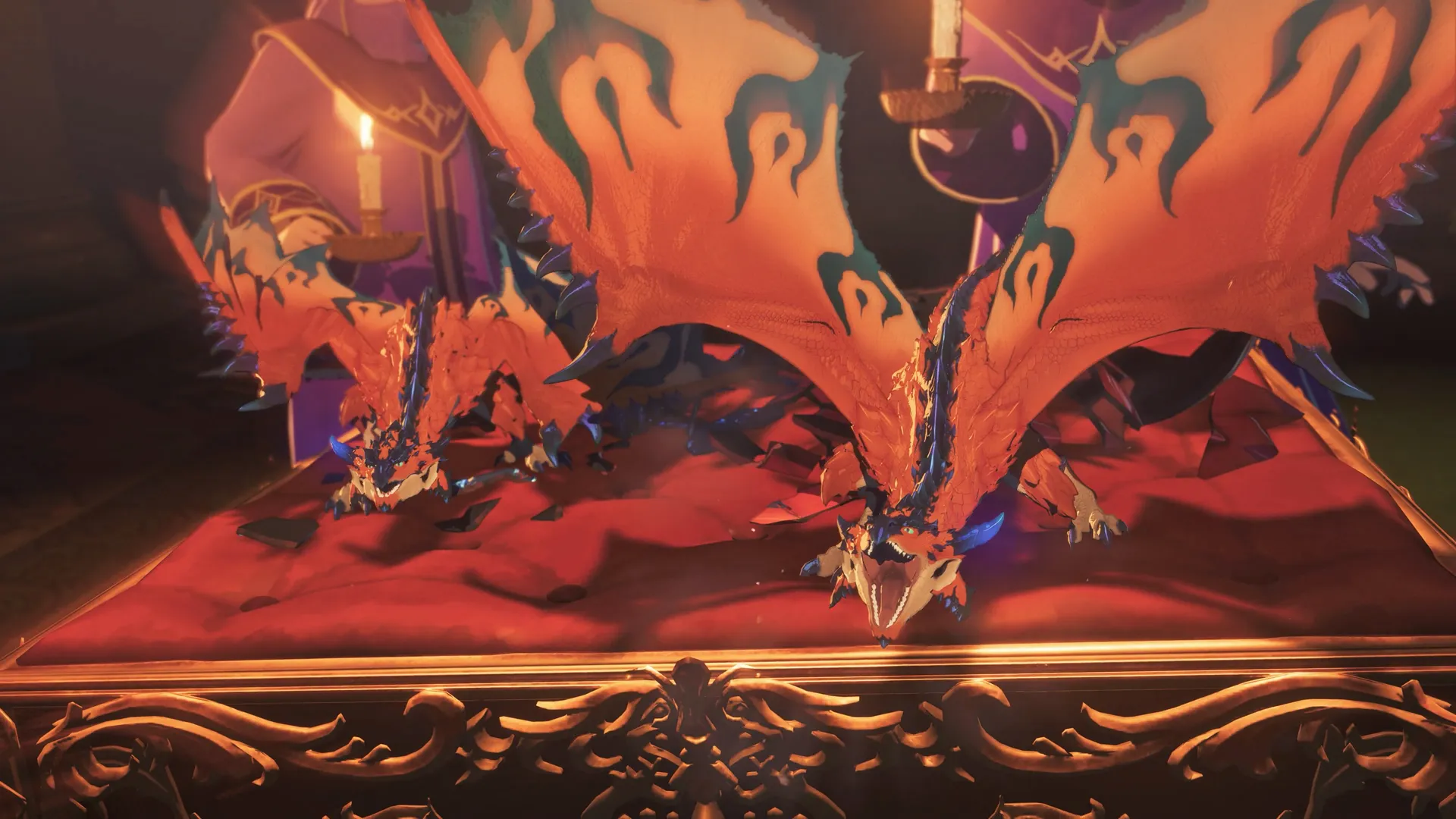
Examples abound, with Miyata citing recognizable phrases associated with specific characters and plot points. "For example, there are melodies with clear themes that appear in various cutscenes, such as ‘This phrase is iconic for the Twin Rathalos!’ or ‘Amara’s Theme,’ ‘Corbin’s Theme,’ ‘Theme of Bonds with Companions,’ and ‘Final Boss Theme.’ I hope you’ll pay close attention to those elements as well." This intricate web of thematic connections enriches the storytelling, allowing players to engage with the narrative on a deeper, more visceral level.
The Roar of the Beast: Orchestrating Monster Encounters
The Monster Hunter franchise is synonymous with its iconic monsters, and Monster Hunter Stories 3: Twisted Reflection masterfully integrates these legendary creatures into its musical landscape. The approach to scoring these encounters, whether they be familiar titans or newly introduced threats, is a testament to the composers’ understanding of the series’ legacy and their innovative spirit.
Miyata drew a clear distinction between the musical treatment of monsters in Stories 2 and the current installment. "In Stories 2, only the Elder Dragons like Velkhana and Fatalis had their own original theme songs. In this game however, not only the Calamitous Elder Dragons, but also the Honed Glavenus and the story bosses in each chapter have theme songs based on the originals." This expansion signifies a commitment to celebrating the diverse bestiary of the Monster Hunter universe.
The integration of these classic themes is not merely a matter of nostalgia; it’s a deliberate artistic choice. "It would be a real shame for Monster Hunter fans if they couldn’t hear these signature tracks in the Stories series, especially since the main series does feature them," Miyata stated. "Moreover, I felt it was a waste not to use these tracks given the game’s spectacular visuals. Therefore, I’ve taken the bold step of reworking the music to fully capture the charm of the original compositions while maintaining high sound quality, ensuring that memories of the past are brought vividly back to life." This approach honors the legacy of the Monster Hunter series while ensuring the music feels fresh and impactful within the Stories context.
The scope of this musical integration is impressive, encompassing a wide array of monsters from across the franchise’s history. "This title features monsters from Wilds, Sunbreak, Rise, World, and even Monster Hunter 2 (Dos), which was released 20 years ago," Miyata noted. "The game creates an atmosphere where music from various MH series—both old and new—coexists within Stories 3. I believe this allows series fans to enjoy boss battles with an incredibly exciting lineup throughout the game."
However, the composers also embraced innovation when faced with unique monster designs and gameplay mechanics. For the genetically modified Honed Glavenus, a departure from the original track was deemed necessary. "As for non-story bosses, the Honed Glavenus is a genetically modified monster, so rather than using the original track, we’ve arranged it using plenty of synths and noisy sounds." This creates a distinct sonic identity for this particular iteration of the monster, reflecting its altered nature.
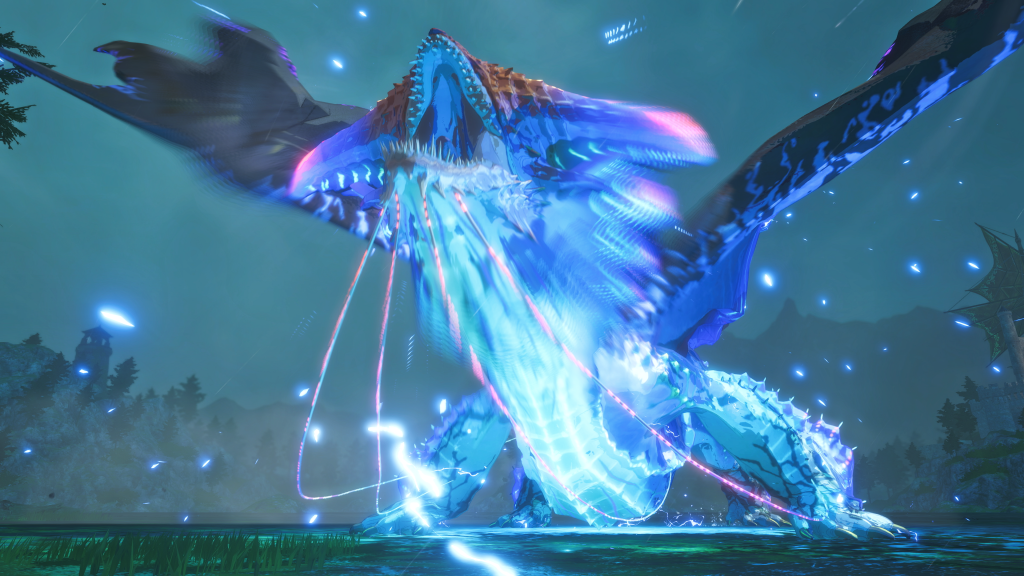
The dual threat of Elder Dragons Narwa and Ibushi presented another intriguing challenge. "Additionally, the Elder Dragons Narwa and Ibushi are monsters carried over from Monster Hunter Rise. However, while in Rise you fight them sequentially, this title features a different scenario where you aim to defeat them simultaneously. Using the original tracks as-is would alter the intended feel of the music. Therefore, we selected distinctive phrases from each of the two monsters and commissioned a new composition that captures the essence of both while standing on its own as a fresh track." This thoughtful reinterpretation ensures that the music perfectly complements the altered narrative context of the encounter.
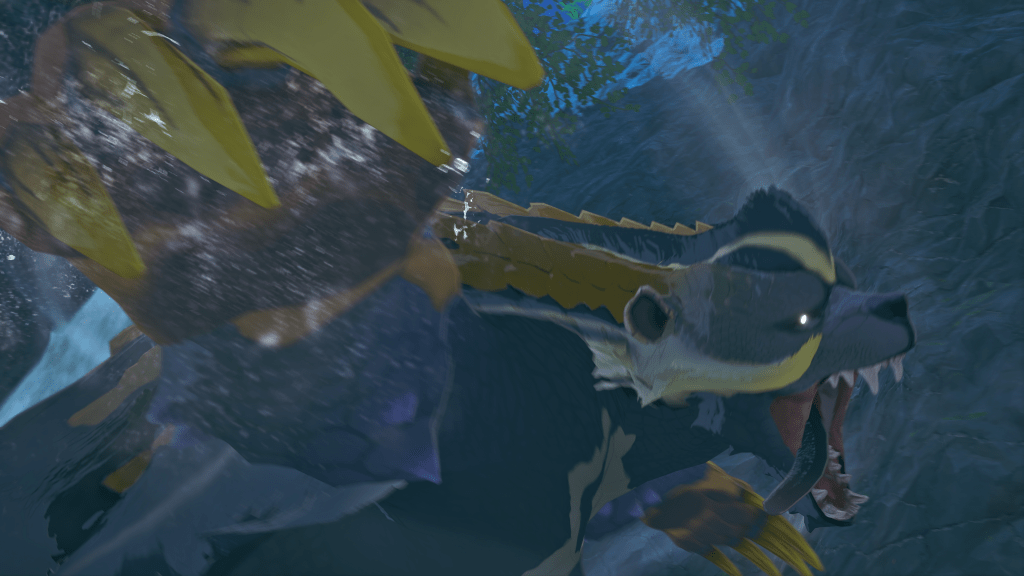
For monsters that do not have pre-existing themes, the team embarked on entirely new compositions. "On the other hand, we have composed entirely new tracks for field monsters, unique feral monsters, invasive monsters, and bound monsters." This comprehensive approach ensures that every encounter, from the most commonplace to the most epic, is accompanied by music that enhances the player’s experience.
The Blight’s Echo: Soundtracking the Unnatural
The introduction of "invasive species" in Monster Hunter Stories 3: Twisted Reflection brought with it a unique set of challenges and creative opportunities for the sound design team. These formidable foes, often imbued with a corrupted power, required a distinct musical treatment to convey their unnatural menace.
Miyata elaborated on the general approach to these encounters: "As I briefly mentioned in Q2, we’ve created unique battle themes for each area in the invasive monster battles. One common element across all of these tracks is the inclusion of ‘synth’ sounds. By combining orchestral instruments with synths and actively incorporating electronic elements into the rhythm, we’ve aimed to distinguish these battles from standard combat." This fusion of organic and electronic elements creates a soundscape that feels both alien and intensely powerful, perfectly mirroring the nature of invasive monsters.
The intensity of these battles also follows a carefully calibrated escalation. "We’ve also arranged the music to build in intensity—with small-scale battles < large-scale battles < invasive monster battles—so that the invasive monster battles deliver a particularly intense and urgent atmosphere." This gradual ramp-up ensures that the stakes feel progressively higher, culminating in the visceral thrill of confronting these apex predators.
The Reversal of Nature: Feral Monsters and the "Reverse" Concept
Composer Kodai Ikeda shed light on the innovative approach taken to score encounters with feral monsters, creatures uniquely characterized by their "blightstone" afflictions. The visual distinctiveness of these monsters, coupled with a specific gameplay mechanic, served as the primary inspiration for their musical representation.
"Feral monsters have a significantly different appearance compared to other monsters due to the blightstones wrapped around their bodies," Ikeda explained. "Another characteristic of battles against feral monsters is that ‘attacking the blightstone part will trigger a counterattack.’" This core mechanic became the central tenet of the musical design. "Drawing inspiration from this game mechanic, the musical concept for feral monsters became ‘Reverse.’"
The "Reverse" concept manifests in several ways, most notably through the integration of piano sounds and the extensive use of reversed audio. "As for the blightstones, the design centers on the sound of the ‘piano.’ (Piano sounds are also used in tracks related to blightstones, even in songs for monsters other than the feral monsters.) Musically, the track is based on synth sounds, and by making extensive use of reversed sounds, it represents the monster’s counterattack mechanic." This deliberate sonic mirroring of the gameplay mechanic creates a deeply satisfying and immersive experience, where the music actively communicates the ebb and flow of combat.
Furthermore, Ikeda revealed a subtle technical detail that enhances this effect for audiophiles. "Additionally, on a more technical note, if you play the game in Quadro mode rather than Stereo, you’ll discover a unique feature not found in other tracks: the reversed sounds are panned back and forth, adding a special charm." This intricate attention to detail, even in the technical aspects of sound implementation, underscores the commitment to delivering a premium auditory experience.
Similar to other battle themes, the feral monster tracks were also adapted to reflect the scale of the encounter. "For the feral monster tracks, we’ve created separate versions for small-scale and large-scale battles. The arrangement for the large-scale battles features a heavier, more impactful sound to convey a sense of grandeur." This ensures that the music consistently matches the visual spectacle and the emotional weight of each confrontation.
Conclusion: A Symphony of the Wild
The soundtrack of Monster Hunter Stories 3: Twisted Reflection stands as a remarkable achievement in game audio design. Through the dedicated efforts of Yuko Miyata and Kodai Ikeda, the game offers a rich and varied sonic tapestry that not only complements its gameplay and narrative but actively enhances them. The strategic evolution of the series’ musical identity, the meticulous scoring of diverse regions, the creation of resonant character themes, and the innovative representation of iconic and new monsters all contribute to an unforgettable auditory journey. As players immerse themselves in the world of Twisted Reflection, the music serves as a constant companion, amplifying the thrill of discovery, the bonds of friendship, and the epic battles that define this latest chapter in the Monster Hunter Stories saga.


 Lina Irawan
 Sagoh
Sagoh