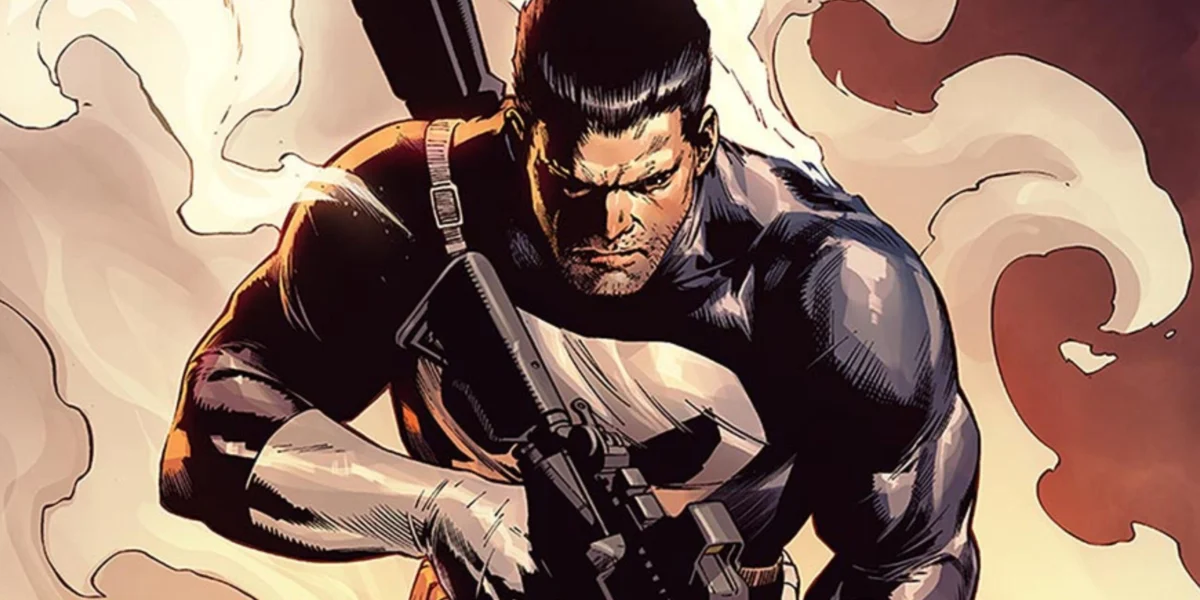
Frank Castle, the vigilante known as the Punisher, has long operated as the grim reaper of the Marvel Universe. Whether he is tangling with the criminal underworld or finding himself caught in the crosshairs of fellow vigilantes like Black Cat, the former Marine remains a permanent fixture of tension in New York City. However, as of July 2026, the status quo of Frank Castle’s war on crime has been fundamentally altered. With the release of The Punisher #6, written by Benjamin Percy, a new, technologically sophisticated antagonist has emerged: a man who calls himself "Collateral Damage."
This new threat is not merely another street-level thug or a syndicate boss. Collateral Damage represents a chilling evolution of the Punisher’s own legacy—a direct product of the violence that Frank Castle has spent decades inflicting upon the city.
The Anatomy of the Conflict: Main Facts
The introduction of Collateral Damage marks a significant tonal shift in the current Punisher run. Unlike traditional villains who rely on brute force or criminal empires, Collateral Damage utilizes a blend of high-end weaponry and a deeply personal vendetta.
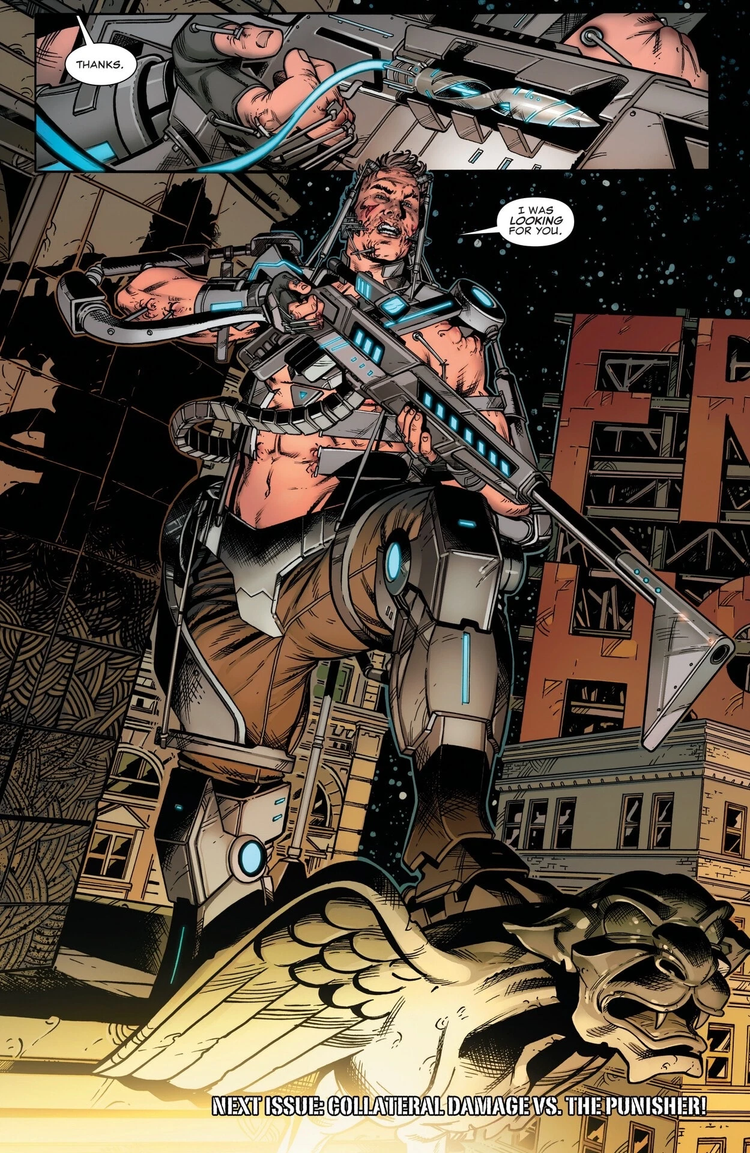
The primary point of contention is the character’s signature weapon: a blue-tinted, remote-controlled, corkscrew rifle bullet. In his debut, the villain demonstrates a terrifying level of precision, taking out three targets located in vastly different boroughs—Hell’s Kitchen, Chinatown, and Queens—with a single, curving shot. The horror of the character’s capabilities was further illustrated in Union Square, where the same projectile claimed the lives of multiple bystanders and an elderly woman before returning to the villain’s firearm.
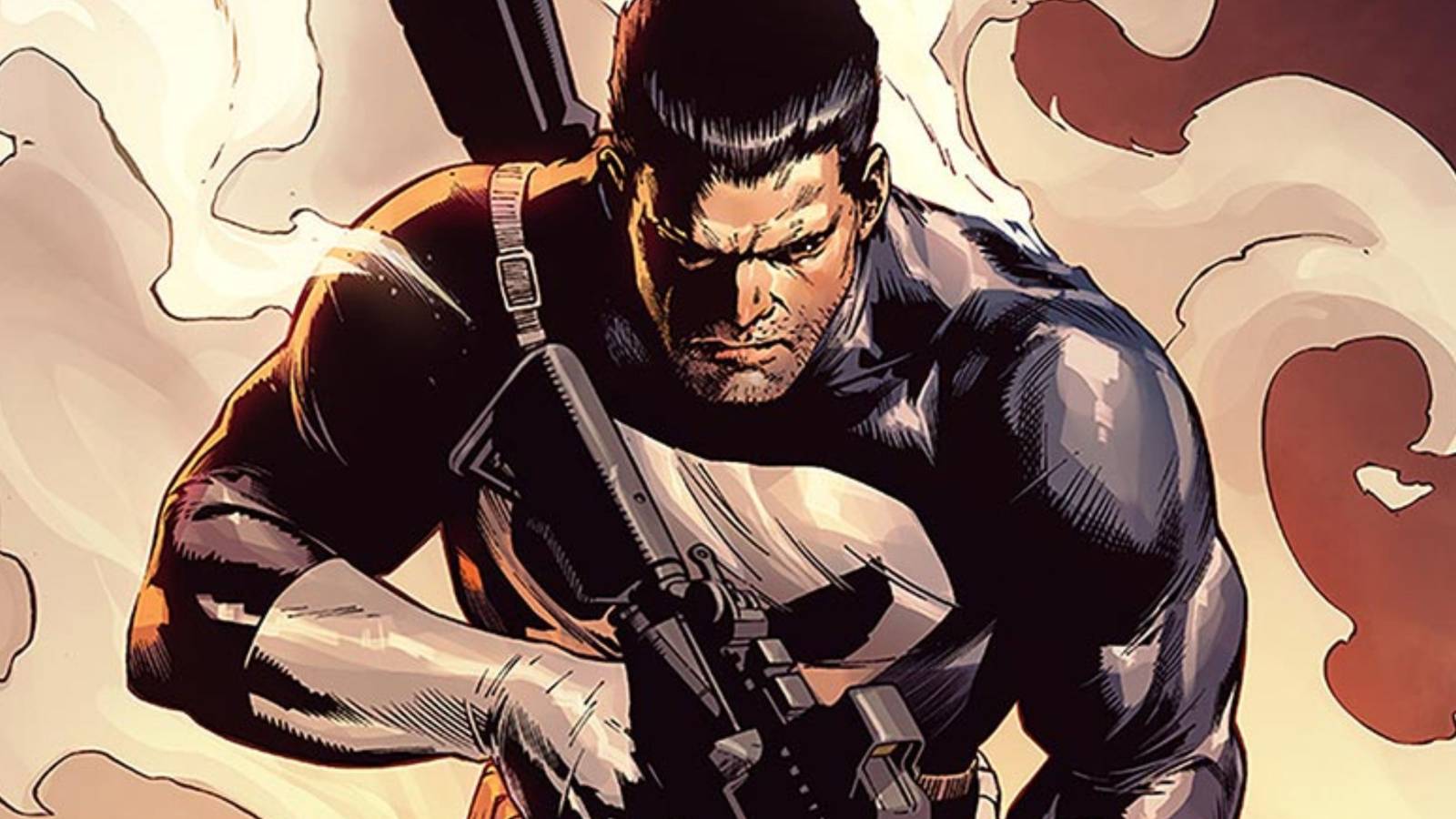
For Frank Castle, this is not just a tactical problem; it is a physical one. By the conclusion of The Punisher #6, Castle finds his own hand impaled by the very weapon he is hunting, signaling that the hunter has, for the first time in recent memory, become the hunted.
A History of Retribution: The Chronology of Escalation
To understand the emergence of Collateral Damage, one must look at the recent trajectory of Frank Castle’s crusade. The Punisher has recently been embroiled in a series of high-profile, synergy-heavy crossovers. From his chaotic and violent clash with Deadpool in the Big Guns event—which promises a relentless display of firepower—to his recent run-in with Black Cat (which resulted in the tragic death of his dog), Castle’s life has been defined by a rapid accumulation of enemies.
The chronology of this specific arc is as follows:
- April 2026: Initial solicitations for The Punisher #6 began appearing, teasing a "new, formidable antagonist."
- July 2, 2026: The Punisher #6 is officially released, confirming the identity and threat level of Collateral Damage.
- Ongoing: The arc is structured as a two-part narrative, with the direct confrontation between Castle and his new nemesis slated for The Punisher #7.
The buildup to this conflict has been marked by a recurring theme of injury. Within the span of just two issues, Castle has suffered two severe hand impalements—the first at the hands of Jigsaw, and the second by the projectile of Collateral Damage. This establishes a pattern of physical degradation, suggesting that the Punisher is being pushed to his breaking point.

Technological Prowess vs. Traditional Skill: Supporting Data
In the world of Marvel comics, comparisons are inevitable. Critics and fans have already begun drawing parallels between Collateral Damage and the classic Daredevil antagonist, Bullseye. While Bullseye is known for his unmatched, innate marksmanship—the ability to turn any object into a lethal projectile—Collateral Damage relies on a different kind of mastery.
The villain’s exoskeleton, designed by artist Farid Karami, is more than a aesthetic choice. It is a medical necessity. According to narrative context provided by Benjamin Percy, the antagonist was a victim of a previous Punisher operation, resulting in spinal paralysis. The exoskeleton serves as a bridge, allowing him to bypass his physical limitations.
While some purists argue that remote-controlled weaponry is "less impressive" than Bullseye’s natural precision, the efficiency of Collateral Damage cannot be understated. He is not merely a shooter; he is a technician. The ability to manipulate a bullet’s path throughout a metropolitan landscape suggests a level of tactical calculation that makes him a unique danger compared to the typical mob enforcers Castle faces.
The Creator’s Perspective: Official Responses
Writer Benjamin Percy has been vocal about the thematic weight of this new character. In recent interviews, Percy emphasized that Collateral Damage is a direct reflection of Frank Castle’s own methodology.
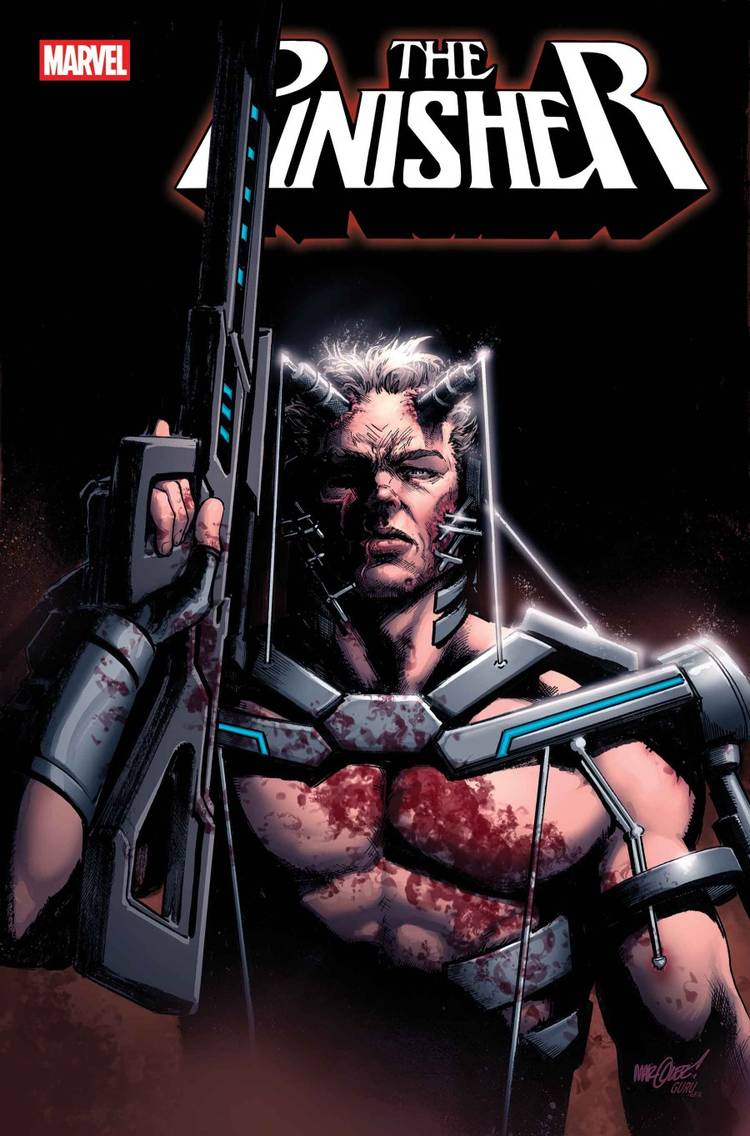
"Opposing forces are beginning to gather and make plans of retribution," Percy stated. "That includes this new character—Collateral Damage—a former victim of Frank’s who wants The Punisher gone. For his sake. And the city’s."
Percy also heaped praise on his collaborator, artist Farid Karami. The visual language of the character—an exoskeleton "pinned painfully into infected skin"—serves as a constant reminder of the physical cost of Frank Castle’s war. By choosing to center the villain’s origin on the "collateral damage" caused by Castle’s own past, the story forces a necessary moral introspection: Is the Punisher actually cleaning up the city, or is he merely manufacturing the next generation of monsters?
Implications for the Future of the Punisher
The arrival of this antagonist has massive implications for the future of the franchise. For years, the Punisher has existed in a vacuum of moral grayness, acting as judge, jury, and executioner. By introducing an enemy who views themselves as a necessary corrective to Frank’s "rampaging brutality," the narrative is shifting toward a critique of vigilantism itself.
1. The Erosion of the Mythos
The Punisher’s strength has always been his unyielding nature. However, if he is constantly being outmaneuvered by his own past victims, the "invincible vigilante" trope begins to fracture. The physical injuries Castle is sustaining suggest that he is no longer the predator at the top of the food chain, but rather a man suffering from the attrition of a lifelong war.
2. Escalation of Violence
With The Punisher #7 promising a direct confrontation, readers can expect an escalation in the scale of the violence. If Collateral Damage can kill multiple targets across city boroughs with a single bullet, the traditional "hideout raid" tactics used by Castle will become obsolete. He will need to evolve his own methods to counter a villain who fights from a distance with high-tech precision.
3. A New Moral Horizon
Perhaps the most significant implication is the shift in the reader’s perspective. When a villain’s motive is rooted in the pain caused by the protagonist, the audience is forced to weigh the validity of that pain. If Collateral Damage succeeds in "stopping" the Punisher, he may be viewed by some of the city’s residents not as a villain, but as a savior. This reversal of roles is a classic trope, but in the gritty, realistic world of The Punisher, it hits with particular impact.
Conclusion
The introduction of Collateral Damage is a masterclass in narrative tension. By grounding a high-concept, futuristic villain in the very real, very human consequences of Frank Castle’s actions, the creative team has managed to breathe new life into a long-standing character. As The Punisher #6 makes its way into the hands of fans, the burning question remains: can Frank Castle survive a villain who is essentially a mirror image of his own destructive legacy?
As the series moves toward its next chapter, the focus will undoubtedly remain on the brutal, calculated, and deeply personal collision between these two men. In the landscape of 2026 Marvel comics, the Punisher is no longer just fighting crime; he is fighting the ghosts of his own making. The stage is set for a confrontation that will likely leave both the city of New York and the man under the skull logo permanently scarred.