Lina Irawan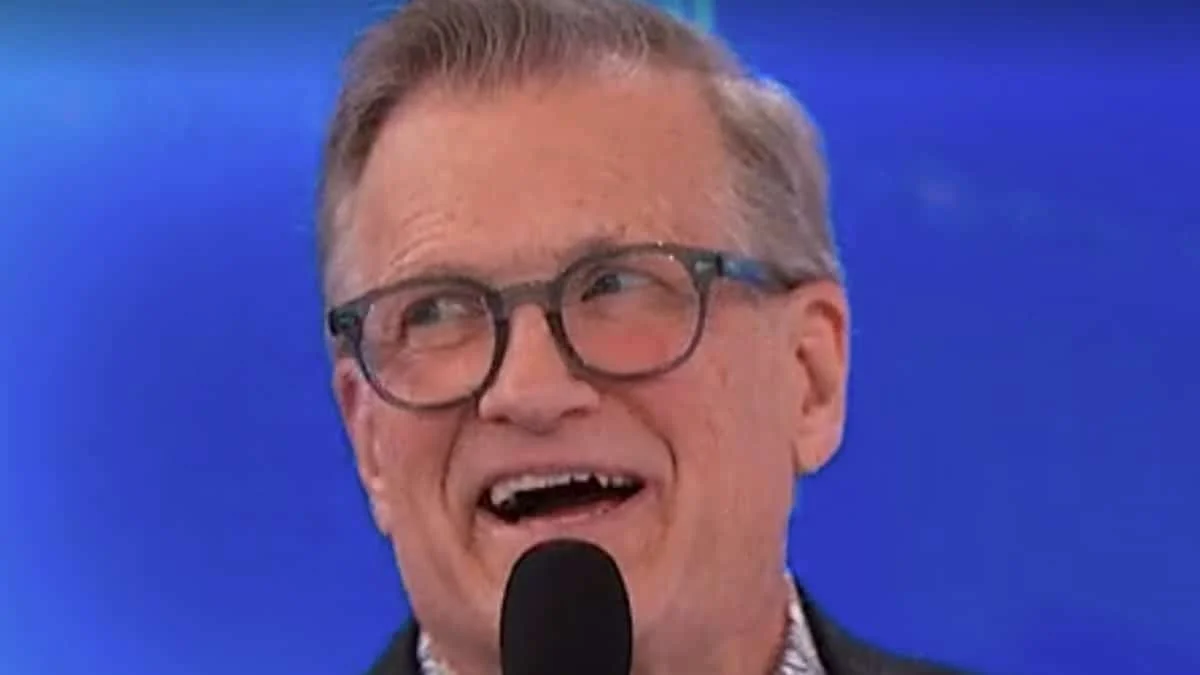
The long-running CBS game show The Price Is Right (TPIR) has found itself at the center of a digital firestorm following a recent decision by its social media team to highlight a contestant’s significant loss on its official YouTube channel. While the show has thrived for over five decades on the joy of "coming on down" and winning big, the recent spotlighting of a contestant walking away with less than $10 has sparked a heated debate regarding the ethics of "loss-based content" and the hosting style of Drew Carey.
For a program built on the foundation of aspirational winning, the decision to promote a "fail" has left a portion of the fanbase feeling that the show’s production has taken a "nasty" turn.
Main Facts: A High-Stakes Game Ends in a $9.25 Whimper
The controversy stems from a recent episode featuring the classic pricing game "Any Number." A contestant, who had successfully navigated the "Contestants’ Row" bidding process, was presented with the opportunity to win three distinct prizes: a brand-new car, a high-end smart television, and a cash amount contained within a "piggy bank."
"Any Number" is a game of chance and pricing intuition where a board displays the hidden prices of the three prizes. The car usually features a five-digit price (with the first digit revealed), the secondary prize features a three-digit price, and the piggy bank contains a three-digit amount representing dollars and cents (e.g., $X.XX). The contestant calls out numbers from zero to nine. The first prize to have its price completely filled is the one the contestant wins.
In this instance, the contestant’s luck spiraled quickly. After a series of guesses that left him just one digit away from winning either the car or the smart TV, his final selection filled the last slot of the piggy bank. The total winnings? A meager $9.25.
The production team followed the loss with the show’s iconic "sad horn" sound effect—a staple of the program—but it was the subsequent decision to upload this specific segment as a standalone highlight on YouTube that triggered the backlash.
Chronology: From the Stage to the Digital Backlash
The On-Stage Performance
During the recording, host Drew Carey guided the contestant through the "Any Number" board. The first number in the car’s price was revealed to be a "2," setting the stage for a potential win worth tens of thousands of dollars. As the contestant made his picks, Carey maintained his usual jovial, improvisational tone.
When the contestant’s first pick landed in the piggy bank, Carey joked that the man could at least "buy a sandwich" with the winnings. As the game progressed to its disappointing conclusion, Carey attempted to lighten the mood. "The good news is nine dollars is the most you can win in the piggy bank, so that’s something," Carey remarked, placing a hand on the contestant’s shoulder. He concluded the segment by telling the contestant to "enjoy your double burger."
The Digital Pivot
Following the broadcast, the The Price Is Right social media team uploaded the clip to YouTube with a title questioning the contestant’s luck. In the modern era of television, networks often use social media to drive engagement through "viral moments." Historically, these moments have been massive wins—such as a contestant hitting $1.00 on the Big Wheel—but there has been a recent shift toward highlighting "epic fails."
The Fan Response
Within hours of the clip being posted, the comment section became a repository for fan frustration. Viewers took aim at two specific targets: the production’s choice to "showcase" a loss and Drew Carey’s hosting demeanor during the segment. By late April 2025, the clip had garnered significant views but an overwhelmingly negative sentiment in the comments.
Supporting Data: The Mechanics of "Any Number" and the Rarity of the "Piggy Bank" Win
To understand why the loss was so stinging, one must look at the statistical nature of "Any Number." Introduced in the very first episode of the Bob Barker era in 1972, "Any Number" is designed to be a "heartbreaker" game.

- Winning Probability: Because there are ten digits and only seven are used in the prices of the car and the TV, the piggy bank acts as a "trap." Statistically, the piggy bank is easier to fill because it only requires three digits, whereas the car requires four (after the first is revealed).
- The "Poverty" Prize: The piggy bank amount is always less than $10.00. In an era of high inflation, winning $9.25 on a national stage after being "one digit away" from a $25,000+ car is perceived by many viewers as more of an insult than a prize.
- Social Media Metrics: Industry data suggests that "negative engagement"—content that makes people angry or sad—can sometimes generate more comments and shares than positive content. However, for a brand like The Price Is Right, which relies on "feel-good" nostalgia, this strategy carries significant brand risk.
Official Responses and Host Critique
While CBS and Fremantle (the show’s production company) have not issued a formal statement regarding the specific YouTube upload, the backlash has reignited a long-standing debate over Drew Carey’s tenure as host.
Carey, who took over for the legendary Bob Barker in 2007, has always employed a more casual, "everyman" approach compared to Barker’s polished, formal style. However, critics in the YouTube comments section argued that Carey’s jokes about "double burgers" and "sandwiches" felt dismissive of the contestant’s disappointment.
One commenter wrote: "Ignored dumb Drew’s joke about buying a stupid burger… Drew Carey is ruining the show." Another noted, "Showcasing a loss on the YouTube channel is nasty work lol."
These reactions highlight a disconnect between Carey’s background in stand-up comedy—where "punching up" or "ribbing" is standard—and the expectations of game show purists who want the host to act as a sympathetic advocate for the contestant.
Implications: The Ethics of Game Show Marketing in the Social Media Age
The controversy surrounding this "Any Number" highlight points to several broader implications for the future of daytime television and digital marketing.
1. The "Schadenfreude" Strategy
Marketing teams are increasingly leaning into schadenfreude—the pleasure derived from another’s misfortune—to gain traction in crowded social feeds. By posting a loss, The Price Is Right isn’t just selling the dream of winning; it is selling the drama of losing. This strategy may increase short-term metrics (clicks and comments), but it risks alienating the core "super-fans" who view the show as a sanctuary of positivity.
2. The Evolution of the Host’s Role
The role of the game show host is shifting from a "master of ceremonies" to a "content creator." Carey’s improvisational comments are designed to provide "soundbites" for social media. However, when those soundbites are perceived as mocking a contestant who just lost a life-changing prize, it creates a "cringe" factor that can damage the host’s likability.
3. Economic Sensitivity
The backlash to the "double burger" joke also reflects a heightened sensitivity to economic realities. In 1972, $9.25 might have bought a substantial meal for a family; in 2025, as fans pointed out, it barely covers a fast-food combo. When a multi-billion dollar network highlights a contestant winning less than ten dollars, it can come across as "tone-deaf" to an audience struggling with the cost of living.
4. The Future of TPIR Digital Content
This incident may force a recalibration of how The Price Is Right manages its digital footprint. While "all-cash" shows and "big win" montages remain popular, the negative reaction to the "Any Number" loss suggests that the audience has a limit on how much "nasty work" they are willing to tolerate from a show that is supposed to be "America’s favorite playground."
In conclusion, while the contestant did walk away with a shuffleboard (won during the initial bidding) and a chance to spin the Big Wheel, the narrative of the episode was hijacked by the "piggy bank" finish. As The Price Is Right continues to navigate the transition from traditional broadcast to a digital-first world, it must decide if the "clicks" generated by a loss are worth the "clash" with its loyal audience. For now, the "sad horn" isn’t just playing for the contestant—it’s echoing through the show’s social media comments section.

 Iffa Jayyana
 Laily UPN