Dwi Wanna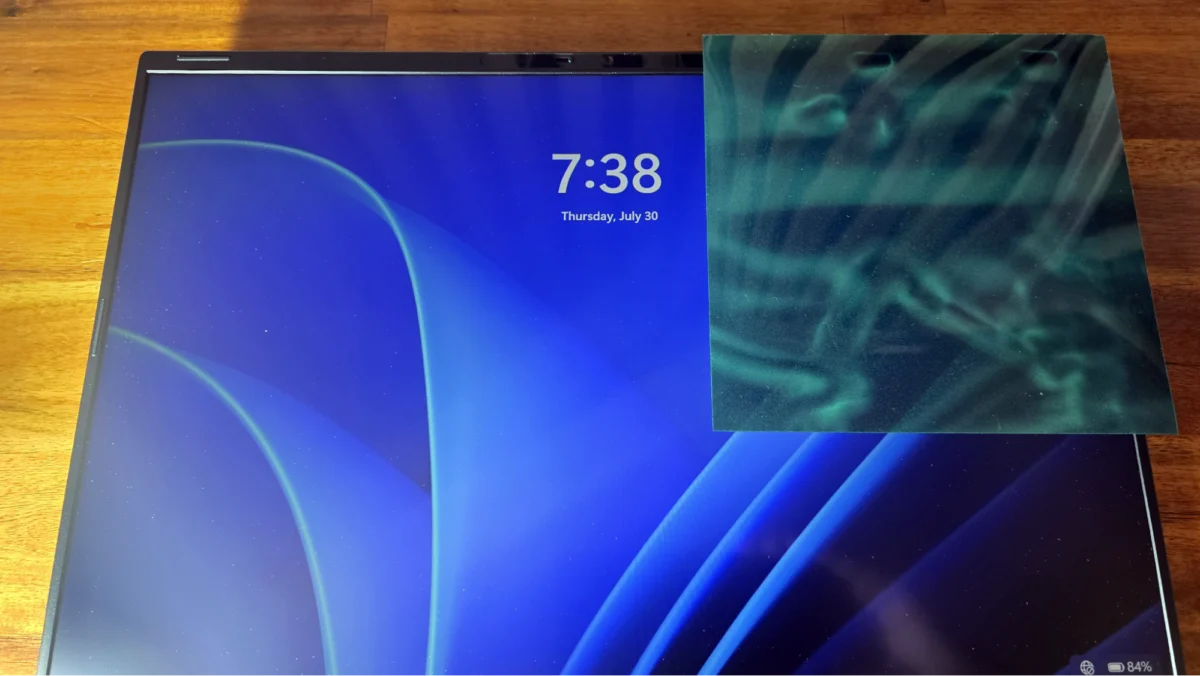
In the world of high-end hardware testing, technicians and reviewers often encounter "ghosts in the machine"—mysterious glitches that defy standard diagnostic protocols. Recently, a peculiar case involving an Acer Swift Go 16 AI brought this reality into sharp focus. For days, what appeared to be a catastrophic hardware failure—spontaneous screen blackouts and forced lock-screen transitions—threatened to derail a standard product review. However, the true culprit turned out to be far more mundane than a faulty motherboard or corrupt firmware. It was, in fact, an accessory worn on the user’s wrist.
This article explores the intersection of modern wearable technology and laptop design, uncovering why a common magnetic watch strap can trigger sleep sensors, why it remains a frustratingly overlooked "fault," and what users can do to avoid falling into the same trap.
The Mystery of the Flickering Screen: A Chronology of Events
The trouble began during the standard setup and evaluation phase of the Acer Swift Go 16 AI. As a mid-range, thin-and-light laptop, the device was expected to be a straightforward test of AMD’s "Gorgon Point" silicon and general build quality.
The "Faulty" Unit
Shortly after unboxing, the reviewer noticed a consistent, albeit intermittent, issue: the display would abruptly turn black while typing, immediately booting the user to the Windows lock screen. Initially dismissed as a minor software hiccup, the frequency of the event grew. Within hours, the laptop became effectively unusable for sustained work.
The Diagnostic Dead End
Standard troubleshooting procedures were initiated:
- Software Resets: Under the guidance of manufacturer engineers, the system was completely reset, yet the issue persisted.
- Physical Inspection: The touchpad, frequently a point of failure in thin laptops, was closely monitored. It was discovered that even a light graze near the lower-right corner of the chassis could trigger the blackout.
- The Replacement Gamble: Convinced that the review unit was a "lemon," the reviewer requested a second unit. When the replacement arrived, it was briefly set aside due to shifting priorities, while the "faulty" original was prepared for return.
The "Aha!" Moment
The breakthrough occurred in a New York office during a routine demonstration of the "faulty" unit. A colleague, after witnessing the screen go dark, offered a simple, off-hand observation: "I think it might be your watch."
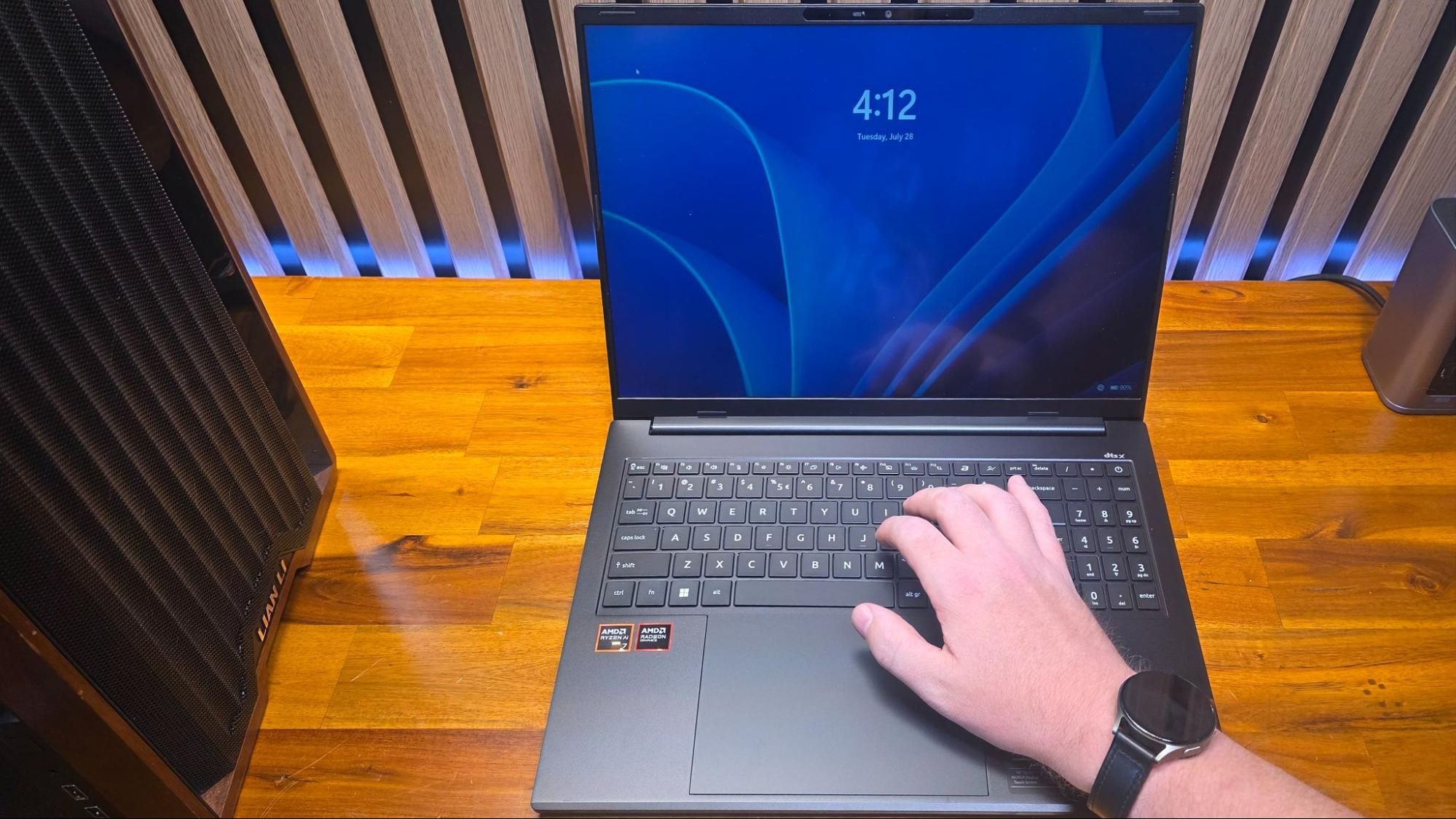
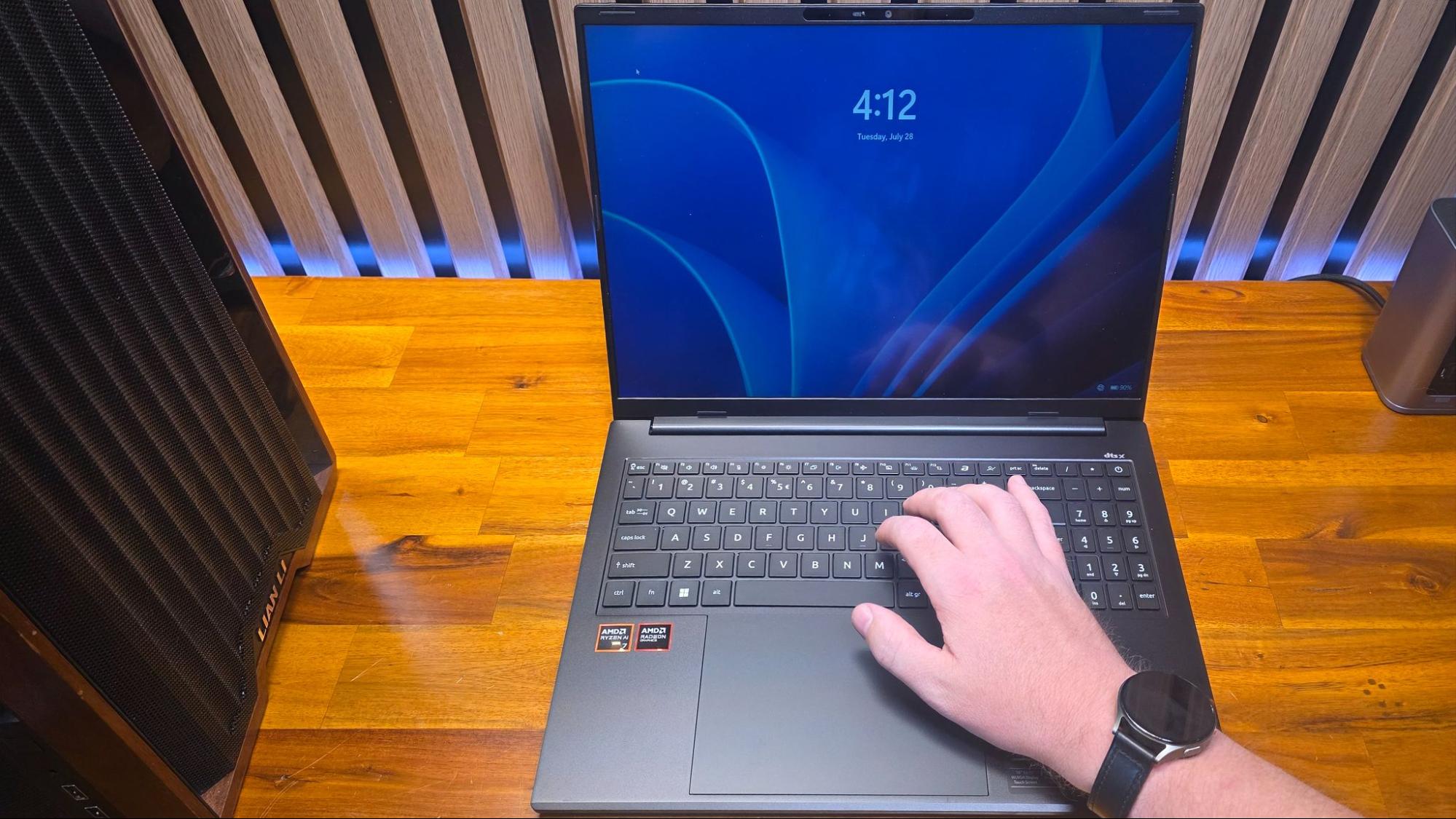
The realization was instantaneous. The user was wearing a Samsung Galaxy Watch 7 with a third-party magnetic clasp band. The magnetic connection—designed for convenience and ease of use—was interacting with the laptop’s internal hardware. Every time the wrist hovered over the lower-right deck of the laptop, the magnets in the band mimicked the signal of a closed lid, forcing the device into a "sleep" or "lock" state.
Supporting Data: The Physics of the "Lid Sensor"
To understand why a watch band can shut down a laptop, one must look at how modern portables detect when they are closed. Most laptops utilize a Hall effect sensor—a device that detects magnetic fields.
How the Mechanism Works
Manufacturers embed a small magnet in the display bezel and a matching sensor in the keyboard deck. When the lid closes, the magnet comes into proximity with the sensor, telling the operating system to turn off the screen and enter a power-saving mode.
The Magnetic Vulnerability
The issue arises when the design of the laptop’s chassis places these sensors in a vulnerable location—often near the wrist rests. If a user wears a watch with a magnetic clasp, that accessory acts as an "external" magnet. When the user’s hand moves across the trackpad or rests on the deck, the magnetic field from the watch band crosses the threshold of the Hall effect sensor, effectively "tricking" the laptop into believing the lid has been closed.
This is not limited to just one brand. While the Acer Swift Go 16 AI was the specific subject of this case, the design philosophy is industry-wide. Experiments conducted with fridge magnets, magnetic Qi2 charging accessories, and even other smartwatches confirmed that any sufficiently strong magnetic source could replicate the "shutdown" effect on the affected laptop model.
The Landscape of the Issue: A Rare but Persistent Problem
Is this a widespread epidemic? Data suggests that while the issue is technically documented, it remains rare for the average user.
Why It’s Rare
The vast majority of laptop manufacturers calibrate their sensors to ignore stray magnetic fields or position them deep enough within the chassis to prevent accidental triggers. In a controlled test environment, other laptops from Dell, Apple, Lenovo, and Framework were tested alongside the Acer unit; none of them exhibited the same sensitivity to the watch band.
The "Known" Unknowns
Despite its rarity, a quick search through technical support forums reveals a recurring trail of confusion. Reddit threads, Apple’s support discussions, and various manufacturer community boards contain stories from users who spent hundreds of dollars on repairs or replacements for what they assumed was a broken motherboard, only to realize their "smart" watch was the antagonist all along.
The fact that this issue is rarely reported to major tech support channels suggests that many users likely return their laptops as "defective" without ever discovering the true cause, leading to an unnecessary cycle of returns and inventory waste.
Implications for Design and Consumer Habits
The "watch strap curse" highlights a growing friction point between the proliferation of magnetic accessories and the compact, sensor-heavy design of modern computing hardware.
Design Oversights
From an engineering perspective, the placement of Hall effect sensors is a delicate balance. If they are too sensitive, they are prone to false positives; if they are not sensitive enough, the laptop may fail to sleep when closed, potentially leading to overheating if packed into a bag. However, the Acer incident serves as a reminder that ergonomics—how a human actually interacts with a device—should be a higher priority in the QA process.
The Responsibility of the User
For the consumer, the implications are clear:
- The "Magnetic" Awareness: Users should be mindful of accessories that contain magnets. This includes not just watch bands, but also magnetic phone mounts, stylus attachments, and even some jewelry.
- Troubleshooting First: Before assuming a hardware failure, users should eliminate external factors. Remove jewelry, watches, and even magnetic ID badges when attempting to diagnose sudden, intermittent performance issues.
Practical Solutions for the Affected User
If you find yourself in the position of owning a laptop that seems to possess a "vendetta" against your timepiece, you are not necessarily forced to buy a new computer. Several remedies exist:
- Change the Band: The most effective solution is to replace the magnetic watch band with a buckle-style, leather, or silicone strap that does not rely on magnets.
- Wrist Rotation: While difficult for those accustomed to wearing a watch on a specific side, switching the watch to the opposite wrist is an immediate fix.
- The "Work-Only" Removal: For power users who spend hours at their desks, simply taking the watch off during intensive work sessions can preserve both your productivity and your sanity.
- Hardware Evaluation: If you are currently in the market for a laptop, consider testing the display lid sensor in-store by bringing a small magnet (or your watch) and testing the area around the trackpad. It is a simple step that could save you from the frustration of an RMA (Return Merchandise Authorization) process.
Conclusion
The case of the Acer Swift Go 16 AI serves as a fascinating cautionary tale in the age of integrated tech. As we continue to bridge the gap between wearables and workstations, these invisible interactions—magnetic fields, sensors, and human movement—will inevitably collide.
While it is tempting to blame the manufacturer for a "design flaw," the incident is ultimately a reflection of how personal our technology has become. We have reached a point where our accessories can communicate with our computers, sometimes in ways we never intended. The next time your screen goes black at the most inconvenient moment, look down at your wrist—you might just be holding the answer.


 Asro
Asro
 Nana Wu