Suro Senen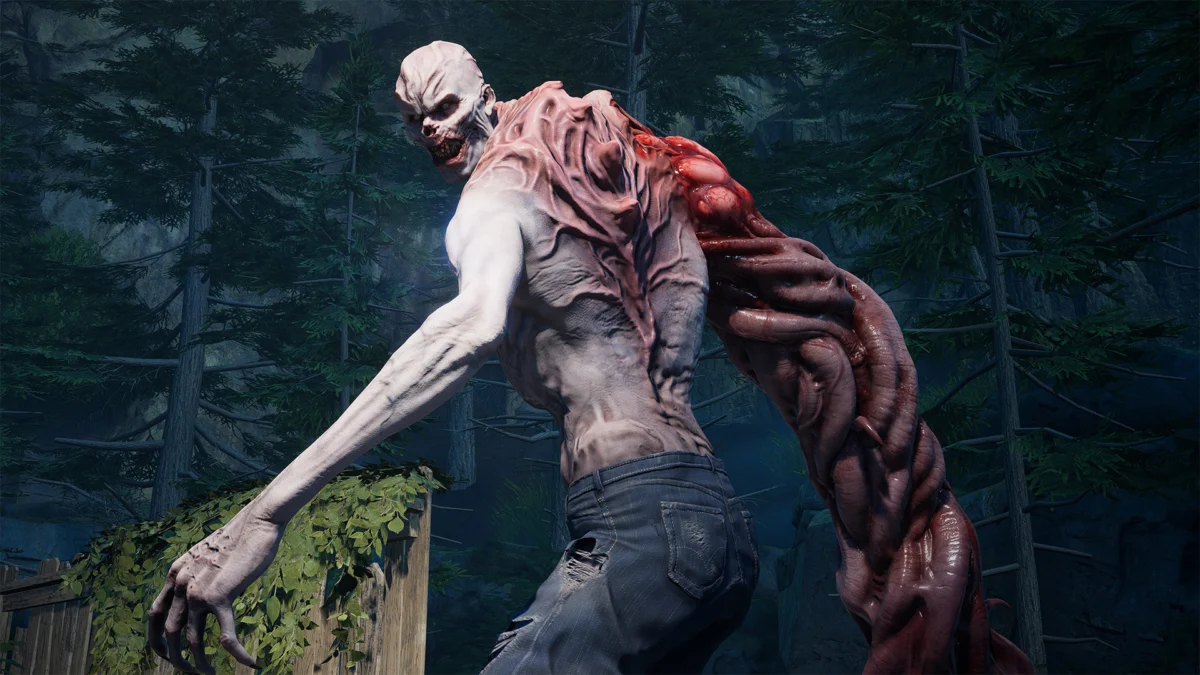
A Complicated Resurrection: Evaluating Back4Blood as the Spiritual Successor to a Genre Giant
Platforms: PC, PS5, Xbox Series X/S, PS4, Xbox One | Developer: Turtle Rock Studios | Publisher: Warner Bros. Games | Price: £49.99
In the landscape of cooperative multiplayer shooters, few titles loom as large as Left 4 Dead. For over a decade, its minimalist design—four survivors, a wall of undead, and an AI director—served as the gold standard for chaotic, team-based fun. When Turtle Rock Studios, the original architects of that experience, announced Back 4 Blood, expectations were stratospheric. However, upon release, the game revealed itself to be a paradox: a frantic, visceral zombie-slaying experience buried under a mountain of modern design complexities.
The Evolution of the Horde: Main Facts and Premise
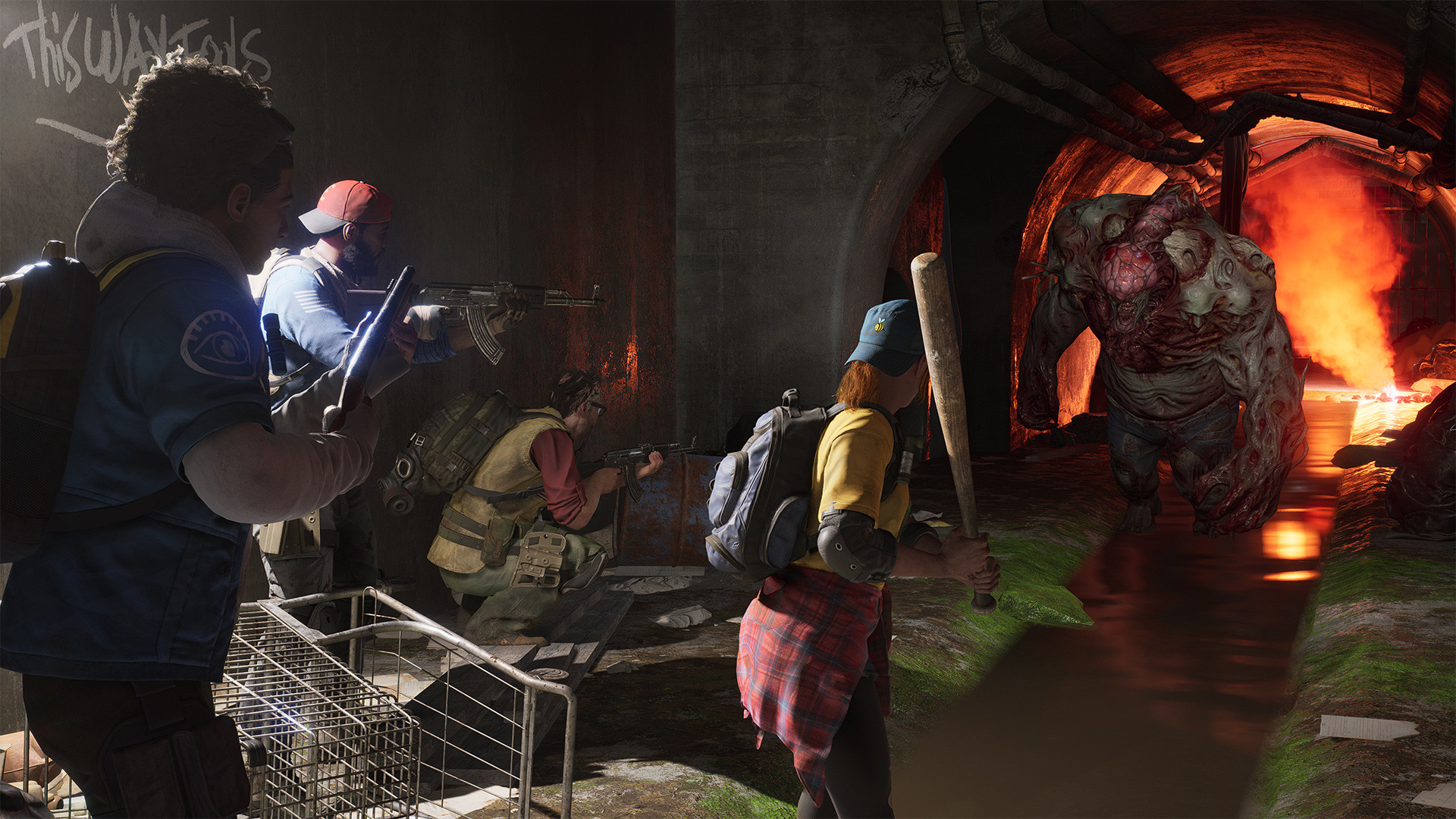
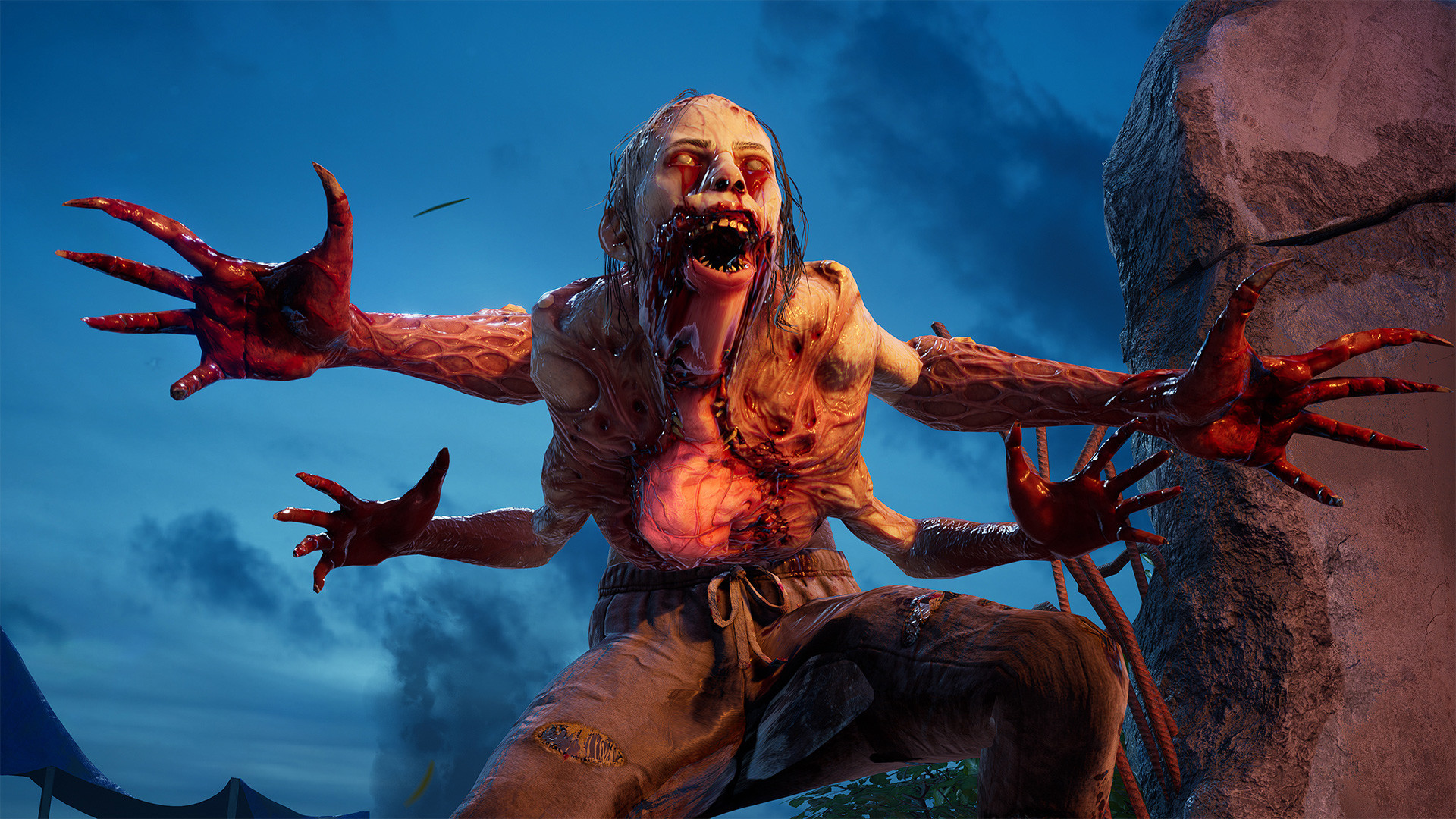
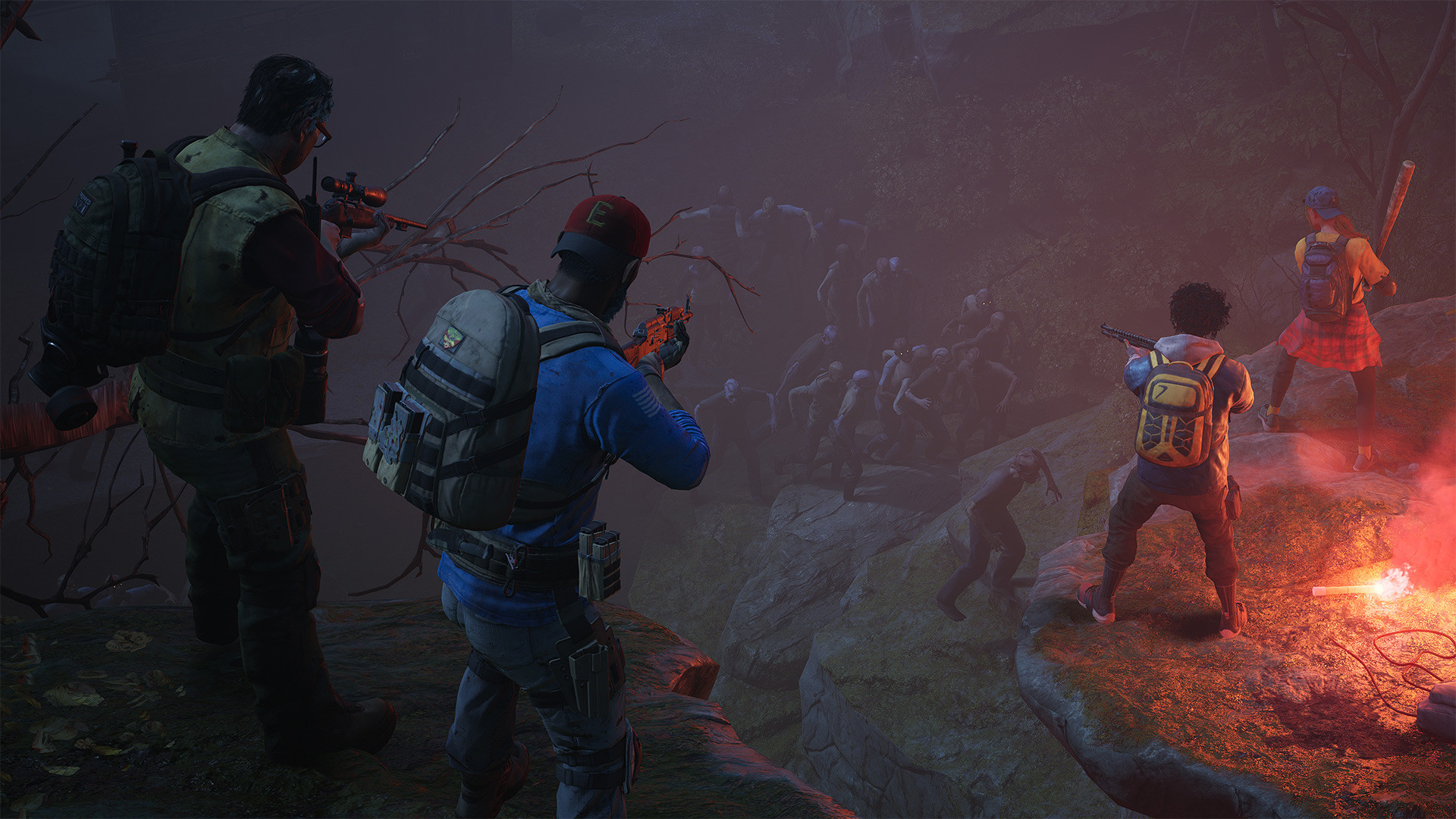
At its core, Back 4 Blood follows a familiar rhythm. Up to four players, assuming the roles of specialized "Cleaners," must navigate through a post-apocalyptic landscape overrun by the "Ridden"—a biological mutation that functions as the game’s primary antagonist. The gameplay loop centers on moving from one safehouse to the next, surviving waves of common undead and distinct, high-threat "Special Ridden."
Much like its predecessor, the experience is mediated by an AI "Game Director," which dynamically alters enemy spawns, environmental hazards, and pacing to ensure that no two runs feel identical. Yet, where Left 4 Dead was a masterclass in elegant, stripped-back design, Back 4 Blood is a maximalist undertaking. It introduces a dense layer of modern RPG mechanics, including weapon customization, intricate character progression, and a robust, deck-building card system that fundamentally changes how the game is played.
Chronology: A Rocky Path to Reconciliation
The initial reception of Back 4 Blood was characterized by a palpable sense of confusion. Upon the first few hours of gameplay, the experience is aggressively overwhelming. For veteran fans of the genre, the UI, the menu systems, and the sheer volume of "bells and whistles" felt like an unnecessary overcomplication of a formula that didn’t necessarily need fixing.
- The Onboarding Hurdle: The game’s opening hours are its weakest, failing to explain concepts like "Corruption Cards" or "Supply Lines" with enough clarity. Players accustomed to the pick-up-and-play accessibility of earlier zombie shooters found themselves adrift in a sea of terminology and character-build logistics.
- The Turning Point: As players push through the initial disorientation, the design choices begin to coalesce. The game shifts from an "overstuffed mess" to a "thoughtful tactical shooter." The satisfaction of the core combat—the tactile weight of a Desert Eagle or the precision of a semiautomatic rifle—eventually bridges the gap between frustration and engagement.
- Mid-to-Late Game Pacing: By the time the player navigates through the middle chapters of the four sprawling "Acts," the game sheds its initial blandness. The environmental variety increases, and the objectives shift from simple "get to the safehouse" scenarios to complex, cinematic sequences, such as the memorable ferry-crossing bridge sequence.
Supporting Data: Mechanics and Tactical Depth
The depth of Back 4 Blood is not merely cosmetic; it is systemic. To appreciate the game, one must engage with the systems Turtle Rock has introduced to modernize the genre.
The Card System and Deck Building
The most significant departure from the classic formula is the card system. Players build decks of cards that provide passive and active bonuses—health regeneration upon melee kills, damage resistance, or team-wide stamina buffs. Because cards are drawn in a specific order, players must plan their character builds as meticulously as an RPG player plans a skill tree. This transforms Back 4 Blood from a reflex-heavy shooter into a strategic cooperative endeavor.
Weaponry and Resource Management
The gunplay is remarkably tight. The developer has moved away from the "pick up whatever is on the table" approach of the past, opting for a system where weapons have attachments, stats, and specific ammunition types. The decision to make ammo a shared, finite resource among teammates forces players to communicate. It is no longer just about who can aim best; it is about who is carrying the sniper rifle and who needs the extra rounds to keep the horde at bay.
Scaling and AI Behavior
The game’s scalability remains a point of contention. While the 4-player experience is designed for maximum chaos, it often feels like the difficulty spikes are artificial, relying on overwhelming the player with excessive numbers of Special Ridden. Conversely, solo play is significantly easier, as the AI companions in Back 4 Blood are remarkably more capable than the notoriously dim-witted AI of early-2000s shooters, often acting as a reliable, if uninspired, support unit.
Official Responses and Developer Intent
Turtle Rock Studios has maintained that the design complexity was a conscious choice intended to provide long-term replayability. By moving away from the "static" nature of older shooters, they aimed to create an ecosystem where players could experiment with builds, hunt for loot, and tackle progressively harder "Acts" that require genuine team synergy.
While the studio has acknowledged player feedback regarding the learning curve, they have stood by the core gameplay loop. The inclusion of deep, grindable progression—through the "Supply Lines" menu—is designed to ensure that even after a successful campaign, players have a reason to return to the fray to unlock new cosmetics, cards, and character perks.
Implications: The Legacy of a Spiritual Successor
The critical question surrounding Back 4 Blood is whether it has successfully stepped out of the shadow of Left 4 Dead. The answer is nuanced.
A Different Beast
It is a mistake to compare the two games as direct peers in design philosophy. Left 4 Dead was about atmosphere, character, and the "film-grain" aesthetic of 1970s grindhouse cinema. Back 4 Blood is about systemic depth and tactical cooperation. It lacks the instant, iconic charm of its predecessor—the early levels are undeniably murky and visually indistinct—but it makes up for this with a superior, more rewarding mechanical loop.
The Pacing Problem
The structure of the four "Acts" remains a significant hurdle. Each act spans 5–6 hours of gameplay, which is a daunting commitment for a casual evening session. While this length allows the card system to breathe and evolve, it creates a "slog" effect that may alienate players who prefer shorter, punchier missions. The lack of a middle ground between the chaos of 4-player multiplayer and the ease of solo play also suggests that the game’s balancing needs further refinement.
Final Verdict
Back 4 Blood is not the masterpiece that Left 4 Dead was, but it is a formidable successor that carves its own niche. It is a game that demands patience; it asks the player to learn its systems, build their decks, and coordinate with their team. Once those hurdles are cleared, the game reveals itself to be a genuinely impressive evolution of the cooperative shooter. It is a testament to Turtle Rock’s ambition—even if that ambition occasionally results in a cluttered, overly complex experience.
For the player looking for a simple, mindless romp, Back 4 Blood may feel like an over-engineered relic of modern design. But for the player looking for a game to master, iterate upon, and play for dozens of hours with friends, it is a deep, satisfying, and occasionally brilliant addition to the genre. It may have started as a confused mess, but it ends as a game that, despite its flaws, is well worth the time of any fan of the undead.


 Nana Muazin
 Nana Wu