Muslim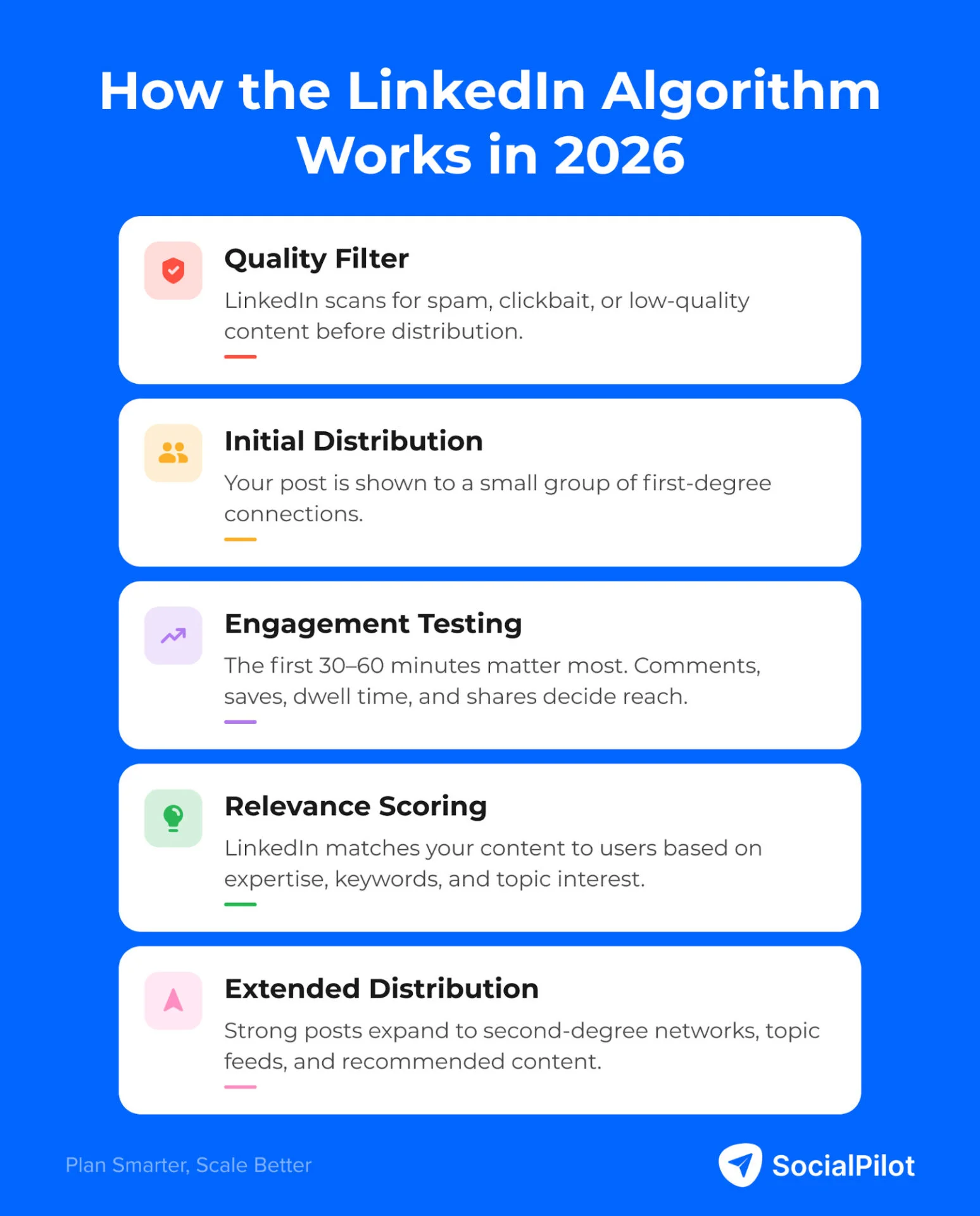
In the year 2026, the social media landscape has undergone a seismic shift. The days of "chronological feeds" or simple popularity-based rankings are long gone. Today, social media algorithms have evolved into hyper-intelligent, predictive engines that do not merely categorize content—they anticipate human desire. For marketers, agencies, and small businesses, the challenge is no longer just about posting consistently; it is about engineering content that aligns with the specific, often opaque, neural architectures of major platforms.
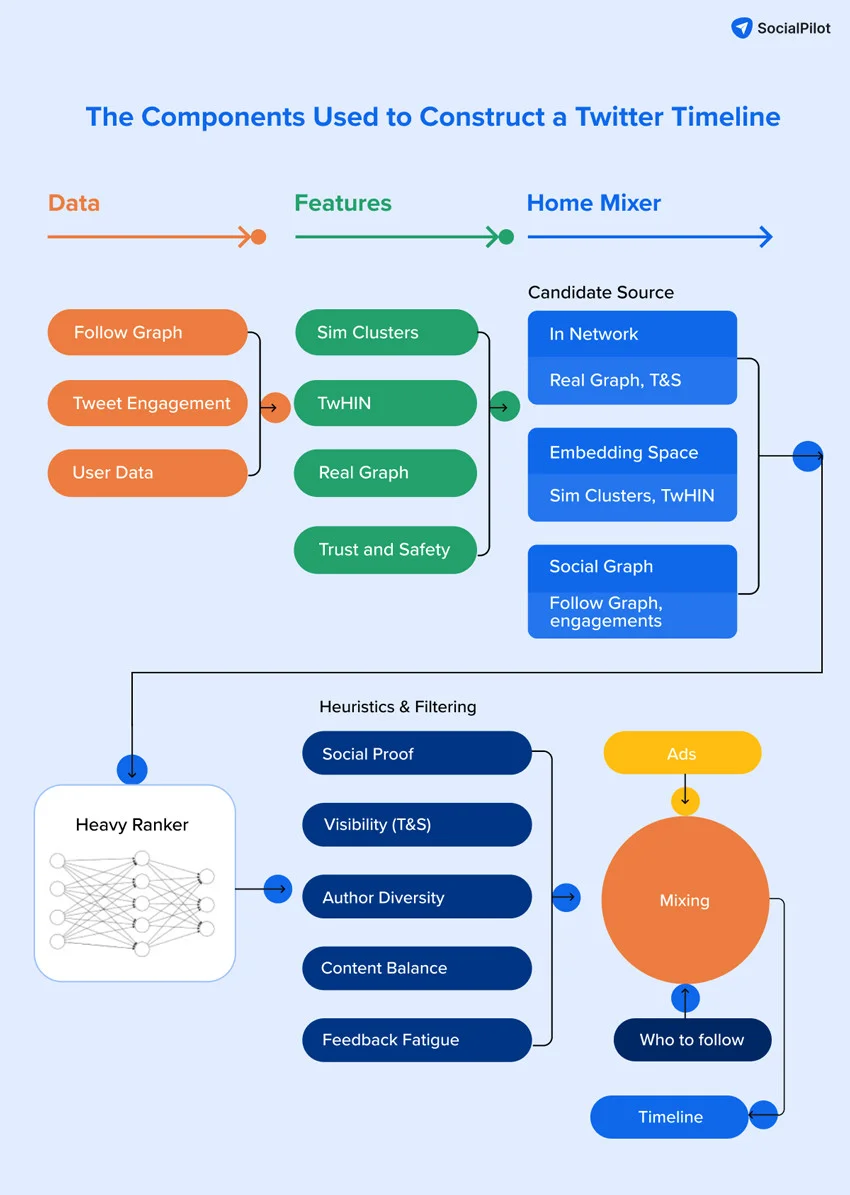
Understanding these systems is no longer an optional skill—it is the bedrock of digital survival. As platforms shift from social graphs (who you know) to interest graphs (what you crave), content strategy must evolve from broad broadcasting to precision-targeted engagement.
The Evolution of Recommendation Engines: Main Facts
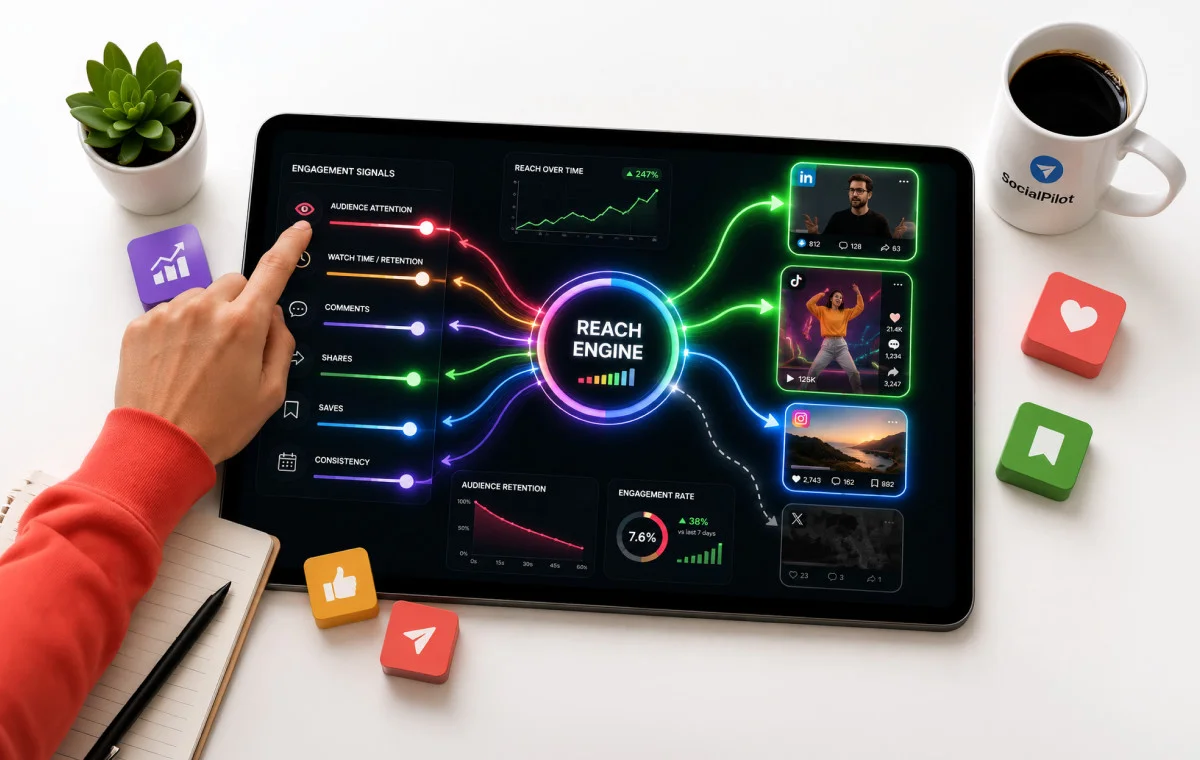
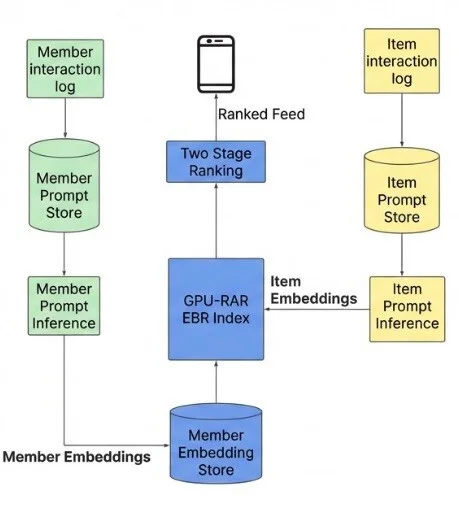
At their core, modern algorithms in 2026 are automated systems designed to maximize "time spent" on a platform. They achieve this by analyzing millions of data points—from the speed at which a user scrolls past a video to the specific pixel-depth at which a user pauses on a carousel.
The primary goal of every major platform today is personalization at scale. Algorithms are no longer judging the "quality" of a post in a vacuum; they are judging the probability that a specific user will find that post relevant. If a user has historically engaged with long-form architectural design content, the algorithm will deprioritize generic memes in favor of high-fidelity, educational content, regardless of the publisher’s follower count.
Chronology of Change: The 2025–2026 Pivot
The last 18 months have seen the most radical changes in platform architecture since the inception of the mobile feed:
- Late 2025 (The Originality Mandate): Instagram launched a comprehensive "Originality Classifier," effectively penalizing accounts that function as aggregators or "repost farms."
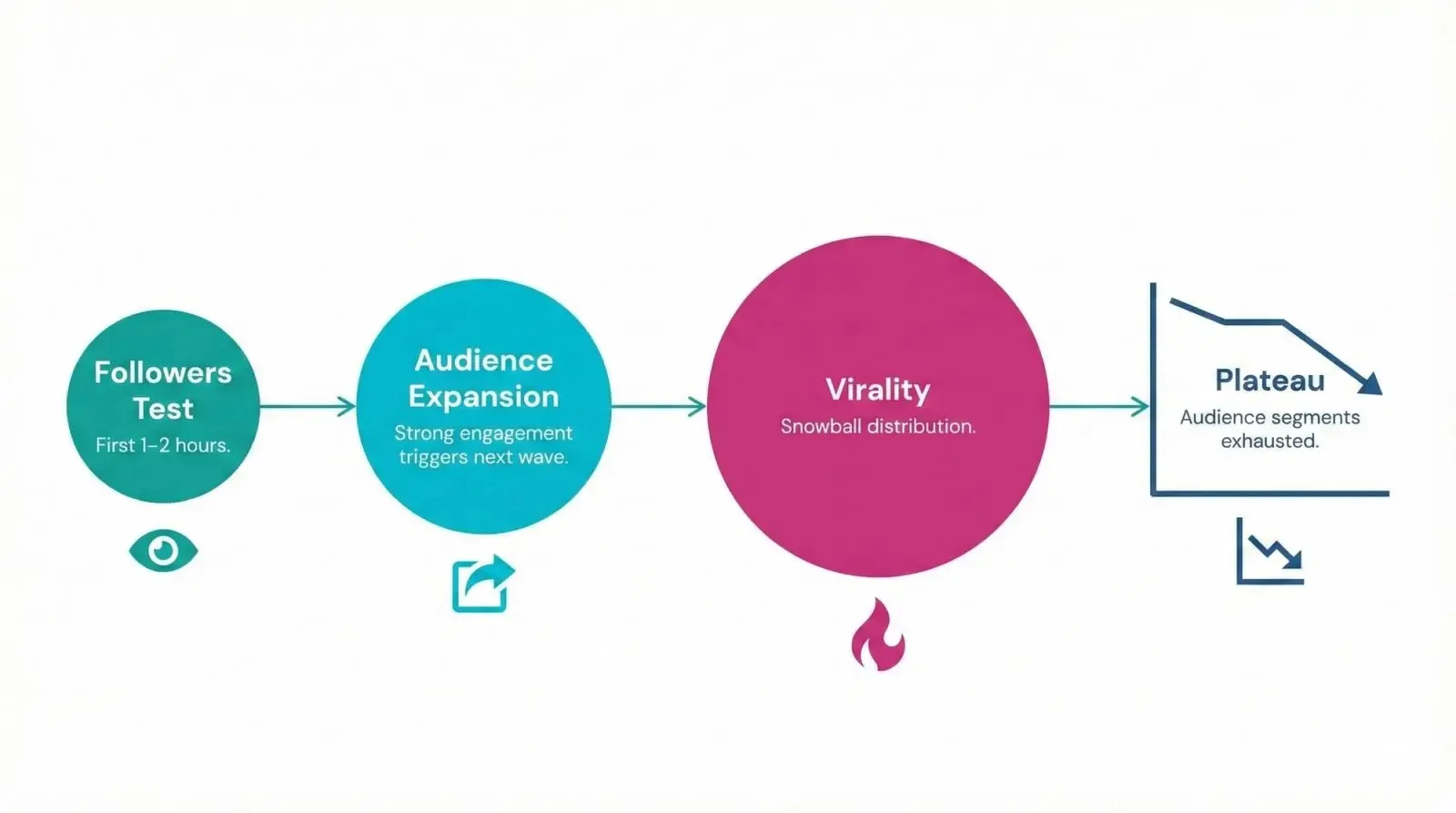
- Late 2025 (TikTok’s Distribution Shift): TikTok moved away from its famous "interest-based testing pool" for every single video. The new model forces creators to win over their existing follower base first. If the "test group" (followers) ignores the content, the video is dead on arrival.
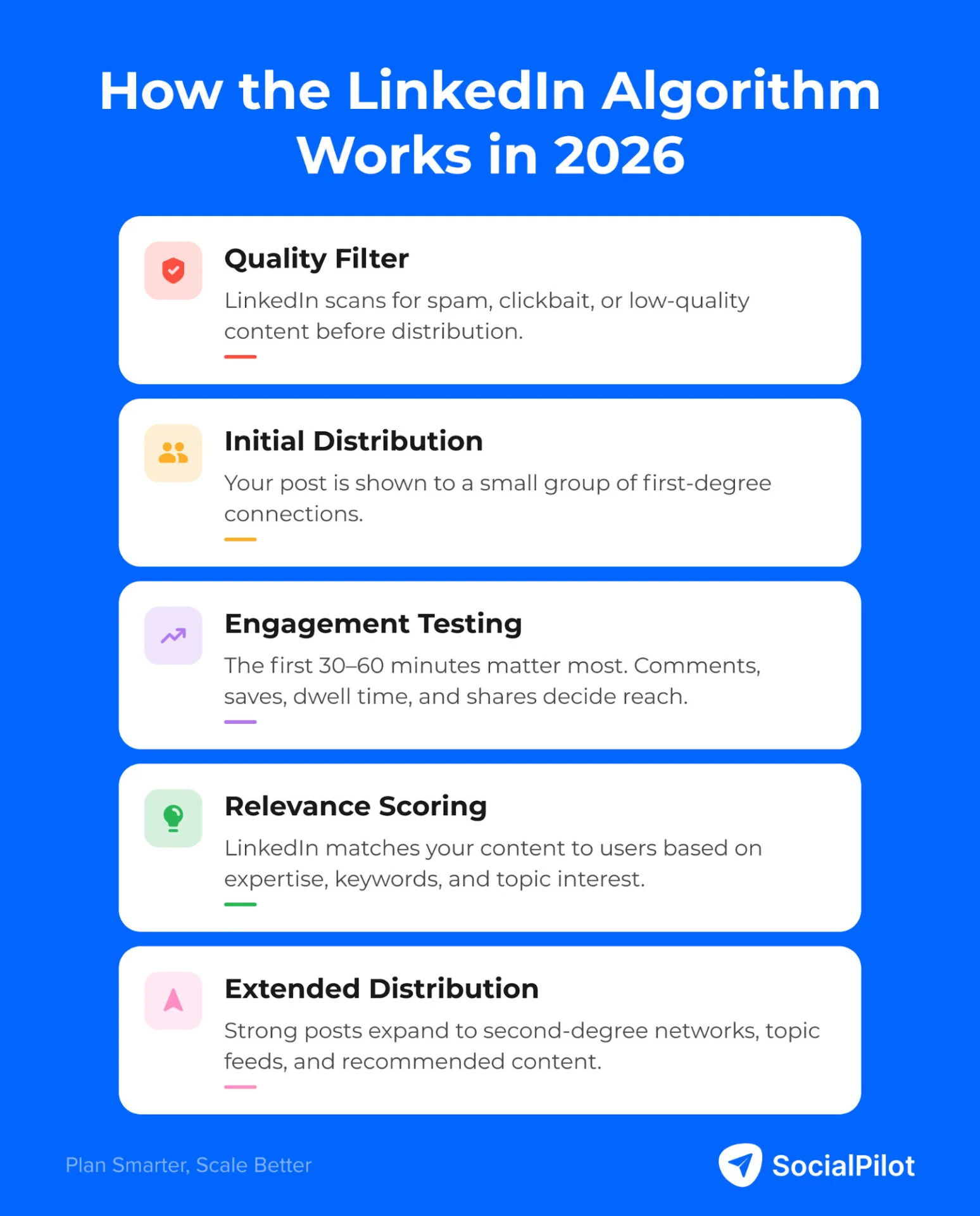
- March 2026 (LinkedIn’s LLM Overhaul): LinkedIn fully transitioned its feed recommendation system to a Large Language Model (LLM)-based architecture. This allows the platform to understand the semantic meaning of a post, moving away from simple keyword matching to deep topic modeling.
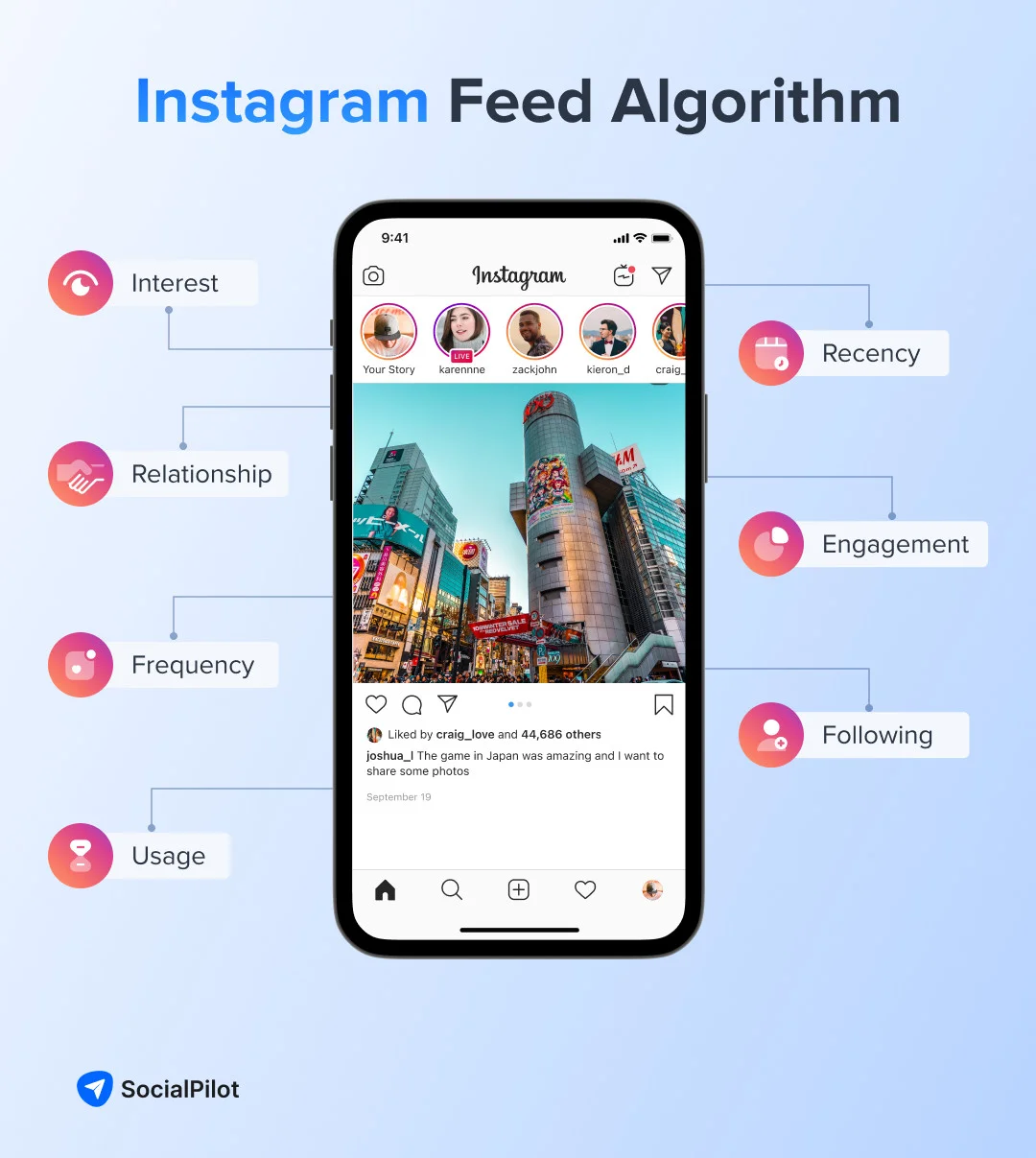
- Ongoing (The 40% Rule): Facebook and Instagram continue to push the boundaries of "recommended content," with over 40% of the average user’s feed now consisting of posts from accounts they do not follow.
Supporting Data: The New Engagement Hierarchy
In 2026, the traditional "vanity metrics" have been relegated to the bottom of the hierarchy. While a "Like" is a positive signal, its weight is negligible compared to the deeper metrics that prove genuine user interest.
The New Hierarchy of Engagement Signals:
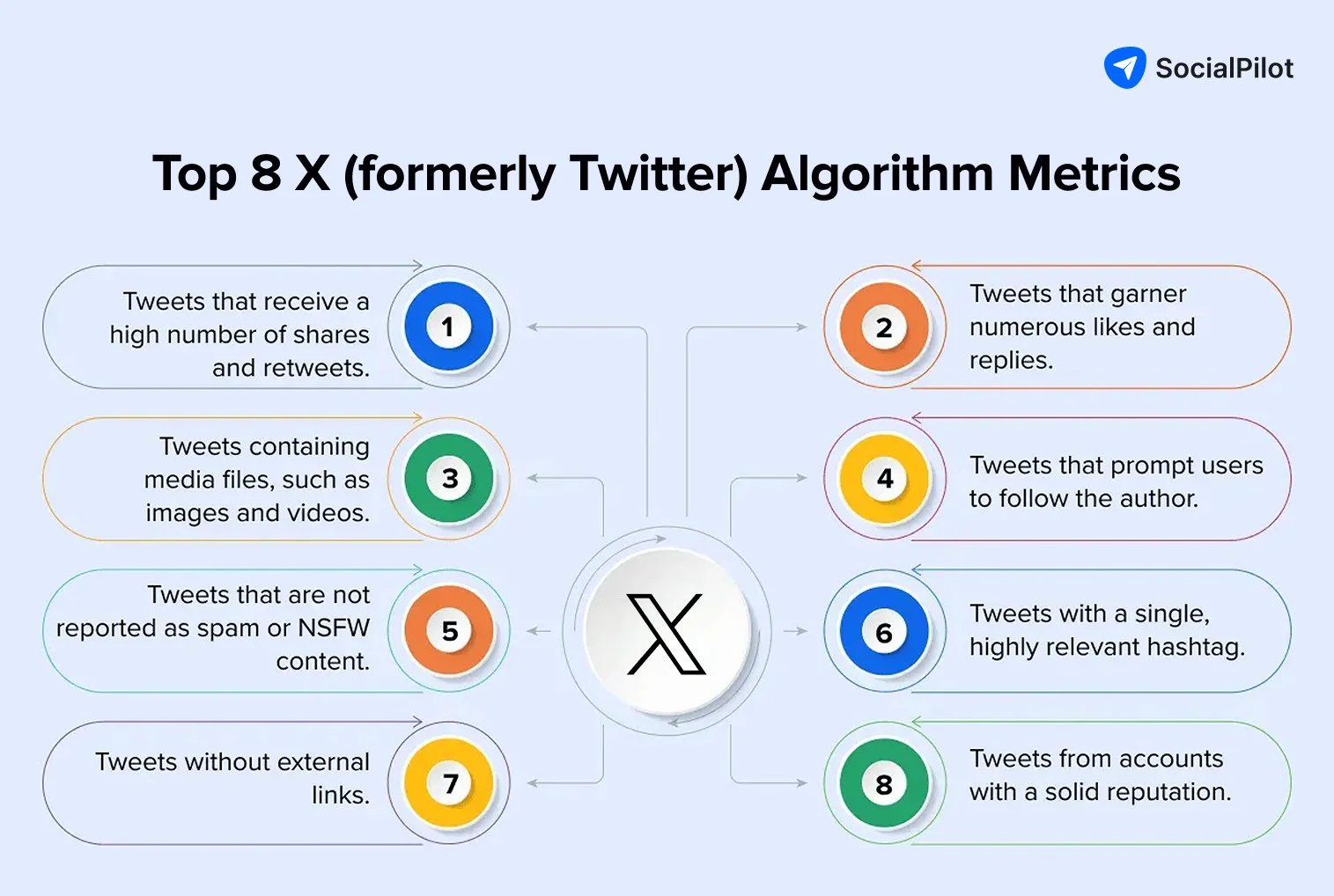
- Watch Completion (The "Gold Standard"): For video content, whether it’s a Reel, a Short, or a TikTok, the percentage of the video watched is the single biggest determinant of reach.
- Saves and DM Shares: These are the "high-intent" signals. When a user saves a post to their collection or sends it to a friend in a DM, they are telling the algorithm, "This content has value beyond the moment of consumption."
- Substantive Replies: A comment that sparks a debate or a long-form response carries more weight than an emoji-based reaction.
- Looping/Re-watching: This signals that the content was so engaging the user wanted to see it twice, effectively "tricking" the algorithm into thinking the content is infinite in its appeal.
Official Responses and Engineering Disclosures
Platforms have become more vocal about their transition to AI-driven discovery, though they remain guarded about specific weighting. In the "Meta 2026: AI Drives Performance" report, Meta confirmed that AI now handles almost every aspect of content moderation and distribution.
Similarly, the LinkedIn Engineering Blog’s March 2026 update regarding the "Next Generation Feed" confirmed that their new LLM architecture categorizes posts into a "Unified Interest Graph." This means that if you post about "SaaS Marketing," the algorithm identifies your professional expertise based on your profile and previous successful posts. If you suddenly post about "Cooking," the LLM recognizes the "Topic-Signal Mismatch," which can lead to suppressed reach because the system is unsure which audience to show your content to.
Strategic Implications for Businesses
The shift to algorithmic dominance creates a harsh reality: Reach is no longer guaranteed by follower counts. It is earned on a post-by-post basis.
1. The Death of the "Reposter"
Because platforms like Instagram now penalize recycled content, the "curation" business model is failing. To succeed, you must be a creator, not an aggregator. Every post must provide unique value that cannot be found elsewhere.
2. The "Hook" is Everything
With TikTok’s follower-first distribution model, the first three seconds of a video are the most critical. You are not just fighting for attention; you are fighting for the algorithm’s permission to reach a wider audience. If your followers don’t watch the first three seconds, your video will not be shown to the "For You" page.
3. The Personalization of Brand Pages
On LinkedIn, the algorithm is favoring personal profiles over company pages. The "Interest Graph" is better at mapping the expertise of a person than the generic, often stale, activity of a corporate logo. Businesses should shift to a "Founder-Led" or "Employee-Advocacy" model to regain reach.
Mastering the Algorithm: Actionable Steps for 2026
To stay ahead of the competition, businesses must adopt an experimental mindset. The algorithm is a living thing; it learns from your successes and failures.
A. Focus on "Value-Add" Content
Create content that solves a problem, teaches a skill, or provides a unique perspective. Use high-quality carousels that encourage users to swipe—this increases "time spent" on your post, a key indicator for platforms like LinkedIn and Instagram.
B. Optimize for DM Shares
Design content specifically for the "Share" button. This includes infographics that are useful to reference later, controversial opinions that invite debate, or humorous takes that users want to send to their friends.
C. Utilize Data-Driven Scheduling
Consistency is often misunderstood. It is not about posting every day at 9:00 AM; it is about posting when your specific audience is active. Utilizing tools that provide AI-suggested timing ensures that your content hits the feed at the exact moment your audience is most primed to engage, maximizing "engagement velocity"—a key factor in breaking out of the initial test group.
D. The Power of Experimentation
Don’t fear the algorithm; test it. Run A/B tests on your headlines, your hooks, and your calls to action. Use the data from your analytics to see which content formats (e.g., carousels vs. short-form video) generate the highest "save-to-reach" ratio.
Conclusion
The algorithms of 2026 are not enemies; they are curators. They want to show users the best, most relevant content possible. If your brand is failing to reach its audience, the algorithm is telling you one thing: your content is not yet the best version of what it could be.
By focusing on deep engagement signals—shares, saves, and completion rates—rather than surface-level vanity metrics, businesses can navigate this new era. The path forward requires a blend of creative storytelling and analytical rigor. As you refine your strategy, remember that the most successful brands in 2026 will be those that treat their social media presence as a dynamic, evolving laboratory rather than a static billboard.
To maintain your edge, leverage robust management tools that offer real-time, AI-driven insights, allowing you to pivot your strategy as quickly as the algorithms themselves evolve. The future of social media belongs to those who adapt, iterate, and, above all, create value for the end user.


 Nana
Nana
 Jia Lissa