

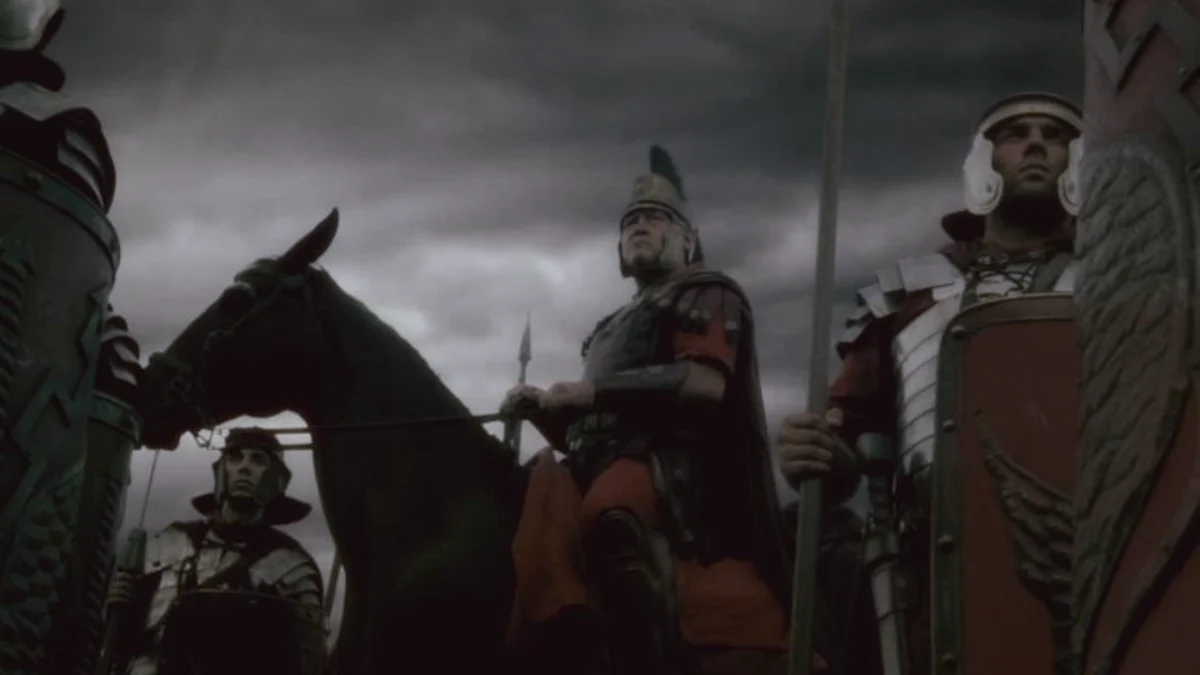
History is not merely a record of the past; it is a mirror reflecting the inherent frailties of power. Throughout the ages, civilizations have risen with the fervor of ambition, only to succumb to the inevitable weight of their own hubris. This perennial cycle serves as the thematic backbone of the highly anticipated 2026 documentary event, The Rise and Fall of the Roman Empire.
While the annals of Rome have been explored in exhaustive, multi-hour series in the past, this new two-part production from the History Channel attempts a different feat: condensing centuries of complex geopolitical transformation, military conquest, and societal decay into a digestible, yet profound, narrative. As modern powers continue to grapple with the same imperialistic impulses that defined the Roman state, this documentary arrives as a sobering, essential viewing experience.
The Structural Vision: A Tale in Two Parts
Unlike previous sprawling 13-hour epics that often lose the casual viewer in the weeds of Senate procedural minutiae, the 2026 production takes a streamlined approach. By bifurcating the story into two distinct movements—"The Rise" and "The Fall"—the documentary creates a clear, accessible entry point for students of history and general audiences alike.
"The Rise" focuses on the aggressive expansionist phase of the Roman Republic and early Empire. It meticulously charts the transformation of a regional Italian power into a Mediterranean hegemon. Central to this narrative are the Punic Wars against Carthage, which served as the "bloody learning curve" that forged Rome’s professional military identity. The film highlights how key political and military figures—men whose names are now synonymous with strategic genius—leveraged crises to consolidate power, effectively transitioning the state from a representative model to one governed by the whims of individual emperors.
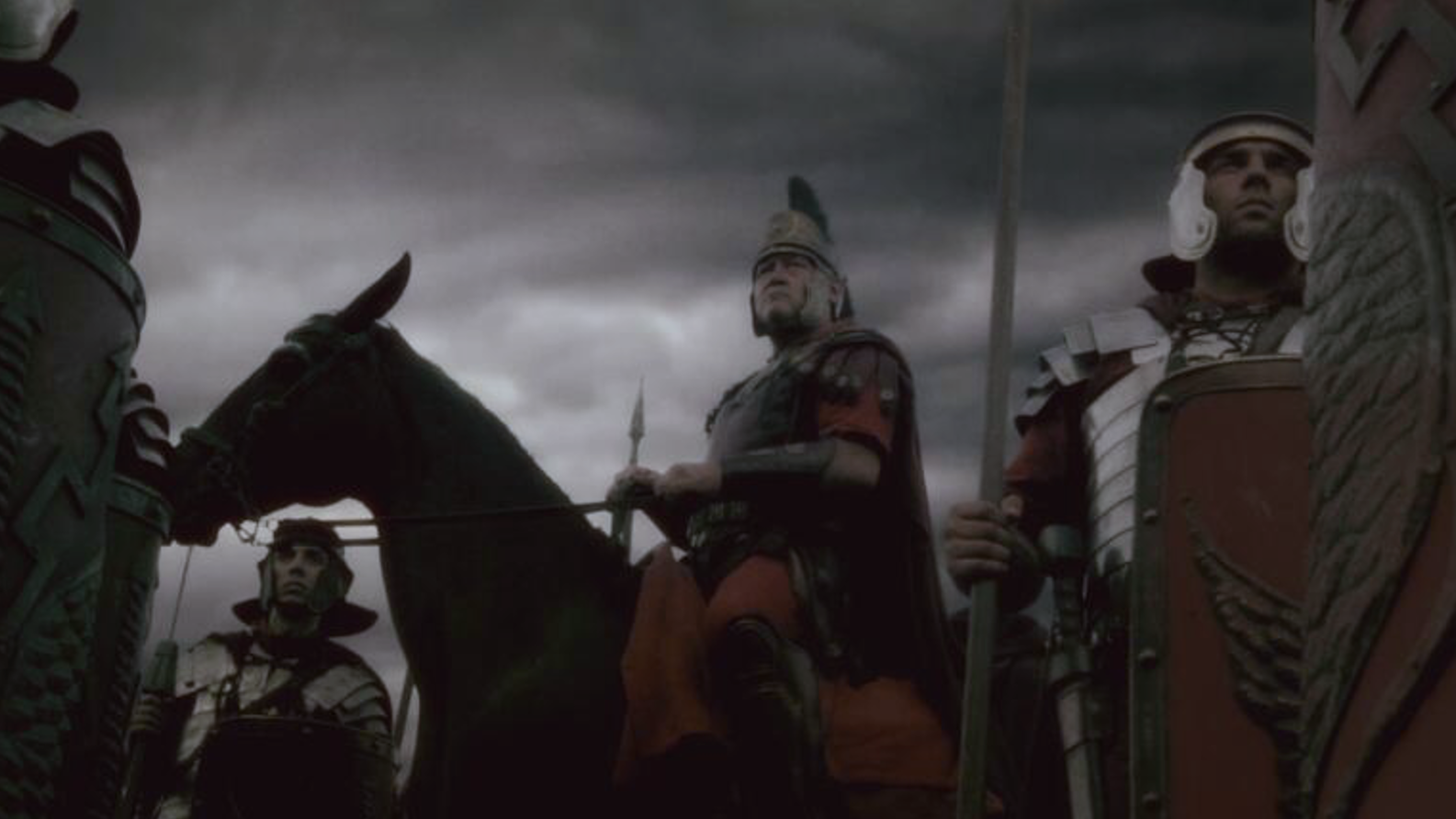
"The Fall," by contrast, moves away from the glory of conquest to examine the systemic vulnerabilities of an authoritarian state. It explores the zenith of the Empire under the "Five Good Emperors," specifically Trajan and Marcus Aurelius, before detailing the rapid degradation that followed. The documentary argues that the seeds of destruction were sown during these periods of relative stability, as the state became increasingly reliant on the personality and competence of a single leader, rather than robust institutions.
Chronology of Decay: From Aurelius to the Abyss
The documentary does not shy away from the darker chapters of Roman history. A focal point of the second installment is the transition from the philosophical rule of Marcus Aurelius to the erratic, chaotic reign of his son, Commodus.
Historians often point to the death of Marcus Aurelius as the psychological turning point for the Empire. By breaking the tradition of adopting a capable successor, Aurelius left the throne to his biological son—a decision that arguably signaled the beginning of the end. The film posits that the fundamental weakness of the Roman state was its reliance on hereditary succession, which frequently placed the fate of millions in the hands of individuals ill-equipped for the burdens of absolute power.
The documentary further contextualizes this decline by examining external pressures. It catalogs the confluence of disasters that battered the Empire: the relentless pressure of barbarian invasions on the frontiers and the devastating impact of the plague. These were not merely "bad luck"; they were stressors that exposed the structural rot of an empire that had grown too large to manage and too brittle to adapt.

Supporting Data: Why History Still Matters
Why do modern audiences remain obsessed with Rome? The answer, according to the creators of this documentary, lies in the uncanny parallels between the Roman experience and contemporary global politics. The study of Rome is, in essence, the study of the limitations of empire.
The documentary provides an insightful look at the economic instability caused by over-expansion. As the costs of maintaining the frontier grew, the debasement of the Roman currency became a primary tool for state funding—a move that triggered rampant inflation and eroded the middle class. By drawing these lines between the Roman economy and modern fiscal crises, the film elevates itself from a standard historical recap to a relevant political commentary.
Furthermore, the "Fall" section utilizes modern analytical techniques to visualize the administrative overstretch of the Roman bureaucracy. The reliance on centralized authority meant that when the capital was in turmoil, the provinces suffered. This disconnect between the Roman heartland and its periphery remains a foundational lesson for any nation with global reach.
Official Perspectives and Expert Insight
The production features a robust lineup of narrators, including Sam Mercurio, Leif Anders, and Paul Bicknell, among others. By employing multiple voices, the documentary avoids the trap of a singular, biased perspective, instead offering a multifaceted view of the historical events.

The scholarly consensus presented in the film—that Rome did not "fall" in a single day, but rather eroded over centuries—is a vital nuance. The documentary addresses the FAQ surrounding the exact date of the collapse, pointing to AD 476 and the deposition of Romulus Augustulus as a symbolic end-date, while acknowledging that the structural integrity of the Empire had been compromised long before.
Implications for the Modern World
The overarching thesis of The Rise and Fall of the Roman Empire is a warning. It suggests that authoritarianism, even when managed by ostensibly "good" emperors, eventually creates a vacuum of leadership that can be filled by incompetence. The documentary challenges viewers to consider what modern nations have in common with the Rome of the 2nd and 3rd centuries: the tendency toward military overreach, the struggle to integrate diverse populations, and the fragility of democratic institutions under the pressure of populist, autocratic leadership.
By watching this series, viewers are invited to see beyond the marble statues and the epic battle scenes. They are asked to look at the logistical failures, the missed opportunities for reform, and the pride that preceded the fall.
How to Access the Documentary
The Rise and Fall of the Roman Empire is scheduled to premiere on the History Channel in the U.S. on Wednesday, May 27, at 8 p.m. ET/PT. For those who have cut the cord, the documentary will be accessible via several live TV streaming services, including:

- YouTube TV: Offers a 21-day free trial, which is an ideal way to watch the premiere without an upfront cost.
- Sling TV: A flexible option for those looking to keep their cable-like experience without the long-term commitment.
- Hulu with Live TV & DirecTV: Both platforms will carry the History Channel broadcast.
For viewers residing outside of the United States, or for those currently traveling abroad, the content may be geo-restricted. In such cases, utilizing a reputable VPN (Virtual Private Network) is the standard solution. By connecting to a U.S.-based server through a service like NordVPN, users can bypass regional restrictions and ensure they do not miss the premiere of this significant documentary event.
A Note on Nomenclature
Potential viewers should be aware that there are multiple historical series sharing similar titles, including older documentaries on the History Channel. This specific production is the 2026 two-part documentary. Ensure you are selecting the correct title to avoid confusion with archival content.
Final Reflections
As we look toward the future, the lessons of Rome remain as relevant as ever. Whether viewed as a cautionary tale or a masterclass in geopolitical strategy, The Rise and Fall of the Roman Empire is essential viewing for anyone interested in the machinery of history. It reminds us that no power is truly eternal and that the strength of a nation lies not in its borders, but in the wisdom and stability of its foundations.
Whether you are a professional historian or a casual enthusiast, the 2026 History Channel event promises to provide a refreshed, critical look at the empire that defined the Western world. Mark your calendars for May 27 and prepare to examine the ghosts of the past, for they may be closer to our present than we care to admit.












No comments yet. Be the first to join the conversation!