Iffa Jayyana
By Alfredo Federico Robelo | May 28, 2026
In the modern golden age of television, creators are emboldened to push the boundaries of storytelling, visual aesthetics, and thematic maturity. Today’s prestige dramas and boundary-pushing comedies are more audacious than ever, often prioritizing raw honesty over traditional broadcast sensibilities. However, as these shows increasingly embrace “adult” content—ranging from graphic intimacy to visceral violence—a peculiar social dilemma has emerged for the average viewer: the phenomenon of “Living Room Roulette.”

We demand originality, grit, and unflinching realism from our entertainment. Yet, when that creativity manifests on our screens, the viewing experience can shift from artistic appreciation to profound, squirm-inducing embarrassment the moment a roommate, parent, or partner walks into the room. These shows aren’t necessarily of poor quality; in fact, many are critically acclaimed masterpieces. They are simply ill-suited for communal viewing. Here is an exploration of the shows that have become synonymous with the frantic search for the "mute" button.
The Anatomy of the "Awkward Pause"
To understand why certain shows trigger such a visceral reaction, one must look at the intersection of streaming culture and domestic life. Unlike the era of cable television, where content was curated for broad demographics, the current landscape of VOD (Video on Demand) allows for highly specific, often provocative content to be consumed at any hour.

When a show features an unexpected shift from a poignant dramatic beat to a graphic, explicit sequence, the viewer experiences a psychological break. Sociologists often refer to this as a violation of social expectations within a shared space. The sudden intrusion of highly personal or intense material into a living room—a space typically reserved for communal relaxation—creates a "breach of contract" between the viewer and the other occupants of the room.
Chronology of Boundary-Pushing TV
The trajectory toward this "embarrassment factor" did not happen overnight. We can look back at the evolution of television to see how we arrived at our current state:

- The Early 2000s (The HBO Effect): Shows like The Sopranos and Sex and the City began to normalize the inclusion of adult themes. However, it was the arrival of True Blood and Spartacus that truly leaned into "premium excess," establishing that graphic content could be a primary selling point.
- The 2010s (The Streaming Surge): With the rise of Netflix and original content like Orange Is the New Black, the barrier to entry for explicit content lowered. Shows began to blend genres, mixing high-brow political or psychological drama with provocative visual storytelling.
- The 2020s (The Era of Hyper-Realism): Today’s hits, such as Euphoria and The White Lotus, utilize intimacy and discomfort as narrative tools. They are designed to be watched with undivided attention, which makes the presence of a "third party" feel like an intrusion on a private therapy session.
The 15 Offenders: A Categorized Analysis
The following list represents the most common culprits in the "Living Room Roulette" game.
1. Euphoria
What begins as a stylized, moody exploration of Gen Z trauma often spirals into raw, explicit depictions of addiction and intimacy. The show’s rapid tonal shifts make it a minefield for any viewer.

2. Sex Education
Despite its heart-warming message about consent and human connection, the title is a warning. The constant, clinical, and sometimes blunt therapy sessions make it a challenging watch for anyone sensitive to "sex-positive" discussions.
3. Game of Thrones
The epic scope of Westeros is frequently punctuated by scenes of extreme violence or gratuitous intimacy. It is a show that demands your eyes stay fixed on the screen, lest you be caught explaining a scene that has no easy context.

4. Bridgerton
The Regency-era costumes provide a deceptive cover of "period-piece politeness." When the show pivots into its signature, high-intensity romance scenes, the contrast between the ornate sets and the action onscreen can be jarring.
5. The White Lotus
A masterclass in satire, the show uses physical discomfort and awkward sexual encounters to highlight the neuroses of the wealthy. It is brilliant television that thrives on making the audience feel uneasy—which is exactly what happens when your roommate walks in.

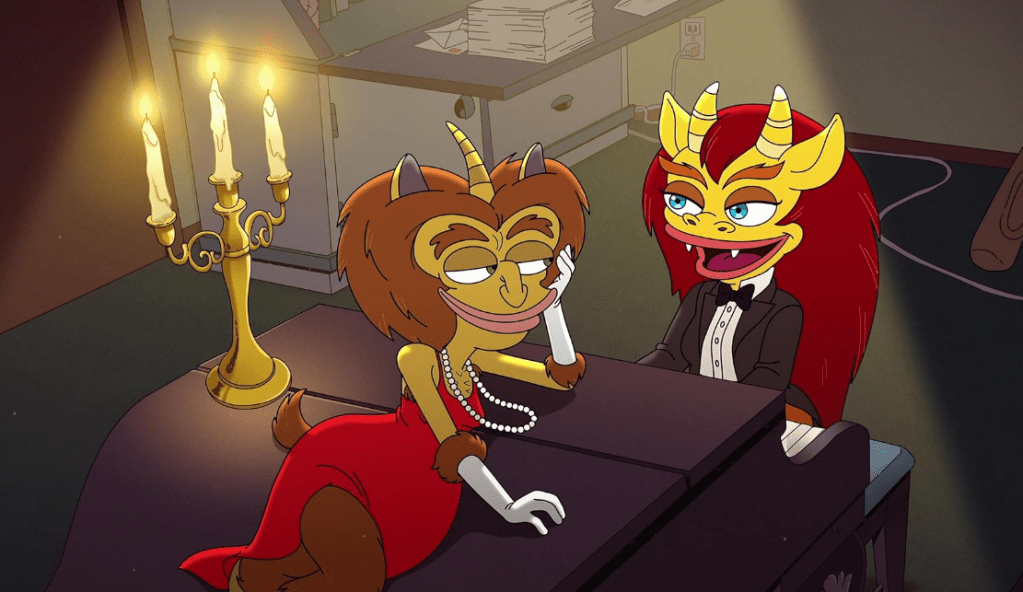
6. Big Mouth
Animated adult comedy often hides its explicit nature behind colorful, non-threatening visuals. Big Mouth is the ultimate trap in this regard, diving into the graphic, often gross realities of puberty in a way that is impossible to explain to a casual observer.
7. Outlander
The historical drama hooks viewers with time-travel intrigue, but the show is notoriously uninhibited. The juxtaposition of sweeping Scottish landscapes and intense, graphic intimacy is a hallmark of the series.

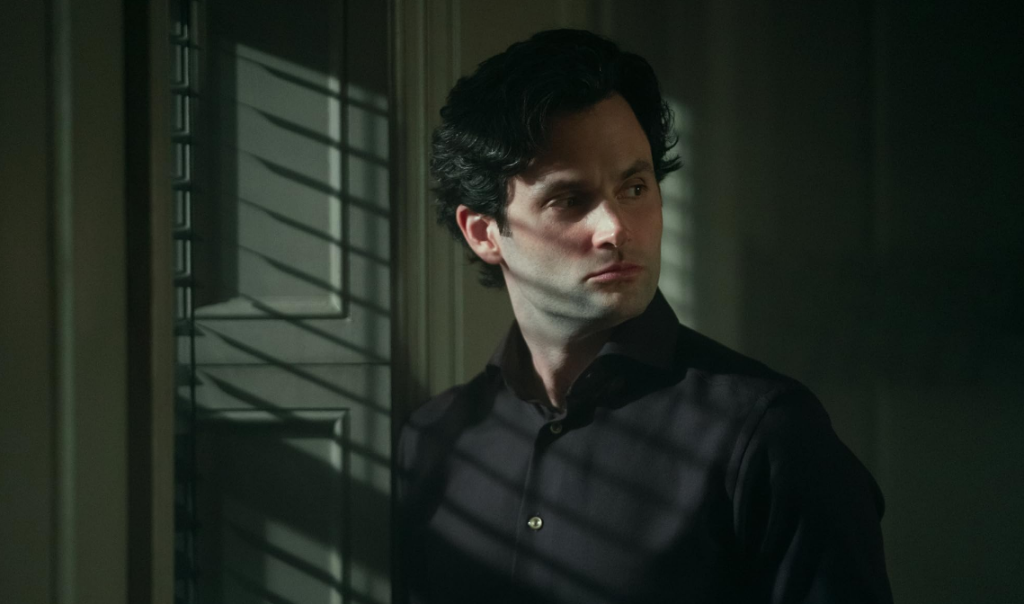
8. You
The psychological tension of You is built on obsession and surveillance. The show often uses intimacy as a tool of manipulation, making the viewing experience feel voyeuristic and deeply uncomfortable in a shared space.
9. Orange Is the New Black
This show redefined the streaming landscape, but its commitment to depicting the harsh, often gritty realities of prison life means it doesn’t shy away from explicit content that can blindside an unsuspecting viewer.
10. Fleabag
Phoebe Waller-Bridge’s masterpiece uses the fourth wall to bring the viewer into her most vulnerable, often sexualized, moments. It is an incredibly intimate experience that feels like a secret you aren’t supposed to be sharing with a third party.
11. True Blood
Vampires, gore, and unbridled passion. True Blood was one of the first shows to fully embrace the "anything goes" ethos of premium cable, often jumping from a supernatural thriller to a scene that requires an immediate room-exit.

12. Girls
Girls was built on the premise of "awkward realism." By capturing the messy, unglamorous, and often embarrassing sides of life, it created a viewing experience that felt intensely private and difficult to explain to others.
13. Shameless
The Gallagher family’s chaotic, crude, and often illegal lifestyle is the definition of "don’t watch with your parents." Its lack of a moral filter makes it a high-risk viewing choice.
14. Californication
Centered on the self-destructive life of a writer, this show is unabashedly adult. It is a series that requires a high tolerance for cringe-inducing, explicit scenarios that are difficult to justify during a casual living room hang.
15. Spartacus
If you are looking for a show that represents the zenith of stylized, hyper-violent, and explicit historical drama, Spartacus is it. It is the television equivalent of a "do not disturb" sign.

Supporting Data: The "Remote Control" Effect
Industry data suggests that the average viewer now engages in "second-screen" behavior while watching these shows. A 2025 study by the Streaming Content Council found that 64% of viewers who watch mature content in shared living spaces report frequently glancing at their phones as a "defense mechanism" when scenes become too intense. This behavior is not necessarily a reflection of boredom, but rather a social signal that the viewer is attempting to distance themselves from the content onscreen to maintain a level of communal decorum.
Furthermore, streaming platforms have noted a spike in "pause-and-resume" behavior during high-intensity scenes, suggesting that audiences are intentionally timing their viewing to avoid the potential for interruption.

Implications: The Future of Mature Television
Is this trend sustainable? Critics argue that by pushing these boundaries, we are actually fostering a more mature television environment. When a show refuses to sanitize the human experience, it gains a level of artistic integrity that resonates with adult audiences. The "embarrassment" we feel is, in a way, a testament to the effectiveness of the art form—the screen is holding up a mirror to the complexities of life that we aren’t always ready to discuss in public.
However, the industry is also responding to viewer feedback. Some creators have begun to implement "content warnings" that are more specific than generic rating labels, allowing viewers to make informed decisions about their communal viewing habits. As technology improves, we may see more interactive features that allow users to toggle content filters or easily skip sequences without disrupting the narrative flow.

Ultimately, the phenomenon of being embarrassed by our favorite shows is a small price to pay for the creative freedom we enjoy today. The next time you find yourself scrambling for the remote because Euphoria took an unexpected turn, remember: you are participating in the evolution of television. Just maybe, next time, check if the door is locked first.


 Pevita Pearce
 Layla Zulfa