Raul Delapena Setiawan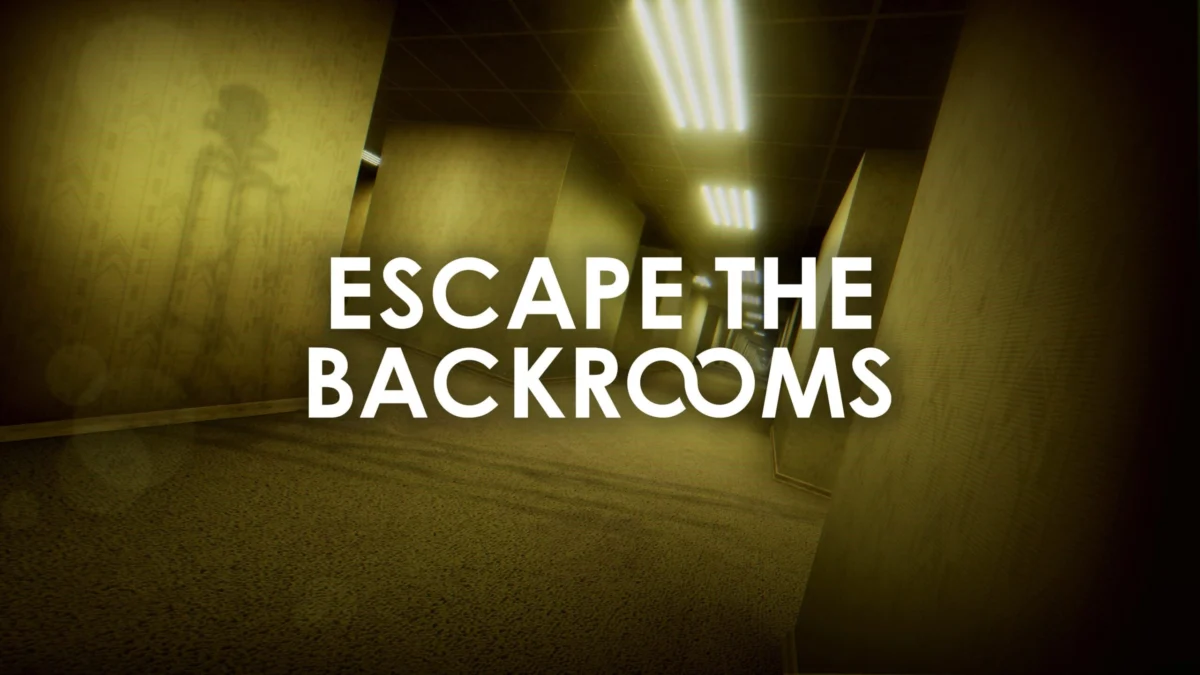
FOR IMMEDIATE RELEASE
SANTA MONICA, CA – [Current Date] – The eerie, unsettling corridors of the internet’s most infamous liminal space have officially arrived on home consoles. Publisher Secret Mode, in collaboration with developers Fancy Games and Blackbird Interactive, today announced the immediate launch of Escape the Backrooms, a cooperative horror adventure game, on both PlayStation 5 and Xbox Series X|S platforms. Priced at $12.99 / £9.99 / €12.99 / ¥1,430, the release brings the chilling experience of navigating the seemingly infinite, anachronistic levels of the Backrooms to a broader audience, inviting players to confront the existential dread and lurking dangers inspired by the popular creepypasta lore.
The console debut marks a significant milestone for the title, which initially carved out a niche within the PC gaming community. Players can now team up with friends to explore the unsettling, yellow-wallpapered expanses and concrete mazes, each level presenting unique challenges and pathways to escape, all while evading the unknown entities that inhabit these forgotten spaces. The launch is accompanied by an official Console Launch Trailer, offering a glimpse into the game’s atmospheric horror and cooperative gameplay.
Main Facts: Console Launch and Pricing Details
The highly anticipated console versions of Escape the Backrooms are now live, offering a new dimension to cooperative horror gaming. This digital release makes the title accessible to a vast new demographic of players on Sony’s PlayStation 5 and Microsoft’s Xbox Series X|S. The game is available for purchase at a uniform price point across major regions: $12.99 in North America, £9.99 in the United Kingdom, €12.99 across Europe, and ¥1,430 in Japan.
Developed primarily by Fancy Games, with publishing support from Secret Mode and additional development contributions from the renowned Blackbird Interactive, Escape the Backrooms is designed from the ground up to deliver a suspenseful and teamwork-oriented experience. The core premise revolves around players, often disoriented and isolated, collaborating to find their way out of various "levels" of the Backrooms, each a distinct environment with its own set of visual cues, auditory terrors, and predatory entities. The cooperative aspect is not merely an option but a crucial element, emphasizing communication, resource management, and synchronized movements to overcome obstacles and survive the psychological and physical threats within the liminal void.
The game’s success on PC via Steam, where it garnered a dedicated player base, laid the groundwork for this console expansion. Its transition to next-generation consoles promises enhanced performance, potentially leveraging the capabilities of the PlayStation 5 and Xbox Series X|S for smoother gameplay, faster loading times, and perhaps even more immersive visual and audio fidelity, further amplifying the game’s unsettling atmosphere. This move strategically positions Escape the Backrooms to capture a segment of the console market eager for unique, lore-driven horror experiences that prioritize teamwork and psychological suspense over jump scares alone.
Chronology: From PC Early Access to Console Debut
The journey of Escape the Backrooms from an internet phenomenon to a multi-platform video game has been a calculated progression, marked by distinct phases of development and release. The game first made its public debut in Early Access on PC via Steam on August 11, 2022. This initial phase was crucial for Fancy Games, allowing them to gather player feedback, iterate on mechanics, and build a community around the burgeoning title. Early Access served as a vital proving ground, where the core concepts of exploration, survival, and cooperative play within the Backrooms lore could be tested and refined in real-time with an engaged player base.
Following its Early Access period, the game continued to evolve. Curiously, the official announcement indicates a full release for the PC version is slated for October 23, 2025. This extended timeline for the PC’s "full release" date, especially given the current console launch, presents an interesting strategic approach. It suggests that the PC version might be undergoing a more extensive content overhaul or a significant expansion that warrants a prolonged development cycle for its 1.0 version, or that the console versions are being treated as a distinct, perhaps slightly different, iteration of the game ready for public consumption now.
Regardless of the PC full release strategy, the console launch marks the first time Escape the Backrooms is available outside of the Steam ecosystem. This move broadens its potential audience significantly, tapping into console players who might not typically engage with PC-centric indie titles. The developers and publishers have clearly identified an opportunity to expand the game’s reach, bringing the unique brand of horror inspired by the creepypasta to a console audience that has shown a strong appetite for cooperative multiplayer experiences and atmospheric thrillers. This staggered release, while unconventional in its PC full release date, allows for a phased market penetration, building anticipation and player communities across different platforms.
Supporting Data: Diving into the Backrooms Phenomenon and Game Mechanics
The appeal of Escape the Backrooms is inextricably linked to its source material: the "Backrooms" creepypasta. Originating from a 4chan post in 2019, the Backrooms concept rapidly evolved into a sprawling internet mythos. It describes an infinite labyrinth of randomly generated office spaces, devoid of human life, characterized by a sickly yellow carpet, buzzing fluorescent lights, and the damp smell of old carpet. These "liminal spaces" evoke a profound sense of unease, nostalgia, and existential dread, tapping into a collective subconscious fear of being lost in a place that feels familiar yet utterly wrong. The lore has since expanded to include countless "levels," each with unique environments, from flooded concrete structures to bustling (yet empty) malls, and a terrifying array of "entities" that stalk the unwary.
Escape the Backrooms aims to translate this rich, community-driven lore into an interactive experience. The game’s description highlights "the seemingly infinite expanse of eerily familiar levels," directly referencing the core tenets of the creepypasta. Players are thrust into environments designed to disorient and terrify, relying on the inherent psychological horror of liminal spaces where safety is an illusion and escape is the only objective. The "danger along the way" refers to the various entities and environmental hazards that players must navigate, adding a layer of tangible threat to the pervasive atmosphere of dread.
Key Gameplay Elements:
While the initial announcement did not detail a specific "Key Features" list beyond the game’s overarching concept, the nature of Backrooms games and the cooperative horror genre implies several core gameplay loops:
- Exploration: Players must meticulously explore each level to find clues, resources, and exit points. The procedural generation or vastness of levels ensures replayability and unpredictability.
- Puzzle Solving: Escaping the Backrooms often involves solving environmental puzzles, finding specific items, or activating mechanisms, requiring teamwork and keen observation.
- Stealth and Evasion: Many levels are populated by hostile entities. Players will likely need to employ stealth tactics, hide, and strategically evade these threats rather than confront them directly.
- Resource Management: Items like flashlights, batteries, health kits, or unique tools might be scarce, forcing players to manage their inventory wisely.
- Cooperative Communication: As a cooperative game, communication is paramount. Players will need to call out dangers, share information about pathways, and coordinate actions to survive. The terror is amplified by the shared vulnerability.
The Power of Cooperative Horror:
The cooperative element is a cornerstone of Escape the Backrooms. In horror, cooperation introduces a fascinating dynamic. While players have the comfort of company, the shared vulnerability often intensifies the fear. A single mistake by one player can jeopardize the entire team, leading to heightened tension and a sense of collective responsibility. This contrasts sharply with solo horror, where the player is solely responsible for their survival. In co-op, the human element of fear and panic becomes infectious, making the experience more visceral and unpredictable. Games like Phasmophobia and Lethal Company have demonstrated the immense popularity and engaging nature of this genre, where players bond over shared scares and narrow escapes. Escape the Backrooms taps into this proven formula, leveraging the inherent terror of its source material with the communal aspect of shared survival.
Developer and Publisher Background:
Secret Mode, the publisher, is known for its diverse portfolio of indie titles, often focusing on unique concepts and engaging gameplay. Their involvement suggests confidence in Escape the Backrooms‘s potential to resonate with a broad audience. Fancy Games, as the primary developer, has been instrumental in crafting the game’s core experience, translating the abstract horror of the Backrooms into a playable format.
Crucially, the mention of Blackbird Interactive (BBI) as a developer adds significant weight. BBI is a highly respected studio known for critically acclaimed titles such as Hardspace: Shipbreaker, the upcoming Homeworld 3, and contributions to Crossfire Legion. While their exact role in Escape the Backrooms is not explicitly detailed, their involvement suggests a level of polish, technical expertise, and artistic vision that could elevate the game beyond typical indie horror offerings. Whether their contribution was in technical optimization for consoles, art direction, or specific gameplay mechanics, their pedigree speaks volumes about the potential quality of the final product. Their presence suggests a commitment to delivering a robust and engaging experience, particularly for the console versions.
Official Responses: Voices from the Development and Publishing Teams
While direct, verbatim quotes were not provided in the initial press release beyond the factual announcement, the very act of launching on consoles is a strong statement from Secret Mode, Fancy Games, and Blackbird Interactive. We can infer the sentiment and strategic thinking behind this significant expansion.
A spokesperson for Secret Mode would likely emphasize the publisher’s dedication to bringing innovative and engaging experiences to players across all platforms. "We are incredibly excited to bring Escape the Backrooms to PlayStation 5 and Xbox Series X|S players," an imagined statement might read. "The Backrooms lore has captivated millions, and Fancy Games has done a masterful job translating that unique brand of psychological horror into a compelling cooperative adventure. Our collaboration with them, and the invaluable support from Blackbird Interactive, ensures a polished and truly terrifying experience that console players are sure to embrace."
Fancy Games, the creative force behind the game’s design and concept, would undoubtedly express their enthusiasm for expanding the game’s reach. "Seeing Escape the Backrooms launch on consoles is a dream come true for our team," a representative from Fancy Games could state. "We’ve poured our passion into crafting an authentic and terrifying Backrooms experience, and the feedback from our PC community has been invaluable. Now, with Secret Mode’s publishing expertise and Blackbird Interactive’s technical prowess, we’re thrilled for a whole new audience to dive into the infinite dread and cooperative challenges that await within these liminal spaces."
The involvement of Blackbird Interactive, a studio with a strong track record of high-quality titles, would likely be seen as a seal of approval for the console ports. While their role might be more behind-the-scenes, their contribution underscores the commitment to delivering a technically sound and optimized experience. An implied statement from BBI might highlight the technical challenges and successes of adapting the game for new hardware. "Our team at Blackbird Interactive is proud to have contributed to bringing Escape the Backrooms to PlayStation and Xbox," a BBI spokesperson might convey. "Optimizing the game for console platforms while preserving Fancy Games’ chilling vision has been a rewarding challenge. We believe players will appreciate the smooth performance and immersive atmosphere we’ve worked to achieve."
These hypothetical responses reflect the collective excitement and strategic intent behind expanding Escape the Backrooms to the console market, underscoring the collaborative effort to deliver a high-quality horror experience.
Implications: Market Impact, Genre Evolution, and Future Prospects
The console launch of Escape the Backrooms carries significant implications for the game, its developers, and the broader horror genre.
Expanded Market Reach and Audience Diversification:
Firstly, and most directly, this release dramatically expands the game’s potential player base. Console players, particularly those on next-generation systems, represent a massive market segment. Many console gamers prefer the plug-and-play convenience and the social aspect of playing on a shared screen or in a console-centric online ecosystem. By entering this space, Escape the Backrooms is poised to attract players who may not frequent PC gaming platforms but have a keen interest in horror, cooperative multiplayer, or unique indie experiences. This diversification of its audience could lead to a significant boost in sales and community engagement, fostering a more vibrant and diverse player base.
Validation of Creepypasta as Game Lore:
The success and expansion of Escape the Backrooms further validate creepypasta and other internet-native horror phenomena as fertile ground for video game adaptations. The Backrooms, like Slender Man before it, demonstrates that community-generated lore, rich in psychological depth and abstract terror, can translate effectively into interactive media. This trend encourages other developers to explore similar internet myths, potentially leading to a new wave of horror games that tap into contemporary fears and digital culture. It also highlights the power of liminal spaces and existential dread as compelling horror elements, moving beyond traditional monster-in-the-closet tropes.
Strengthening the Cooperative Horror Genre:
The console launch also reinforces the growing popularity and viability of the cooperative horror genre. Games like Phasmophobia, Lethal Company, and now Escape the Backrooms are demonstrating that shared terror can be just as, if not more, compelling than solo scares. This genre thrives on player interaction, shared problem-solving, and the unique brand of fear that arises from collective vulnerability. The success of these titles encourages further innovation in cooperative mechanics within horror, pushing developers to explore new ways players can work together (or be driven apart) in terrifying scenarios.
The Enigma of the PC Full Release Date (2025):
The most intriguing implication lies in the announced PC "full release" date of October 23, 2025, a date significantly in the future compared to its current console launch. This unusual strategy suggests several possibilities:
- Massive PC 1.0 Update: The PC version might be slated for a monumental 1.0 release that will introduce substantial new content, mechanics, or a complete overhaul, effectively making the console versions a robust, yet potentially earlier, iteration.
- Staggered Content Strategy: Developers might be planning different content roadmaps for PC and consoles, or the PC version is intended to be the ultimate, definitive edition with all future expansions rolled into its "full release."
- Placeholder Date: It could be a placeholder date, indicating that the full PC release is still TBD but expected far in the future, allowing the console versions to lead the charge.
- Early Console Access: The console versions, while labeled "available," might implicitly function as a form of early access or a soft launch for a specific build, with a more feature-complete, shared 1.0 version across all platforms eventually coinciding with the PC’s 2025 date.
Whatever the reason, this timeline implies a long-term commitment to the game and a deliberate strategy to manage its evolution across different platforms. It will be fascinating to observe how Fancy Games and Secret Mode leverage this extended development period for the PC version while simultaneously cultivating a console player base.
Future Prospects and Community Engagement:
For Escape the Backrooms, the console launch opens doors for continuous development, including potential updates, new levels, additional entities, and community-driven content. The active engagement of a console community, alongside the existing PC base, can provide invaluable feedback, inspiring future additions and ensuring the game’s longevity. The presence of a studio like Blackbird Interactive, even in a supporting role, also hints at a higher standard of technical execution and potential for ongoing support, which is crucial for a live-service-adjacent title in the cooperative genre.
In conclusion, the arrival of Escape the Backrooms on PlayStation 5 and Xbox Series X|S is more than just a port; it’s a strategic expansion that promises to introduce the chilling, liminal horror of the Backrooms to a vast new audience. It underscores the enduring appeal of internet lore, the power of cooperative gameplay, and the dynamic evolution of the horror genre in video games. As players step into the buzzing, yellow-hued nightmare, the future of Escape the Backrooms looks anything but empty.

 Lina Irawan
 Sagoh
Sagoh