Lina Hope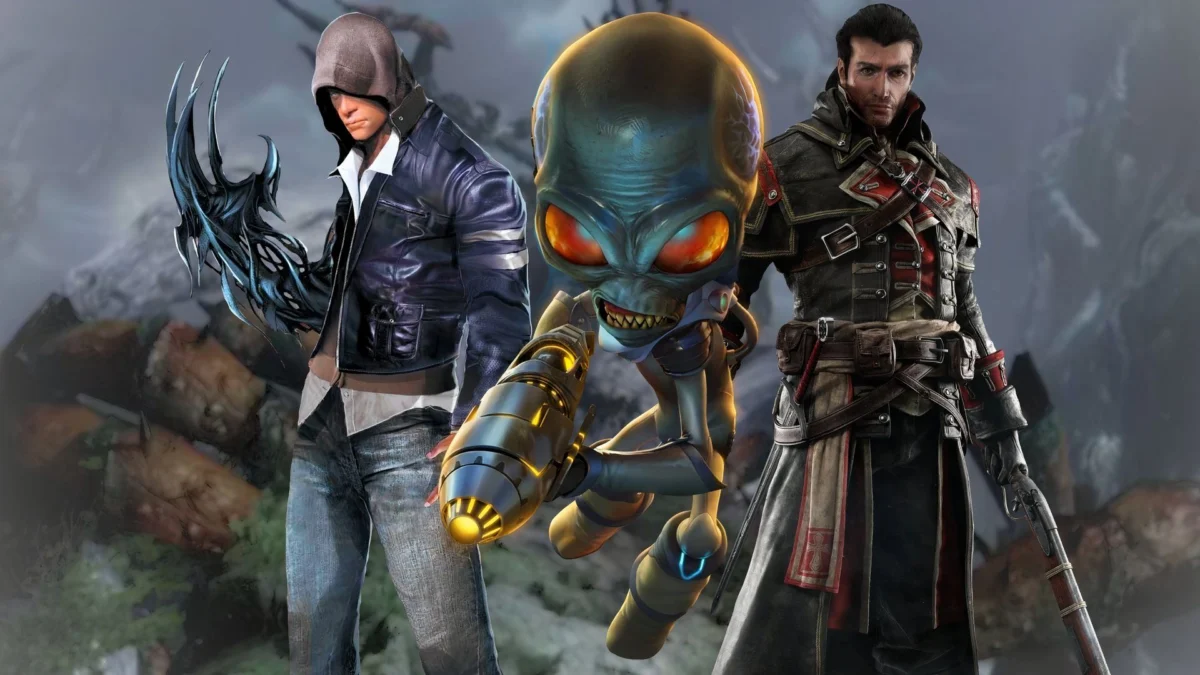
By Eric Warner, Staff Writer
Published: May 28, 2026, 8:30 AM EDT
In the grand tapestry of adventure gaming, heroic figures like Link from The Legend of Zelda and Batman from the Arkham series often dominate the narrative landscape. Their unwavering courage and moral compass guide players through intricate worlds and challenging quests. However, a fascinating subset of the genre dares to defy this convention, offering players the chance to step into the morally ambiguous, and often outright villainous, shoes of characters who operate outside the bounds of traditional heroism. These games delve into the darker aspects of human (and non-human) nature, exploring themes of revenge, ambition, and the corrupting influence of power.
This exploration into the darker side of gaming is not merely a novelty; it offers a unique lens through which to examine complex moral quandaries and the psychological motivations behind malevolent actions. By allowing players to embody characters who eschew altruism, developers can craft narratives that are more provocative, challenging, and ultimately, more memorable. This article will delve into ten such adventure games that empower players to embrace their inner villain, dissecting the mechanics, narratives, and lasting impact of these unconventional protagonists.
The Darker Side of Adventure: A Genre Reimagined
Adventure games, by their very nature, invite players into immersive worlds, encouraging exploration and interaction with a rich narrative. While the archetypal hero embarks on quests for justice and the greater good, the games featured here subvert this expectation. They present protagonists who are driven by personal vendettas, insatiable hunger for power, or a twisted sense of purpose. This shift in perspective allows for a deeper exploration of the consequences of unchecked ambition and the intricate justifications that can accompany morally reprehensible acts.
These titles don’t shy away from depicting the brutal realities of their characters’ actions. Players often wield immense power, capable of causing widespread destruction and suffering. The appeal lies not in simply being "evil," but in understanding the motivations, the internal struggles (or lack thereof), and the impact these characters have on their respective worlds. This approach allows for a more nuanced understanding of villainy, moving beyond simplistic portrayals to explore the complexities that drive individuals to the dark side.
I. Star Wars: The Force Unleashed – The Wrath of Starkiller
Published: 2008
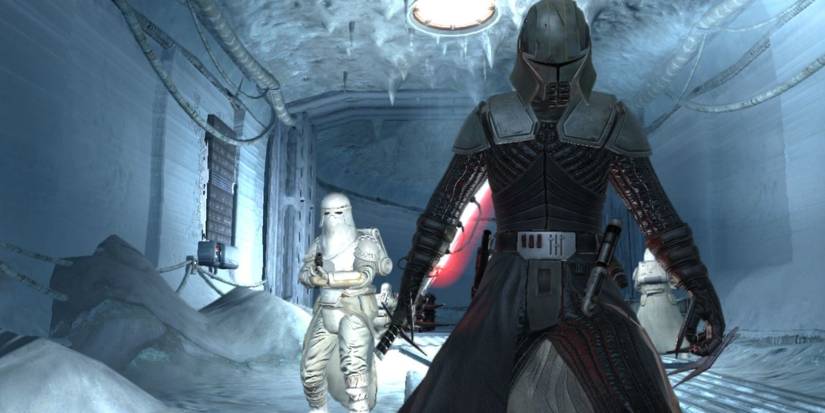
In the vast and beloved Star Wars universe, players are typically cast as valiant Jedi Knights or resourceful Rebel pilots. Star Wars: The Force Unleashed boldly deviates from this norm by placing players in the role of Starkiller, Darth Vader’s secret apprentice. This pivotal game, set between Revenge of the Sith and A New Hope, thrusts players into a galaxy where the Galactic Empire reigns supreme, and the embers of rebellion are being ruthlessly extinguished.

The Narrative Arc:
Starkiller’s journey is one of brutal efficiency and morally compromising missions. Dispatched by Vader, his primary objective is to hunt down and eliminate any surviving Jedi and nascent rebel cells that pose a threat to the Emperor’s iron grip. The narrative masterfully weaves a tale of manipulation, where Starkiller, a powerful Force-wielding assassin, is a pawn in Vader’s larger game.
Embracing the Dark Side:
While Starkiller is an instrument of the Empire, the game’s branching narrative offers players a choice that significantly impacts the Star Wars canon. At the climax, players can choose to either obey Darth Vader or defy him. The "dark side" choice sees Starkiller confronting and ultimately defeating Vader. However, this victory comes at a steep price. Instead of freedom, Starkiller is transformed into a cyborg known as Lord Starkiller, a chilling testament to his subservience to Emperor Palpatine. This dark path has him going on to eliminate key figures like Boba Fett and Obi-Wan Kenobi, and even turning Luke Skywalker to the dark side, showcasing the terrifying potential of a truly corrupted Force user. The game allows players to revel in the destructive power of the dark side, offering a visceral experience of wielding the Force for nefarious purposes.
Supporting Data:
The Force Unleashed was praised for its innovative Force powers and combat system, allowing players to unleash devastating attacks. The ability to ragdoll enemies and manipulate the environment added a layer of chaotic fun to Starkiller’s rampages. The game’s success demonstrated a strong player appetite for experiencing the Star Wars universe from a darker, more powerful perspective.
II. Middle-earth: Shadow of War – Talion and Celebrimbor’s Fall to Darkness
Published: 2017
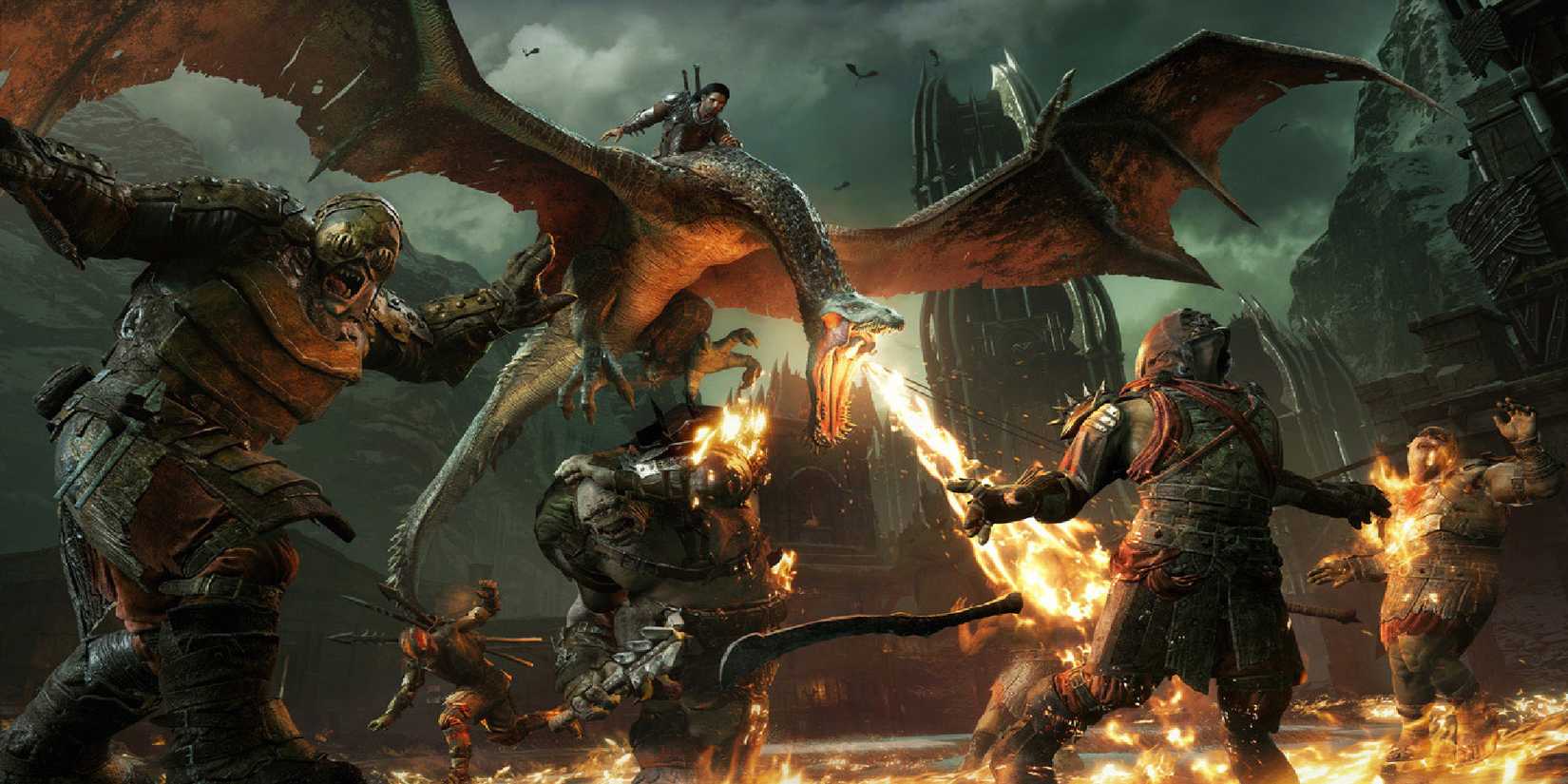
The world of Middle-earth, forever defined by the epic struggle against the forces of darkness, has seen numerous adaptations. While many Lord of the Rings games focus on the valiant heroes defending against Sauron’s tyranny, Middle-earth: Shadow of War offers a unique perspective, delving into the corrupting influence of power and the blurred lines between hero and villain.
The Narrative Arc:
A direct sequel to Middle-earth: Shadow of Mordor, Shadow of War continues the story of Talion, a Ranger possessed by the spirit of the Elf Celebrimbor. Together, they forge a new Ring of Power with the ambitious goal of raising an army to march against Sauron and defend the Free Peoples of Middle-earth. This quest, however, is fraught with peril and moral compromise.
A Reluctant Descent:
The game’s narrative takes a dark turn as it becomes clear that Celebrimbor’s ultimate ambition is not to defeat Sauron, but to supplant him as the "Bright Lord" of Mordor. This revelation exposes Celebrimbor’s manipulative nature and his willingness to sacrifice anything and anyone for ultimate power. Talion, initially a reluctant participant, finds himself increasingly drawn into this darker path. The ultimate consequence of their actions is Talion’s transformation into a Nazgûl, one of Sauron’s most terrifying servants. This descent into darkness is not a straightforward choice but a gradual corruption, making Talion a tragic figure who, in his quest for power, becomes the very thing he fought against. Players witness this transformation firsthand, experiencing the grim reality of succumbing to the allure of absolute control.
Supporting Data:
Shadow of War‘s Nemesis System, a groundbreaking mechanic that generated dynamic enemy AI and relationships, played a crucial role in the narrative’s impact. The system allowed for Orc captains to remember past encounters, develop rivalries, and even betray players, mirroring the treacherous political landscape of Mordor and enhancing the feeling of a personal struggle that could lead to corruption.
III. Shadow of the Colossus – The Cost of Saving One Life
Published: 2005 (Original), 2018 (Remake)
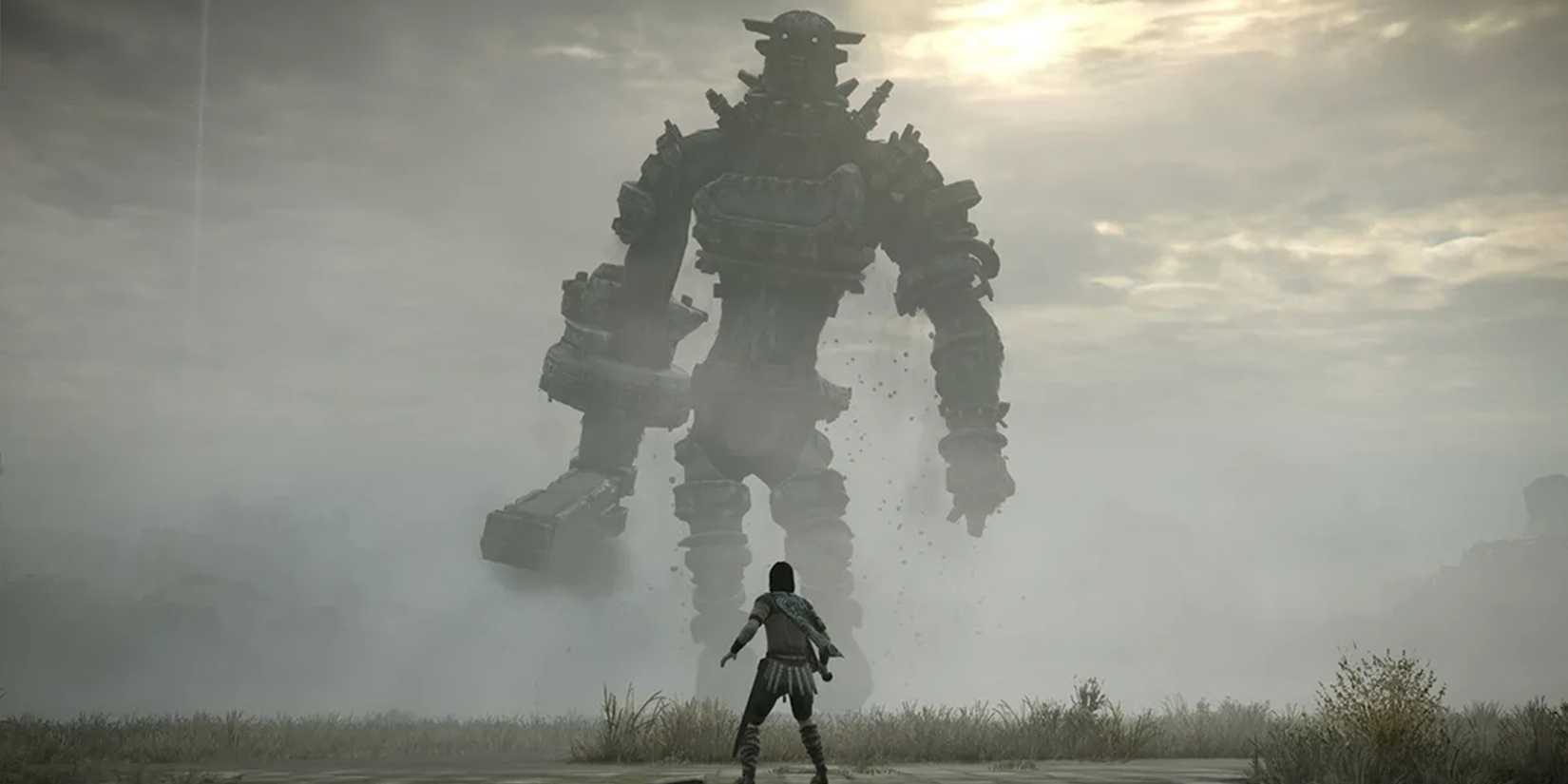
Fumito Ueda’s masterpiece, Shadow of the Colossus, is a game that lingers in the player’s consciousness long after the credits roll. On the surface, it presents a seemingly noble quest: a young hero named Wander ventures into a forbidden land to slay sixteen colossal creatures, the Colossi, in a desperate attempt to resurrect a fallen maiden. However, the game masterfully unravels this heroic facade, revealing a far more sinister truth.
The Narrative Arc:
Wander’s journey is driven by love and desperation. He believes that by defeating the Colossi, he can break a curse and bring his beloved back to life. The game focuses on the awe-inspiring battles against these majestic, seemingly peaceful giants. The act of slaying them is presented as a necessary evil, a sacrifice for a greater good.
The Unveiling of Villainy:
As the game progresses, the player begins to question the morality of Wander’s actions. The Colossi, depicted as ancient and majestic beings, do not attack unless provoked. Their deaths feel increasingly tragic rather than heroic. The true nature of Wander’s quest is revealed in the game’s haunting conclusion. It is not the Colossi who are the monsters, but the entity manipulating Wander. The spirit Dormin, a malevolent force, uses Wander’s love as a means to possess him and escape its confinement. Wander’s heroic sacrifice for love inadvertently facilitates the rise of a new, darker power, transforming him into a horned creature bound to Dormin’s will. The game forces players to confront the unintended consequences of their actions and the possibility that even the most well-intentioned quests can lead to villainous outcomes.
Supporting Data:
The minimalist narrative of Shadow of the Colossus relies heavily on atmosphere and gameplay to convey its story. The sheer scale of the Colossi and the desolate beauty of the Forbidden Lands create a sense of awe and melancholy. The game’s critical acclaim and enduring legacy are a testament to its profound emotional impact and its ability to subvert player expectations.
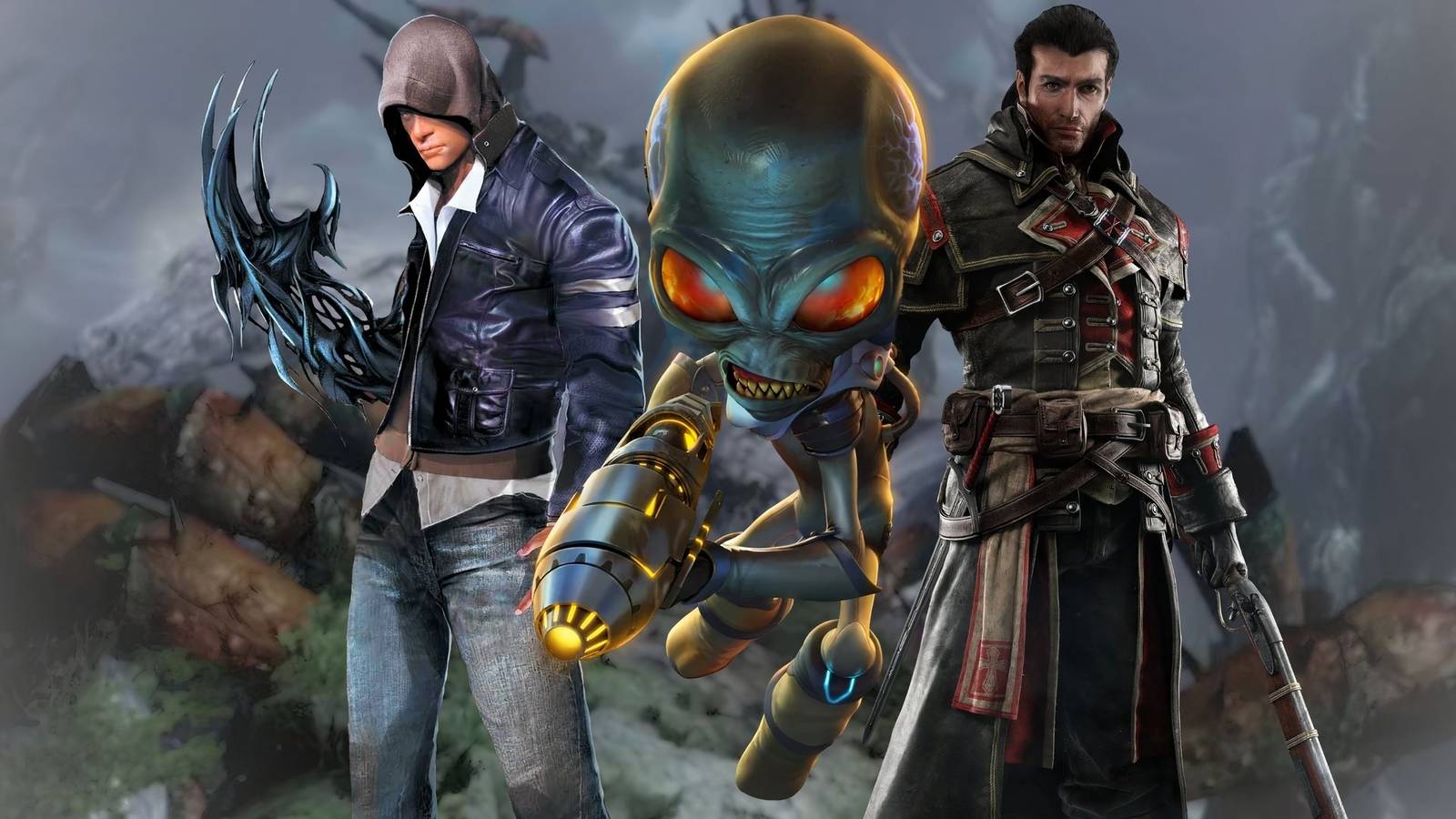
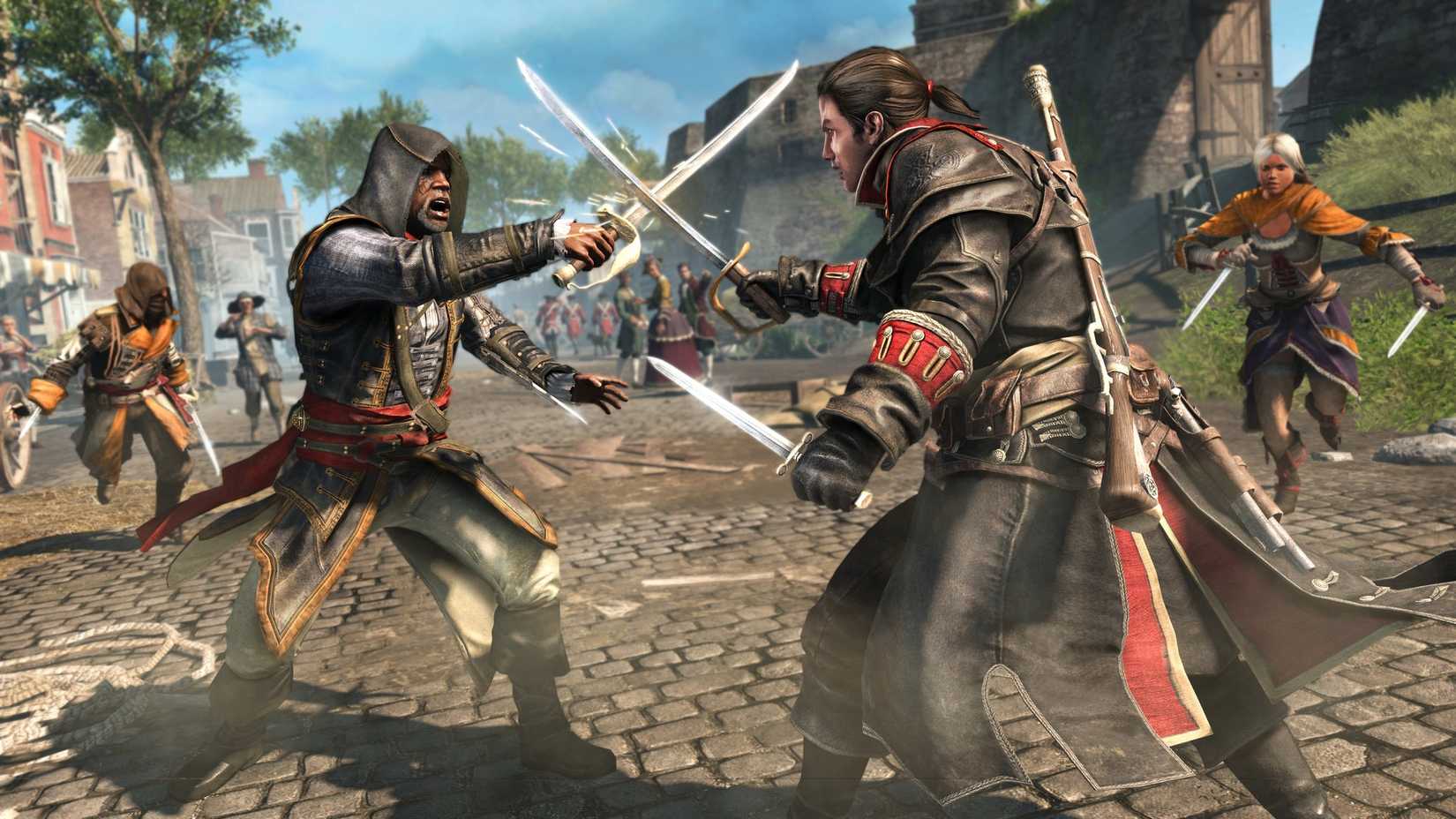
IV. Assassin’s Creed Rogue – Shay Cormac’s Templar Rise
Published: 2014
The Assassin’s Creed franchise has long explored the age-old conflict between the Assassin Brotherhood and the Templar Order. While players have predominantly sided with the Assassins, Assassin’s Creed Rogue offers a radical departure by allowing players to embody a former Assassin who betrays his brotherhood and embraces the Templar cause.
The Narrative Arc:
The game follows Shay Cormac, an ambitious and skilled Assassin operating in the 18th century during the French and Indian War. Initially a loyal member of the Colonial Brotherhood, Cormac begins to question the morality of the Assassins’ methods after a mission goes catastrophically wrong, resulting in the devastating 1755 Lisbon Earthquake.
The Villain’s Perspective:
Cormac’s disillusionment stems from the Assassins’ perceived recklessness and their willingness to sacrifice innocent lives for their cause. He witnesses firsthand the horrific consequences of their pursuit of ancient artifacts, leading him to believe that the Templars, with their vision of order and control, might actually be the lesser of two evils. This ideological shift culminates in Cormac’s defection to the Templars, where he becomes a formidable force dedicated to hunting down his former brethren. The game presents a compelling argument for the Templar perspective, allowing players to understand Cormac’s motivations and experience the thrill of being a hunter of Assassins. This narrative choice challenges the traditional hero-villain dichotomy, forcing players to consider the complexities of loyalty, morality, and the blurred lines between freedom and order.
Supporting Data:
Assassin’s Creed Rogue was noted for its unique setting and its exploration of naval combat. The narrative’s controversial stance, however, was its most impactful element, sparking discussions about the Assassin-Templar conflict and the possibility of viewing the "villains" as legitimate actors with their own moral frameworks.
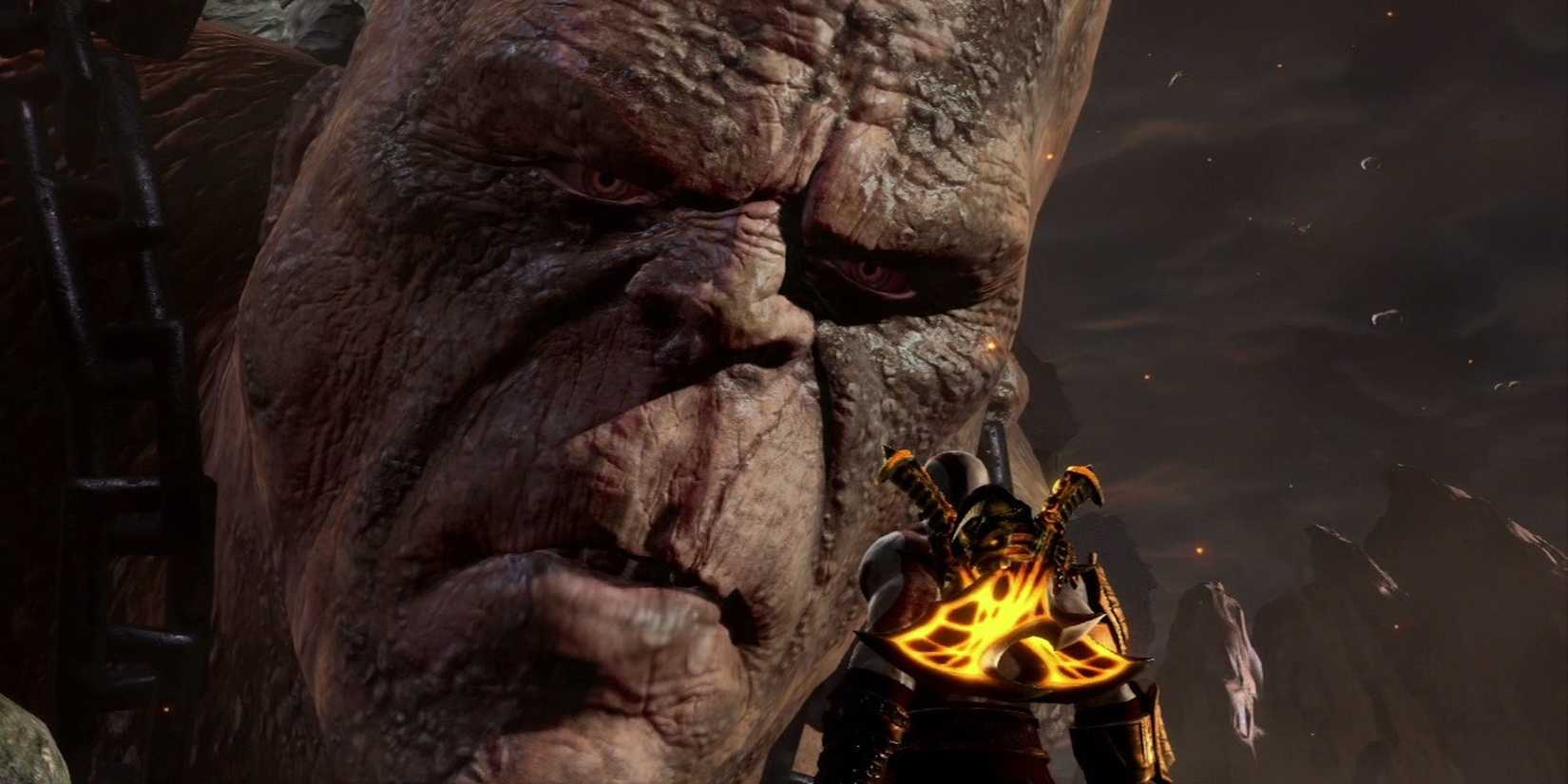
V. God of War III – Kratos’ Pantheon-Shattering Rage
Published: 2010
Kratos, the Ghost of Sparta, is a character defined by his unyielding rage and his relentless quest for vengeance. While his initial motivations are rooted in betrayal and suffering inflicted upon him by the Greek gods, his pursuit of retribution often results in widespread destruction, making him a complex and often villainous protagonist. God of War III represents the apex of this destructive fury.
The Narrative Arc:
Following the events of God of War II, Kratos, betrayed by Zeus once again, embarks on a brutal war against Olympus. His objective is to dismantle the pantheon and exact revenge for the suffering they have caused him, particularly the manipulation that led him to kill his own family.
A World Scorched by Vengeance:
God of War III showcases Kratos at his most merciless. His rampage through the ranks of the gods—Helios, Hermes, Hera, Poseidon, and ultimately Zeus—leaves Greece in ruins. The consequences of Kratos’ actions are devastating: the world is plunged into eternal darkness, ravaged by plagues, and stripped of its natural life. While Kratos is a sympathetic figure due to the injustices he has suffered, his methods are undeniably villainous. He becomes a force of pure destruction, driven by an insatiable need for vengeance that consumes everything in its path. The game allows players to fully embrace Kratos’ fury, unleashing a torrent of violence upon the gods and their creations, blurring the lines between a wronged hero and a destructive anti-villain.
Supporting Data:
God of War III was critically acclaimed for its visceral combat, epic boss battles, and stunning visual presentation. The game’s portrayal of Kratos’ rage and its devastating consequences on the world of Greek mythology solidified his status as one of gaming’s most formidable and morally ambiguous characters.
VI. Prototype – Alex Mercer’s Dive into Insanity
Published: 2009
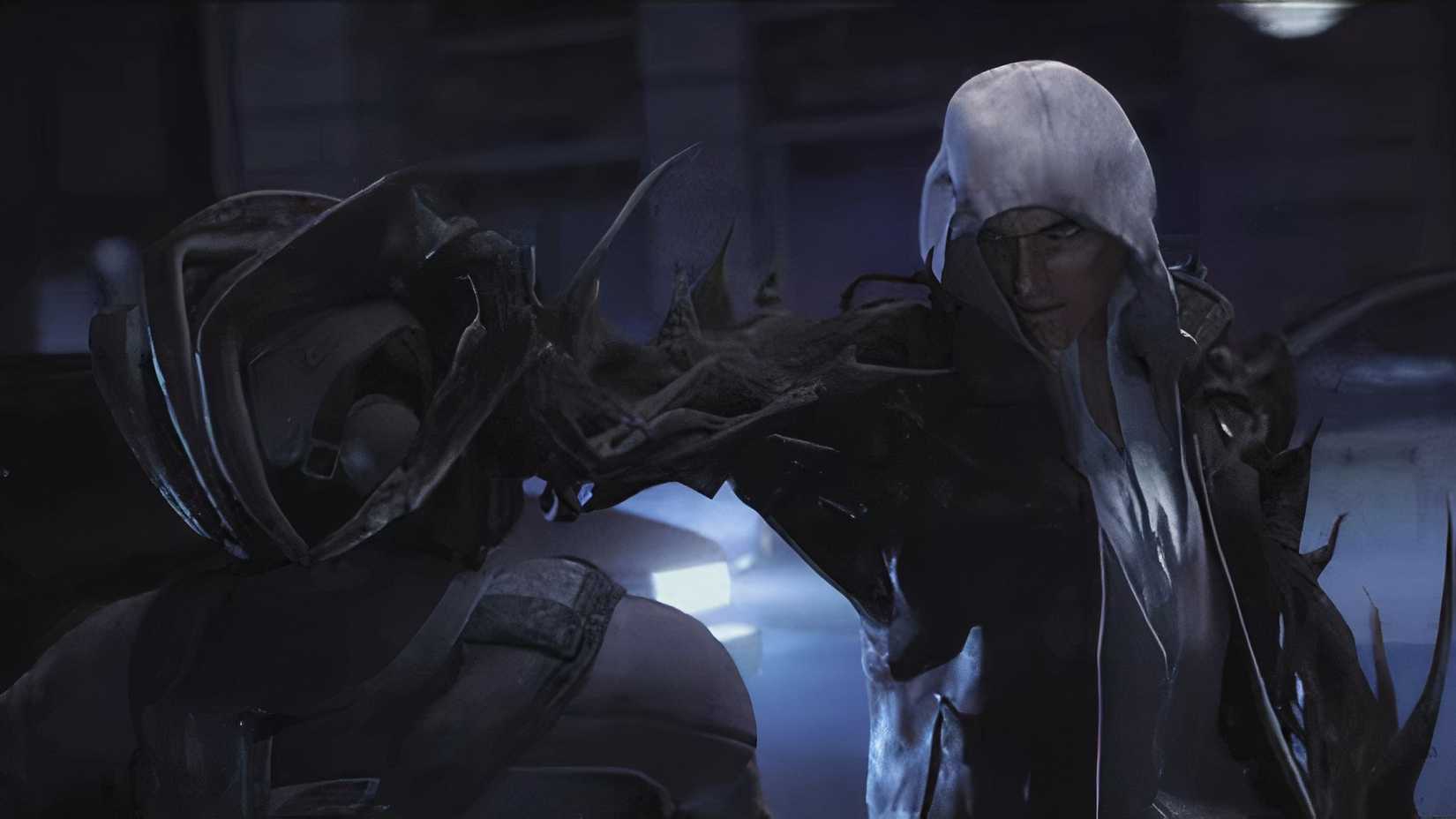
In the realm of video games, protagonists often possess redeeming qualities or at least elements that allow players to empathize with their plight. Alex Mercer, the protagonist of Prototype, shatters this convention by presenting a character who, for the most part, lacks any discernible redeeming qualities. His journey is a descent into a terrifying display of power and a chilling disregard for human life.
The Narrative Arc:
Players begin Prototype as Alex Mercer, an amnesiac who discovers he possesses extraordinary shapeshifting abilities. Driven by a desire to uncover his past and the origins of his powers, Mercer unleashes a brutal campaign of violence against Blackwatch soldiers, mutated civilians, and even innocent bystanders.
Embracing the Monster:
Mercer’s early actions are characterized by a chilling pragmatism. He consumes anyone and anything that stands in his way, absorbing their memories and abilities. The game doesn’t shy away from the horrific nature of these actions. As Mercer delves deeper into his past, he uncovers the truth: he was a lead scientist responsible for creating the Blacklight virus, the very contagion that mutates and destroys. This revelation doesn’t lead to remorse but rather a chilling resolve to further enhance the virus and infect all of humanity. In Prototype 2, Mercer fully embraces his role as a villain, serving as the primary antagonist and embodying the apex of his destructive potential. The game offers an unvarnished look at a protagonist who revels in his monstrous power, offering a unique and disturbing exploration of villainy unbound.
Supporting Data:
Prototype‘s open-world gameplay and Mercer’s unique shapeshifting abilities allowed for a high degree of player freedom and creative combat. The game’s ability to depict Mercer’s unrestrained violence and his eventual embrace of his villainous nature made it a standout in its exploration of anti-heroes.
VII. The Last of Us Part II – Two Sides of the Same Coin
Published: 2020
Naughty Dog’s The Last of Us Part II is a masterclass in narrative complexity, challenging players’ perceptions of heroism and villainy. The game centers on the intertwined journeys of Ellie and Abby, two characters who, from their respective perspectives, are righteous avengers, yet from the player’s viewpoint, often embody the role of the antagonist.
The Narrative Arc:
The game picks up years after the events of The Last of Us Part I. Abby, the daughter of the Firefly doctor Joel killed, embarks on a brutal quest for revenge against Joel. This act of vengeance triggers Ellie’s own obsessive pursuit of Abby and her group, fueled by the loss of Joel. The narrative expertly weaves between their perspectives, forcing players to confront the cyclical nature of violence and the subjective nature of morality.
The Cycle of Vengeance:
The Last of Us Part II masterfully blurs the lines between protagonist and antagonist. Both Ellie and Abby see themselves as justified heroes, driven by loss and a desire for retribution. However, their actions result in the deaths of numerous innocent individuals, people who are caught in the crossfire of their personal vendettas. The game challenges players to sympathize with both characters, understanding their pain and motivations while simultaneously recoiling from the brutality they inflict. This narrative approach highlights how easily perceived heroism can devolve into villainy when fueled by unchecked rage and a thirst for revenge. The game forces players to confront the uncomfortable truth that sometimes, the "villain" is simply the protagonist of another story.
Supporting Data:
The Last of Us Part II received widespread critical acclaim for its mature storytelling, character development, and emotional depth. The game’s daring narrative structure, which juxtaposed the perspectives of Ellie and Abby, was particularly praised for its ability to evoke empathy and challenge player assumptions.
VIII. Destroy All Humans! – Crypto’s Invasion of Atomic Age America
Published: 2005 (Original), 2020 (Remake)
Few protagonists in gaming embody pure, unadulterated villainy with the same gleeful abandon as Cryptosporidium-137, or "Crypto," from the Destroy All Humans! series. This extraterrestrial invader from the planet Furon is not burdened by morality or empathy; his mission is simple: conquer and obliterate.
The Narrative Arc:
Set in the paranoid and Cold War-tinged atmosphere of the late 1950s, Destroy All Humans! sees Crypto dispatched to Earth. His objectives are multifaceted: rescue a fellow Furon, harvest human DNA to ensure the continuation of his species, and ultimately, pave the way for a full Furon invasion and takeover of the planet.
The Joy of Destruction:
What makes Crypto so uniquely villainous is his palpable enjoyment of his destructive endeavors. He openly mocks and belittles humans, viewing them as primitive and insignificant. His ability to disguise himself as humans, only to reveal his true alien form and unleash chaos, adds a layer of dark humor to his malevolence. Crypto revels in vaporizing towns, disintegrating vehicles, and dissecting unsuspecting humans. The game revels in this over-the-top destruction, allowing players to embrace a power fantasy that is unapologetically evil. Crypto is not a misguided hero or a tragic figure; he is a triumphant alien conqueror who finds immense pleasure in the subjugation and annihilation of an entire species.
Supporting Data:
Destroy All Humans! was lauded for its satirical take on 1950s sci-fi B-movies and its unique blend of action and humor. Crypto’s charismatic, albeit evil, personality, coupled with the game’s over-the-top alien weaponry, made it a cult classic and a prime example of a game where playing the villain is an inherently fun experience.
Implications of Embracing Villainy in Gaming
The prevalence of these villainous protagonists in adventure games speaks to a growing maturity in the medium. Developers are increasingly willing to explore darker themes and more complex character arcs, moving beyond the simplistic dichotomy of good versus evil. This trend offers several significant implications:
- Deeper Thematic Exploration: By stepping into the shoes of a villain, players are forced to confront challenging moral questions. They can explore the justifications for evil actions, the corrupting nature of power, and the fine line between a hero and a monster. This can lead to more thought-provoking and resonant narratives.
- Enhanced Player Agency: Offering players the choice to act against conventional morality provides a unique form of agency. It allows for a more personal connection to the narrative, as players actively shape their character’s path, even if that path leads to darkness.
- Challenging Player Perceptions: These games can actively challenge players’ preconceived notions of heroism and villainy. By presenting complex characters with understandable, albeit often twisted, motivations, they encourage players to look beyond surface-level morality and consider the nuances of human (and non-human) behavior.
- Expanding the Creative Horizon: The freedom to explore villainous roles opens up new creative avenues for game designers. It allows for the development of unique gameplay mechanics and narrative structures that might not be possible with traditional heroic protagonists.
As the gaming landscape continues to evolve, the allure of playing the villain is likely to persist. These games offer a potent and often cathartic experience, allowing players to explore the darker corners of their imagination while still engaging with compelling storytelling and innovative gameplay. The adventure game genre, in particular, provides fertile ground for such narratives, inviting players to embark on journeys that are as morally complex as they are exhilarating.


 Lina Irawan
 Sagoh
Sagoh