

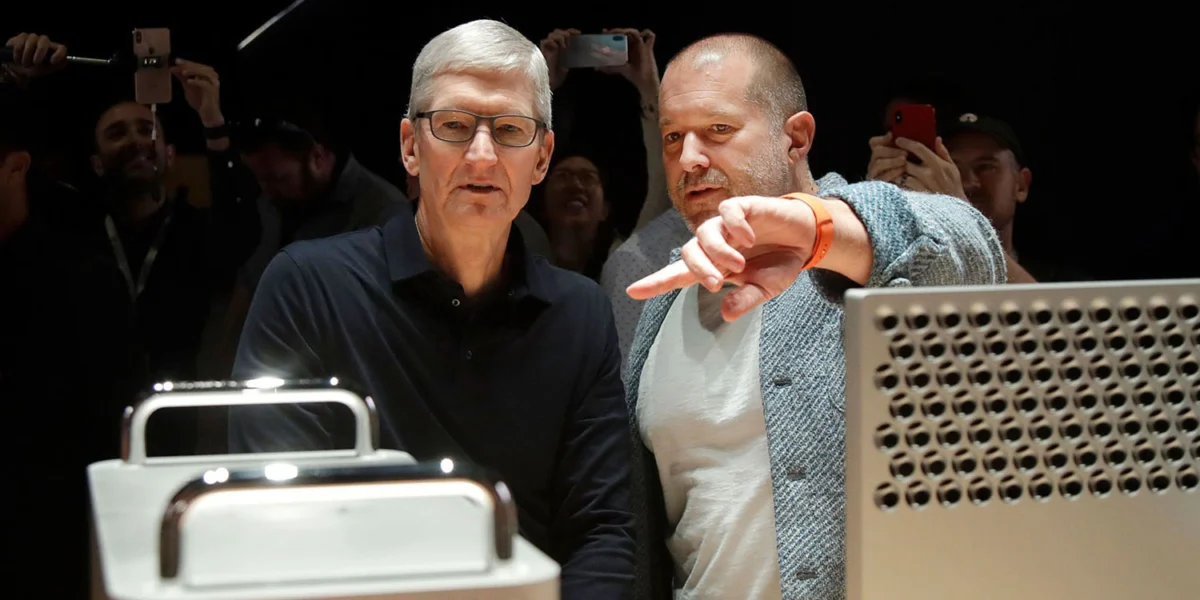
In a high-stakes legal confrontation that pits the world’s most valuable technology company against the frontier of artificial intelligence, Apple is finding that its carefully constructed litigation strategy may have a significant blind spot. As Apple moves forward with a sweeping lawsuit against OpenAI, alleging a coordinated campaign of trade secret theft, it has made a conspicuous effort to keep its former design chief, Sir Jony Ive, out of the crosshairs. However, legal experts and industry observers suggest that Apple’s attempt to insulate the man who defined its aesthetic for decades may be a futile exercise.
At the heart of the dispute is "io Products," a venture co-founded by Ive alongside former Apple stalwarts Tang Tan and Chang Liu. While Apple’s legal filings paint a picture of institutional misconduct and illicit data migration, they go to great lengths to avoid naming Ive directly. As the case moves toward discovery, the question is no longer whether Ive is relevant, but whether OpenAI will force him into the spotlight to gain a tactical advantage.
The Chronology of a Corporate Divorce and Its Aftermath
To understand the sensitivity of the current situation, one must look back at the trajectory of the relationship between Apple and Jony Ive.
- 1992–2019: The Ive Era: Jony Ive served as the Chief Design Officer of Apple, becoming the spiritual successor to Steve Jobs’ vision. His influence spanned the iMac, the iPod, the iPhone, and the Apple Watch.
- 2019: The Departure: After 27 years, Ive announced his departure to start his own independent firm, LoveFrom. Crucially, Apple signed on as his first client, maintaining a consultancy relationship that lasted until 2022.
- 2022: The Official Split: Apple and Ive officially ended their consulting agreement, leading to a period of complete professional separation.
- 2024–2025: The Rise of io Products: Former Apple executives Tang Tan and Chang Liu launched io Products, a hardware-focused venture that quickly aligned with OpenAI’s ambitions to build proprietary AI-integrated hardware.
- July 2026: The Lawsuit: Apple filed a formal complaint in federal court, alleging that OpenAI and its "cohorts"—a group that includes the principals of io Products—engaged in a pattern of misconduct, poaching talent and misappropriating proprietary design methodologies and trade secrets.
The Anatomy of the Lawsuit: Why Apple is Walking on Eggshells
Apple’s legal strategy appears to be one of "surgical precision." By naming Tang Tan and Chang Liu as the primary architects of the alleged theft while leaving Jony Ive’s name out of the formal accusations, Apple is clearly attempting to preserve the "Apple-Ive" legacy.
The lawsuit describes io Products as "a venture co-founded by Mr. Tan and other former Apple leaders." It avoids the "Ive" brand name entirely in the body of the complaint. This is a deliberate choice: Apple relies on the narrative of its own internal culture as a cohesive, protective environment. Admitting that its greatest design icon—the man who helped curate the Steve Jobs Archive and represents the "soul" of Apple design—might be involved in the theft of its secrets would be a public relations nightmare.

However, the legal reality of discovery is rarely dictated by public relations preferences. Once the litigation process enters the discovery phase, the rules of engagement change. If OpenAI’s legal team can establish that Ive exercised direct oversight or strategic influence over the hardware development process at io, they will have the right to subpoena his communications, meeting notes, and eventually, his testimony.
Supporting Data: The Intersection of Design and AI Hardware
The tension between Apple and OpenAI is rooted in the "missing link" of the AI revolution: hardware. While OpenAI has dominated the software landscape with its Large Language Models (LLMs), it lacks the deep, vertically integrated hardware expertise that Apple has spent decades perfecting.
Industry analysts point to three key areas where Apple’s trade secrets are most vulnerable:
- Thermal Management Systems: Apple’s ability to pack high-performance processors into thin, portable chassis is arguably the best in the world.
- Human-Machine Interface (HMI) Logic: The proprietary ways in which Apple integrates haptic feedback and voice interaction into its hardware.
- Manufacturing Supply Chain Data: The specific "know-how" regarding how to scale the production of complex, high-precision electronics without sacrificing the quality that defines the Apple brand.
If OpenAI’s new hardware is found to utilize designs that mimic Apple’s established thermal or structural engineering, the connection to the former Apple leaders at io Products becomes a "smoking gun." If Jony Ive was the one setting the design language for these products, his deposition would be the most valuable piece of evidence in the entire trial.
Official Responses and the "Code of Silence"
Neither Apple nor Jony Ive’s firm, LoveFrom, has provided a substantive comment on the potential for Ive to be called as a witness. Apple’s official stance remains focused on the protection of its "intellectual property and the institutional integrity of its workforce."
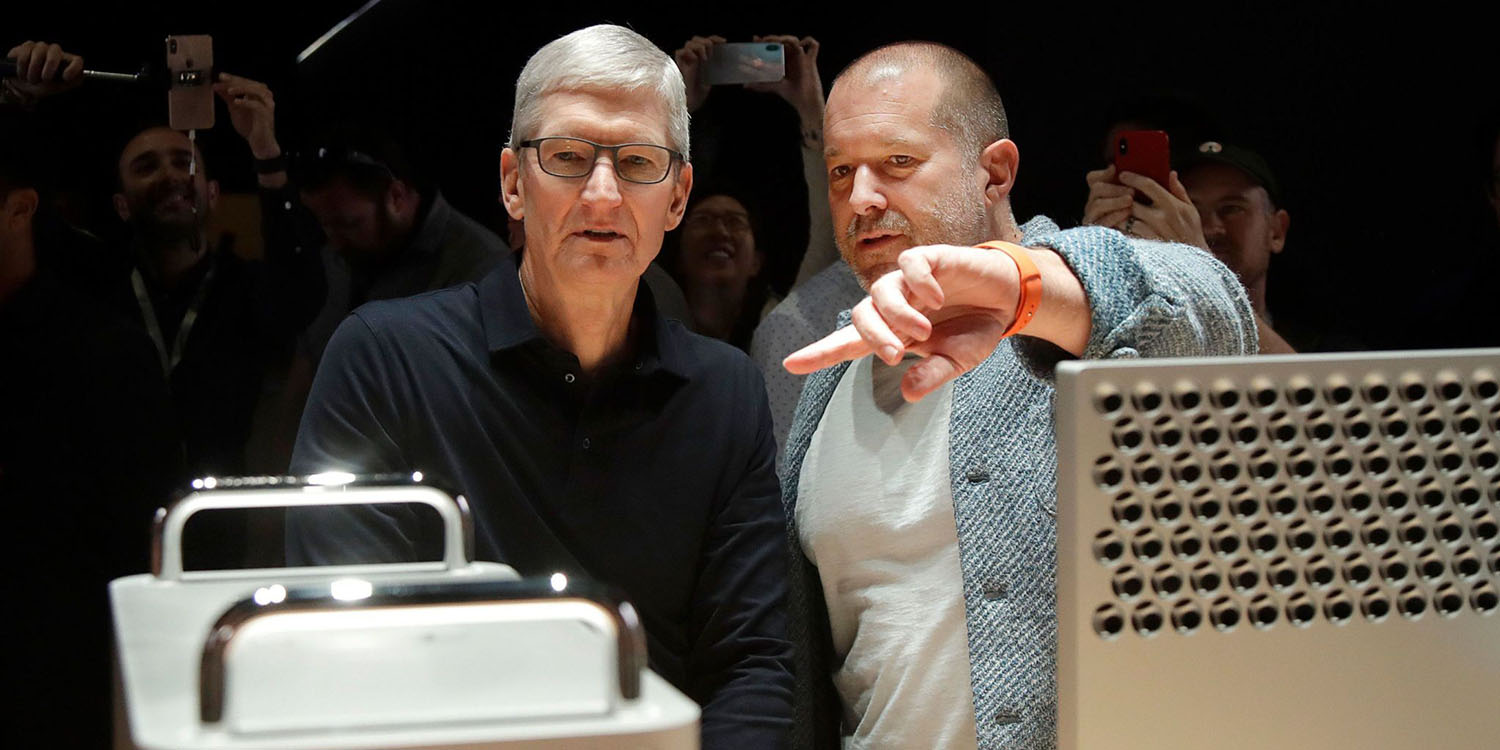
Conversely, Ive has remained conspicuously quiet. In recent months, his public profile has been meticulously managed, largely through his involvement with the Steve Jobs Archive. His recent letter in the Letters to a Young Creator project served to reinforce his status as an elder statesman of design—someone who resides above the fray of corporate litigation. This carefully curated image of a "design philosopher" is precisely what makes the prospect of him being cross-examined in a federal courtroom so jarring.
Implications: The Potential for a High-Stakes Fallout
Should OpenAI choose to subpoena Jony Ive, the implications for all parties involved are profound:
1. For Apple: The Risk of Undermining Its Own Narrative
If Apple’s attorneys are forced to question Jony Ive under oath, they face a double-edged sword. If they attack his credibility to win the lawsuit, they risk alienating the brand’s fanbase and tarnishing the memory of the "Golden Age" of Apple design. If they handle him with kid gloves, they risk losing the lawsuit by failing to fully investigate the alleged theft.
2. For Jony Ive: A Strained Legacy
Ive has maintained a respectful, if distant, relationship with Tim Cook and Apple leadership since his 2019 departure. Being dragged into a hostile legal battle against his former home could permanently rupture these ties. Furthermore, if the evidence shows that he turned a blind eye to the misappropriation of Apple’s trade secrets, it could fundamentally rewrite his legacy from that of a "creative genius" to a "corporate mercenary."
3. For OpenAI: A "Nuclear Option"
OpenAI is in a position where it has everything to gain and little to lose. By bringing Ive into the fold, they force Apple to confront its own history. Even if the testimony doesn’t result in a legal win for OpenAI, the "awkwardness" factor serves as a powerful distraction, forcing Apple to focus on its past rather than its future.

Conclusion: The Final Verdict of Discovery
As the litigation proceeds, the "Jony Ive variable" remains the most unpredictable element. Apple’s attempt to insulate him from the lawsuit is a testament to the respect—and perhaps the fear—the company still has for his influence. Yet, the law is an unforgiving machine.
If the discovery process unearths evidence that links the design language of the new AI hardware to the proprietary methodologies of Apple, no amount of corporate insulation will prevent the court from demanding answers. We may soon see a moment where the man who designed the future of Apple is forced to answer for the past of its competitors, potentially signaling the final, most bitter chapter in the long and storied relationship between Apple and Jony Ive.
Whether this ends in a private settlement or a public trial remains to be seen, but one thing is certain: the era of Jony Ive being untouchable by Apple’s legal machinery is coming to an end.











