

APIs (Application Programming Interfaces) are the silent architects of the modern internet. While the average social media user spends hours scrolling through feeds, liking content, and direct-messaging friends, they are rarely aware of the complex web of code functioning beneath the surface. These "invisible" protocols are the lifeblood of the digital marketing ecosystem, enabling the seamless integration of third-party tools that social media managers rely on to survive in an increasingly fragmented digital world.
But as the social media landscape shifts toward pay-to-play models and AI-driven data harvesting, understanding how APIs function is no longer just for developers—it is a strategic necessity for every modern business.
The Mechanics of Connectivity: What is an API?
At its core, an API is a communication channel. It allows one software program to "talk" to another, facilitating the exchange of data in real-time. Without APIs, every social media platform would be a "walled garden," completely isolated from external tools.

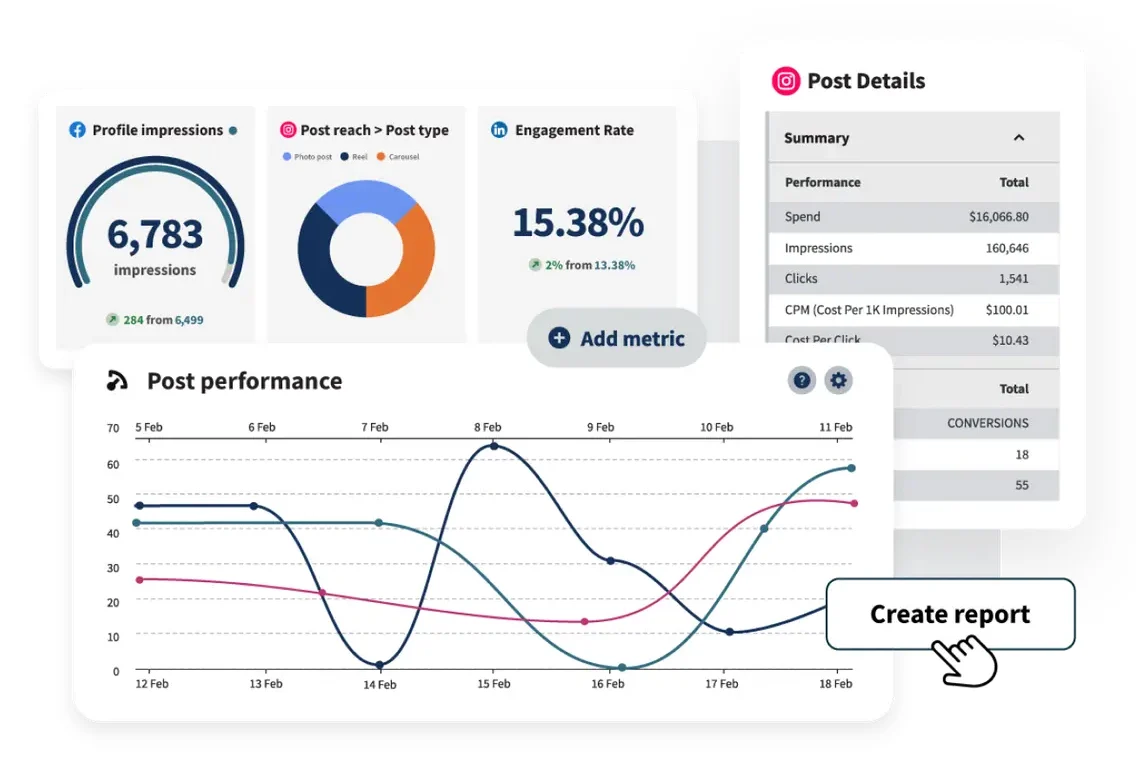
When you use a management platform like Hootsuite to schedule a post, view analytics, or monitor your inbox across LinkedIn, Instagram, and X (formerly Twitter) from a single dashboard, you are witnessing an API in action. The social platform’s API acts as a middleman, receiving a request from the third-party tool, verifying the user’s identity and permissions, and then relaying the requested data back to the dashboard.
This ecosystem creates a tripartite benefit:
- Platforms gain ecosystem growth without needing to build every niche feature themselves.
- Developers gain the ability to build high-value, specialized tools that solve specific user pain points.
- Users gain a unified, streamlined experience that would otherwise be impossible.
A Chronology of Access: From Open Doors to Gated Gardens
The history of social media APIs is a tale of shifting corporate philosophy. In the early 2010s, platforms like Twitter were famously "API-first," encouraging developers to build on their infrastructure to grow the network’s reach. This was the "Golden Age" of third-party clients, where independent apps like TweetDeck flourished.

However, as these platforms matured, the focus shifted from growth to monetization and data control.
- 2013–2018: Platforms began tightening their grip. Following major data scandals (such as the Cambridge Analytica incident), social networks began restricting the depth of user data available to third-party developers, citing privacy and security concerns.
- 2023: A definitive turning point. X (formerly Twitter) made the controversial decision to end free API access, replacing it with a tiered, high-cost subscription model. This move forced many independent developers to shutter their services overnight and compelled marketing agencies to re-evaluate their reliance on specific platforms.
- 2024–2025: The "AI Pivot." With the explosion of Large Language Models (LLMs), platforms like Reddit began monetizing their historical data through massive licensing deals with tech giants like Google and OpenAI. APIs are now being used not just for functionality, but as a gateway for multi-million-dollar AI training contracts.
Categorizing the Digital Conduit: Types of APIs
Understanding the nuance of API access is critical for businesses choosing their software stack. They generally fall into three categories:
1. Open APIs
These are publicly available for developers, requiring little more than a registration process or an API key. They generally handle non-sensitive, public-facing data. For instance, a developer might use an open API to embed a map or a public feed on a company website. While accessible, they are increasingly rare in the social media space for anything beyond basic functionality.

2. Partner APIs
These are the gold standard for enterprise marketing tools. Access is strictly controlled, granted only to vetted business partners who sign detailed legal agreements. These APIs allow for deeper functionality, such as posting content, advanced analytics, and direct messaging, but they come with rigorous compliance requirements regarding how that data is stored and displayed.
3. Internal APIs
These are the "private" nervous systems of social media companies. They are used exclusively by the company’s own developers to ensure their backend systems (like user databases and content delivery networks) can communicate efficiently. No third party can access these, which keeps the platform’s proprietary "secret sauce" safe from outside interference.
Supporting Data: The Cost of Integration
The financial reality of the current API landscape is stark. For most of the last decade, free access was a baseline expectation for developers. Today, that model is effectively obsolete.

When X restricted its API access, the barrier to entry jumped to $200 per month for basic access, with enterprise-level access reaching thousands of dollars. This trend has created a "consolidation effect": only large, well-funded third-party platforms can afford the cost of these APIs, which in turn leads to higher subscription costs for end-users.
Furthermore, data suggests that when platforms make their APIs more restrictive, the quality of third-party analytics drops. Marketers are often left with "watered-down" data, forcing them to rely on the platform’s native tools—which often lack the cross-platform comparison capabilities that are essential for high-level strategy.
Security and Compliance: The "Double-Edged Sword"
APIs are, by design, built with layers of security protocols, such as OAuth, which ensures that a user only grants the specific permissions they intend to share. When you connect your LinkedIn account to a management tool, you aren’t handing over your password; you are issuing a "token" that acts as a limited, revocable key.

However, they are not immune to threats. In 2023, a significant breach involving Twitter’s API resulted in the exposure of data from 200 million users. The lesson for businesses is clear: API security is only as strong as the weakest link.
Modern enterprises must prioritize tools that demonstrate:
- SOC2 Compliance: Ensuring the tool meets strict information security standards.
- Regular Auditing: Proof that the developer is actively patching potential vulnerabilities.
- Minimalist Permissions: The principle of least privilege, where the app only requests access to the data it absolutely needs to function.
The AI Implication: Data as a Commodity
Perhaps the most significant shift in the last 24 months is the transformation of the social media API into an AI training pipeline. Because social media platforms host years of human conversation—the "gold standard" for training language models—they have realized their APIs are their most valuable assets.

This creates a conflict of interest for marketers. While businesses want their content to be discoverable, they may not want it scraped to train an AI model that could eventually replace the content creator. As platforms evolve, users must monitor their privacy settings to see if their data is being funneled into these high-value API training agreements.
Strategic Outlook: Managing in the API-Centric Era
For the social media manager, the takeaway is simple: the "tools of the trade" are in flux.
1. The "Native" vs. "Third-Party" Balance
While native tools (like LinkedIn Analytics or Meta Business Suite) offer the most accurate, real-time data, they create a "silo" problem. You cannot effectively manage a cross-platform brand by bouncing between five different dashboards. API-powered tools remain the only viable solution for enterprise-scale orchestration.

2. Watch the Versioning
Platforms like LinkedIn have moved toward an "API-first" approach, where new features often launch on the API before the user interface. Keep an eye on platform developer blogs; if a platform is updating its API, it’s a precursor to a major feature rollout.
3. Future-Proofing Your Stack
Avoid relying on "hacker" tools or unverified plugins. As platforms continue to lock down their ecosystems, "gray-market" tools that scrape data without official API access are the first to be banned. Relying on official, authorized partners ensures your workflow won’t break when a platform inevitably updates its security protocols.
Ultimately, the API remains the unseen bridge connecting your brand to its audience. By understanding the rules that govern this bridge—the costs, the security requirements, and the strategic limitations—businesses can continue to thrive, even as the platforms themselves change the ground beneath them.












No comments yet. Be the first to join the conversation!