

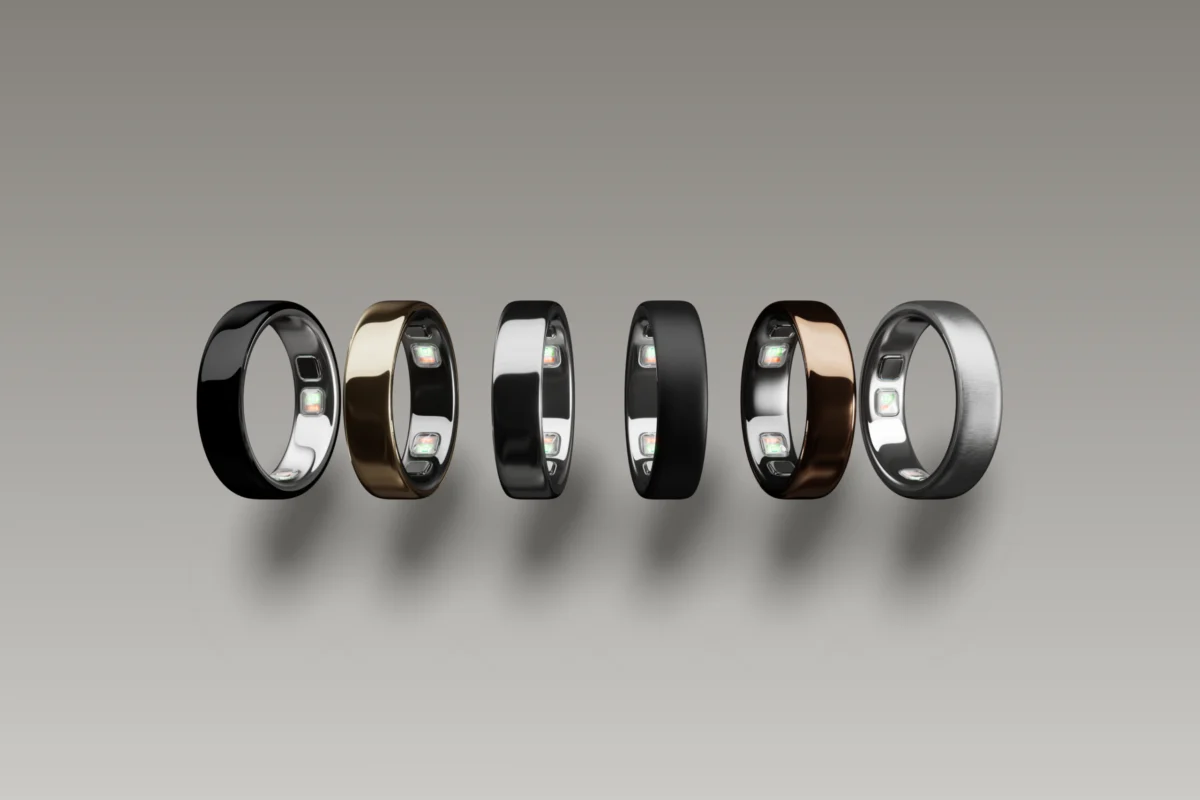
In a decisive move to solidify its dominance in the burgeoning smart ring sector, Oura has officially unveiled the Oura Ring 5. This latest iteration, marketed as the world’s smallest smart ring, represents a significant leap in both miniaturization and clinical-grade health monitoring. The announcement comes at a pivotal moment for the company, arriving just 18 months after the debut of the Ring 4 and signaling an aggressive shift in Oura’s product cycle to fend off mounting pressure from agile, subscription-free competitors.
Available for pre-order immediately, the Ring 5 will begin shipping to customers on June 4. With a starting price of $399, the device aims to balance premium aesthetic appeal with a suite of sophisticated software features that bridge the gap between wellness tracking and on-demand medical care.
The Core Specs: A Masterclass in Miniaturization
The most striking feature of the Oura Ring 5 is its physical footprint. By completely re-engineering the internal mechanical, electrical, and optical architectures, Oura has managed to reduce the ring’s width by approximately two millimeters and decrease its overall thickness by 30%. Oura claims this makes the device 40% smaller than its predecessor, a design choice explicitly driven by user feedback requesting a wearable that mimics the weight and profile of a traditional fashion ring.
Technical Improvements at a Glance
- Dimensions: Significant reduction in width and a 30% reduction in thickness.
- Battery Life: Enhanced efficiency yields six to nine days of continuous use, up from the five-to-eight-day range of the Ring 4.
- Sensor Suite: Re-engineered LEDs and refined skin-contact points to improve data fidelity across a diverse spectrum of finger sizes and skin tones.
- Pricing and Availability: Starting at $399 for the Black and Silver finishes, with premium options (Gold, Brushed Silver, Deep Rose, and Stealth) retailing for $499.
The aesthetic refresh is equally notable. The company has debuted a redesigned "Gold" finish that offers a warmer, more authentic tone, alongside an updated "Deep Rose" that leans into a contemporary copper-like aesthetic. These design choices suggest Oura is looking to court users who previously viewed smart rings as overly bulky or "tech-centric" pieces of hardware.

Chronology: A Shortened Innovation Cycle
The launch of the Ring 5 marks a clear change in Oura’s business strategy. Historically, the company operated on a three-year refresh cycle, as seen in the gap between the Ring 3 and the Ring 4. The transition to a sub-two-year cycle—releasing the Ring 4 in late 2024, the Ceramic variant in late 2025, and now the Ring 5 in mid-2026—underscores the volatility of the current market.
This accelerated timeline is likely a reaction to the rise of formidable rivals. Companies like RingConn and Ultrahuman have gained significant traction by offering high-quality hardware without the mandatory monthly subscription fees that have long been a point of contention for Oura users. The timing of the Ring 5 announcement is particularly strategic, hitting the headlines just one day before the anticipated shipping date for the RingConn Gen 3. By keeping the market in a constant state of flux, Oura is attempting to maintain its status as the premium "gold standard" of the industry.
Software Updates: The "Health Radar" and Beyond
Hardware is only half the story. Alongside the Ring 5, Oura is rolling out a massive software update that will also be available to owners of the Ring 3 and later models. Central to this update is "Health Radar," a background monitoring system designed to surface actionable insights from subtle biometric shifts.
Blood Pressure Signals and Respiratory Health
The "Health Radar" suite debuts with two primary capabilities: Blood Pressure Signals and Nighttime Breathing.

- Blood Pressure Signals: Rather than a spot-check measurement, Oura leverages the stability of nocturnal heart rate and cardiovascular data to identify patterns that may indicate rising blood pressure. The app will allow users to manually log readings from traditional blood pressure cuffs, integrating these snapshots with the ring’s longitudinal data to provide a more holistic view of cardiovascular health.
- Nighttime Breathing: Expanding on existing respiratory regularity metrics, this feature provides a 30-day rolling analysis of sleep disturbances, offering a more nuanced view of how respiratory health impacts overall recovery.
From Insights to On-Demand Care
Perhaps the most ambitious expansion is Oura’s partnership with Counsel Health. By integrating AI-driven medical triaging with access to licensed physicians, Oura is positioning its app as a gateway to actual healthcare. While the standard $5.99 monthly subscription remains, users can opt for an additional paid service to consult with medical professionals and receive personalized advice directly within the app. Furthermore, U.S. users can now import lab results, medication histories, and allergy information, creating a comprehensive digital health record.
Strategic Implications: Data, Privacy, and the Future of Wellness
Oura’s pivot toward medical-adjacent services—including the tracking of GLP-1 medication journeys and the launch of a dedicated "Brain Health Study"—raises important questions regarding data privacy. As the company invites users to upload sensitive medical records and engage in long-term neurological tracking, the burden of trust is higher than ever.
Oura has publicly committed to a "privacy-first" approach, emphasizing that user data remains encrypted and under the control of the member. However, the move to collect longitudinal data on brain health—mapping daily recovery habits against mental sharpness—signals that Oura is looking far beyond basic fitness tracking. The company aims to become a foundational pillar of "preventative medicine," where the ring acts as an early warning system for everything from cardiovascular strain to cognitive decline.
The Competitive Landscape
The introduction of "Live Activity" tracking, which allows users to view real-time metrics like pace and distance on their phones during runs or cycling, addresses another common critique: that the ring was a "passive" rather than "active" fitness tracker. By allowing third-party heart rate monitors to sync with the Oura app, the company is finally acknowledging the ecosystem-driven nature of modern sports training.

Conclusion: The Path Ahead
The Oura Ring 5 is more than just a reduction in volume; it is a manifestation of a company fighting to maintain its pole position in an increasingly crowded market. By shrinking the hardware, expanding the sensor capabilities, and integrating professional medical consultation, Oura is attempting to create an ecosystem that is "sticky" enough to justify its subscription model.
Whether the market will embrace the move toward clinical data integration remains to be seen. However, with the Ring 5, Oura has successfully addressed the primary consumer complaints regarding size and battery life, ensuring that even as competition intensifies, the Oura experience remains, at the very least, physically competitive. As the device begins shipping on June 4, the industry will be watching closely to see if Oura’s bet on "health-as-a-service" will pay off in a landscape that is increasingly wary of walled gardens and recurring monthly costs.
Disclaimer: This article contains affiliate links. Purchases made through these links may result in a commission for the publisher, though such arrangements have no influence on editorial content or the objective evaluation of the product.












No comments yet. Be the first to join the conversation!