

Role-playing games, by their very nature, immerse players in epic narratives where they embody heroes on grand quests. Central to these journeys is the formidable antagonist, the architect of conflict and the ultimate obstacle to the protagonist’s triumph. A well-crafted villain can elevate an RPG, serving as a mirror to the hero’s choices, a driving force behind the world’s lore, or a complex character whose motivations resonate long after the credits roll. Players often invest hundreds of hours into these digital worlds, and a compelling antagonist is crucial to making that investment feel worthwhile.
However, the realm of RPGs is not without its disappointments. For every unforgettable adversary who etched themselves into gaming history, there are numerous villains who, despite their supposed importance, fail to leave a lasting impression. These are the antagonists who, for various reasons, fade into the background, their presence often feeling more like a narrative placeholder than a genuine threat. This article delves into the digital graveyards of forgotten foes, examining ten RPG main villains who, regrettably, were entirely forgettable.
The Perils of Prominence: Why Some RPG Villains Fall Flat
The effectiveness of an RPG villain hinges on several critical factors. Their presence must be felt throughout the narrative, their motivations clearly defined and compelling, and their actions should have tangible consequences for the player and the game world. When these elements are underdeveloped or poorly executed, even the most menacing-looking antagonist can become a mere footnote in the player’s experience.
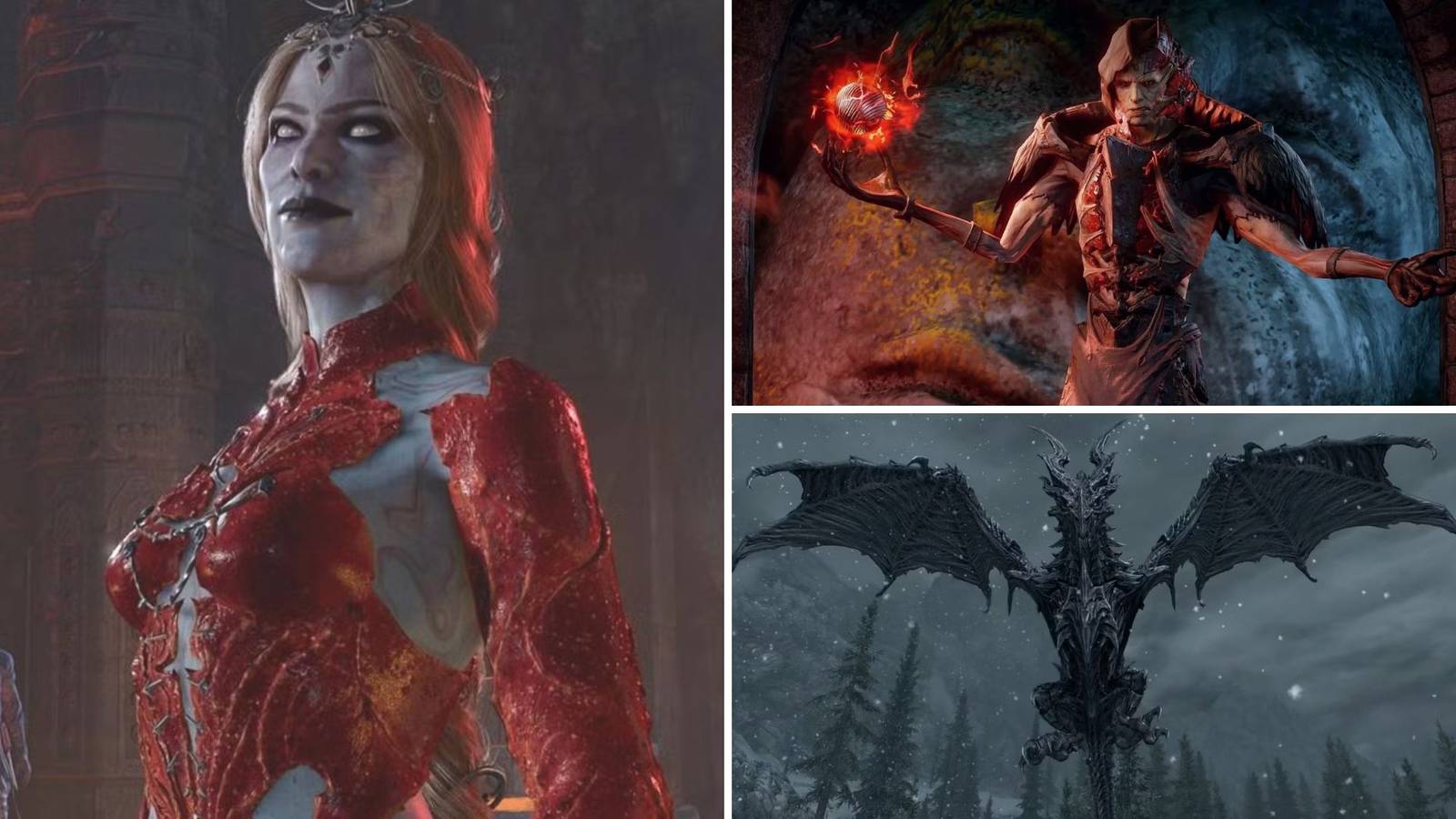
Several common pitfalls contribute to a villain’s forgettability:
- Insufficient Screen Time and Development: Villains who appear only sporadically or whose backstories are relegated to optional lore entries often struggle to connect with players. Without meaningful interactions or a deep exploration of their psyche, their grand pronouncements can fall hollow.
- Underdeveloped Motivations: A villain driven by a generic desire for power or destruction, without a nuanced personal stake or a unique philosophy, can feel one-dimensional. Players are more likely to remember antagonists with complex, relatable, or even tragically misguided goals.
- Anticlimactic Encounters: The final confrontation with a villain should be the culmination of the player’s journey. If the boss fight is underwhelming, predictable, or easily bypassed by in-game mechanics, it diminishes the villain’s perceived threat and importance.
- Narrative Misalignment: When a game’s core gameplay loop, or its open-world structure, allows players to largely ignore the main quest for extended periods, the villain’s impact can be diluted. The player might become more invested in side activities than the overarching conflict.
- Over-reliance on Lore Entries: While extensive lore can enrich a game world, crucial character development and motivations should not be locked behind optional collectibles. If a villain’s true nature is only revealed through scattered notes or audio logs, their on-screen presence suffers.
- Predictable Twists: Plot twists involving the main villain are often intended to be shocking. However, if these reveals are telegraphed too early, or if the villain’s prior presence is too insignificant, the impact is lost, and the twist can feel unearned.
With these considerations in mind, let’s explore ten RPG main villains who, despite their central role, failed to leave a lasting mark on the players who encountered them.
The Rogues’ Gallery of the Forgettable
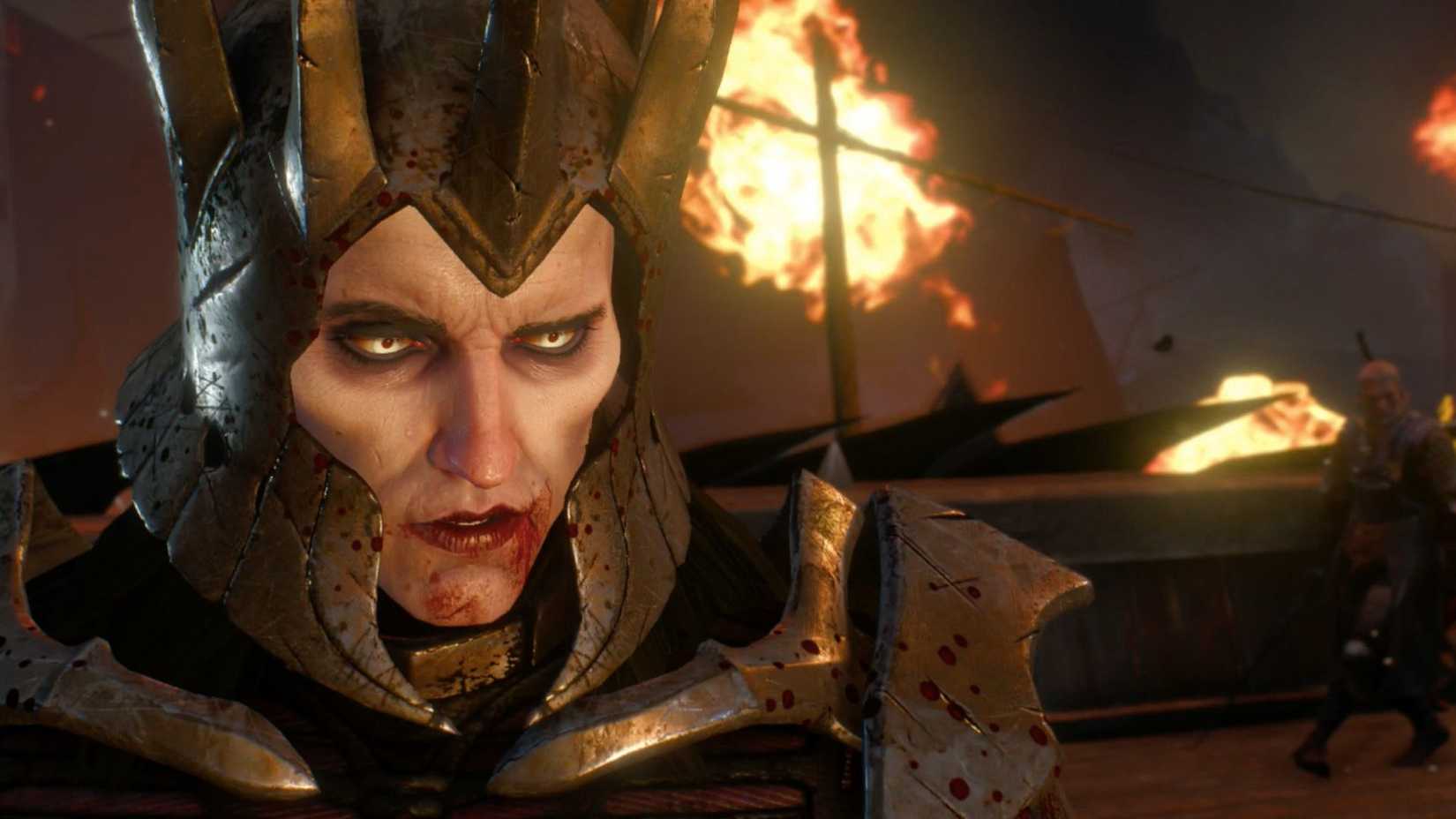
10. Eredin – The Witcher 3: Wild Hunt
The Witcher 3: Wild Hunt is a masterclass in RPG storytelling, renowned for its rich lore, complex characters, and morally grey world. Geralt of Rivia’s journey is filled with compelling figures, both allies and adversaries. Yet, the primary antagonist, Eredin Bréacc Glas, the King of the Wild Hunt, often finds himself on the periphery of player memory, overshadowed by the game’s more nuanced characters and impactful side narratives.

Eredin is positioned as a cosmic threat, the leader of a spectral host bent on conquering the realms and capturing Ciri for her Elder Blood, a power capable of traversing space and time. His connection to Geralt is personal, dating back to an encounter in the first Witcher game where Geralt was briefly a captive of the Wild Hunt. This established link should have provided a strong foundation for a deeply personal conflict.
However, Eredin’s character development fails to match the narrative weight placed upon him. His motivations, beyond a general desire for power and control, remain largely abstract. He embodies the archetypal "dark lord" figure, a stark contrast to the intricate political machinations and deeply personal struggles that define many of The Witcher 3‘s other antagonists. While the Wild Hunt as a collective is a menacing force, Eredin himself often feels like a distant figure, his presence more felt through his subordinates and the fear he instills rather than through direct, compelling interaction. This lack of depth in his personal narrative makes him a disappointing final boss for a game that otherwise excels in character complexity.
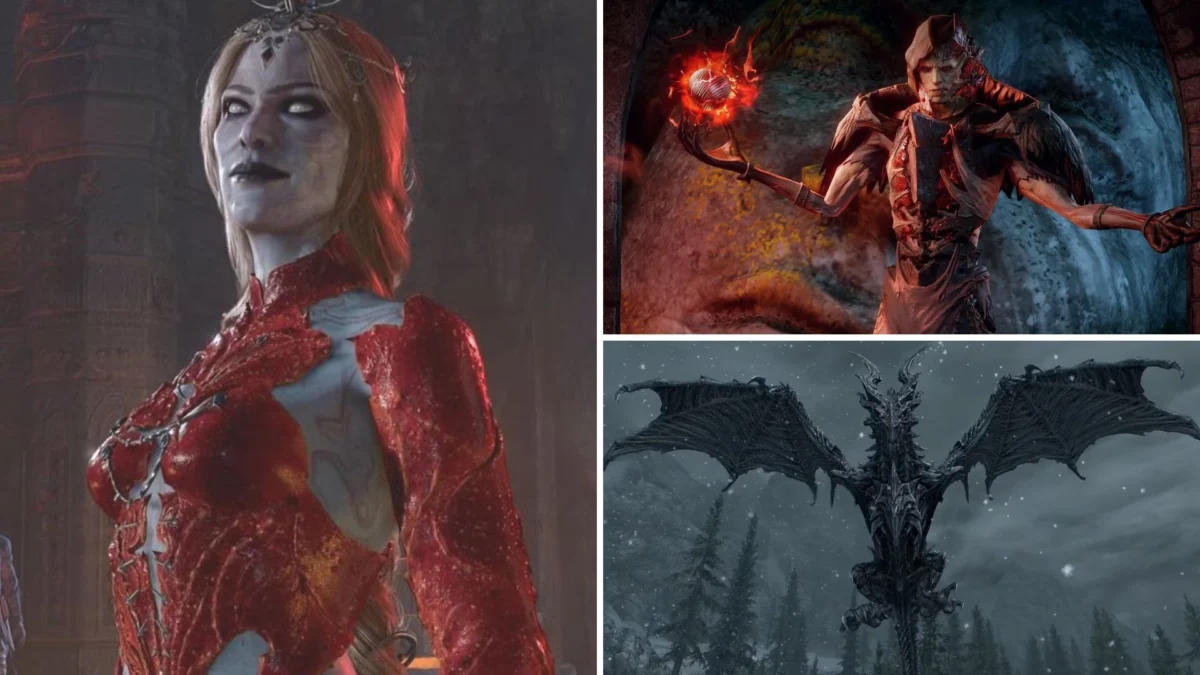
9. Alduin – The Elder Scrolls V: Skyrim
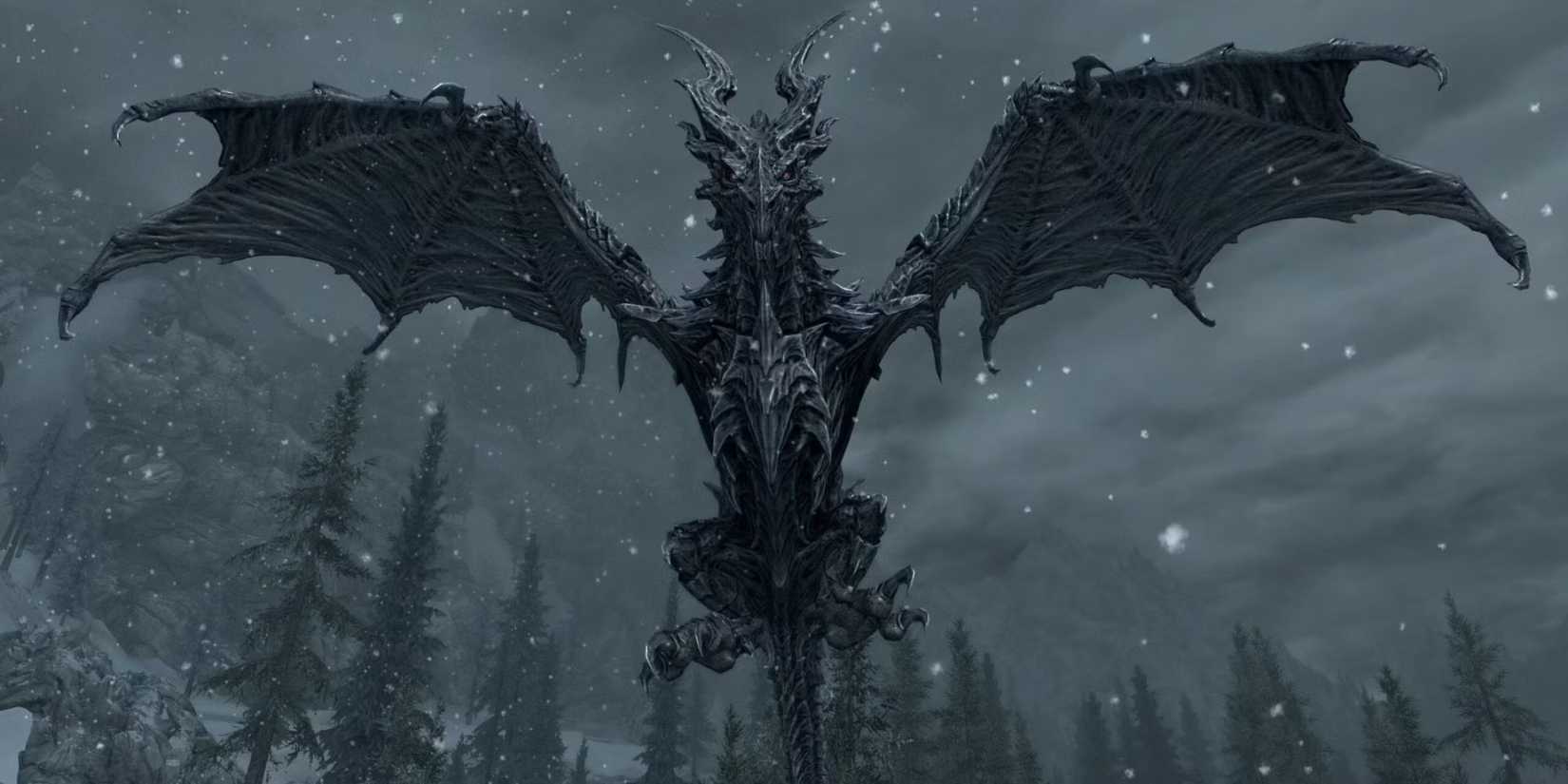
Alduin, the World-Eater, is presented as a paramount threat in The Elder Scrolls V: Skyrim. As the firstborn of Akatosh, he is prophesied to devour the world, a dragon of immense power and cosmic significance. His dramatic re-emergence at Helgen, coincidentally assisting the player character’s escape from execution, marks his initial, albeit perplexing, appearance.
The core issue with Alduin’s portrayal lies in his fractured presence throughout the game. After his initial appearance, he largely vanishes from the forefront of the narrative for extended periods. Skyrim‘s open-world design, a cornerstone of its appeal, paradoxically allows players to engage with its vast content at their own pace. This freedom means that hundreds of hours can be spent exploring the land, delving into dungeons, and pursuing countless side quests, all while Alduin’s world-ending threat remains a distant concern.
When players finally engage with the main questline, the confrontation with Alduin often feels anticlimactic. Despite being billed as a god-like entity capable of consuming reality, the player’s encounters with him often devolve into standard dragon battles. The epic "Dragonrend" shout, designed to force Alduin to land, highlights this disparity – a powerful tool against a being of immense cosmic power, yet utilized in a gameplay loop identical to fighting any other dragon. This disconnect between his prophesied role and his actual in-game execution renders Alduin a disappointingly forgettable main villain.
8. Aspasia – Assassin’s Creed Odyssey
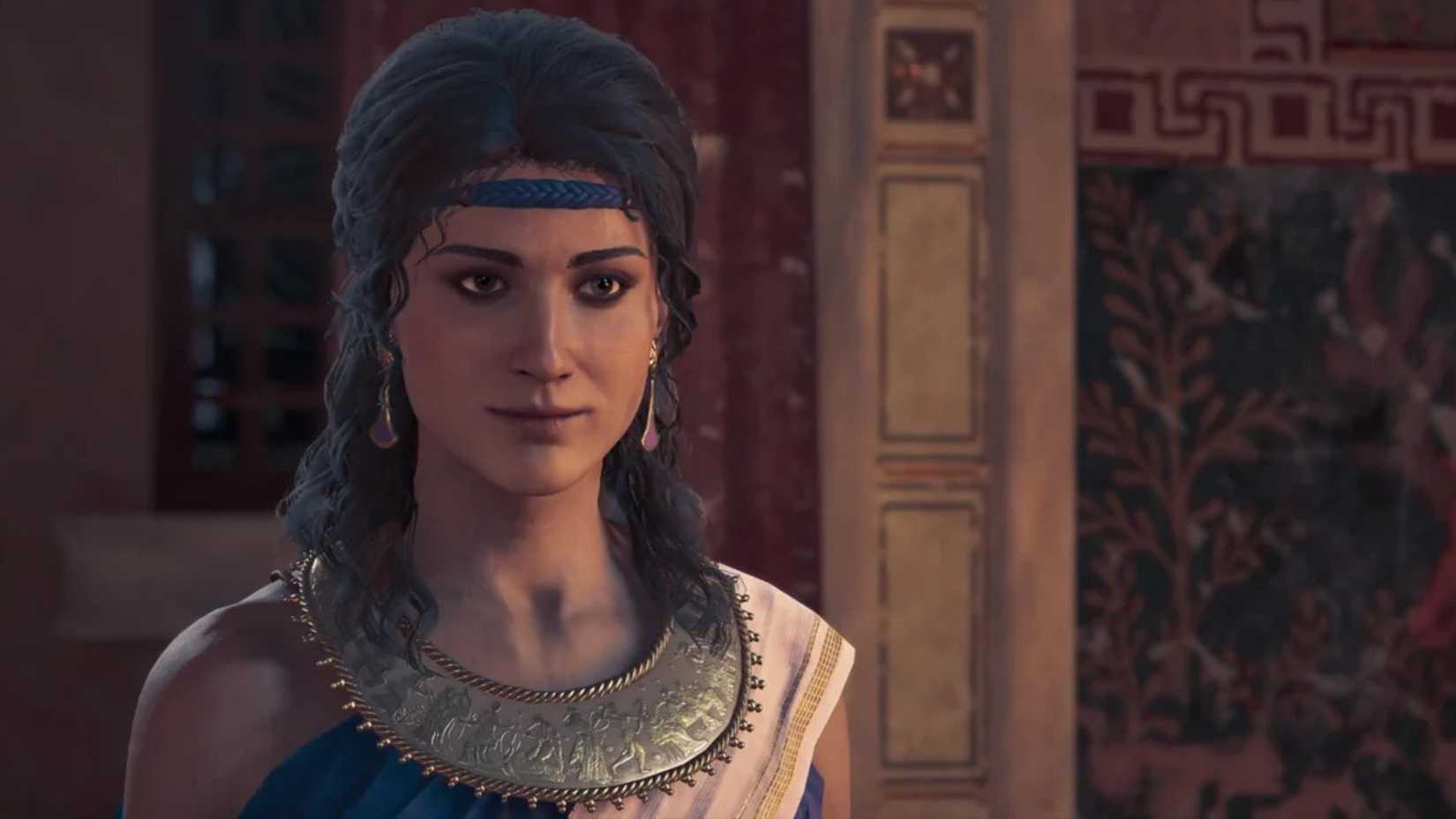
Assassin’s Creed Odyssey offers a sprawling narrative set against the backdrop of the Peloponnesian War, populated by a vast array of historical figures and mythical elements. The game features several antagonists, but Aspasia, the wife of Athenian leader Pericles, stands out as a particularly perplexing and ultimately forgettable main villain.
Aspasia’s role in the game is initially framed as that of a political advisor and a key figure in reconnecting the player character with their estranged mother. Her presence is sporadic, primarily serving to introduce important characters and facilitate plot progression. These interactions, while significant for the narrative, are too brief and scattered to establish her as a compelling, looming threat.
The game’s central conflict revolves around uncovering and dismantling the mythical Cult of the Kosmos. The major plot twist reveals Aspasia as the shadowy mastermind behind this organization. This reveal, however, lacks the intended impact due to her minimal and underdeveloped presence throughout the preceding hours. The narrative requires a significant exposition dump to justify her role as the ultimate antagonist, a far cry from the organic build-up expected of a primary villain. The final confrontation, whether a fight or a romantic encounter, often feels anticlimactic, failing to deliver the dramatic payoff that such a significant reveal should warrant. Her arc feels less like a meticulously planned descent into villainy and more like a last-minute narrative insertion.
7. Harbinger – Mass Effect 2
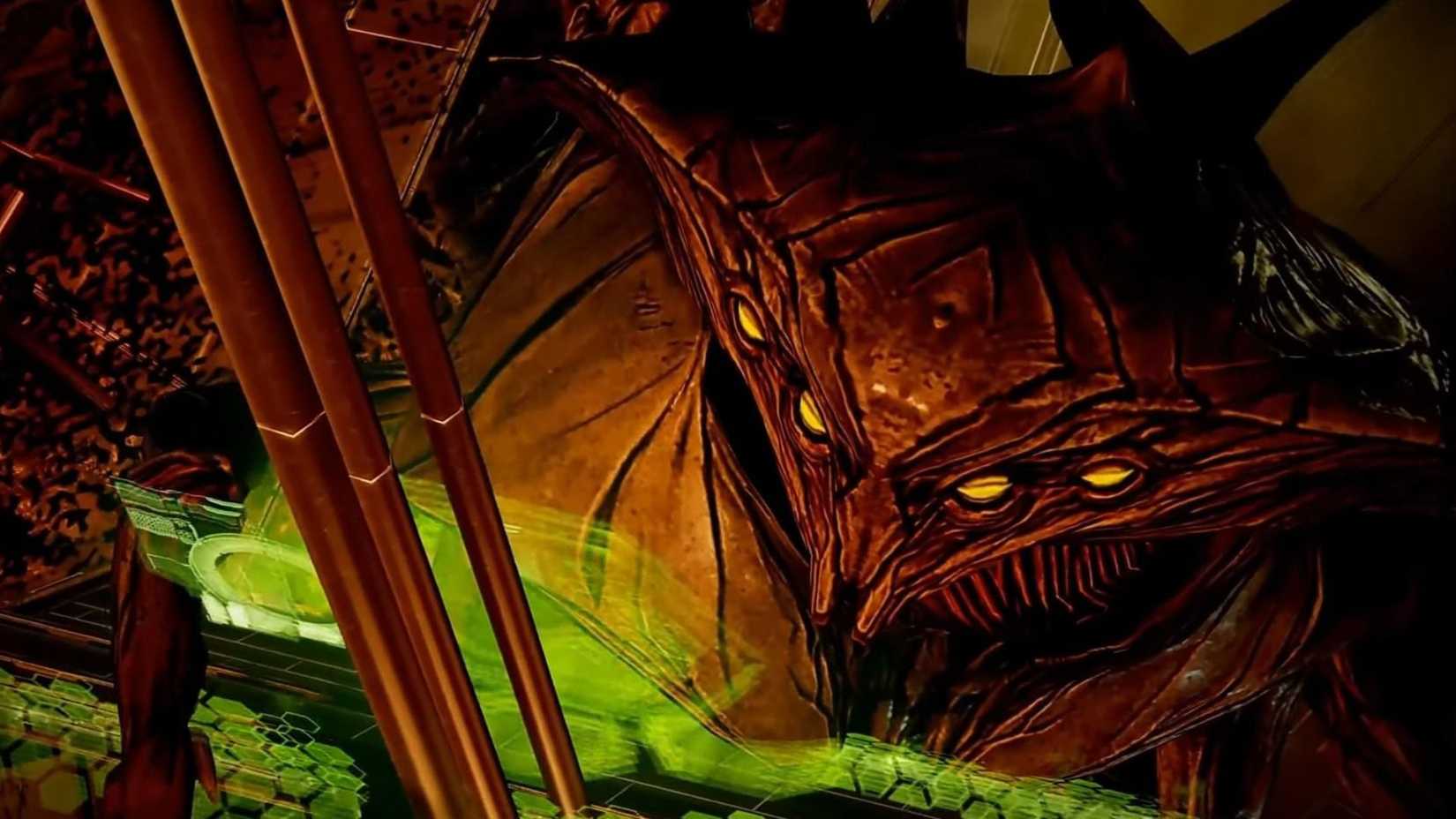
The Mass Effect trilogy is celebrated for its rich storytelling and memorable characters, and Mass Effect 2 is no exception. The game introduces the Collectors, a formidable and unsettling alien race serving a greater, more ominous threat: Harbinger, the leader of the Reapers. While the Collectors themselves are a compelling faction, their ultimate master, Harbinger, proves to be a surprisingly forgettable antagonist.
Harbinger’s primary method of influence is "direct control," a chilling ability that allows it to possess and manipulate individuals. In Mass Effect 2, it assumes control over a unique Collector General. This entity is intended to be the focal point of Harbinger’s power and a direct challenge to Commander Shepard.
However, Harbinger’s execution as a villain is hampered by its abstract nature and limited direct interaction. Shepard and the crew rarely, if ever, witness Harbinger’s direct intervention in a meaningful way. Its influence is often felt through the actions of possessed mooks or through taunts delivered remotely. The possessed Collector General, despite its imposing appearance, often falls victim to Shepard’s forces before Harbinger can truly exert its will, making the encounters feel less like a struggle against a cosmic entity and more like a series of convenient plot devices. A fleeting moment of lucidity from the possessed entity before its demise offers a glimpse of potential depth, but this is a moment that the player doesn’t personally witness, leaving Harbinger’s overall presence feeling redundant and ultimately forgettable.
6. Lucien – Fable II
Fable II presents a world ripe for adventure and heroism, and it introduces a villain, Lucien Fairfax, with a genuinely compelling backstory. He is directly responsible for the player character’s childhood trauma, including the death of their sibling and a near-fatal attack. Lucien’s motivations stem from a desperate grief and a misguided desire to achieve immortality and resurrect his own deceased child, a goal that drives him to extreme and morally reprehensible actions, including the desire to "purify" Albion by eliminating entire races.
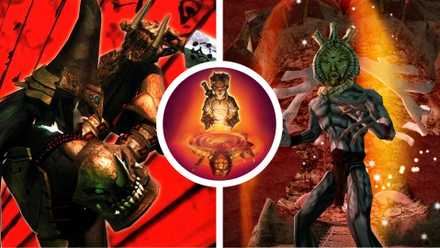
On paper, Lucien is a character with immense potential for a deeply personal and resonant conflict. His descent into madness fueled by loss is a potent narrative device. However, Fable II‘s narrative structure fails to capitalize on this potential. Lucien largely isolates himself in his tower, becoming a distant figure whose descent into villainy is more described than experienced by the player. This narrative choice robs the player of witnessing his psychological unraveling firsthand, diminishing the emotional impact of his motivations.
The final confrontation with Lucien is perhaps the most significant factor in his forgettability. Instead of a challenging, multi-stage boss battle that tests the player’s skills and understanding of the character, the encounter is reduced to a brief quick-time event. The player is given a single button prompt to shoot Lucien, and if they hesitate, another character intervenes to complete the action. This anticlimactic resolution leaves players with the impression that they were told about a formidable villain but were never truly allowed to confront or defeat him on their own terms, solidifying his place as a forgettable antagonist.
5. President Eden – Fallout 3
Fallout 3 plunges players into the irradiated ruins of Washington D.C., a world filled with factions, mutated creatures, and remnants of a pre-war society. Among these remnants is The Enclave, a technologically advanced and morally bankrupt organization seeking to control the wasteland. Their leader, President Eden, however, stands out as a particularly forgettable antagonist, largely due to his limited impact and repetitive presentation.
President Eden’s presence is primarily felt through his chilling propaganda broadcasts, which players can pick up on their Pip-Boy throughout the game. These broadcasts, however, are often mind-numbing and repetitive, leading many players to tune them out in favor of more engaging content, such as the broadcasts from DJ Three Dog. This consistent, albeit passive, exposure does little to endear him as a character or establish him as a tangible threat.
The player’s direct interaction with President Eden is limited to a single, pivotal encounter at an Enclave base. This meeting occurs late in the game and offers a choice: sabotage the player’s deceased father’s project by agreeing to turn the wasteland’s inhabitants into Super Mutants, shoot the terminal to kill Eden, or convince him to self-destruct. This interaction feels like a pale imitation of the antagonist from the original Fallout, The Master, albeit with an AI twist. The lack of meaningful personal engagement and the repetitive nature of his propaganda broadcasts make President Eden a disappointing villain, especially considering the significant role The Enclave plays in the game’s narrative.
4. Corypheus – Dragon Age: Inquisition
Dragon Age: Inquisition is often lauded as a high point in the beloved Dragon Age series, praised for its expansive world, compelling companions, and intricate plot. The game builds a formidable antagonist in Corypheus, an ancient magister seeking godhood and the destruction of the world. The narrative meticulously lays the groundwork for his threat, with foreshadowing in previous games and a monumental introduction that hints at his immense power and sinister potential.
The initial presentation of Corypheus is exceptional. The game masterfully crafts a sense of dread and anticipation around his return. Players are shown the devastating consequences of his potential success, including a scenario where the Inquisitor is either possessed or disappears. The narrative deliberately cultivates the idea that Corypheus is an unstoppable force, a primordial evil returning to reclaim his dominion.
However, once players begin to directly interact with Corypheus and his machinations, the perceived threat begins to wane. His plans, despite their grandiosity, are consistently thwarted by the Inquisition. The narrative struggles to maintain his menace as the player consistently finds themselves one step ahead, even managing to defeat his "horcrux" dragon with relative ease. Despite a powerful and impactful monologue at Haven, Corypheus’s subsequent actions and encounters feel less like the actions of an all-powerful entity and more like those of a bumbling, albeit dangerous, schemer. His inability to regain momentum after his stellar introduction ultimately renders him a less memorable villain than his initial build-up suggested.
3. Orin – Baldur’s Gate 3
Baldur’s Gate 3 is a critically acclaimed RPG lauded for its depth, player freedom, and rich cast of characters, including a host of memorable villains. However, within this stellar lineup, Orin the Red, one of the three central antagonists known as The Dead Three, often fades into the background for players who do not choose the Dark Urge origin.
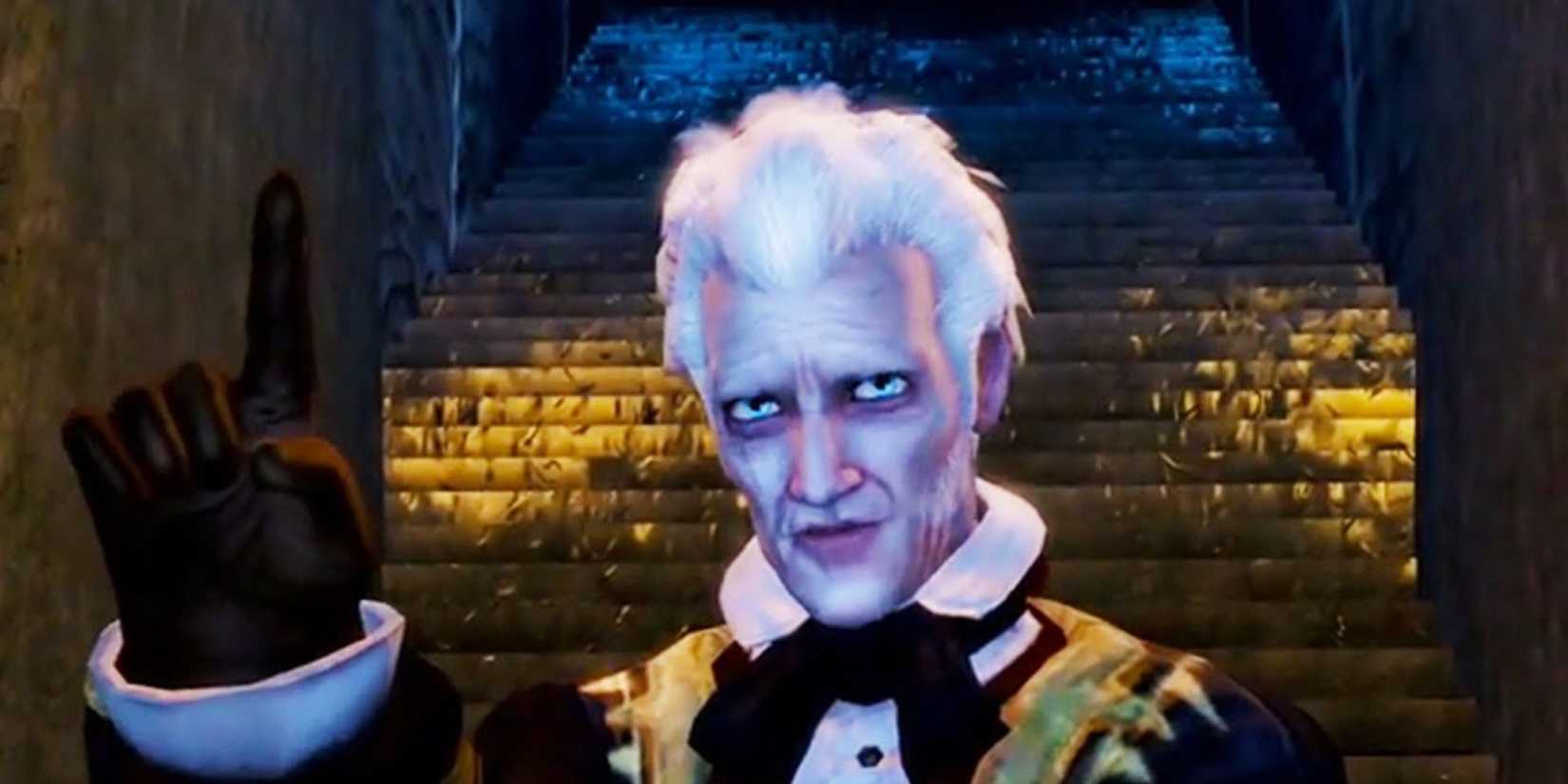
Orin is part of a triumvirate spearheading the Cult of the Absolute, aiming to dominate the Sword Coast. The game initially positions The Dead Three as a unified force. However, this perception quickly erodes as players progress into Act 3, revealing that their alliance is one of convenience, and they are actively plotting against each other.
The revelation that Orin was intended to be a replacement for the Dark Urge, and that she attempted to murder the player character before the game’s events, adds a layer of personal connection. Yet, even within this context, Orin primarily functions as an irritating antagonist in Act 3, designed to troll the player. While she is capable of kidnapping and potentially murdering a companion, her direct personal impact on the player character often feels less substantial than that of her co-conspirators, Ketheric Thorm and Lord Enver Gortash. Her narrative purpose often feels reduced to delivering unsettling taunts and creating minor inconveniences, preventing her from achieving the same level of memorable villainy as other antagonists in the game.
2. Sliro Barsha / Jaylen Vrax – Star Wars Outlaws
Star Wars: Outlaws, an upcoming open-world RPG set in the beloved Star Wars universe, promises a gritty narrative of scoundrels and outlaws. While the game’s premise and atmosphere appear promising, early indications suggest that its main villains, Sliro Barsha and his supposed brother Jaylen Vrax, may struggle to carve out a memorable niche in the vast landscape of Star Wars antagonists.
The narrative introduces Sliro Barsha as a burgeoning crime syndicate warlord seeking to expand his influence. The player character, Kay Vess, initially attempts to infiltrate his vault, a mission that goes awry. Following this setback, Kay is recruited by Jaylen Vrax, a mercenary with an apparent interest in Sliro’s guarded treasure.
The subsequent plot involves Kay assembling a crew to break into Sliro’s vault, only to discover a convoluted familial connection and a power struggle. It is revealed that Sliro Barsha is an ISB director, and Jaylen Vrax is his estranged brother, vying for control of Sliro’s criminal empire. This twist, intended to add depth to the conflict, feels somewhat abrupt and lacks sufficient build-up. The limited screen time and development afforded to both Sliro and Jaylen make it difficult for players to become invested in their personal conflict. Their motivations and the ensuing rivalry feel somewhat generic, making them easily forgettable antagonists in a universe populated by iconic villains.
1. Saburo Arasaka – Cyberpunk 2077
Cyberpunk 2077 immerses players in the dystopian metropolis of Night City, a world dominated by powerful megacorporations and cybernetic enhancements. The Arasaka Corporation stands as a central antagonist, and its enigmatic patriarch, Saburo Arasaka, is positioned as a figure of immense influence and historical significance.
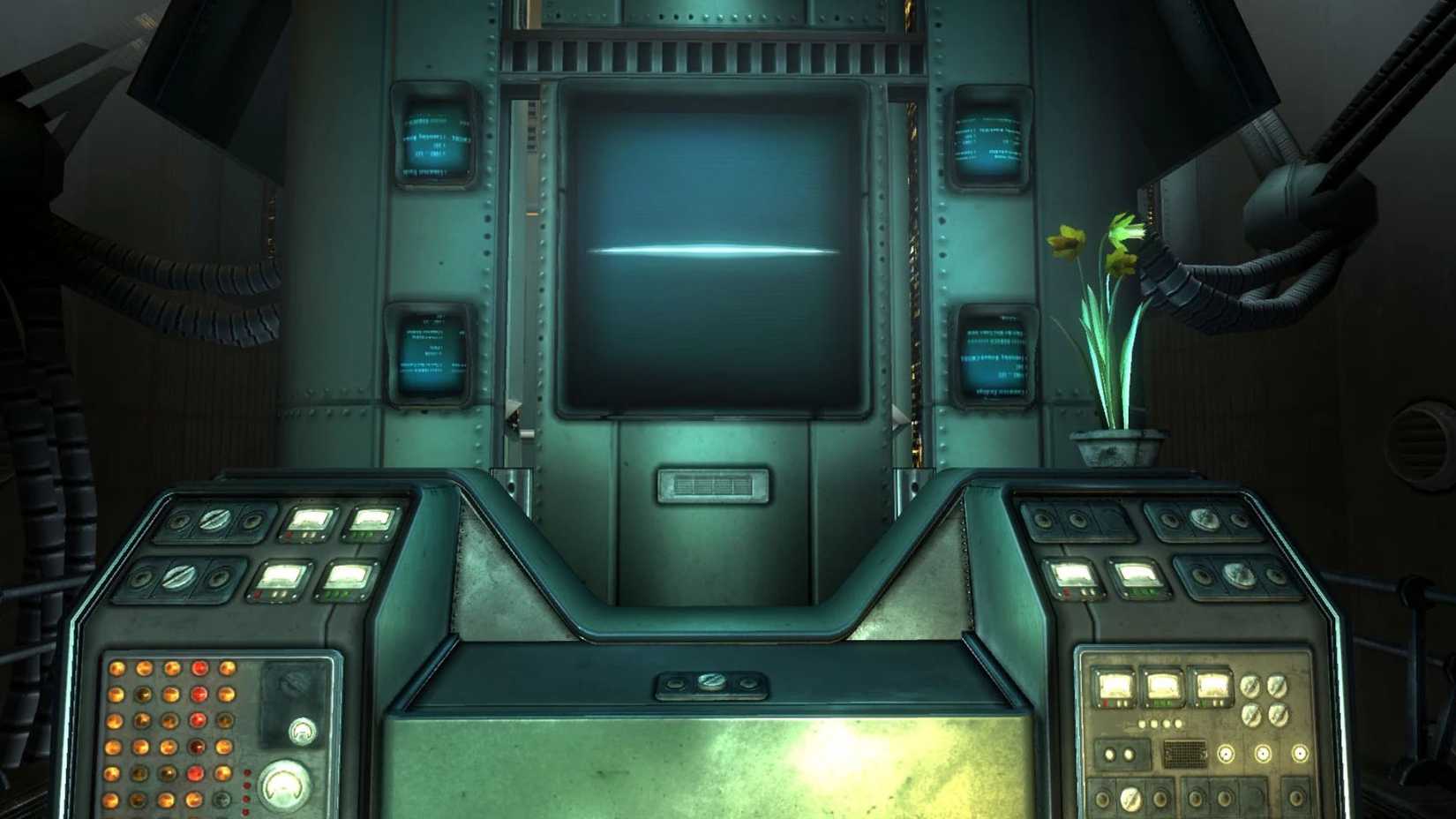
Saburo Arasaka’s narrative impact is significantly hampered by his limited direct presence. While he is the face of the corporation responsible for many of the game’s central conflicts and the architect of Night City’s oppressive social structure, his actual screen time is remarkably scarce. The player has minimal direct interactions with him in his physical form, as he dies relatively early in the game.
The game attempts to maintain Saburo’s relevance through his research into immortality and the subsequent transfer of his consciousness into a digital engram. This allows his influence to persist throughout the remainder of the player’s playthrough. However, the depth and intrigue surrounding his character are largely relegated to scattered lore entries, data shards, and background information found throughout the game world. For players who prefer narrative depth to be delivered through direct character interaction rather than hidden collectibles, this approach diminishes Saburo’s impact. Ultimately, the sheer scale and omnipresent nature of the Arasaka Corporation overshadow the man himself, robbing him of a truly memorable narrative arc and solidifying his place as a forgettable antagonist.
Conclusion: The Enduring Challenge of Memorable Villainy
The creation of a truly memorable RPG villain is a delicate art. It requires a careful balance of narrative presence, compelling motivation, and impactful interaction. While games like The Witcher 3 and Baldur’s Gate 3 often succeed in crafting unforgettable adversaries, the examples above highlight the persistent challenge of ensuring that the game’s central antagonist resonates with players.
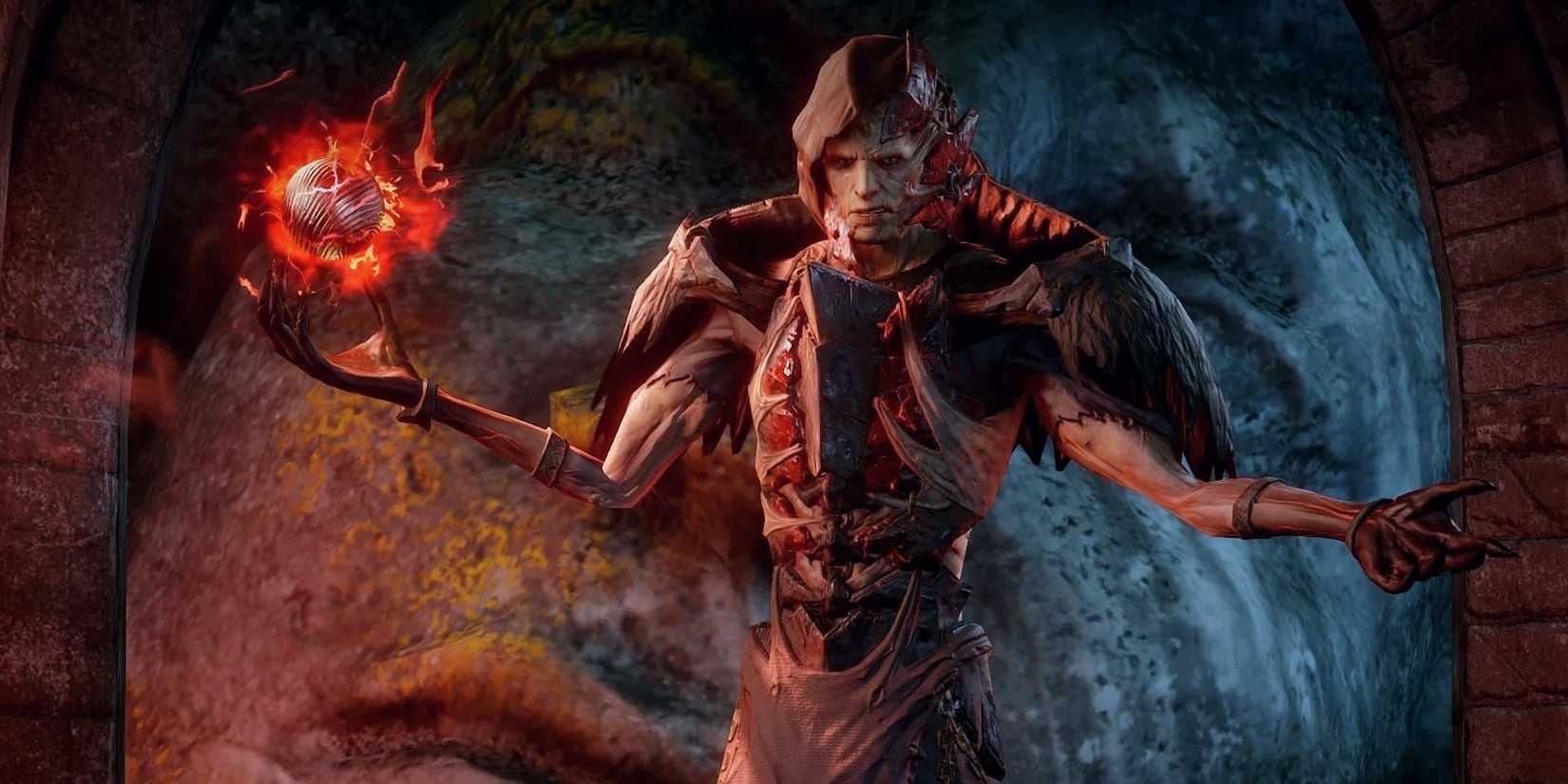
As RPGs continue to evolve, offering ever-more complex narratives and expansive worlds, the importance of a well-realized villain remains paramount. A forgettable antagonist not only detracts from the player’s overall experience but also represents a missed opportunity to explore the darker, more complex facets of the game’s universe. The figures on this list serve as a reminder that even with the grandest of plots, a villain’s impact is ultimately measured by their ability to linger in the player’s mind long after the adventure has concluded.











No comments yet. Be the first to join the conversation!