

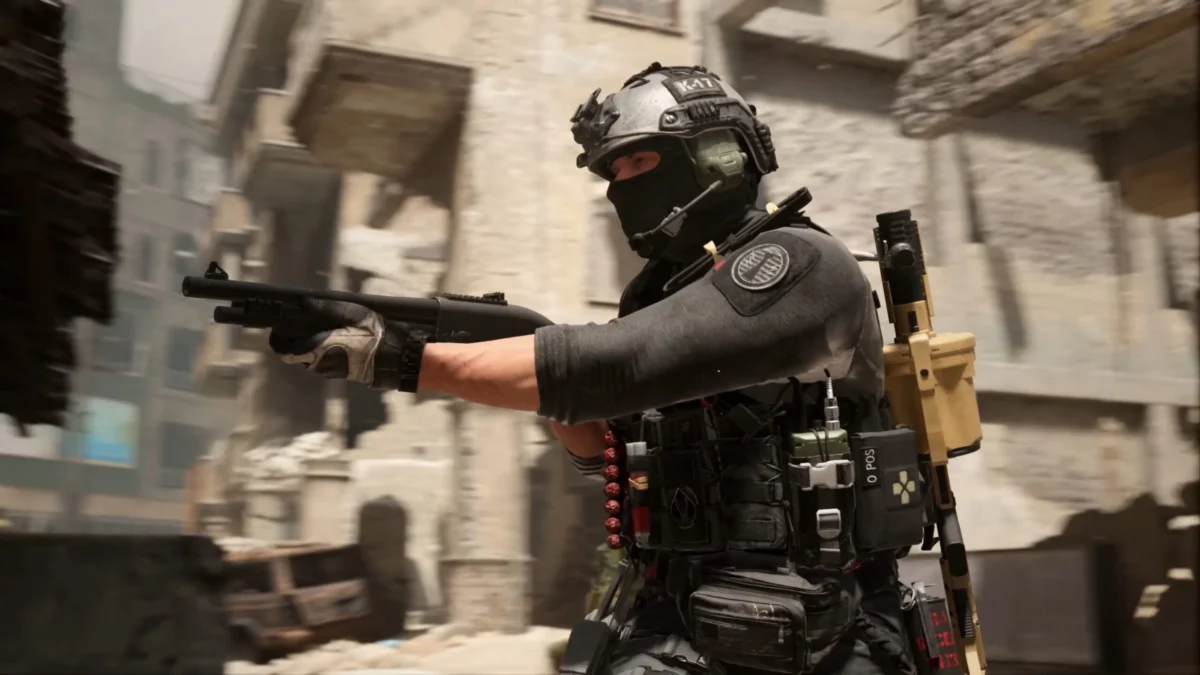
The gaming industry is currently gripped by a familiar, yet increasingly plausible, rumor: the return of the Call of Duty franchise to Nintendo hardware. As speculation surrounding the successor to the Nintendo Switch—colloquially dubbed the "Switch 2"—reaches a fever pitch, whispers have coalesced around the idea that Activision’s flagship shooter could be a cornerstone of the next-generation console’s library.
While a recent, blurry image claiming to be the cover art for Modern Warfare 4 has set social media ablaze, industry insiders and analysts are looking past the pixelated aesthetics to focus on the concrete business maneuvers happening behind the scenes. For a franchise that has been conspicuously absent from Nintendo consoles for over a decade, a successful integration into the Nintendo ecosystem would represent one of the most significant strategic pivots in Activision’s history.
The Core Facts: What We Know About the "Modern Warfare 4" Leak
The digital breadcrumbs leading to this latest speculation began with a leaked image circulating across various gaming forums. The image, which purportedly showcases the box art for Call of Duty: Modern Warfare 4, is grainy, heavily watermarked, and lacks the polish of an official marketing asset.

As is customary in the modern era of leaks, the consensus among veteran observers is to approach the image with extreme skepticism. Historically, "leaked" box art is often the product of talented community designers or elaborate hoaxes meant to stir up engagement. However, the substance of the rumors surrounding the image is far more credible. Industry insider NateTheHate, who has a track record of accurately predicting developments within the Nintendo sphere, has publicly affirmed reports that Modern Warfare 4 is the intended title to break the decade-long drought of Call of Duty on Nintendo hardware.
Chronology: A Decade of Distance
To understand the weight of these rumors, one must look at the timeline of Call of Duty’s relationship with Nintendo. The franchise was once a staple of the Nintendo Wii, with titles like Modern Warfare 3 and Black Ops receiving dedicated ports. However, as the technical gap between Nintendo hardware and its competitors (PlayStation and Xbox) widened during the Wii U and original Switch eras, Activision opted to focus its resources on platforms that could handle the high-fidelity demands of the Call of Duty engine.
- 2013: The last mainline Call of Duty title, Call of Duty: Ghosts, arrives on the Wii U, marking the end of the franchise’s presence on Nintendo systems.
- 2014–2022: As the series shifts toward live-service models and heavy graphical fidelity, Nintendo platforms are entirely excluded from the release schedule.
- 2023: Microsoft formally acquires Activision Blizzard. As part of the regulatory approval process, Microsoft signs a legally binding 10-year agreement to bring Call of Duty to Nintendo platforms, effectively ending the platform exclusivity concerns that had previously haunted the franchise.
- 2025: Speculation reaches a breaking point as reports emerge regarding the Switch 2’s technical capabilities, suggesting it may finally be powerful enough to support modern multiplatform releases.
Supporting Data: Why 2027 is the Turning Point
The business case for bringing Call of Duty to a Nintendo console has never been stronger, particularly following a challenging 2025 for the franchise. Recent industry reports indicate that Call of Duty saw a dip in revenue and active player counts across PC and current-gen consoles throughout the last fiscal year.

For Activision, the Nintendo install base represents an untapped goldmine. With the Switch ecosystem boasting well over 140 million users, the potential for expanding the Call of Duty footprint is immense. By leveraging the Switch 2, Activision gains access to a massive demographic of casual and core gamers who have been unable to experience the franchise’s evolving "Warzone" and multiplayer ecosystems.
Furthermore, technical analysis suggests that the Switch 2 is being designed with modularity and modern processing power in mind. Unlike the original Switch, which struggled to keep pace with the massive assets of modern AAA shooters, the rumored specs for the successor indicate that the hardware may utilize NVIDIA-backed AI upscaling technology (such as DLSS). This would allow the console to render high-fidelity Call of Duty experiences without requiring the massive raw power of a PlayStation 5 or Xbox Series X.
Official Responses and Corporate Strategy
To date, Activision, Microsoft, and Nintendo have remained tight-lipped regarding the specific details of the next Call of Duty release. However, the foundation for this move was laid by Microsoft Gaming CEO Phil Spencer, who has been vocal about the company’s intent to treat Nintendo as a premier partner.

During the arduous antitrust proceedings involving the acquisition of Activision, Microsoft’s promise to bring Call of Duty to Nintendo was a "golden ticket" used to satisfy regulators. Now, that promise is transitioning from a legal obligation to a growth strategy. Industry experts suggest that internal teams at Sledgehammer Games—a primary studio for the series—have been tasked with exploring, and potentially executing, ports for Nintendo hardware. This suggests that Modern Warfare 4 is not a one-off experiment, but rather the beginning of a sustained, multi-year commitment to the platform.
The Implications: A New Era for Competitive Gaming
If Call of Duty indeed launches on the Switch 2, the implications for the broader gaming market are significant.
1. The Demise of Platform Tribalism
The inclusion of Call of Duty on a Nintendo console effectively signals the end of the "console wars" mentality that defined the 2010s. By making the world’s most popular shooter available on the world’s most popular hybrid console, the industry is moving toward a service-oriented model where content is platform-agnostic.

2. Technical Feasibility as a Standard
The successful deployment of a Call of Duty title on the Switch 2 would serve as a "stress test" for the console’s power. If the game runs smoothly, it will likely open the floodgates for other high-end third-party titles that were previously considered impossible on Nintendo hardware. It proves that the hardware is no longer a bottleneck for AAA industry standards.
3. Economic Revitalization
For Activision, the gamble is simple: reverse the downward trends of 2025 by accessing the Nintendo user base. If the game succeeds, it could set a new benchmark for revenue in the franchise, proving that the Nintendo audience is just as hungry for competitive shooters as their counterparts on Xbox and PlayStation.
What Should Players Watch For?
As we look toward official announcements in the coming months, the community should focus on three key indicators:

- Official Reveal Trailers: Does the end-slate of a future Call of Duty trailer feature the Nintendo logo? That is the ultimate confirmation of the franchise’s return.
- Cross-Play Functionality: A major point of contention will be whether Nintendo users will be able to play with those on Xbox and PC. Cross-play integration would be the final piece of the puzzle, signaling that Activision treats the Switch 2 as a first-class citizen in the Call of Duty ecosystem.
- Performance Benchmarks: If the game is announced for Switch 2, pay close attention to whether it is a native port or a cloud-based version. A native port would be a monumental achievement for Nintendo and a massive win for mobile gamers everywhere.
The "Modern Warfare 4" leak, regardless of the validity of the specific image, serves as a harbinger of the changing tides in the gaming industry. As the line between dedicated consoles and mobile gaming continues to blur, the return of Call of Duty to Nintendo feels less like a rumor and more like an inevitability. Whether or not it arrives alongside the launch of the Switch 2 remains the defining question of the next two years. For now, the gaming world waits—not just for a new game, but for a new chapter in the history of the industry’s most storied shooter.












No comments yet. Be the first to join the conversation!