Asro
Asro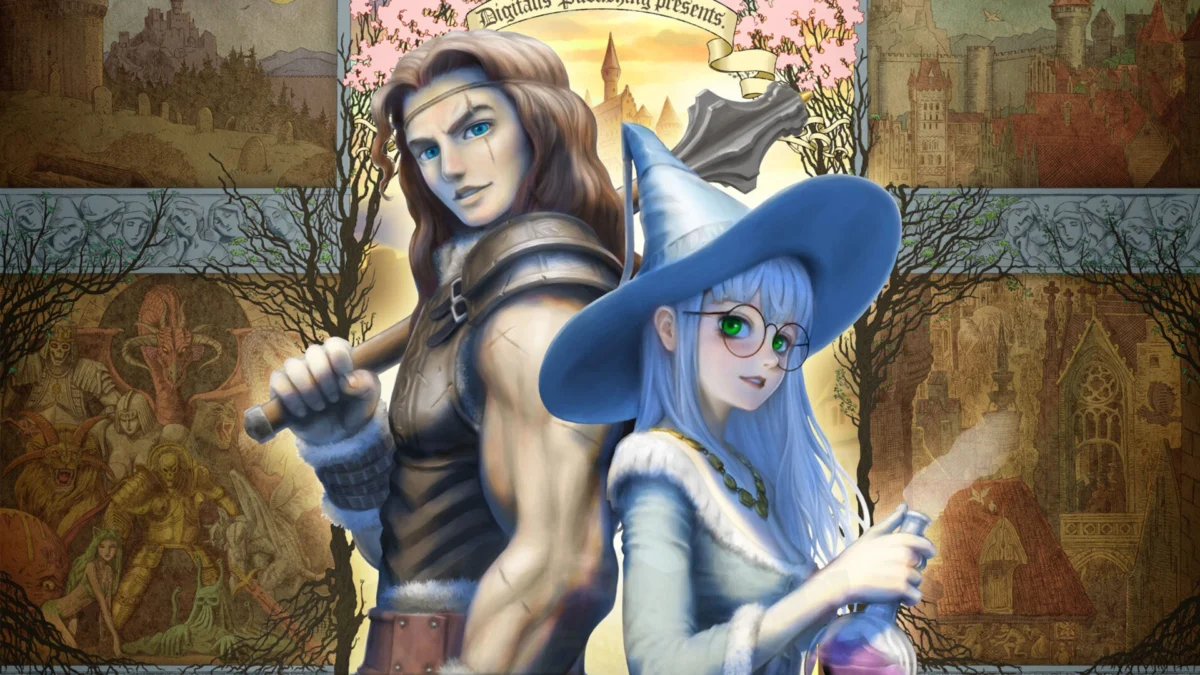
In an industry increasingly dominated by massive, sprawling open-world epics and the rapid encroachment of generative AI, a humble yet ambitious project has emerged from an unlikely setting. Veritas Tales: Witch of the Dark Castle is not merely a video game; it is a meticulously crafted homage to the tactile roots of fantasy role-playing. Developed by industry veteran Yoshio Nishimura, the title represents a radical departure from the high-octane production environments of AAA studios, offering instead a deeply personal experience born from the quiet solitude of a rural Japanese mountain village.
The Genesis of an Idea: A Return to Roots
The story of Veritas Tales begins with the journey of its creator, Yoshio Nishimura. With a career spanning three decades, Nishimura is a name synonymous with some of the most visually arresting titles in gaming history. Having served as the chief background artist on Capcom’s Monster Hunter series, and later lending his immense talent to the distinct, storybook aesthetics of Vanillaware classics like Odin Sphere and 13 Sentinels: Aegis Rim, Nishimura’s pedigree is impeccable.
However, the relentless pace of major studio development eventually spurred a lifestyle change. Several years ago, Nishimura made the decision to step away from the industry’s urban hubs, settling into a remote mountain village in rural Japan. There, he balances the rhythmic, grounded labor of farming with the solitary, creative pursuit of game development. This transition from the digital forge of a major office to the quiet contemplation of the countryside is the heartbeat of Veritas Tales.
Chronology: From Concept to Release
The project, which is set to launch on July 9, represents the culmination of this transition. While the game’s announcement trailer offers a glimpse into its mechanical depth, the development timeline reflects a philosophy of "slow" design—prioritizing the soul of the work over the industry standard of rapid iteration.
- Pre-Development: Following his departure from Vanillaware, Nishimura began conceptualizing a game that would strip away the visual clutter of modern RPGs to return to the foundational experience of tabletop gaming.
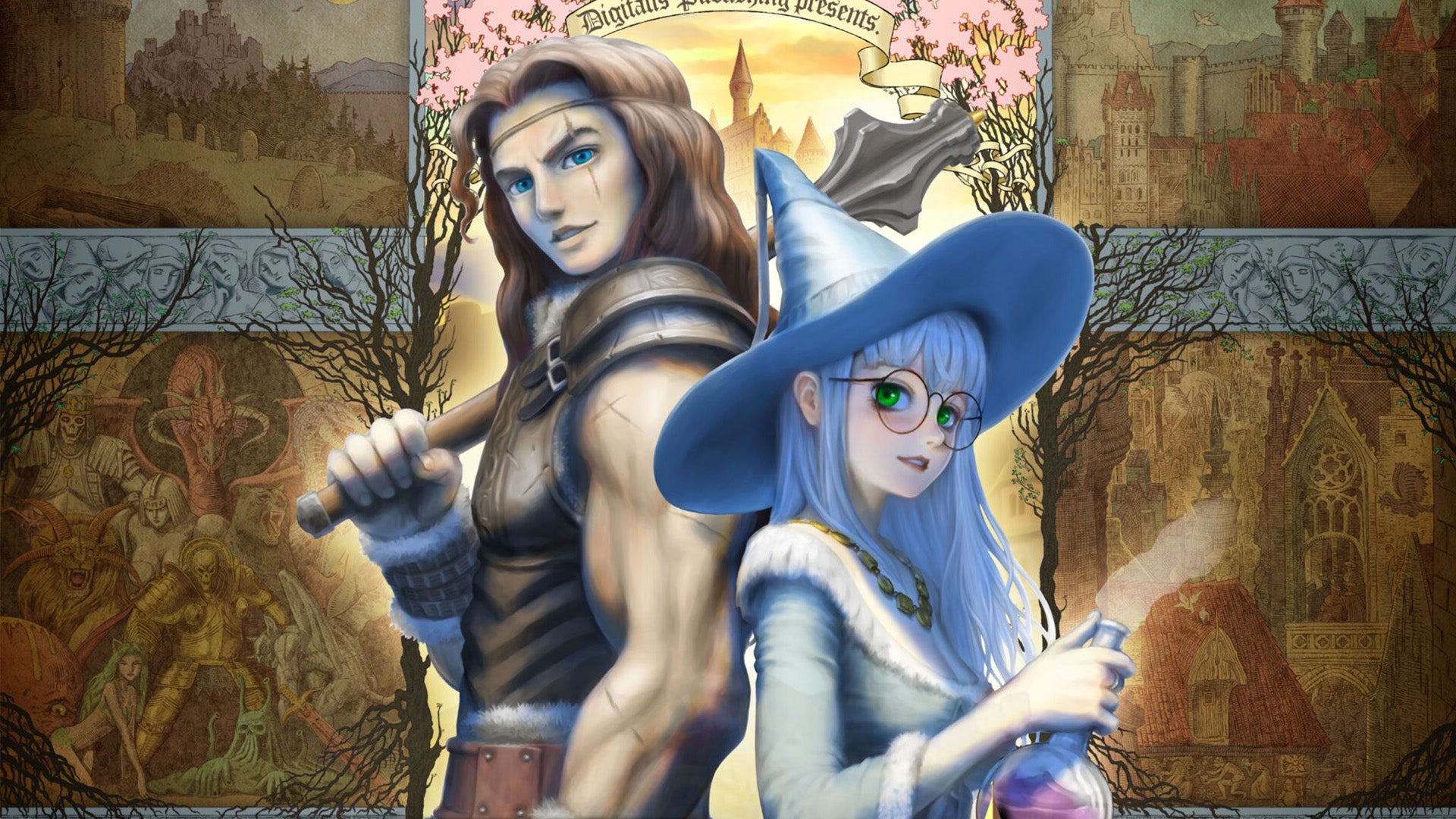
- The Design Phase: Unlike most projects that seek to mimic the look of traditional art, Veritas Tales was built on the premise of being truly "handmade." Nishimura dedicated years to hand-drawing every asset, ensuring that the game’s visual identity remains authentic to the "choose your own adventure" (CYOA) genre.
- The Composition Phase: In a massive coup for the indie title, Hitoshi Sakimoto—the legendary composer behind Final Fantasy Tactics and Final Fantasy XII—was brought on board to provide the score. This collaboration bridges the gap between the game’s retro-inspired aesthetic and a high-fidelity emotional soundscape.
- Announcement and Final Polish: With the release date set for July 9, the final months of development have been dedicated to ensuring the mechanical fluidity of the "character sheet" system, which functions as the primary user interface for the player.
The Mechanics of the Manuscript
Veritas Tales: Witch of the Dark Castle operates on a premise that feels both nostalgic and refreshingly innovative. Players interact with the world as if they are navigating the pages of a physical choose-your-own-adventure book. This is not a meta-layer; it is the game itself.
The screen is divided into two distinct zones: the narrative content to the left, which progresses as the player makes choices, and the adventurer’s sheet to the right. This sheet functions as a living document of the player’s journey, displaying hand-drawn character portraits, current health levels, inventory items, and level progression.
The game’s Steam page emphasizes a return to the "true weight and texture" of tabletop RPGs. By removing the abstractions of modern gaming—such as complex 3D models or cinematic cutscenes—Nishimura forces the player to engage with the text and the illustrations, creating a more intimate, imaginative connection between the user and the protagonist.
Supporting Data: The Human Touch in an Automated Age
Perhaps the most significant aspect of Veritas Tales is its firm stance against the current industry trend of utilizing generative AI to accelerate production. In a landscape where efficiency is often prioritized over artistic intent, Nishimura’s commitment to manual labor is a political and artistic statement.
"No generative AI was used at any stage," the developer stated in his official project documentation. This is not merely a marketing tag; it is the core ethos of the project. The game aims to prove that a title with a "soul" is one that is uniquely and entirely created by a human hand. This stands in stark contrast to the modern "content mill" approach, where textures, assets, and even dialogue are often produced or augmented by algorithms.
By opting for this route, Nishimura is tapping into a growing segment of the gaming audience that feels alienated by the homogenization of modern digital art. The success of this approach will serve as a key data point for independent developers wondering if the market still values the imperfection and warmth of artisanal game design.
Official Stance and Industry Implications
The implications of Veritas Tales go beyond the success of a single title. It highlights a shift in how veteran developers are viewing their legacy. For creators like Nishimura, the industry’s shift toward "live service" and constant content updates has created a disconnect between the artist and the finished product.
In recent interviews and press releases, the focus remains on the "texture" of the experience. By referencing modern titans like Elden Ring and Baldur’s Gate 3, the developers acknowledge that while the industry has evolved, the "dungeon-crawling" spirit remains unchanged. They posit that the reason these modern games resonate so deeply is that they are, at their core, modernized versions of the dice-rolling, page-turning adventures of the past.
The involvement of industry legend Hitoshi Sakimoto further legitimizes the project, signaling that this is not just a hobbyist endeavor, but a sophisticated piece of interactive art. Sakimoto’s ability to evoke gravitas through orchestral swells is expected to elevate the game’s "storybook" premise into a high-stakes fantasy epic.
The Philosophy of the Mountain Village
What makes Veritas Tales a cultural anomaly is its provenance. The fact that this game was birthed in a rural mountain village, far from the pressures of Tokyo’s corporate districts, is integral to its identity.
In a traditional office setting, the design process is often dictated by committee, market research, and the need for constant scalability. In contrast, Nishimura’s environment allows for a singular, uncompromised vision. The game reflects the pace of the village: patient, intentional, and quiet.
This leads to a larger question: Is the future of high-quality independent gaming to be found in the decentralization of the workforce? As developers seek to escape the burnout associated with the "crunch" culture of major studios, we may see more "mountain village" projects—games made in isolation, free from the noise of the industry, and richer for it.
Conclusion: A Date with Destiny
As July 9 approaches, the industry watches with a mix of curiosity and hope. Veritas Tales: Witch of the Dark Castle stands as a testament to the idea that a single person, armed with years of experience and a clear artistic vision, can challenge the status quo.
Whether it becomes a commercial blockbuster is perhaps secondary to its role as a beacon for what is possible when a developer chooses the path less traveled. For those who grew up marking their HP with pencils on tattered character sheets, and for those who appreciate the raw, unrefined beauty of hand-drawn art, Veritas Tales offers an invitation to return to the source. It is, in every sense, a love letter to the history of the medium, written in the quiet peace of the Japanese mountains.



 Muslim