

By [Your Name/Gaming Correspondent]
The engines have roared, the tires have screeched, and the virtual festival gates have once again opened, this time transporting players to the vibrant, diverse landscapes of Japan. Forza Horizon 6, the latest installment in Playground Games’ critically acclaimed open-world racing series, arrives with all the familiar spectacle and expansive car culture its fans have come to expect. Yet, as the rubber meets the road, a central question emerges: in its steadfast commitment to a winning formula, has Forza Horizon 6 sacrificed the opportunity for genuine innovation, or does its polished consistency remain its greatest strength?
The initial impressions are clear: Forza Horizon 6 is content to stay the course, offering a meticulously crafted experience that prioritizes broad appeal and immediate gratification over radical departures or challenging new frontiers. This approach, while ensuring accessibility and widespread enjoyment, also invites scrutiny from those who hoped for a sharper edge or a more profound evolution in the long-running franchise.
Main Facts: The Festival Arrives in Japan
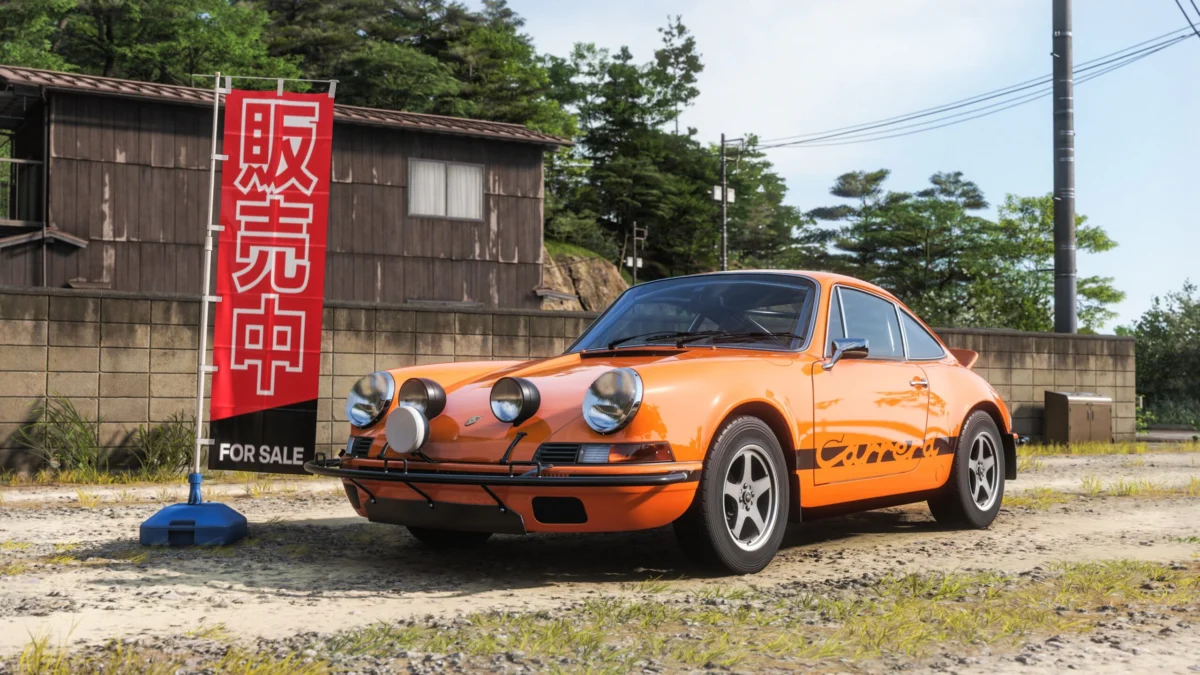
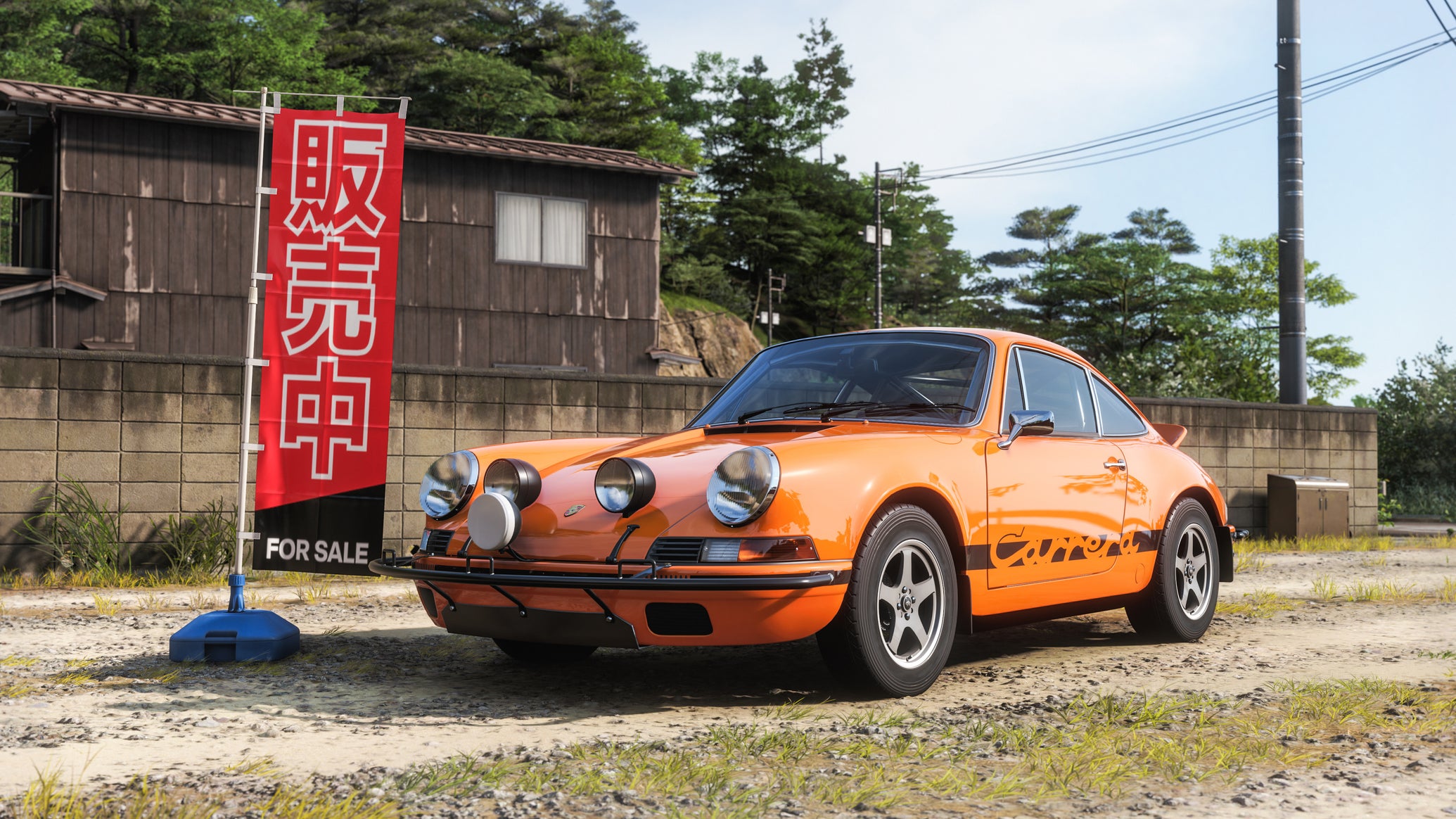
Forza Horizon 6 plunges players into a dynamic, open-world rendition of Japan, blending the neon-lit urban sprawl of downtown Tokyo with the serene beauty of its rural hinterlands, including winding mountain passes and picturesque coastal roads. This vibrant new setting serves as the backdrop for the latest iteration of the Horizon Festival, an extravagant celebration of car culture, music, and competitive driving.
At its core, Forza Horizon 6 remains a colossal car-collecting driving game, emphasizing the joy of acquiring, customizing, and showcasing hundreds of meticulously rendered vehicles. The game’s design philosophy eschews the demanding precision of traditional racing simulations in favor of an accessible, free-form driving fantasy. Players are encouraged to explore, participate in a myriad of events, and build their dream garage without feeling unduly pressured by unforgiving mechanics or steep learning curves.
The narrative framework, while light, establishes a clear objective: rise through the ranks of the Horizon Festival by earning points and unlocking new tiers. This progression is seamlessly integrated with an expansive open world that gradually reveals its secrets and challenges, ensuring a continuous stream of engagement. From the moment players hit "play," they are enveloped in a world designed for exhilaration and discovery, a testament to Playground Games’ mastery of the open-world racing genre. The choice of Japan as the primary location provides a fresh aesthetic and cultural palette, promising new visual wonders and driving experiences that differentiate it from previous installments set in Mexico, the UK, Australia, and Colorado.
Chronology: From First Drive to Festival Icon
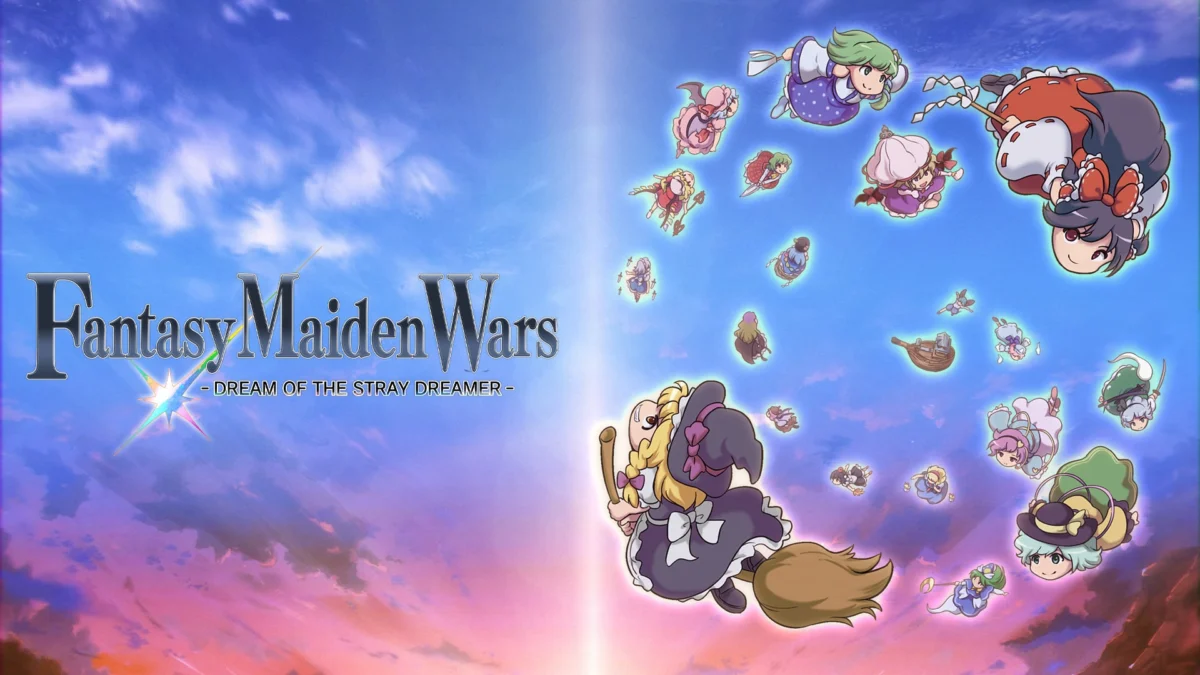
The journey into Forza Horizon 6 begins with a flourish, echoing the series’ established tradition of high-octane introductions. Upon launching the game, players are immediately greeted by an opening song carefully selected to set the infectious, celebratory tone of the Horizon Festival. This audio cue, coupled with the iconic main menu showcasing a revolving gallery of "Cool Cars" and the less-cool, vaguely defined characters orbiting them, serves as a comforting and familiar welcome for veterans and an exciting primer for newcomers.
The moment of commitment, clicking "play," catapults players directly into an exhilarating introductory sequence. This initial drive acts as a guided tour, showcasing a small but impactful segment of the new Japanese map. Players are thrust into a series of dynamic scenarios, traversing diverse terrain that highlights the country’s varied landscape – from bustling city streets to tranquil rural pathways. This carefully curated sequence swiftly establishes the fundamental structure of the Horizon competition, hinting at the vast array of activities and challenges that lie ahead. Following this cinematic immersion, players are presented with their first significant choice: selecting their initial car, a decision that symbolically marks their official entry into the festival.
From this point, the world of Horizon 6 begins its gradual, organic unveiling, mirroring the progressive structure seen in earlier titles. While approximately 95% of the expansive map is technically accessible from the outset, true progress is skillfully gated by the new "Wristband system." This system functions as a multi-tiered progression bar, demanding players to earn points by participating in "Qualifiers" – a diverse selection of races and events that push them towards the next Wristband tier. Winning events yields the most substantial point payouts, but even podium finishes contribute significantly, especially in the early stages.
Running parallel to the Wristband system is "Discover Japan," a separate but equally crucial progression track. This system focuses on guided exploration, introducing players to Japan’s ten distinct regions and the "paper-thin characters" who serve as their guides. Discover Japan’s activities are designed to broaden the player’s understanding and appreciation of the game’s setting, often prioritizing scenic drives and unique challenges over pure speed. This dual-track progression ensures that players are constantly engaged, whether through competitive racing or leisurely exploration, preventing the game from overwhelming them with its sheer volume of content while maintaining a steady sense of advancement. The gradual unlocking of menu tiles and activity markers further reinforces this controlled unveiling, ensuring that even longtime fans find the onboarding process intuitive and enjoyable.
Supporting Data: Deep Dive into Mechanics and Aesthetics
Forza Horizon 6’s commitment to its established identity is evident in its nuanced gameplay mechanics, visual fidelity, and distinct activity types. The review highlights a crucial distinction: Horizon 6 is primarily a car-collecting driving game, not a hardcore racing simulation. This philosophy permeates its design, manifesting in several key areas. Players are rarely forced to meticulously learn circuit intricacies or engage in deep car tuning to overcome challenges. Instead, the game offers accessible solutions: lowering AI difficulty, leveraging a robust community-driven tuning system (even if not always available pre-launch), or simply acquiring more powerful vehicles. This "throw money at the problem" approach ensures that progression remains fluid and frustration is minimized, aligning with the game’s broad appeal.
Progression and Activities:
The Wristband system, while a new nomenclature, functions as a familiar tiered progression. Players accumulate points through Festival races, with larger payouts for victories. Supplementing these are PR Stunts, which are quick, engaging challenges scattered across the map. These include smashing XP Boards for experience, blasting through Speed Cams to set records, and drifting through designated zones. These activities are plentiful and predictable, serving as reliable sources of progression points and a fun way to break up longer drives.

The Discover Japan track stands out for its unique blend of exploration and thematic missions. It’s here that players encounter the more unconventional and often charming activities. Missions like delivering food, testing the limits of freshly restored classic cars, or leading convoys through scenic routes offer a relaxed counterpoint to the competitive races. These activities are less about shaving seconds and more about soaking in the atmosphere and fulfilling the fantasy of driving exotic vehicles in breathtaking locations. Discover Japan also houses more specialized race styles, such as the challenging Touge races on mountain roads and the exhilarating street races, which offer a grittier, more illicit feel compared to the official festival events.
Evolution of Classic Features:
The series’ beloved Barn Finds have a spiritual successor in Treasure Cars within Discover Japan. While Barn Finds tasked players with locating hidden sheds containing classic vehicles within a broad radius, Treasure Cars present a photograph of a car against specific monuments or landmarks. Players must then deduce the camera angle and location to pinpoint the vehicle. The review suggests Treasure Cars are often easier to locate than their barn counterparts, which typically require more intensive searching within dense foliage. This evolution offers a fresh take on a fan-favorite scavenger hunt.
Horizon Rush Events:
A standout new addition is the Horizon Rush events. These are distinct from traditional races, taking place on makeshift, obstacle-course-like circuits characterized by sharp corners and a deliberate lack of clear guidance. These events demand a level of precision and car handling understanding rarely required elsewhere in the game, partly because players are often assigned pre-determined vehicles. Rush races are against the clock and cannot be treated like other activities, offering a much-needed injection of focused challenge that truly tests a player’s driving acumen.
Technical Prowess and Accessibility:
Visually, Forza Horizon 6 leverages cutting-edge technology, most notably ray tracing. This feature significantly enhances the game world’s realism, bringing lifelike reflections, dynamic lighting, and environmental fidelity that can, in natural settings, blur the line between virtual and real-world photography. The demanding nature of ray tracing positions Horizon 6 as a technical showcase for powerful hardware.
Beyond aesthetics, the game includes a robust suite of accessibility options. While many cater to specific needs, the review highlights a universally useful feature: a proximity radar. This 360° radar indicates nearby vehicles, proving invaluable for strategic blocking in competitive races or simply enhancing situational awareness, especially for those who prefer the immersive first-person camera view.
AI and Challenge:
Despite its many strengths, the game inherits some long-standing frustrations, particularly concerning its AI opponents. The review notes the unpredictable nature of AI drivers, who can oscillate between aggressive "rammers" and flawlessly precise "world-class racers" seemingly at whim. This inconsistency, while sometimes adding an unexpected layer of challenge, often feels arbitrary rather than skill-based. The experience of dominating races by the third turn contrasting with seemingly impossible catch-ups against leading cars underscores an underlying imbalance in the AI’s difficulty scaling. This unpredictability, ironically, becomes a primary source of difficulty in races, rather than a finely tuned challenge against skilled virtual drivers.

Official Responses: Playground Games’ Design Philosophy
While the provided text is a review and does not contain direct "official responses" in the form of press releases or developer interviews, we can infer Playground Games’ and Xbox Game Studios’ overarching design philosophy for Forza Horizon 6 based on the game’s execution and the series’ history.
The studio’s clear intent appears to be the refinement and expansion of a highly successful, broadly appealing formula rather than a radical reinvention. This approach aligns with the "idea that, for a long-running series to remain as consistently popular… it needs to diminish itself somewhat with each new entry, gradually losing more and more of its edge in a bid to appeal to the widest possible audience." Forza Horizon 6 seemingly embraces this strategy, prioritizing accessibility, immediate fun, and a vast, engaging open world over catering to a niche segment of hardcore simulation enthusiasts.
Playground Games likely views the Horizon Festival as a fantasy fulfillment engine. Their focus is on enabling players to live out dreams of collecting extraordinary cars and driving them through spectacular, real-world-inspired locales. The consistent structure, the gradual unlocking of content, and the varied activity types are all deliberate choices designed to onboard players smoothly and keep them engaged for extended periods, regardless of their skill level. The emphasis on "car-collecting driving game" over "racing game" signifies a conscious decision to make the experience less about the unforgiving pursuit of victory and more about the journey, the exploration, and the sheer joy of automotive escapism.
The inclusion of advanced visual features like ray tracing demonstrates a commitment to technical excellence and pushing graphical boundaries, ensuring the game remains a showcase for current-generation hardware. Similarly, the robust accessibility options reflect a modern, inclusive design philosophy aimed at making the game enjoyable for the broadest possible player base.
In essence, Playground Games’ "official response," as interpreted through Horizon 6’s design, is a resounding affirmation of the series’ core tenets: accessibility, visual splendor, vast content, and a celebratory, inclusive approach to car culture. They are not attempting to alienate their existing massive fanbase by introducing drastic, potentially polarizing changes, but rather to deliver the most polished and expansive version of the Horizon experience yet.
Implications: The Future of the Festival
The release of Forza Horizon 6, with its steadfast adherence to a proven formula, carries significant implications for the franchise, the broader racing game market, and player expectations.

Implications for the Franchise:
Forza Horizon 6’s reception will likely reinforce Playground Games’ strategy of incremental evolution rather than revolutionary change. If the game is met with widespread commercial success and positive critical feedback (despite minor criticisms about a lack of "edge"), it signals that the current trajectory is sustainable and desirable. Future installments are therefore likely to follow a similar path: a new stunning real-world location, an expanded car roster, updated visuals, and perhaps one or two novel activity types, but fundamentally the same core gameplay loop. This ensures brand consistency and a reliable product for its vast audience, but it also means those yearning for a significant shake-up in mechanics or narrative depth may continue to be disappointed. The series risks becoming predictable, albeit predictably excellent, if it doesn’t eventually introduce more substantial innovations.
Market Position and Competition:
In the competitive racing game landscape, Forza Horizon 6’s approach solidifies its unique position. By leaning heavily into the "car-collecting driving game" ethos, it effectively differentiates itself from more simulation-focused titles like Gran Turismo or Assetto Corsa, and even from more story-driven or illicit street racing games like the recently mentioned Need for Speed Unbound. The review explicitly notes that Need for Speed Unbound "figured out what series wants to be," implying a clearer identity for its rival. Horizon 6, by contrast, continues to own the accessible, open-world festival experience. Its broad appeal and inclusion in Xbox Game Pass further cement its status as a cornerstone title for Microsoft’s gaming ecosystem, ensuring a massive player base from day one.
Player Experience and Expectations:
For the vast majority of players who seek a vibrant, escapist automotive fantasy, Forza Horizon 6 delivers unequivocally. It provides an unparalleled platform for collecting dream cars, customizing them, and driving them through breathtaking environments without the arduous learning curves often associated with the genre. The sheer volume of content, coupled with continuous post-launch support (new cars, events, expansions), ensures long-term engagement for this demographic.
However, for a segment of players – particularly those who have been with the series since its inception and perhaps crave a deeper, more challenging racing experience – Horizon 6 might feel like a missed opportunity. The critique regarding the inconsistent AI and the ease of progression, even without significant skill development, suggests that the game deliberately avoids "rewarding friction." These players might look elsewhere for games that demand more mastery, strategic tuning, or a truly unforgiving competitive environment. The implications are that while Forza Horizon 6 caters expertly to its established and growing audience, it consciously chooses not to pivot towards a more niche, hardcore racing simulation market.
Conclusion:
Forza Horizon 6 is a masterclass in refinement. It offers a stunning new Japanese setting, a gargantuan roster of vehicles, and an accessible, endlessly engaging open-world driving experience. For those who relish the fantasy of car collecting and effortless exploration through beautiful, dynamic landscapes, there is arguably no better game on the market. Playground Games has delivered a product that is polished, visually spectacular, and undeniably fun. However, for players hoping for a revolutionary leap, a significant increase in challenge, or a departure from the series’ well-trodden path, Forza Horizon 6 remains content to embrace its successful legacy, proving that sometimes, staying the course is precisely what its audience desires.











No comments yet. Be the first to join the conversation!