Nana
Nana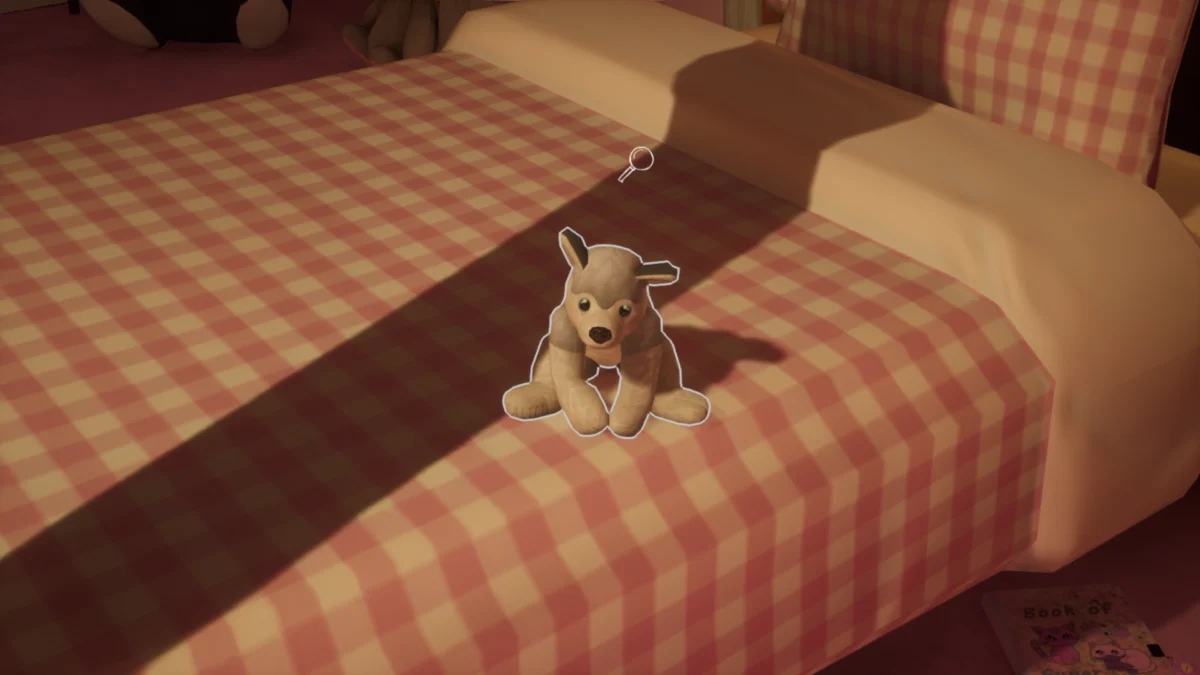
Nostalgia is often framed as a bittersweet longing—a golden-hued gaze backward at a time we can never return to. It is the comfort of a familiar melody or the smell of a childhood home. However, for Silver Script Games, nostalgia is something far more complex and piercing. It is the "pain of homecoming." In their upcoming title, The Quiet Things, the development team is not using the past to provide a warm blanket of comfort; they are using it to confront, process, and dismantle the lingering shadows of childhood trauma.
The Genesis of a Difficult Story
At the heart of The Quiet Things lies a deeply personal narrative. Developed by Alyx Jones, the game serves as a digital vessel for her own experiences with childhood abuse. By synthesizing diary entries, police records, and first-hand accounts into an interactive experience, the game transcends the traditional boundaries of storytelling.
"Well, perhaps interestingly, the word nostalgia is derived from Greek words meaning ‘the pain of homecoming,’ which probably has quite a lot of relevance to this game in a sense," Jones explains. "I know we usually mean nostalgia to mean a longing for a time we can’t return to, but I don’t think that necessarily conflicts with rooms, spaces, and a time where difficult things took place."
By choosing to revisit these spaces, Jones is engaging in a form of radical vulnerability. The game does not hide from the "quiet things"—the small, often overlooked details that define a traumatic upbringing—but instead brings them into the light, allowing the player to witness, navigate, and ultimately understand the weight of these memories.

Aesthetic Choices: The Painterly Look of Memory
While the narrative is rooted in cold, hard reality, the visual language of The Quiet Things is intentionally stylized. Tabbie Lawson, the studio’s 3D artist, notes that the team wanted to avoid a purely photorealistic approach, which could feel too clinical or overwhelming. Instead, they drew inspiration from the painterly aesthetic popularized by Life is Strange.
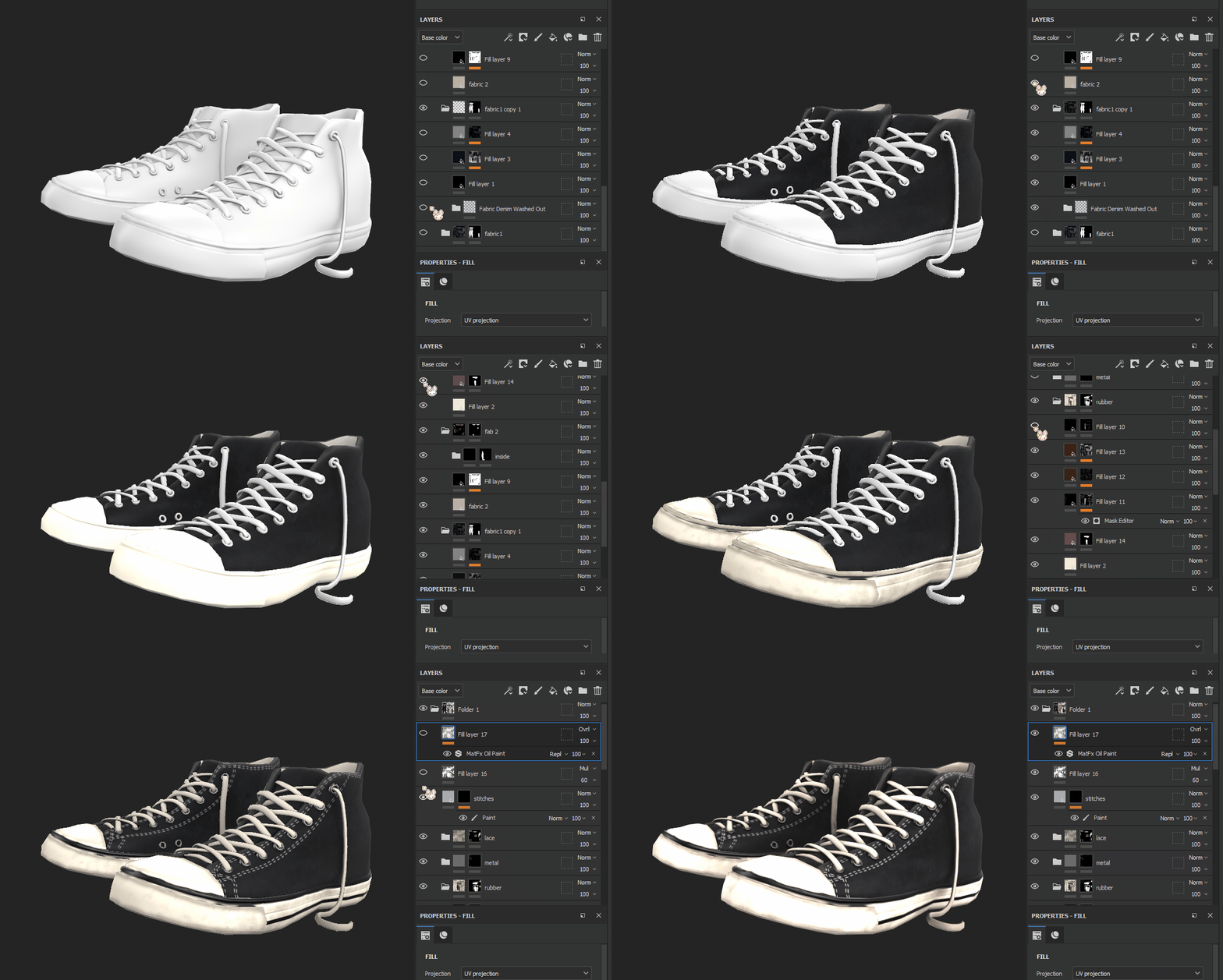
"Every object in the game has an oil paint ‘wash’ multiplied over the materials to give every object a painterly look once you get a little closer," Lawson details. "However, the meshes under their materials are quite accurate to the original references. We wouldn’t want to lose the accuracy of the objects we’re basing story beats on."
This duality is crucial. The structural accuracy of the objects—the specific model of a phone, a game console, or a piece of furniture—grounds the player in a specific temporal reality, likely the late 90s or early 2000s. The paint-like overlay, meanwhile, creates a psychological distance, signaling to the player that they are navigating a reconstruction of memory, not a literal 1:1 simulation. This visual choice has already proven successful; playtesters have reported being hit by waves of genuine recognition, identifying specific items that mirror their own childhoods.
The Mechanics of Memory: Interaction and Immersion
In a medium often obsessed with high-octane action, The Quiet Things embraces the slow, deliberate pace of the "walking simulator." However, the team has been careful to avoid the common pitfalls of the genre. Early playtests revealed a tension: some players felt the game leaned too heavily into "escape room" tropes, where the focus shifted from the narrative to the mechanics of finding keys or solving puzzles.

To combat this, the team streamlined the interactivity. Not every object is meant to be picked up or manipulated. By carefully curating which items are interactive, they ensure that the player’s attention remains focused on the emotional stakes of the scene.
Perhaps the most poignant interaction is the discovery of physical documents. Within the game, players encounter scraps of paper containing genuine diary entries from Jones’ childhood. These are presented with every original misspelling and grammatical error intact, preserving the raw, unedited voice of a child trying to make sense of a world that is failing them.
A Disconnect Between Environment and Narrative
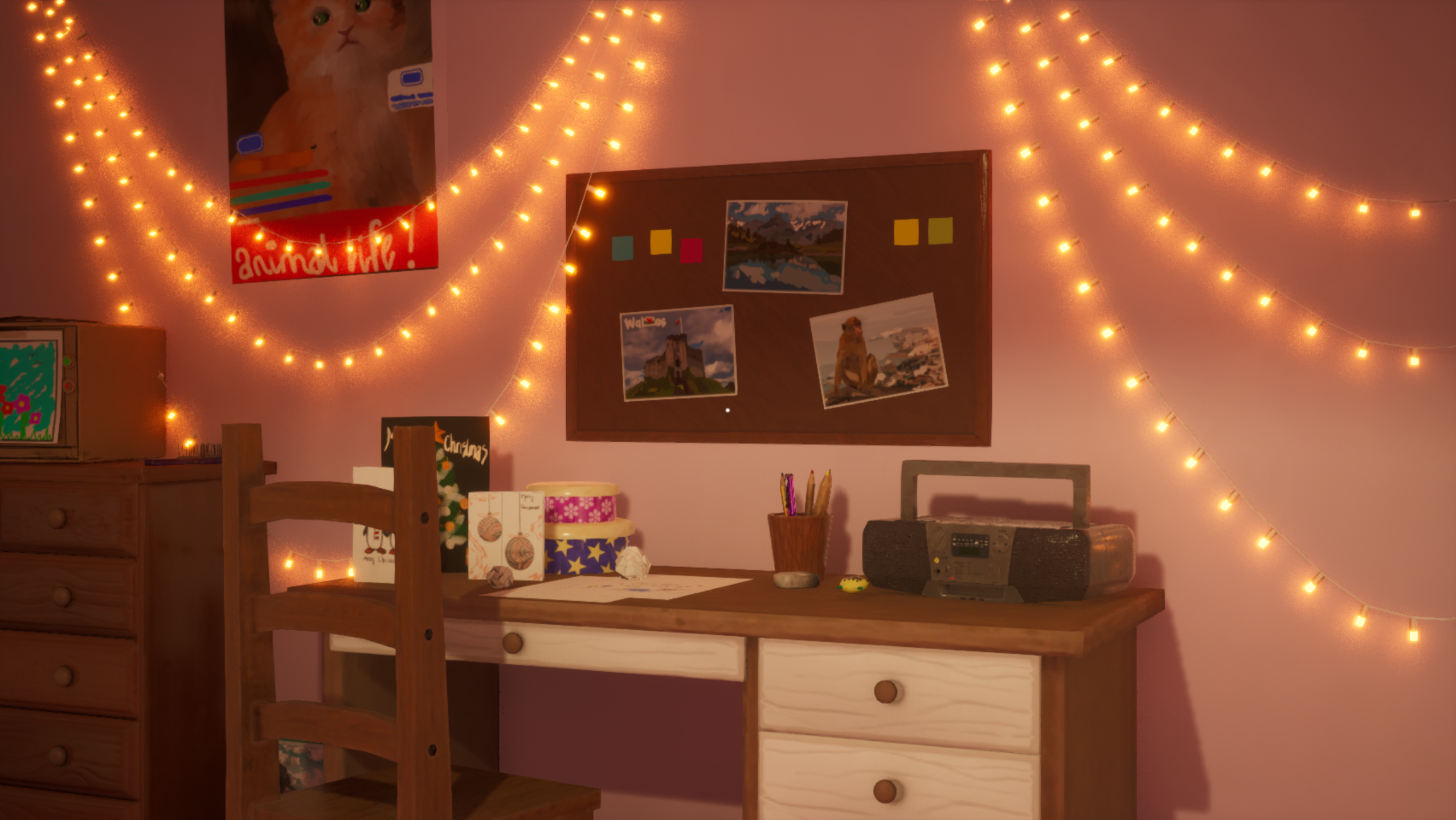
Lawson points out a deliberate, almost jarring, design choice regarding the environment. "There’s an intentional disconnect between the brightly-lit, very ordinary environments we’ve built in our game versus the story that each level is harbouring," she says.
This juxtaposition creates a profound effect. By placing dark, heavy subject matter within the mundane, brightly-lit settings of a domestic home, the game captures the insidious nature of trauma. Abuse often happens in the most "normal" of places, hidden in plain sight. When a player picks up a generic-looking object—a toy, a book, a cassette tape—and triggers a piece of dialogue that reveals a traumatic memory, the environment suddenly shifts in meaning. What was once a static, background object becomes a heavy, anchor-like symbol of a lived experience.
Finding Beauty in the Dark: The Role of Surrealism
The game does not always remain in the realm of the domestic. At times, the narrative drifts into more surreal, abstract environments. These segments offer a visual representation of how the mind processes trauma—sometimes in fragmented, illogical, or dream-like ways.
"We hope players can enjoy the beauty of everything in our game and become as immersed as we are in the story," Lawson notes. However, the team is acutely aware of the weight of their material. They explicitly encourage players to step away, ground themselves, and take breaks if the themes become too heavy. This is a game that respects its audience’s mental health, acknowledging that while art can be a powerful tool for healing, it can also be a trigger.
The Path to Hope: A Message of Resilience
The Quiet Things sits in the lineage of seminal "empathy games" like That Dragon, Cancer and What Remains of Edith Finch. Like its predecessors, it recognizes that games have a unique ability to bridge the gap between player and creator, fostering a sense of shared humanity.
However, the team is adamant that the game is not merely an exercise in misery. There is an undercurrent of hope, a testament to the fact that survival is possible. By partnering with organizations like ChildLine and Safe in Our World, the developers are creating a safety net for players who may be triggered by the content or who are currently navigating similar challenges in their own lives.
"People have asked us before, ‘It’s such a depressing game, is there a happy ending?’" Lawson says. "And we gesture to our team, who’ve gone through these things and come out the other side able to tell our stories to people who are still living them, showing them that it does get better."
Implications: The Future of Therapeutic Gaming
The release of The Quiet Things marks a significant moment in the evolution of indie gaming. It challenges the industry to move beyond entertainment and toward a more profound, therapeutic application of interactive media. By validating the experiences of survivors and offering a window into the reality of child abuse and neglect, the game strips away the stigma that often surrounds these topics.
The implications for the medium are clear: as developers continue to mature, the stories they choose to tell are becoming more personal, more courageous, and more vital. The Quiet Things is a reminder that video games are not just about winning or losing; they are about understanding. They are about the ability to walk through the "pain of homecoming," examine the remnants of the past, and, in doing so, find a way to move forward into a brighter, more open future.
The Quiet Things releases on June 4th. For those interested in the development process, the team’s Kickstarter offers a deep dive into the technical and narrative hurdles they overcame to bring this vision to life. As we look toward its release, it serves as a powerful testament to the resilience of the human spirit and the transformative power of storytelling in the digital age.


 Sagoh
Sagoh
 Dwi Wanna