

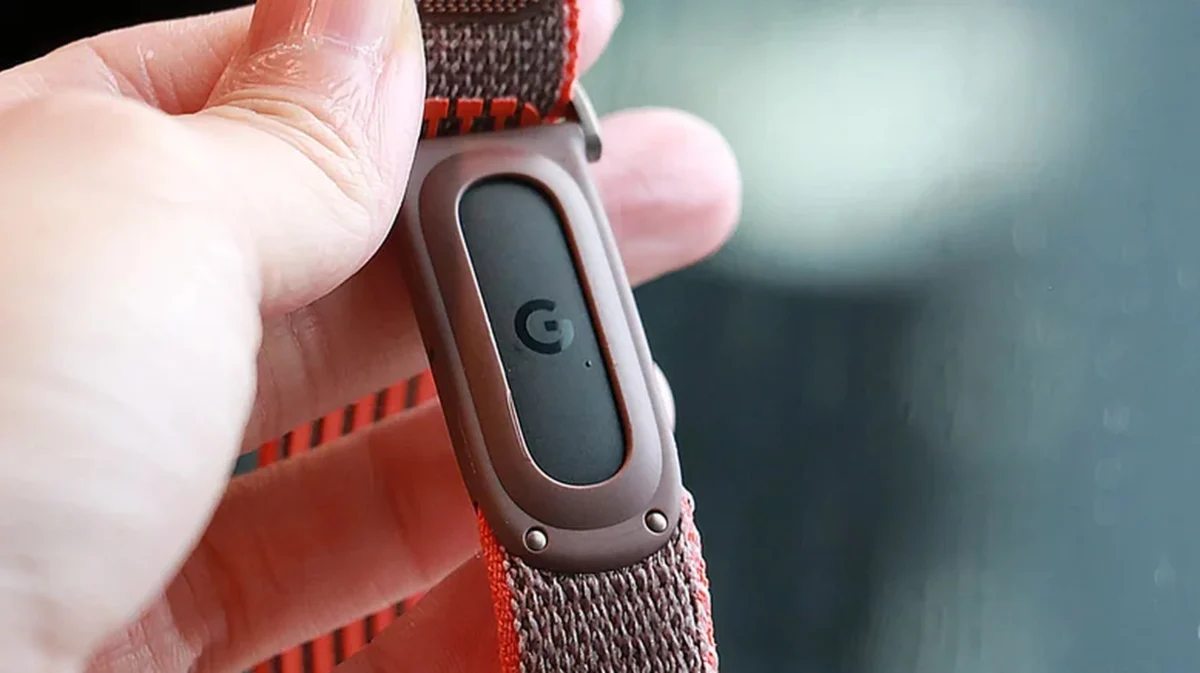
In an era defined by the rapid convergence of personal wellness technology and artificial intelligence, the boundaries between human agency and algorithmic influence are increasingly blurred. This week’s episode of the Engadget Podcast offers a profound look at these two seemingly disparate worlds. Hosts Devindra Hardawar and Cherlynn Low sit down with Fr. Robert Ballecer—widely known as the "Digital Jesuit"—to dissect the emergence of Google’s screenless Fitbit Air and the significant ethical questions posed by Pope Leo’s recent encyclical on the state of global technology.
Main Facts: The Fitbit Air and the Papal Stance on AI
The podcast centers on two major developments: the release of the screenless Fitbit Air and the publication of Pope Leo’s latest encyclical.
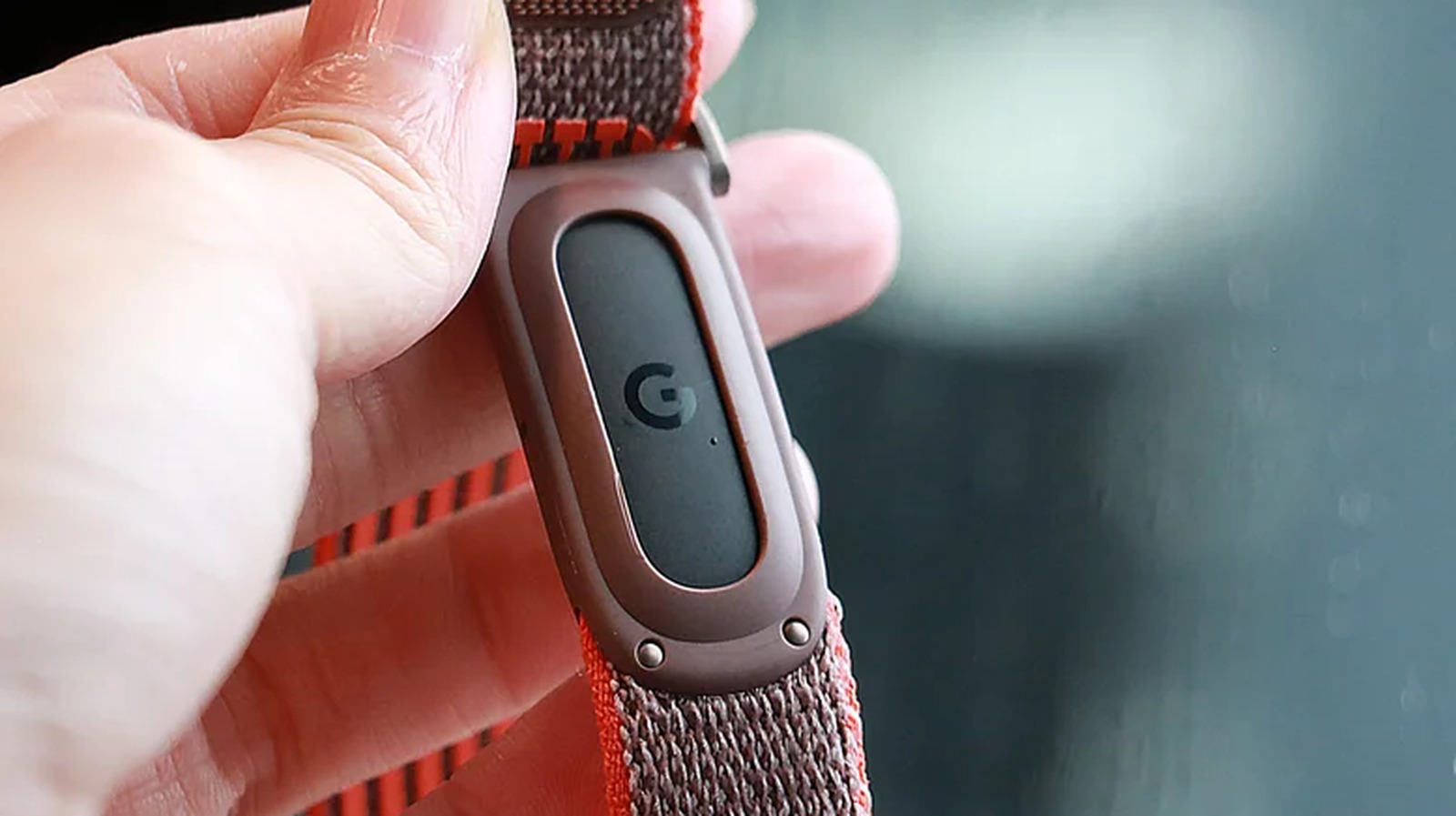
The Fitbit Air represents a strategic pivot for Google. By stripping away the screen, the device aims to compete directly with the "data-first" philosophy popularized by the Whoop band. It is designed to be an unobtrusive, always-on biometric sensor that prioritizes long-term health insights over immediate notification gratification. The device relies heavily on Google’s proprietary Health AI to coach users, effectively making the user’s body a node in Google’s vast data network.
Simultaneously, the global discourse on AI has reached the highest echelons of the Vatican. Pope Leo’s new encyclical marks a historic intervention in the tech space. Rather than a blanket rejection of innovation, the document serves as a moral framework, demanding that Big Tech prioritize the dignity of the human person over the concentration of power and wealth. The document argues that as machines become more capable, the social responsibility of the companies building them must increase proportionately.
Chronology: A Timeline of Innovation and Ethical Oversight
To understand the weight of these developments, one must look at the timeline of the last decade:
- 2014-2018: The rise of wearable "quantified self" culture. Devices move from pedometers to complex biometric trackers, establishing a baseline for constant user monitoring.
- 2020-2022: The explosion of Generative AI. As Large Language Models (LLMs) proliferate, the Vatican begins internal discussions regarding the "digital soul," involving figures like Fr. Robert Ballecer to bridge the gap between faith and emerging technology.
- 2023: Global regulators begin drafting frameworks for AI, mirroring early Vatican warnings about the "black box" nature of machine learning.
- Late 2024: Google launches the Fitbit Air, shifting the focus from "smartwatch utility" to "invisible biometric coaching."
- Present Day: The publication of Pope Leo’s encyclical serves as the first major religious-institutional response to the dominance of AI in daily life, calling for a "human-centric" approach to the next decade of development.
Supporting Data: The Market and The Mandate
The Fitbit Air Market Position
The wearable market has seen a stagnation in growth for screen-based devices. Consumers are experiencing "notification fatigue." Google’s decision to remove the screen is a calculated bet on the "invisible tech" trend. Market analysts point out that Whoop’s success proved that users are willing to pay a subscription fee for deep health analytics without the distraction of emails or texts. The Fitbit Air is Google’s attempt to capture this demographic, utilizing its massive health-data infrastructure to provide superior coaching insights.
The Vatican’s Ethical Framework
The encyclical is not merely an opinion piece; it is backed by years of research conducted by the Dicastery for Culture and Education. The data suggests that AI-driven algorithms—when unchecked—tend to reinforce existing social biases and increase digital isolation. The Vatican’s stance is supported by a growing body of sociological evidence suggesting that algorithmic dependence can lead to a erosion of critical thinking skills, a trend the Church identifies as a spiritual crisis as much as a technological one.
Official Responses and Expert Analysis
The Perspective of the "Digital Jesuit"
Fr. Robert Ballecer, who has been a vocal advocate for technological literacy within the Catholic Church, provides a unique perspective. In the podcast, he notes that the Vatican is not anti-technology; rather, it is "pro-human."
"We are not afraid of the tool," Ballecer explains. "We are afraid of the master of the tool. If the master is a corporation solely focused on quarterly earnings and data harvesting, the human element—the soul, if you will—is inevitably lost in the optimization process." Ballecer highlights that the encyclical is intended to provide a vocabulary for developers and CEOs to talk about "the common good" in ways that are currently absent from boardroom agendas.
Industry Reaction
While Google has not provided an official comment on the encyclical, the company has frequently stated that its "AI-first" mission is designed to "make life easier" for the consumer. Industry insiders argue that if corporations were to implement all of the Pope’s suggestions—such as radical transparency in algorithms and the decentralization of data—the current business model of Big Tech would effectively collapse.
Implications: The Future of Our Digital Lives
The collision of these two topics—a screenless tracker and a theological mandate—reveals a fundamental tension in modern life.
The Problem of Passive Consent
With devices like the Fitbit Air, the data collection process is invisible. Because there is no screen, there is no moment of interaction where the user can easily toggle permissions or assess their data usage. The device is "always on." This raises significant privacy concerns. If we allow technology to become an invisible layer of our skin, how do we maintain the autonomy to say "no" to the data collectors?
The Moral Responsibility of Developers
The encyclical poses a direct question to the Silicon Valley establishment: Can an algorithm be "moral"? The Vatican suggests that because algorithms are programmed by humans, they carry the inherent flaws of their creators. Therefore, if a company refuses to embed ethical considerations into the code, they are actively choosing to ignore the moral implications of their product.
A Call for Digital Stewardship
The podcast concludes on a note of cautious optimism. The host, Cherlynn Low, notes that while the Fitbit Air is a technological marvel, it requires the user to be more conscious of their boundaries than ever before. Fr. Ballecer echoes this, calling for a "digital stewardship" where users treat their personal data with the same respect they would treat their physical property.
Conclusion: Bridging the Gap
The Engadget Podcast episode serves as a necessary wake-up call. We are currently in a period where we are outsourcing our health, our choices, and our moral decision-making to systems we barely understand. Whether it is through the lenses of a wearable device or the pages of a historic encyclical, the message remains the same: Technology should be a servant to humanity, not the other way around.
As we move forward, the conversation between technologists and philosophers will only become more critical. The Fitbit Air may offer us better sleep scores and heart-rate tracking, but it is the broader societal conversation—led by voices like the Digital Jesuit—that will determine whether those metrics actually lead to a better quality of life. For those interested in the future of the human experience in the age of AI, this week’s discussion is not just a technology review; it is an essential primer on the ethics of our future.
For more in-depth analysis on the intersection of AI and ethics, listeners are encouraged to subscribe to the Engadget Podcast on all major platforms, and to read the full text of the Pope’s recent encyclical, which is now available through the Vatican’s official archives.












No comments yet. Be the first to join the conversation!