

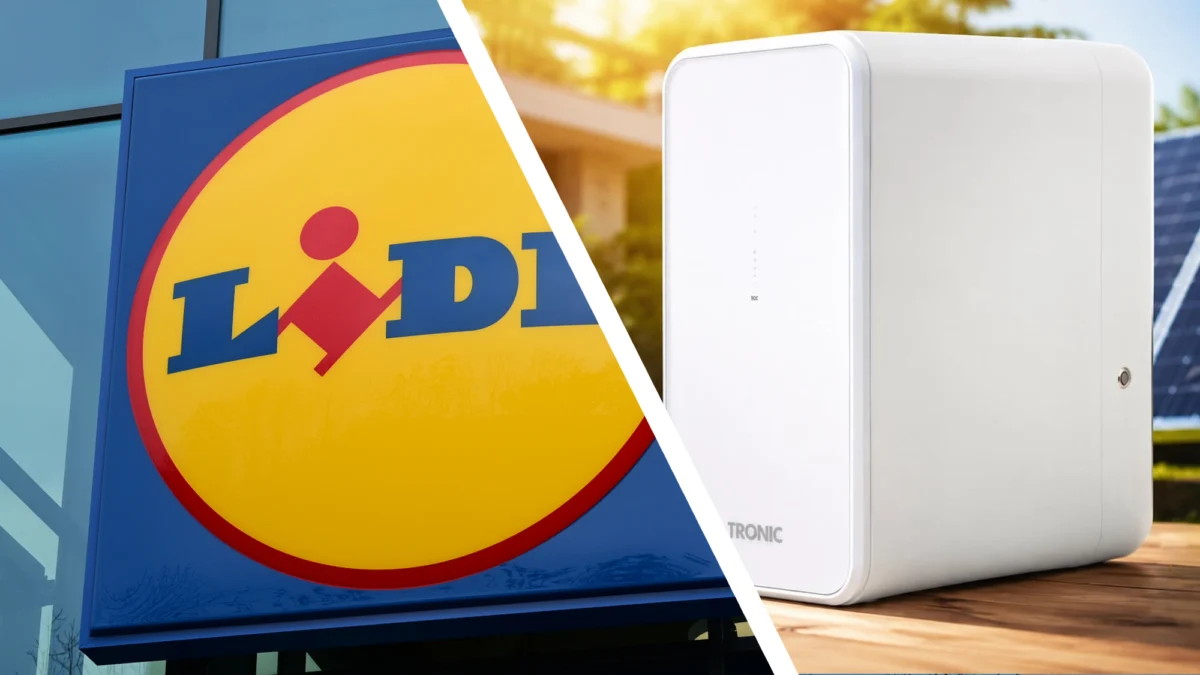
As the global energy landscape faces unprecedented volatility—driven by geopolitical instability, supply chain disruptions, and the urgent transition toward decentralized power—consumers are increasingly seeking ways to reclaim control over their utility bills. In a move that signals a significant shift in the accessibility of renewable energy technology, retail giant Lidl has entered the fray with the launch of an affordable, high-capacity balcony solar battery system in Germany.
Priced to undercut professional-grade installations, this new offering aims to democratize energy storage, allowing apartment dwellers and homeowners alike to store excess solar power generated during the day for use during peak evening hours. While currently exclusive to the German market, the product has sparked a conversation about the future of energy independence and the potential for big-box retailers to disrupt the green technology sector.
The Core Offering: Specifications and Pricing
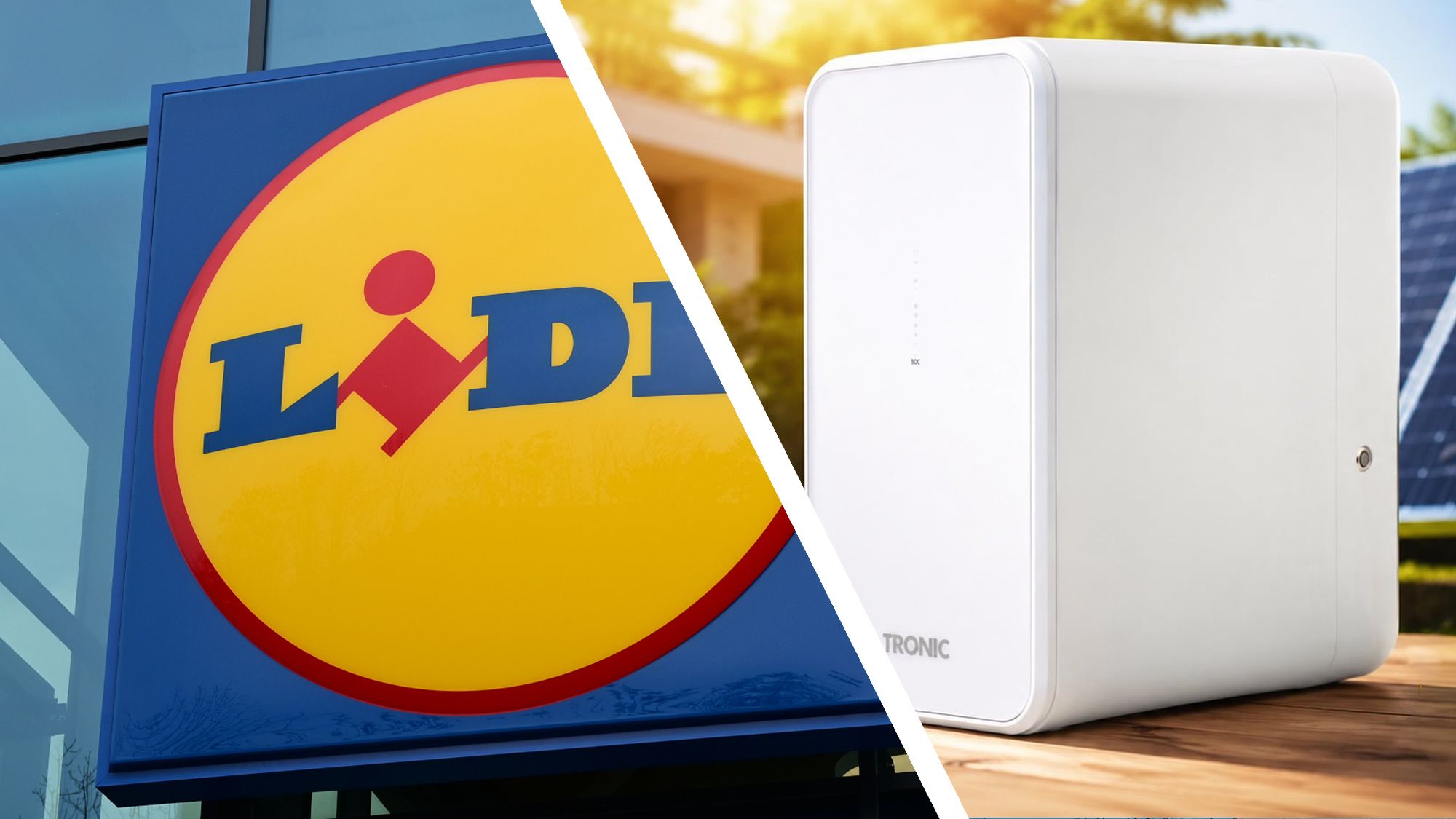
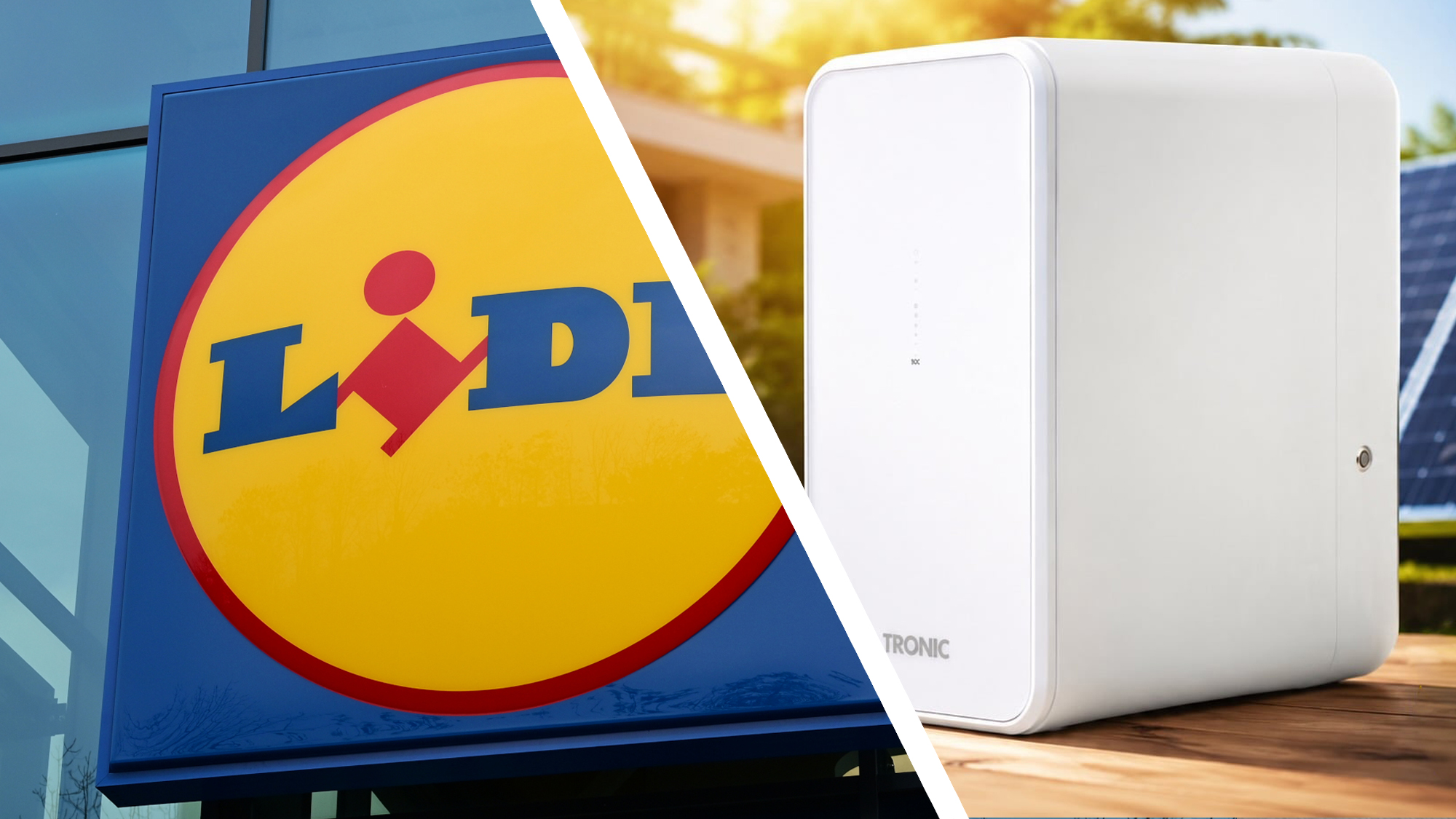
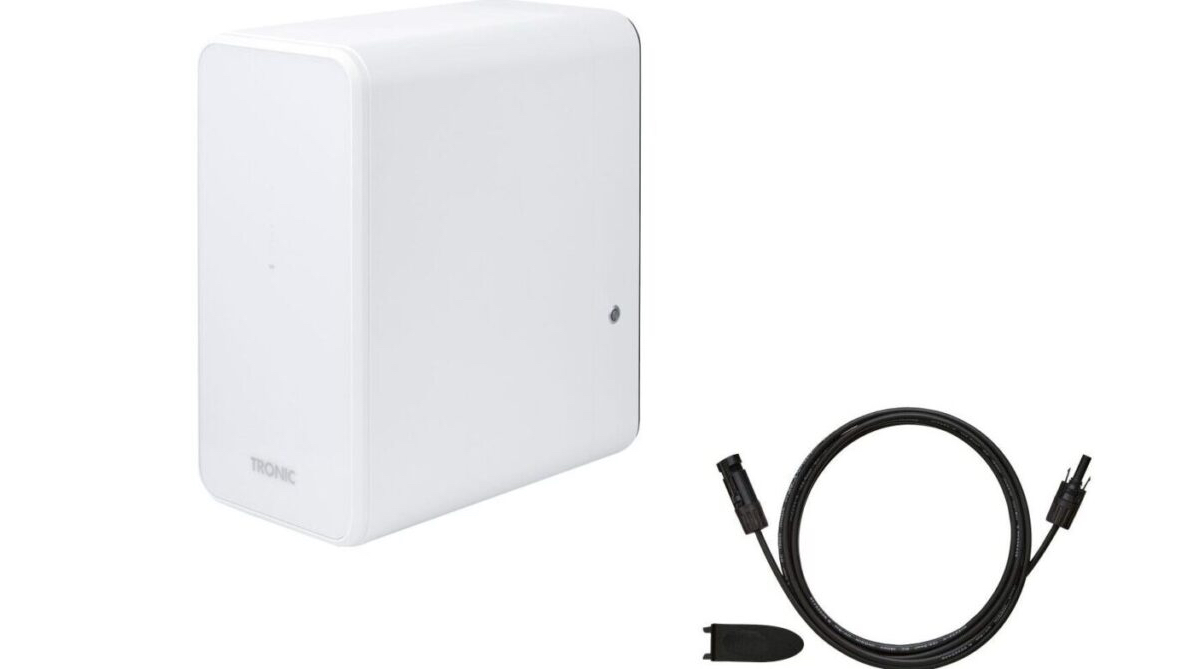
Lidl’s entry into the renewable energy market is centered on a compact, 2.24kWh battery storage unit designed specifically for balcony-mounted solar arrays. According to reports from PV Magazine, the device is engineered for efficiency, featuring a 1,000W input capacity and an 800W output, making it highly compatible with the majority of existing plug-and-play balcony solar systems.
The hardware is available in two configurations, catering to both budget-conscious users and those seeking smart-home integration:
- Standard Model: Retailing at €299 (approximately $350 / £260), this base version offers a straightforward "plug-and-play" experience for users who prioritize simplicity and cost-efficiency.
- Smart Model: Priced at €399 (approximately $465 / £345), this version integrates seamlessly with the "Lidl Home" application, allowing users to monitor their energy production, storage levels, and consumption patterns in real-time via their smartphones.
The unit, which measures 310 x 170 x 350mm and weighs roughly 19.8kg, is built for durability. It carries an IP65 rating, ensuring it can withstand the rigors of outdoor placement, including rain and dust exposure. This is a critical feature, as it allows the unit to be mounted on balconies or patios without the need for specialized enclosures.
A Chronology of the European Energy Shift
The arrival of this product is not a sudden development but rather the culmination of several years of mounting pressure on the European energy grid.
- 2022: The Crisis Point: Following the invasion of Ukraine, energy prices across Europe reached historic highs. Governments scrambled to subsidize costs, while consumers began looking for alternatives to the traditional grid.
- 2023: The Rise of "Balkonkraftwerk": Germany saw a surge in the popularity of Balkonkraftwerk (balcony power plants). These small, plug-in solar systems allowed citizens to generate their own electricity without the need for complex roof installations.
- 2024: The Storage Gap: While solar panels became common, the ability to store energy remained expensive. Most consumers were forced to sell excess power back to the grid for pennies, or lose it entirely if they weren’t home to consume it.
- 2025: Regulatory Streamlining: New regulations across the EU began to incentivize decentralized energy storage, encouraging manufacturers to produce smaller, safer, and more user-friendly lithium iron phosphate (LiFePO4) batteries.
- 2026: The Lidl Launch: Lidl’s decision to stock these units in mass-market retail outlets marks the final step in moving solar technology from "niche enthusiast product" to "consumer commodity."
The Ecosystem: Why the Battery Needs Friends
It is vital for consumers to understand that the Lidl battery is not a standalone power generator. It is a storage component within a larger, three-part system. To derive any benefit, a user must pair the battery with two other critical pieces of hardware:
- Solar Panels: These capture sunlight and convert it into DC electricity.
- Microinverter: This is the "brain" of the operation. It converts the DC power from the panels into AC power suitable for household appliances. It also manages the flow of electricity between the panels, the battery, and the home’s wall outlets.
The genius of the Lidl offering lies in its compatibility. By utilizing a standard interface, Lidl allows users to build a custom system using panels from various manufacturers. For those who already own a balcony solar setup, adding the Lidl battery is a relatively simple upgrade that transforms a "use-it-or-lose-it" system into a "store-and-save" system.
Economic and Environmental Implications
The primary driver behind the adoption of these systems is, inevitably, the "return on investment" (ROI). By storing energy generated at midday—when the sun is strongest and electricity prices are often lowest—and using it at night, consumers can significantly reduce their reliance on the grid during peak evening hours, when energy costs are often at their highest.
From a macroeconomic perspective, this shift contributes to a more resilient energy grid. If millions of households adopt decentralized storage, the strain on national power networks during peak demand periods is significantly reduced. This is a form of "virtual power plant" architecture, where individual households contribute to the stability of the national infrastructure.
Furthermore, the environmental impact is non-negligible. By increasing the self-consumption rate of solar power, households reduce their reliance on fossil-fuel-generated grid electricity, effectively lowering their carbon footprint without requiring massive infrastructure overhauls.
Official Responses and Market Sentiment
While Lidl has not yet made an official statement regarding the global rollout of the device, the market response has been overwhelmingly positive. On platforms like Reddit, the consensus is one of optimism. Discussions on forums dedicated to climate change and renewable energy have hailed the product as a "game-changer" for energy independence.
Users have specifically praised the price point, noting that similar systems from established solar brands often cost double or triple the price. However, industry experts offer a note of caution: "Lidl is a master of cost-cutting," says energy consultant Dr. Elena Rossi. "While the hardware is likely reliable, consumers should not expect the same level of granular data, long-term software support, or peak-performance efficiency that one might get from a premium brand like Anker or EcoFlow. You are paying for a budget entry point, not a high-end power station."
Competitive Landscape: Is Lidl the Best Option?
Lidl’s entry into the space has forced existing players to adjust their strategies. The battery is widely believed to be a rebranded version of the Marstek B2500-D, a well-regarded unit in the micro-storage market. By leveraging their massive supply chain, Lidl has effectively commoditized what was previously a specialist item.
However, it is not the only player in the field:
- Anker Solarbank 4 Pro: This is the current "gold standard" for the consumer segment. It features a built-in inverter, higher capacity, and a sophisticated app ecosystem. While significantly more expensive, it offers a more "integrated" experience.
- EcoFlow PowerStream: Known for its high-performance management and excellent mobile app, EcoFlow remains the go-to for tech enthusiasts who want total control over their energy usage.
- DIY Systems: For the technically inclined, building a system from individual components (LiFePO4 cells, a BMS, and a dedicated inverter) remains the cheapest option, though it requires a higher degree of technical knowledge and carries inherent safety risks.
The Future: Will it Come to the UK and Beyond?
The million-dollar question for consumers outside of Germany is whether Lidl plans to expand this offering to the UK, the US, and other international markets.
Industry analysts suggest that the launch in Germany acts as a "proof of concept." Given the high energy prices in the UK and the growing regulatory support for balcony solar in the EU, it is highly probable that we will see these products hit the shelves of Lidl stores in other regions within the next 12 to 18 months.
Lidl has already expressed interest in selling plug-in solar panels in the UK market, and the introduction of a companion battery would be a logical next step in their strategy to capture the "green-home" segment of the market.
Final Verdict: Is it Worth It?
For the average apartment dweller or homeowner looking to lower their electricity bill, the Lidl solar battery represents a significant milestone. It removes the two biggest barriers to renewable energy adoption: complexity and cost.
If you are currently running a balcony solar setup and find yourself frustrated by the fact that your energy production goes to waste while you are at work, this device is a compelling purchase. It is not designed to power an entire house off-grid, nor will it replace a professional roof-mounted installation. However, it provides a meaningful way to shave costs off your monthly utility bill while taking a tangible step toward a more sustainable, independent lifestyle.
As we move toward a future where energy is increasingly expensive and unpredictable, the ability to store even a few kilowatt-hours of your own power is no longer just a luxury—it is a smart financial strategy. Whether Lidl leads the charge or simply acts as the catalyst for others to follow, the era of the "retail-store energy station" has officially arrived.












No comments yet. Be the first to join the conversation!