Azzam Bilal Chamdy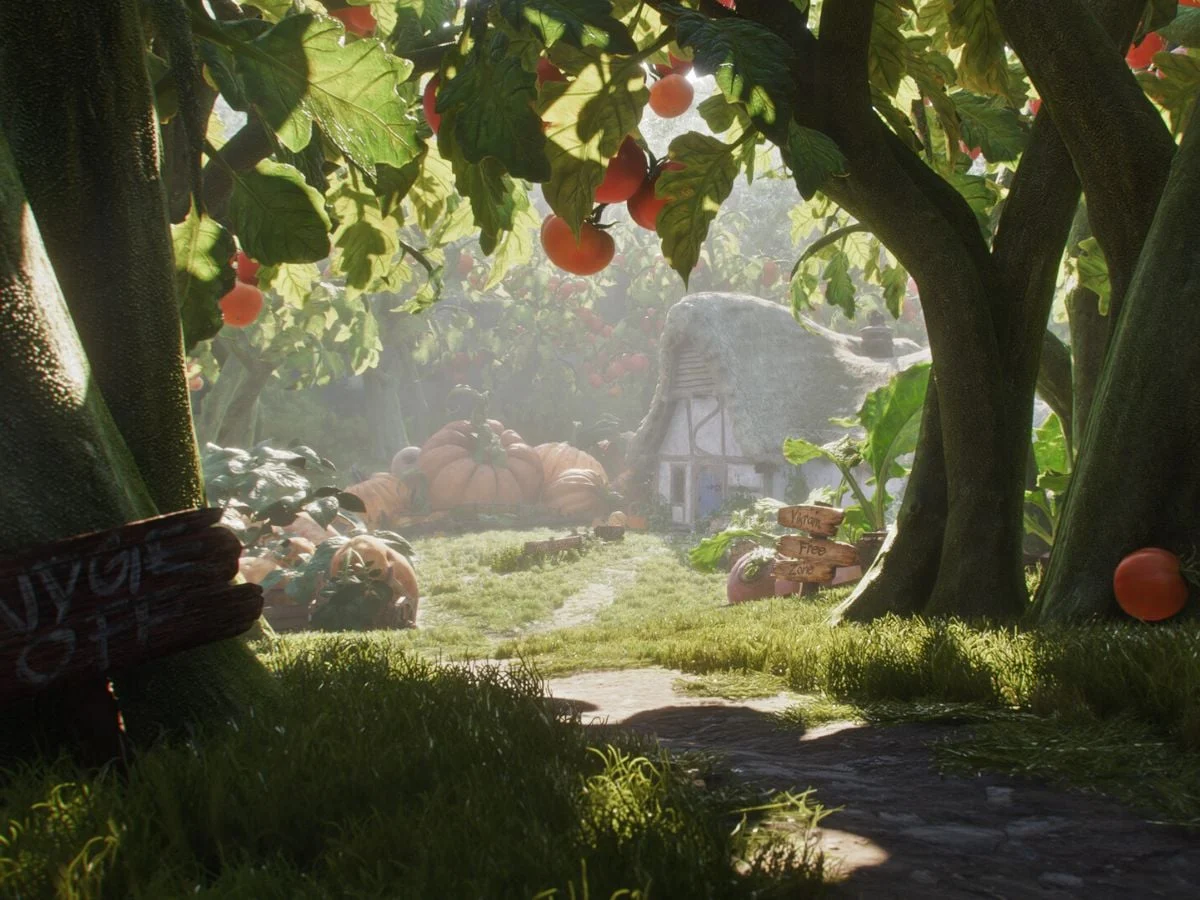
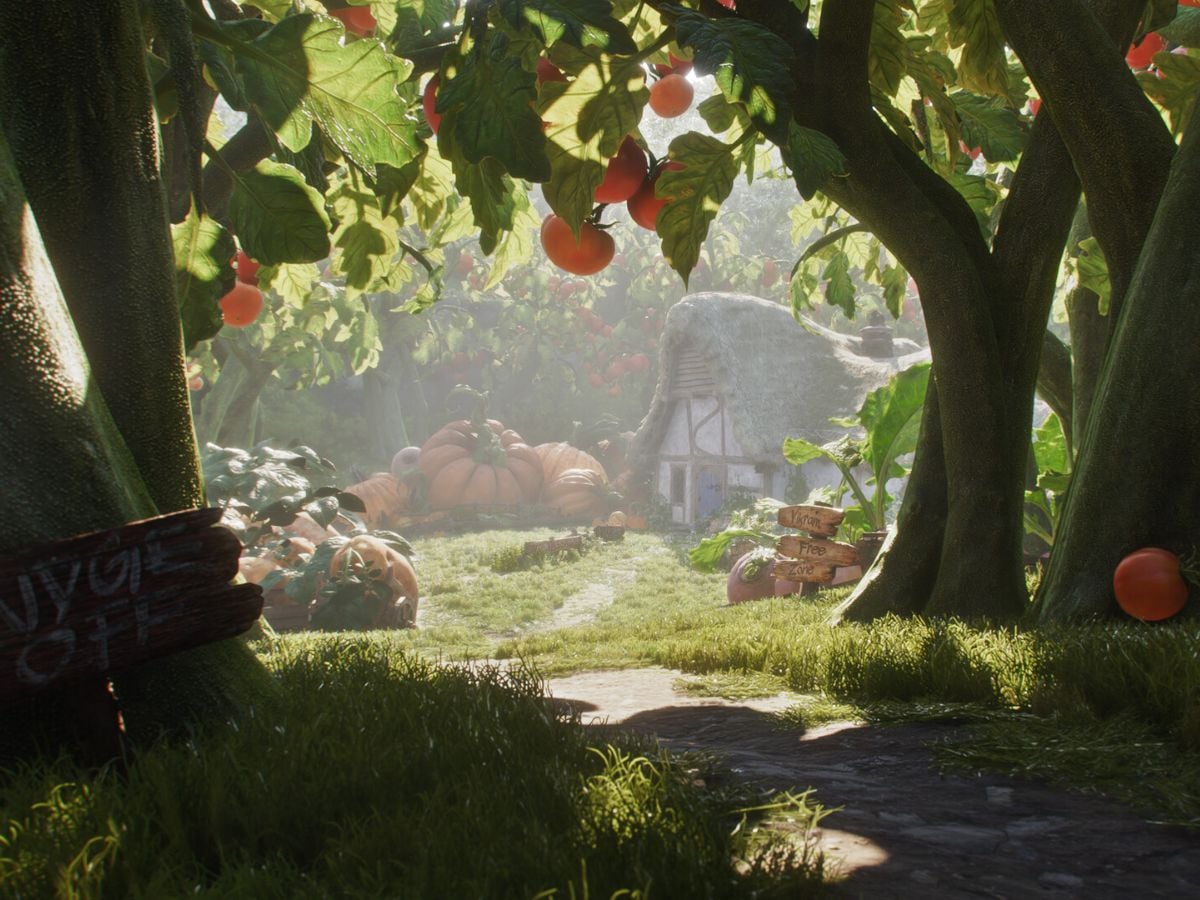
The long-anticipated return of Albion has been placed on hold. In a move that has sent ripples through the gaming community, Microsoft and Xbox Game Studios have officially confirmed that the highly anticipated Fable reboot—a title tasked with modernizing one of the most beloved RPG franchises in history—has been delayed. Originally slated for a tentative release window in late 2026, the game is now scheduled to arrive in February 2027.
This decision, announced via an official statement on X (formerly Twitter), arrives at a critical juncture for the Xbox ecosystem. As the industry faces an unprecedented concentration of high-profile "megahits" in the latter half of 2026, Microsoft appears to be prioritizing the health of its release calendar over the immediate gratification of its fanbase.
The Official Word: Prioritizing the "Dedicated Moment"
The announcement, delivered by the official Xbox account on May 29, 2026, was framed as a strategic necessity rather than a production failure. Acknowledging the "packed" nature of the 2026 release schedule, the company outlined a vision for the future of its flagship titles.
"This year is packed with incredible games for Xbox players to enjoy," the statement read, citing a lineup that includes Halo: Campaign Evolved, Gears of War: E-Day, Call of Duty: Modern Warfare 4, Control Resonant, Star Wars: Galactic Racer, and the juggernaut that is Grand Theft Auto VI.
The crux of the decision lies in Microsoft’s desire to give Fable the "dedicated moment it deserves." By shifting the title to February 2027, the publisher hopes to insulate the game from the deafening noise of the 2026 holiday season—a period dominated by the anticipated cultural event of the decade, Rockstar Games’ Grand Theft Auto VI.
A Chronology of Anticipation and Speculation
The journey toward this delay has been marked by years of high expectations and cautious optimism. Since its initial reveal, the Fable reboot has been under intense scrutiny, not only because of the weight of its namesake but also because of the technical and creative hurdles involved in bringing a classic, quirky British RPG into the modern era of high-fidelity gaming.
The Rumor Mill
Industry insiders had been signaling this shift for weeks. Jeff Grubb, a prominent reporter for Giant Bomb, had previously disclosed internal whispers regarding the game’s status. According to Grubb, the development team at Playground Games was under immense pressure to hit a 2026 release, but the "fear factor" surrounding the release of Grand Theft Auto VI—a game known for cannibalizing the attention of the entire gaming industry—made a 2026 launch window increasingly untenable.
The Development Arc
- Announcement: The project was teased to immense fanfare, signaling a new direction for the franchise under the stewardship of Playground Games.
- The "Clean" Critique: Original Fable creator Peter Molyneux expressed mixed feelings about the reboot, noting that while he was happy the series was continuing, he felt the aesthetic direction looked "too clean" compared to the grime and character-driven grit of the original trilogy.
- Mechanic Revisions: As development progressed, reports surfaced that the team was struggling to modernize the series’ iconic morality-based appearance system, which historically allowed players to grow horns or halos based on their actions. Adapting these legacy mechanics to a contemporary engine presented significant design challenges.
- The Final Pivot: By mid-2026, the collision course between Fable and the rest of the Xbox slate—specifically the massive Call of Duty and GTA releases—forced Microsoft’s hand.
The Economics of a Crowded Calendar
To understand why a game as high-profile as Fable would be pushed, one must look at the current economics of the video game industry. In 2026, the "holiday window" is effectively occupied.
When a publisher like Take-Two Interactive launches a title of Grand Theft Auto VI’s magnitude, it creates a vacuum that sucks the oxygen out of the room. Marketing budgets are dwarfed, streaming viewership is consolidated, and consumer spending is largely exhausted by the sheer cost of premium titles. For Xbox, releasing Fable in the middle of such a firestorm would be a tactical error.
By targeting February 2027, Microsoft is utilizing a "Blue Ocean" strategy. February is traditionally a month where major developers avoid, allowing a high-quality title to dominate headlines and community discourse without competing against the industry’s biggest titans.
Implications for Xbox Game Studios
The delay of Fable has significant implications for the perception of the Xbox brand. On one hand, it invites criticism regarding the consistency of Microsoft’s internal development pipelines. Critics will point to the delay as further evidence of the "Xbox delay" trope that has plagued the console generation.
On the other hand, it reflects a newfound maturity in how Microsoft handles its intellectual property. Following the high-profile stumbles of past titles that were pushed to market prematurely, the decision to give Fable extra time—even at the cost of a quiet holiday season—suggests that Microsoft is prioritizing long-term brand equity over short-term quarterly goals.
Impact on the 2027 Outlook
With Fable now positioned as a cornerstone of the 2027 calendar, the pressure on Playground Games is higher than ever. The title is no longer just another game in a busy year; it is now the anchor for the first quarter of 2027. If the game launches in a polished, feature-complete state, the delay will be forgotten. If it faces further technical issues, the narrative will shift from "strategic planning" to "developmental distress."
What to Expect Next: The June 7 Showcase
While the news of the delay is disappointing for those hoping to jump into Albion this year, the publisher has promised a "major new look" at the title during the Xbox Games Showcase on June 7.
This presentation is expected to be a pivotal moment. Microsoft needs to prove that the extra development time is being put to good use. Fans will be looking for:
- Technical Polish: Evidence that the game’s lighting, character models, and environments have evolved beyond the "too clean" look criticized by some.
- Gameplay Depth: A deeper dive into how the morality and appearance systems function in this new iteration.
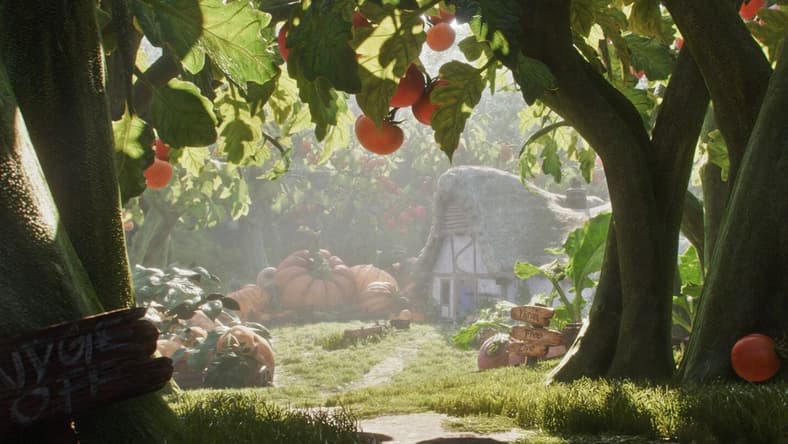
- Narrative Scope: A better understanding of the tone—is it the whimsical, satirical world of the original, or a darker, more serious fantasy epic?
Conclusion: A Necessary Pause
The delay of Fable to 2027 is a symptom of a gaming landscape that has become increasingly top-heavy. As the barriers to entry for AAA development continue to climb, the industry has seen a consolidation of attention toward fewer, larger titles.
For the players, the delay represents a bitter pill to swallow. The prospect of returning to the whimsical, dangerous, and darkly humorous world of Albion has been a beacon of hope for many Xbox owners. However, in the high-stakes world of modern software publishing, the choice between "rushed" and "ready" is the most important decision a studio can make.
As we look toward the June 7 Showcase, the focus will shift from the delay itself to the evidence of progress. Microsoft is clearly betting that a 2027 release will result in a more polished, successful, and enduring game. For the sake of the Fable legacy, fans must hope that this gamble pays off. The wait for Albion has grown longer, but if the final product manages to capture the magic of the original while pushing the boundaries of the RPG genre, history may well look back on this delay as a moment of wisdom rather than weakness.

 Sagoh
Sagoh
 Ammar Sabilarrohman