

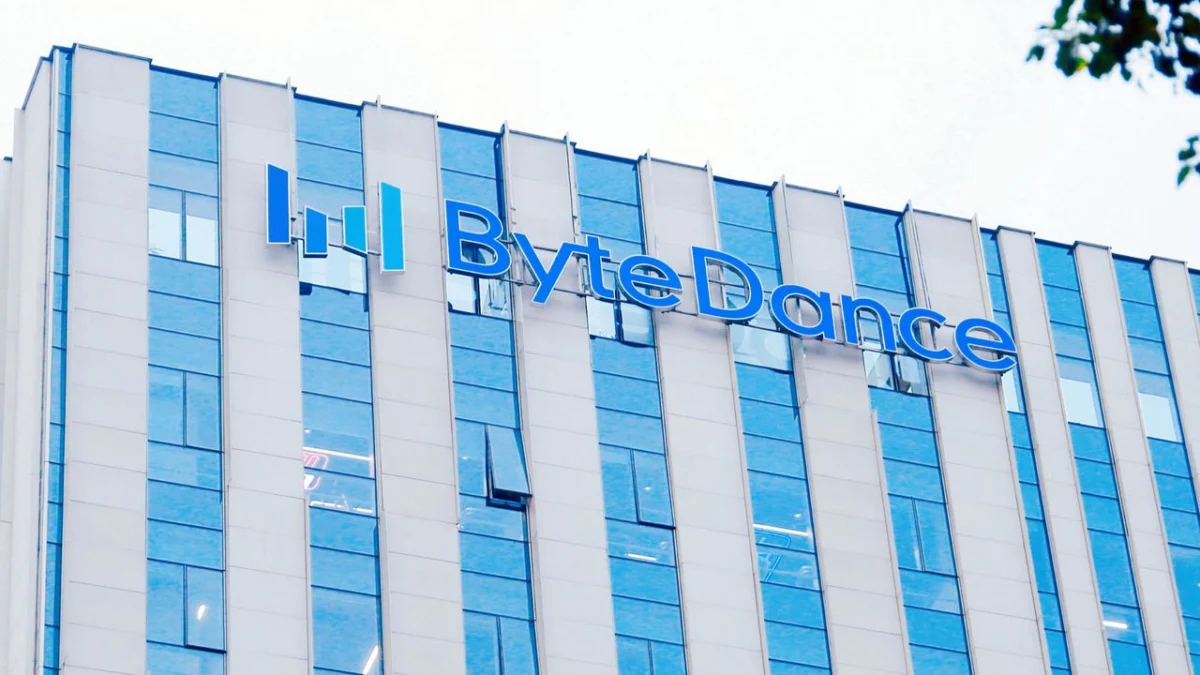
In an era defined by the relentless hunger for compute, ByteDance—the parent company of the global phenomenon TikTok—is embarking on an ambitious journey to achieve technological self-reliance. As global geopolitical tensions reshape the semiconductor landscape, reports indicate that the Chinese tech giant is developing its own custom-built Central Processing Units (CPUs) optimized specifically for artificial intelligence inference. This move signals a significant shift in ByteDance’s corporate strategy, aiming to insulate its massive AI ecosystem from the volatility of U.S. export controls and the escalating costs of Western silicon.
The Strategic Imperative: Beyond TikTok
While the public primarily associates ByteDance with the short-form video platform TikTok, the company’s internal operations are heavily anchored in the high-stakes world of artificial intelligence. ByteDance powers an extensive portfolio of AI-driven products, most notably its proprietary AI chatbot, "Doubao," and a suite of internal large language models (LLMs).
As these models move from the training phase to widespread deployment, the company has hit a computational bottleneck. The current industry standard for AI infrastructure relies heavily on Nvidia’s flagship GPUs, which are becoming increasingly difficult and expensive to procure due to stringent U.S. export regulations. By designing its own inference-focused chips, ByteDance aims to secure the "brainpower" necessary to run its agentic AI systems at scale without constant reliance on foreign supply chains.
The Technological Blueprint: Groq-Inspired Inference
According to recent industry reports, ByteDance’s nascent chip design is drawing inspiration from the "Language Processing Unit" (LPU) architecture popularized by the American startup Groq.
Unlike traditional GPUs, which are optimized for the massive parallel processing required to train AI models, LPUs are architected for inference—the process of executing a pre-trained model to deliver real-time responses to user queries. As agentic AI becomes the new industry standard, the ability to run these models with low latency and high energy efficiency has become a critical competitive advantage.
Evaluating Architectures
ByteDance is reportedly in the preliminary concept and design stages. Technical sources suggest the company is currently evaluating two primary instruction set architectures (ISAs):
- Arm: Known for its power efficiency and widespread adoption in mobile and server-side computing.
- RISC-V: An open-standard instruction set architecture that has gained significant traction in China due to its immunity to potential licensing restrictions from Western entities.
By exploring RISC-V, ByteDance is signaling a desire to build a "sovereign" chip stack that remains resilient against future geopolitical shifts.
A Chronology of ByteDance’s Silicon Journey
The push for custom hardware did not begin overnight. It is the culmination of a multi-year effort to verticalize the company’s infrastructure:
- 2024: The SeedChip Initiative: ByteDance initiated the design of the "SeedChip" AI accelerator in collaboration with TSMC. This move marked the company’s first serious foray into custom silicon, with mass production expected to begin before the end of the year.
- 2025: Strengthening the Ecosystem: Recognizing the need for specialized memory to complement its compute chips, ByteDance entered a partnership with the Chinese startup InnoStar Semiconductor. This partnership is designed to mitigate the need for high-bandwidth memory (HBM) modules from global suppliers like Samsung and SK Hynix.
- 2026: The Shift to Custom CPUs: Recent reports confirm that ByteDance has expanded its silicon strategy to include custom CPUs, specifically targeting the inference market to support its growing array of generative AI services.
Strategic Partnerships and Manufacturing Hurdles
One of the most significant challenges facing ByteDance is its lack of an internal, full-scale chip design team. Unlike Apple or Google, which have spent decades building deep, in-house silicon expertise, ByteDance is currently leveraging an "external partner" model.
The company is expected to outsource the complex task of physical design and silicon manufacturing. By partnering with local Chinese firms and specialized semiconductor players, ByteDance hopes to distribute the risk. The collaboration with InnoStar Semiconductor, which counts Alibaba—another Chinese tech giant—as an investor, highlights the broader trend of Chinese firms pooling resources to create a domestic alternative to the Nvidia-led status quo.
The Geopolitical Context: The "Nvidia Trap"
The catalyst for this shift is, in no small part, the ongoing trade friction between the United States and China. Recent developments, including the reported blocking of shipments of Nvidia’s H200 Blackwell chips into China, have forced companies like ByteDance to reassess their dependency on U.S. firms.
The U.S. export control landscape is notoriously fluid. For a company like ByteDance, which operates at the bleeding edge of the consumer AI market, a sudden denial of access to the latest Nvidia hardware could cripple its services. By developing its own chips, ByteDance is not necessarily aiming to replace Nvidia immediately, but rather to create a "hybrid architecture" that reduces its exposure to external supply shocks.
Economic Implications: The Cost of Compute
Beyond the geopolitical necessity, there is a cold, hard economic reality driving this change: the rising cost of enterprise-grade hardware.
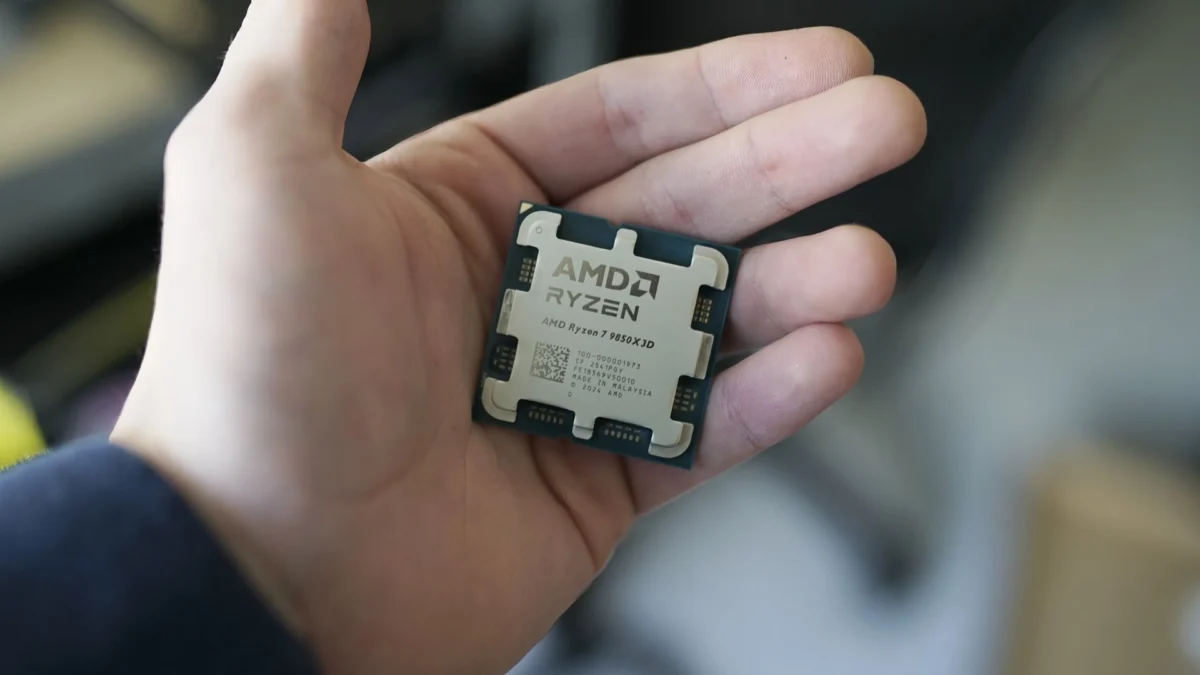
Major semiconductor vendors like Intel, AMD, and Nvidia have seen their margins—and consequently, their prices—surge alongside the AI boom. As these companies hike prices every quarter, tech giants like ByteDance are finding that the "cost per query" is becoming unsustainable. Developing custom hardware allows a company of ByteDance’s scale to amortize R&D costs over millions of server units, eventually resulting in a lower total cost of ownership compared to buying off-the-shelf enterprise hardware.
Looking Ahead: The Future of Sovereign AI
As ByteDance moves forward with its CPU and accelerator projects, the industry is watching closely. The success of this endeavor will depend on several critical factors:
- Software Ecosystem: Designing the silicon is only half the battle. ByteDance must develop the software stacks and compilers necessary for its AI models to run efficiently on this new, non-standard hardware.
- Manufacturing Yields: With China facing its own challenges regarding access to advanced photolithography equipment (EUV machines), the ability to produce these chips at scale and with high yields remains a significant hurdle.
- Talent Acquisition: Whether ByteDance can attract the top-tier chip design engineers needed to compete with the likes of Nvidia and Intel will determine the performance ceiling of their future hardware.
Conclusion
ByteDance’s pivot toward custom silicon is a microcosm of the broader technological "decoupling" currently underway. While the company will likely continue to rely on Nvidia’s powerful GPUs for the foreseeable future, the roadmap is clear: ByteDance is preparing for a world where sovereign compute is a prerequisite for survival.
As the firm continues to transition from a pure software company into a hybrid software-and-hardware powerhouse, the image of Jensen Huang’s iconic leather jacket may soon be joined by a new logo on the back of server racks—one that signifies a homegrown, Chinese-designed engine capable of powering the next generation of global AI services. Whether they can achieve the performance parity required to unseat the current titans of industry remains the defining question of the next decade in tech.









No comments yet. Be the first to join the conversation!