

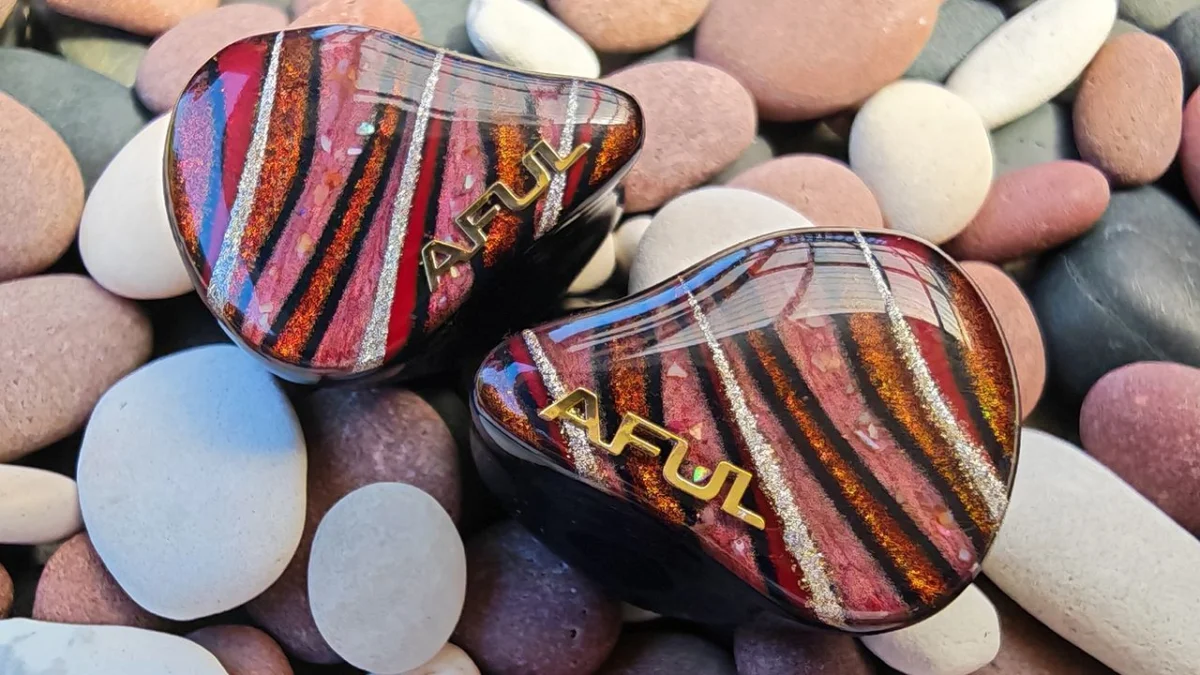
In the rapidly evolving world of In-Ear Monitors (IEMs), where technical specifications often read like the manifest of a high-end aerospace project, the Aful Performer 8S arrives as a polarizing entry. Priced at $389, the 8S attempts to bridge the gap between "easy-listening" comfort and the high-fidelity demands of the modern audiophile. While the listening experience is undeniably addictive, the product’s journey is complicated by dubious marketing claims and a lack of modern convenience features that have become standard in this competitive price bracket.
The Evolution of the Performer Line
The Aful Performer 8S, released in January 2026, represents the latest iteration in the company’s push into the mid-fi market. With a configuration consisting of one dynamic driver, six balanced armatures, one micro-planar driver, and an additional "passive radiator," the 8S is a complex piece of acoustic engineering.

When first auditioning the unit, the immediate takeaway is one of effortless musicality. Unlike many modern IEMs that aggressively chase a "V-shaped" sound signature—characterized by boosted bass and piercing treble—the Performer 8S opts for a more mature, refined approach. It is a device that avoids the temptation to over-analyze the music, preferring instead to present it as a cohesive, liquid-smooth experience.
Technical Specifications: The Anatomy of Sound
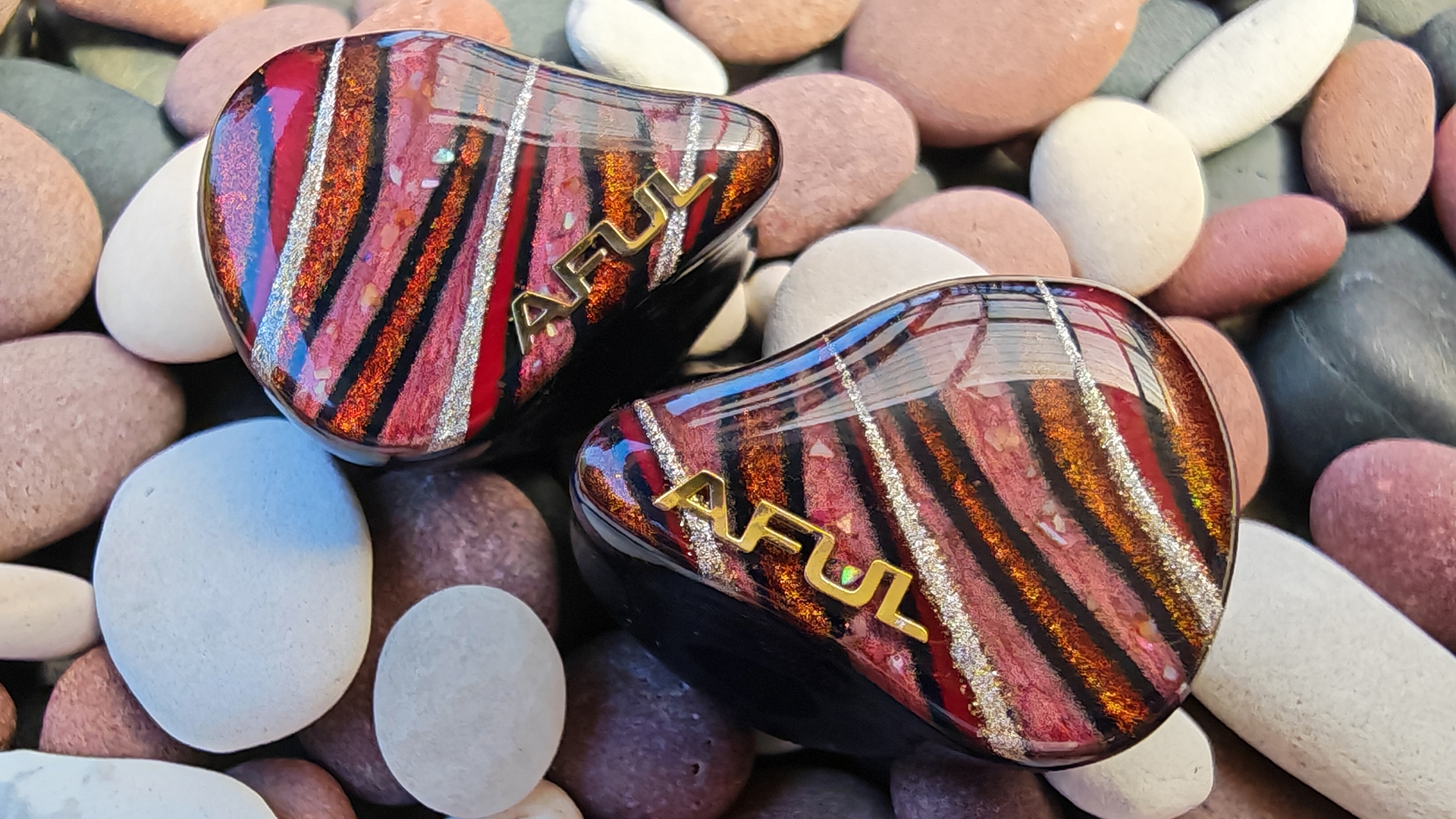
To understand the 8S, one must look at the hardware housed within its 3D-printed resin shells. Each earpiece weighs a modest 5.8g, ensuring long-term comfort that rivals some of the most ergonomic designs on the market.
- Drivers: 1 Dynamic, 6 Balanced Armature, 1 Micro-planar, 1 Passive Radiator
- Impedance: 26Ω @ 1kHz
- Sensitivity: 108dB @ 1kHz
- Material: 3D-printed high-grade resin
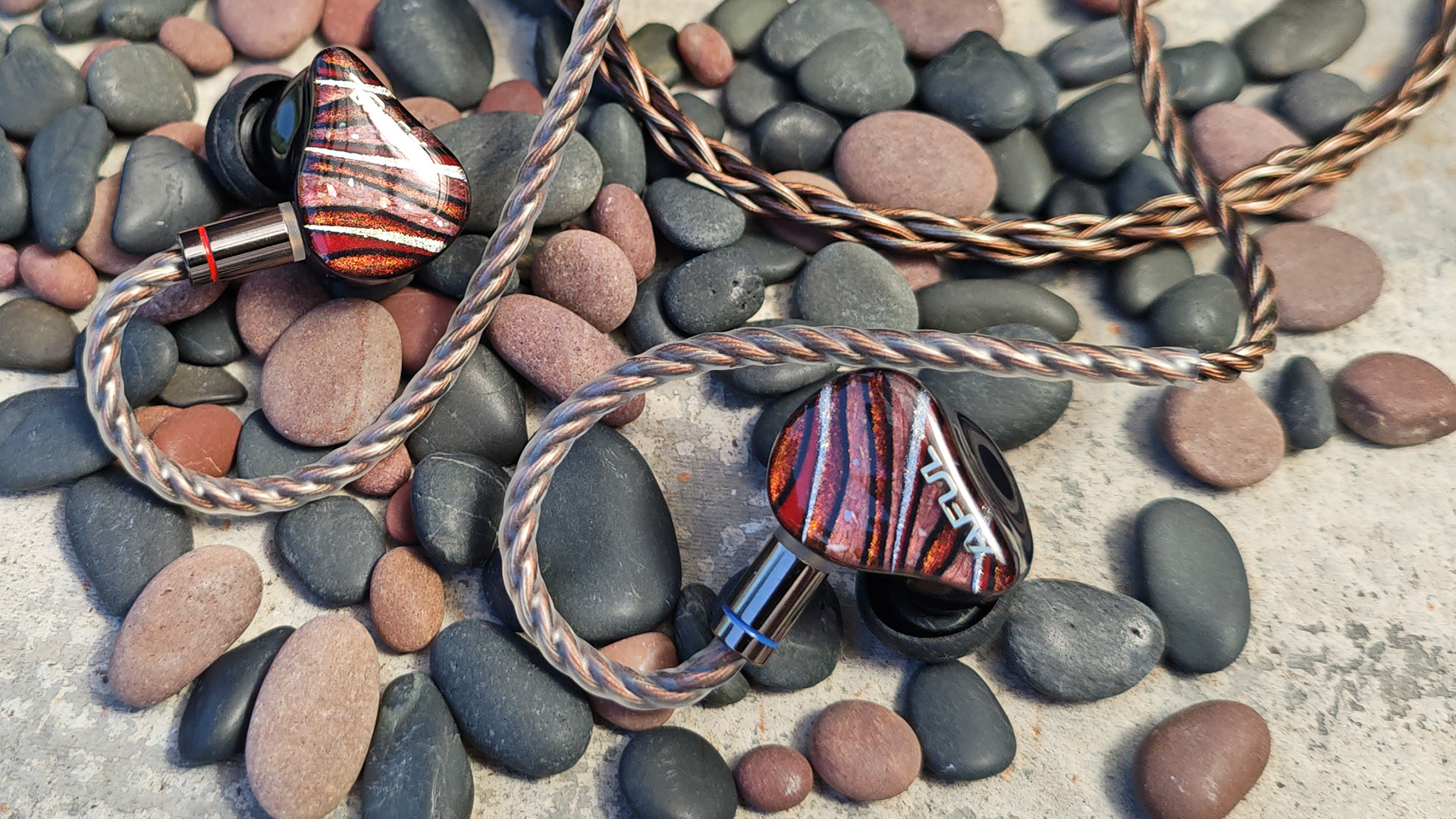
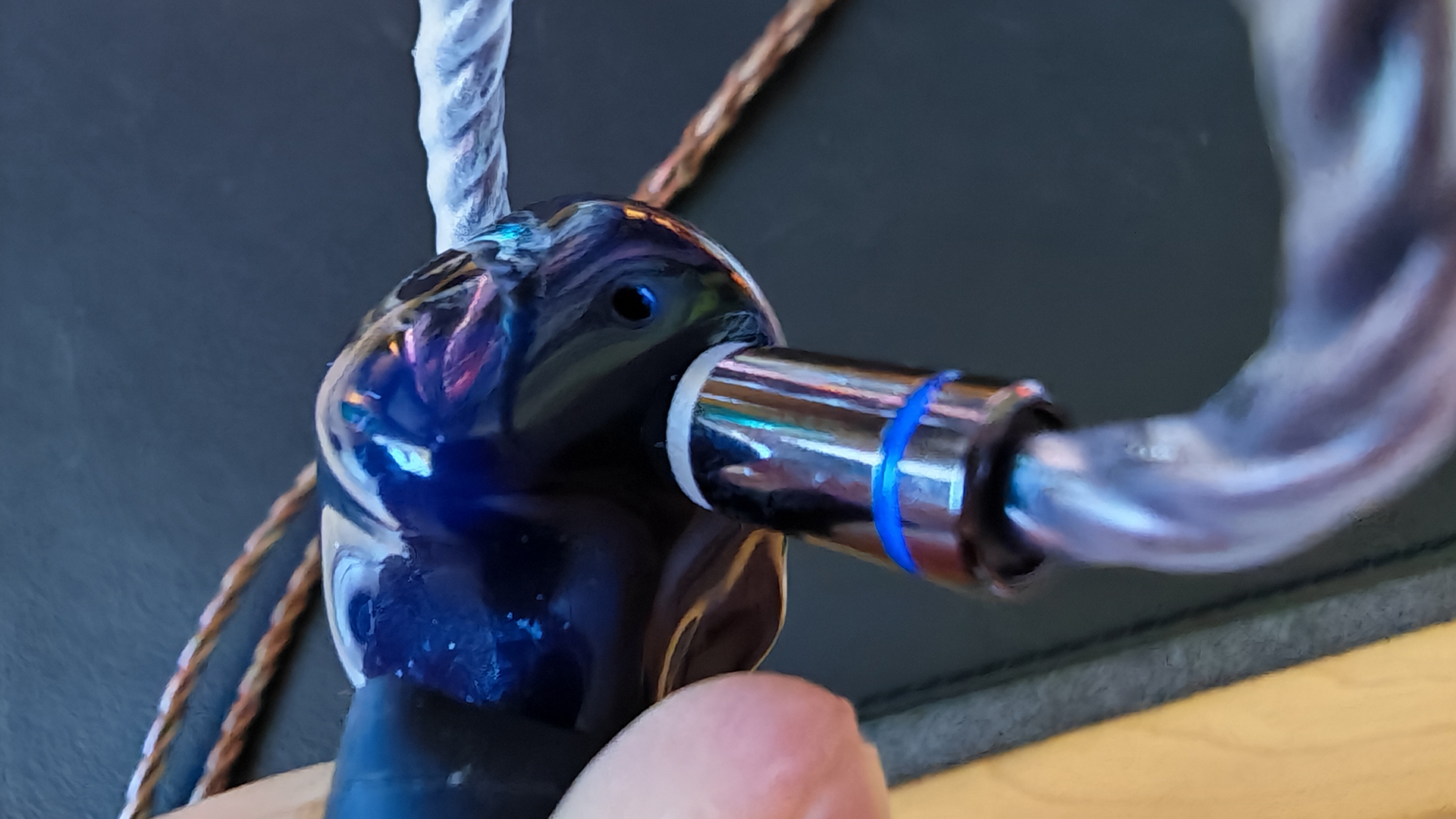
- Cable: Custom braided, non-swappable termination (3.5mm or 4.4mm)
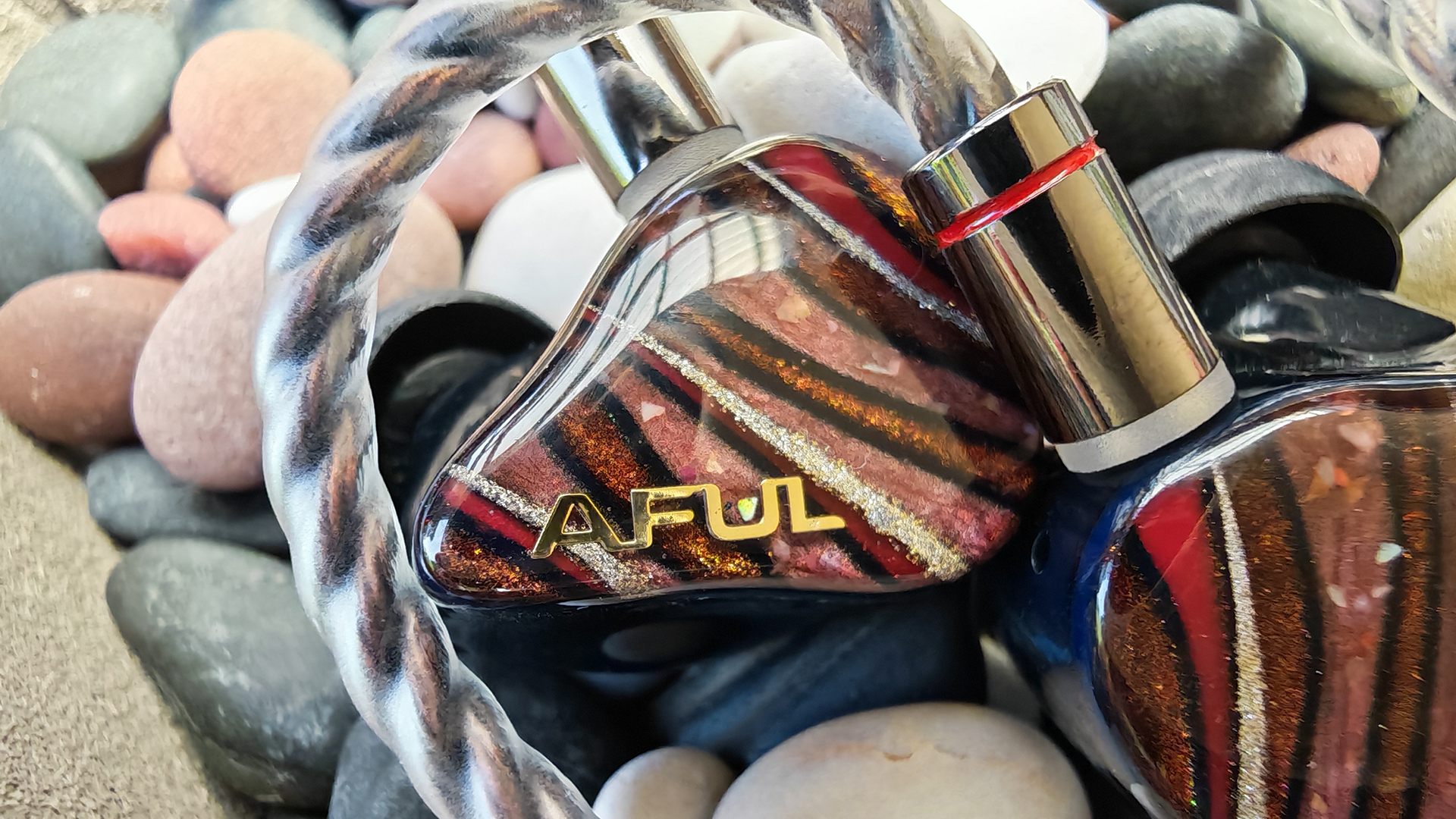
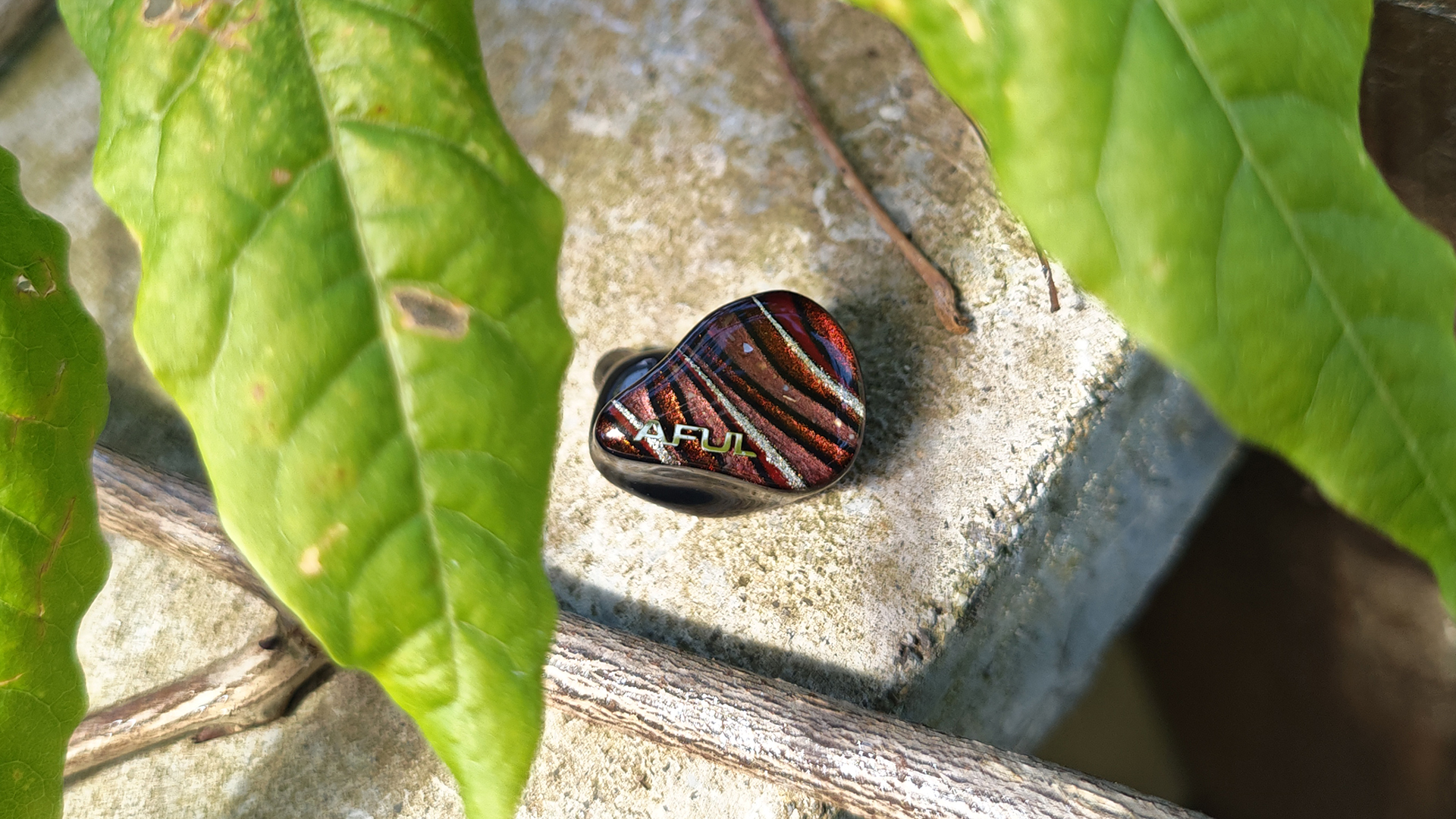
The build quality is undeniably premium. The "Jupiter-inspired" faceplates, featuring a glitter-lined aesthetic, offer a unique visual identity that stands out against the sea of monotonous metallic shells. However, the internal "voodoo"—specifically the implementation of the passive radiator—remains a subject of intense debate among industry experts and reviewers alike.
Sound Profile: A Study in Contradictions
The most striking aspect of the Performer 8S is its midrange. Upon reviewing the frequency response charts, one would expect the sound to be recessed or hollow, given the significant dip in the upper-midrange frequencies. Paradoxically, this is where the magic happens.
By strategically attenuating the 3kHz region, Aful has managed to eliminate the harshness often associated with "detailed" IEMs. The result is a lush, warm, and inviting vocal presentation. Female vocals, in particular, sound intimate and positioned perfectly within the soundstage. Instruments like acoustic guitars retain their natural timbre without the abrasive "bite" that can cause listener fatigue during extended sessions.
The bass, while not earth-shattering, is exceptionally well-measured. It tracks the Harman IE 2019 target curve with an added layer of mid-bass warmth. It is a "polite" bass—impactful when required, but never at the expense of the midrange clarity. The treble, meanwhile, is elevated in the mid-to-upper registers, providing a sense of "air" and sparkle that balances the inherent smoothness of the mids.
The "Marketing Monkey Business": Addressing the Controversies
Despite the high quality of the playback, the Aful Performer 8S is not without its flaws. In the audiophile community, transparency is paramount, and Aful’s marketing strategy regarding the 8S has raised significant red flags.
The Passive Radiator Fallacy
Aful markets the inclusion of a "passive radiator" as a key driver in the 8S’s architecture. However, as noted by prominent industry voices such as Chris (HawaiiBadBoy/HBB) of Bad Guy Good Audio Reviews, this is a technical misnomer. In traditional loudspeaker design, a passive radiator is a cone that moves in sympathy with a woofer to extend low-end response. In the context of an IEM, a passive membrane lacks the physical displacement required to "drive" anything. Critics argue that this is a marketing play designed to justify the price tag and the high driver count.
The Mystery of the Bass Plugs
The inclusion of "bass plugs"—microscopic inserts designed to tune the bass profile—is another feature that feels like a solution in search of a problem. In practice, these ports offer negligible, if any, audible difference. For a consumer, the process of handling these tiny components is fiddly and frustrating, providing no real benefit to the end-user experience. It is a stark reminder of the "snake oil" elements that occasionally plague the high-end audio hobby.
Comparisons and Market Position
In the $300–$400 range, the competition is fierce. To contextualize the Performer 8S, we must look at how it stacks up against established rivals:
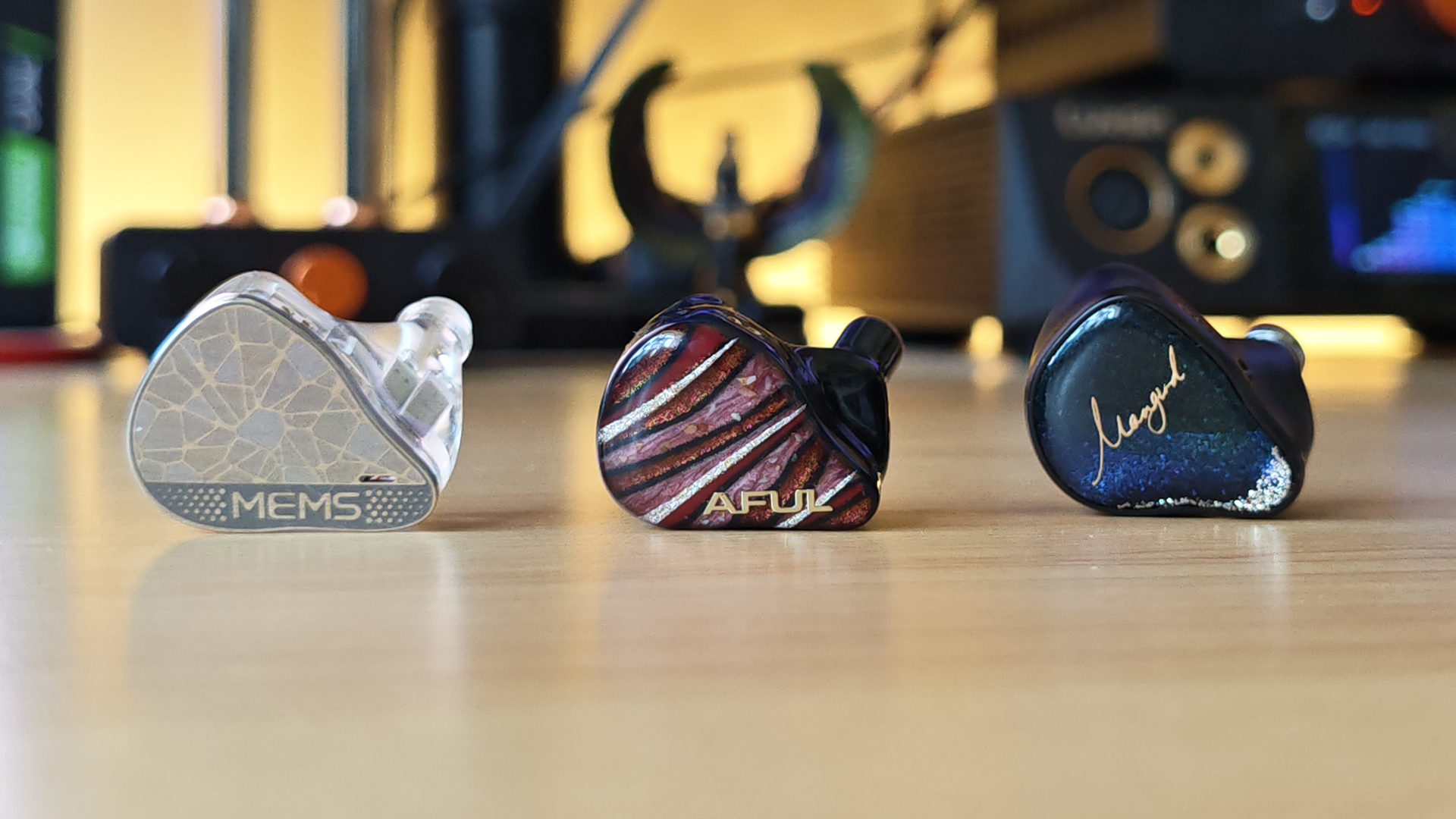
- Binary Acoustics EP321 ($309): If your priority is resolution and technical transparency, the EP321 is the superior choice. It offers a more textured bass response and a clearer, brighter profile that excels in micro-detail retrieval.
- Xenns Tea Pro ($359): The Tea Pro offers a similar "warmth" but with better execution of the overall soundstage. Most importantly, the Tea Pro includes swappable terminations, a feature that feels like a glaring omission on the $389 Performer 8S.
The 8S occupies a unique space: it is not the most detailed, nor the most "fun," but it provides a "luxurious" smoothness that is hard to find elsewhere. However, when compared to the Tea Pro, the lack of hardware flexibility makes the 8S a harder sell.
Build and Ergonomics: The Goldilocks Fit
Where the 8S truly shines is in its physical design. The shells are sculpted with a precision that makes them incredibly comfortable for long-term wear. Unlike the overly large housings of the Kiwi Ears Orchestra II, the 8S sits flush and secure in the ear canal.
The storage case is a highlight of the user experience. By opting for a magnetic closure instead of a traditional zipper, Aful has introduced a level of convenience that is both practical and premium. It is these small, tangible design choices that remind the user they are holding a high-end product, even if the internal marketing claims leave something to be desired.
Implications: The Verdict
The Aful Performer 8S is an IEM that manages to be greater than the sum of its (sometimes questionable) parts. The sound signature is, quite simply, delightful. It is a rare example of a "smooth" IEM that manages to remain engaging and dynamic. It avoids the pitfall of sounding "dull" or "boring," offering instead a rich, textured, and addictive listening experience that makes it a worthy addition to any collection.
However, the path to recommending it is paved with caveats. The marketing surrounding the passive radiator and the useless bass plugs feels disrespectful to the consumer’s intelligence. Furthermore, the lack of swappable cable terminations at this price point is a genuine oversight that limits the longevity and versatility of the product for serious enthusiasts.
Should you buy it?
If you are a collector who values a specific, smooth-yet-detailed sound signature and can look past the marketing fluff, the Performer 8S is an easy recommendation. It captures a specific "mood" that few other IEMs can replicate. However, if you are looking for the best value-for-money or an "all-in-one" solution with modern modular features, you may be better served by the Xenns Tea Pro or the Binary Acoustics EP321.
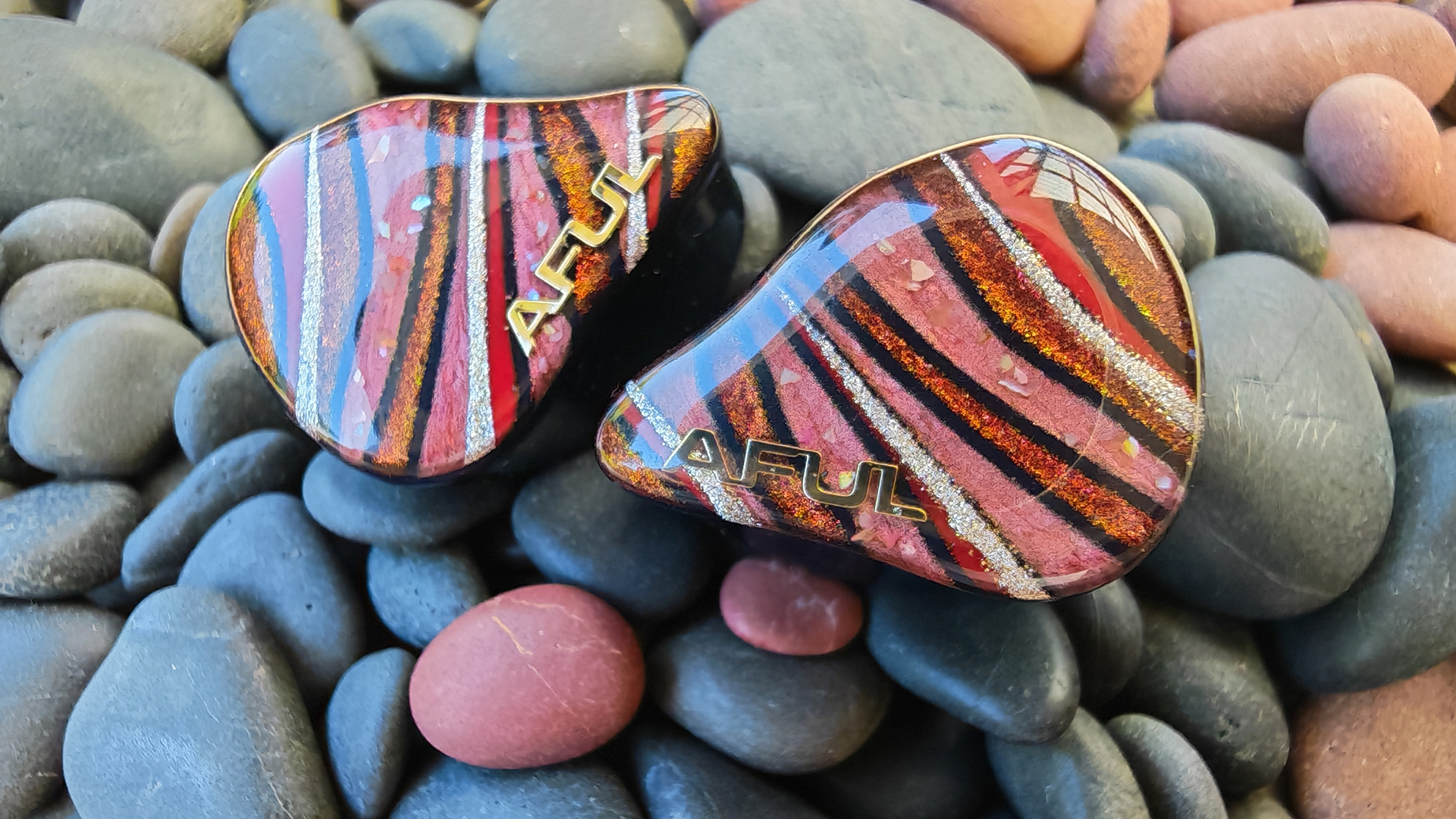
The Aful Performer 8S is a beautiful, smooth-sounding contradiction: a product that proves the engineers at Aful are masters of sound, even if their marketing department is still learning the ropes of transparency. Enjoy the music, but don’t worry about the plugs.










No comments yet. Be the first to join the conversation!