
 Nana
Nana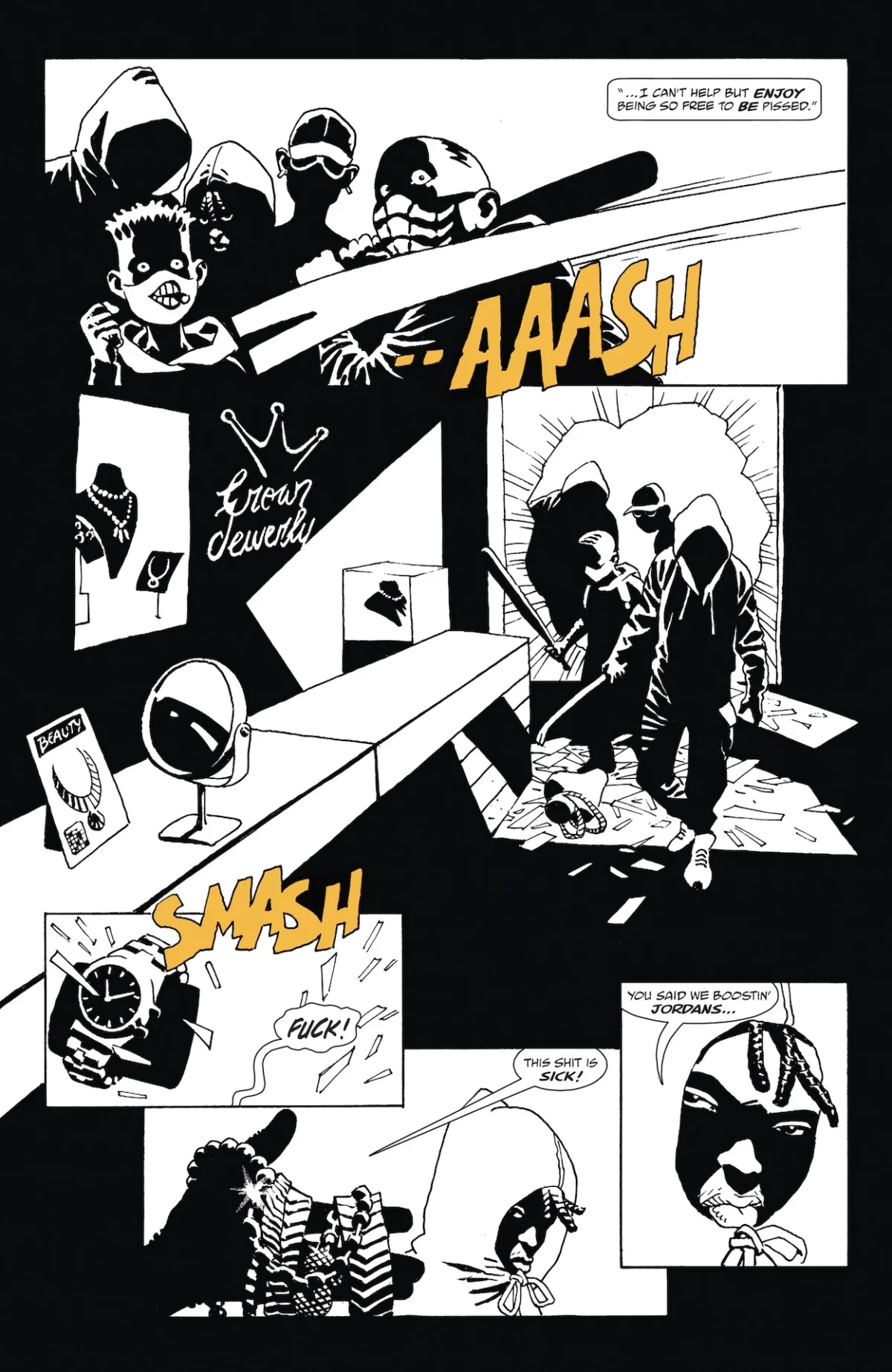
It has been seventeen years since the final, thunderous echoes of the original 100 Bullets series faded into the annals of comic book history. When the final issue hit shelves in April 2009, fans of the Vertigo imprint believed they had reached the end of the line for Brian Azzarello and Eduardo Risso’s seminal crime noir. However, in the world of comics, "never" is a fluid concept.
This summer, the legendary creative duo returns to the gutter-soaked streets and moral ambiguity of their most iconic franchise with 100 Bullets: The US of Anger. The revival is not merely a nostalgia trip; it is a brutal, black-and-white interrogation of a nation currently tearing itself apart at the seams. With Lono—the series’ most volatile, unpredictable engine of destruction—back at the forefront, the book serves as a mirror held up to the fractured psyche of contemporary America.
The Chronology of a Crime Epic
The 100 Bullets saga originally established itself as a complex, sprawling morality play about secret organizations, the unchecked power of the Minutemen, and the titular, untraceable bullets offered to individuals seeking retribution. It was a story about the machinery of power.
Now, nearly two decades later, the landscape has shifted. The debut of The US of Anger #1 marks a tonal pivot from the calculated, shadowy conspiracies of the past to something far more raw and immediate. The narrative timeline picks up in an environment defined by the "new normal" of social volatility. From the opening pages, the reader is dropped into a world of burning vehicles, protest signs discarded in the mud, and the unmistakable imagery of civil unrest. The story mirrors the chaotic energy of the 1992 Los Angeles riots, filtered through the lens of today’s polarized digital and physical landscapes.
The issue establishes a three-pronged narrative structure:
- The Street-Level Chaos: Lono’s return begins with a seemingly random encounter with four teenagers looting a jewelry store, showcasing his role as a catalyst for escalating violence.
- The Media Echo Chamber: The introduction of right-wing podcasters, adorned with skull iconography and distorted American flags, provides a commentary on the "truth machine" and the manufacturing of public outrage.
- The Societal Breakdown: A montage of protest, police intervention, and opportunistic looting that suggests a country that has lost its internal compass.
Anatomy of a Comeback: Lono’s Role
Lono was always the "purest" form of what 100 Bullets represented: a vessel for appetite, violence, and nihilism. While the original series often played with the intellectual chess games of the Trust and the Minutemen, Lono was the piece that knocked the board over.
In The US of Anger, Lono is not necessarily the protagonist in the traditional sense; he is a force of nature. His appearance in a looted jewelry store is calculated, yet feels entirely spontaneous. When he confronts the young looters, he does not offer a lecture; he offers a challenge. His presence serves to escalate the stakes, drawing police into a conflict that they are woefully unprepared to handle. By placing Lono in the middle of a modern-day riot, Azzarello is testing how an agent of absolute chaos survives in an era where chaos is already the status quo.
Supporting Data: The Art of the Noir
The visual identity of 100 Bullets has always been synonymous with Eduardo Risso’s distinctive, high-contrast style. In this revival, the decision to utilize a stark, black-and-white palette—with the selective, jarring use of color for blood and sound effects—serves to elevate the tension.

The art style draws frequent, favorable comparisons to Frank Miller’s Sin City, yet it retains a grounded, gritty realism that is unique to Risso. The way the shadows swallow the panels creates a sense of claustrophobia and inevitability. The "hooligans" that Lono encounters are rendered with a human fragility that contrasts sharply with Lono’s hardened, static visage. This visual contrast is critical to the book’s success: it allows the reader to see the fear, the feigned bravado, and the shock in the eyes of the youth, providing a grounding human element to the otherwise stylized violence.
Implications: The Politics of Rage
Perhaps the most polarizing aspect of The US of Anger is its unapologetic engagement with modern political discourse. Azzarello does not shy away from the "on-the-nose" nature of his social commentary. Through the inclusion of extremist podcasters who dismiss the Constitution as a lie and claim that the country is run by a cabal, the narrative addresses the pervasive nature of conspiracy theories and the manipulation of the American public.
The inclusion of a Black Lives Matter protest sign lying in the dirt is a deliberate, provocative choice. It signals to the reader that this story is not set in a vacuum. It is a commentary on the "tried-and-true" method of manipulating the American populace through fear and manufactured outrage. The implication is clear: the violence in the streets is not just a symptom of the people, but a result of the narratives fed to them by those seeking to profit from the anger.
Critical Analysis and Cultural Reception
The reception to The US of Anger has been one of intense fascination. Critics have noted that while the political themes occasionally threaten to overwhelm the narrative momentum, the atmospheric power of the book is undeniable.
Strengths
- Atmospheric Consistency: Azzarello has successfully translated the noir sensibilities of the early 2000s into a contemporary setting without losing the "Vertigo" edge.
- Visual Storytelling: Risso’s ability to use negative space and stark contrasts remains the gold standard in the genre.
- Relevance: The book successfully captures the feeling of national paranoia that defines the current decade.
Challenges
- Narrative Pacing: The introduction of so many disparate threads—the podcasters, the looters, the police, and Lono—creates a fragmented reading experience that can feel deliberately chaotic.
- Overt Commentary: Some readers may find the political parallels too blunt, potentially alienating those looking for the more nuanced, character-driven mysteries of the original series.
A Mirror to the Present
If the original 100 Bullets was an epic dark morality tale, The US of Anger is a nihilistic, unflinching look at the state of America today. By revisiting their most iconic creation, Azzarello and Risso are not attempting to reclaim the past, but rather to use their established language of violence to process the present.
The series asks a difficult question: When the entire country is screaming, who is left to listen? In the world of Lono, the answer is rarely comforting. The return of this title signals that the "machinery of power" has changed. It is no longer about secret cabals hiding in boardrooms; it is about the decentralized, digital, and visceral anger that spills out onto the streets every day.
Whether the story can maintain its balance between deep-seated social commentary and high-stakes crime drama remains to be seen. However, 100 Bullets: The US of Anger #1 proves that the creative team hasn’t lost a step. They have returned to the fray with a story steeped in fear, rage, and a terrifying sense of inevitability. For readers willing to stare into the chaos, this is not just a comic book—it is a bleak, necessary dispatch from the front lines of a crumbling cultural landscape.

 Sagoh
Sagoh
 Ammar Sabilarrohman





